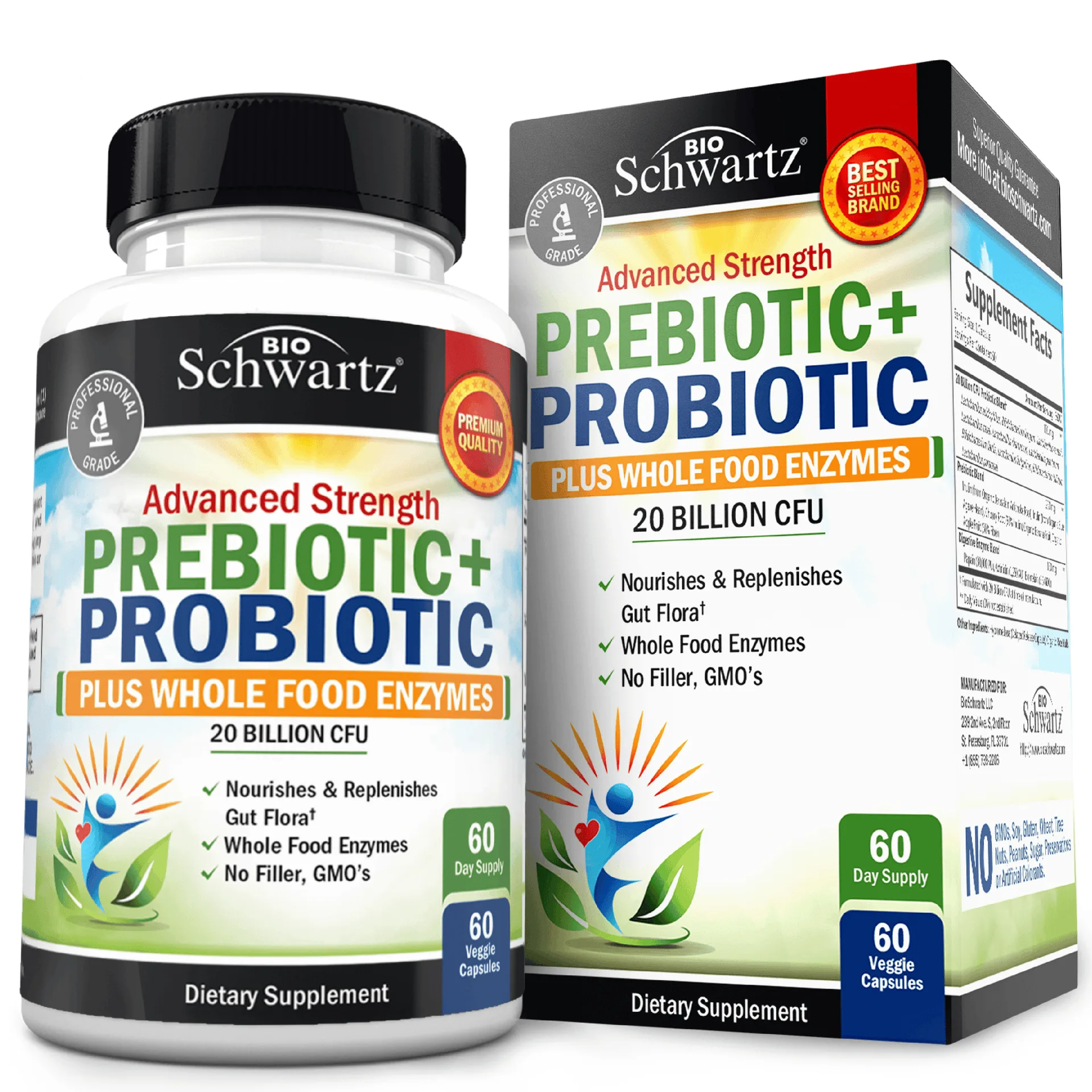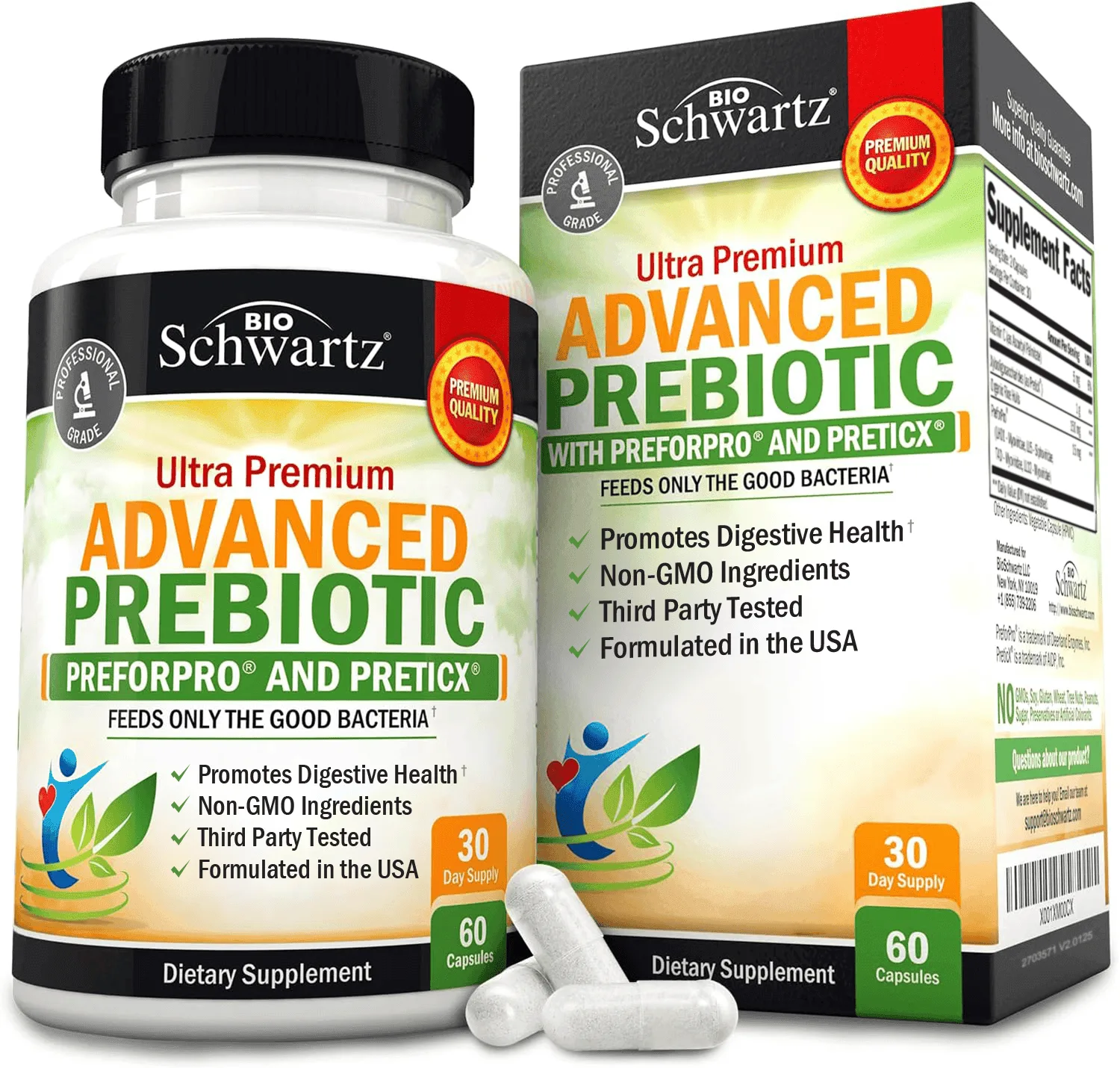
Quick answer
You do not have to take prebiotics and probiotics together every single day, but pairing them is often more useful than taking probiotics alone. Prebiotics feed the beneficial bacteria in a probiotic, so a synbiotic-style routine can support a more stable gut environment. If your goal is everyday digestive support, a daily habit is usually easier to keep than an occasional one.
What is the actual prebiotic vs probiotic difference?
Probiotics are live microorganisms, while prebiotics are non-digestible fibers or compounds that feed those microorganisms. In practice, a probiotic adds bacteria; a prebiotic helps the bacteria you already have, or the ones you just swallowed, get established. That is why the prebiotic vs probiotic difference matters when you are reading a label: a product can contain one, the other, or both.
Do you need prebiotics with probiotics for them to work?
No, probiotics can be taken without a separate prebiotic. Many people do fine with a standalone probiotic, especially if their diet already includes fiber-rich foods like oats, bananas, onions, garlic, or legumes. However, if your diet is low in those foods, adding a prebiotic source can make the probiotic part of your routine more purposeful. This is the logic behind synbiotic supplements, which combine the two in one serving.
When to take prebiotics and probiotics
The most common recommendation is to take probiotics with a meal, because stomach acid is somewhat buffered by food. Prebiotics are less timing-sensitive and can be taken with the same meal or at a different time. If you use a combined product, follow the label. If you take them separately, many people find it simplest to take both with breakfast or dinner so the routine is tied to an existing habit.
How to build a daily probiotic routine that you will actually keep
Start with one product and one time of day. A daily probiotic routine works best when it is boring: same time, same place, same trigger. If you want to add prebiotics, you can either choose a probiotic that already includes prebiotics or add a prebiotic-rich food to the same meal. Give any new routine a few weeks before judging it, and introduce one change at a time so you can tell what is helping.
What to look for on a synbiotic or probiotic label
Check three things: the CFU count, the listed strains, and whether prebiotics are included. CFU stands for colony-forming units and tells you how many live organisms are in a serving at the time of manufacture. Strain names matter because different strains are studied for different purposes. If prebiotics are listed, look for recognizable fibers or extracts rather than a vague blend. If a specification is not on the label, treat that as a gap rather than assuming it is present.
Quick answers to common questions
Can I take probiotics and prebiotics at the same time?
Yes. Many people take them together with a meal, and combined synbiotic products are designed for exactly that. Pairing them is convenient, not mandatory.
Do I need prebiotics if my probiotic already contains them?
No. If the label lists prebiotics, you are already getting both in one serving. Adding a separate prebiotic on top is a personal choice, not a requirement. Check the label before buying a second product.
How long before I notice a difference?
Digestive routines are individual. Most people give a new probiotic several weeks of consistent use before deciding whether it fits. Consistency matters more than perfection.
Should I take prebiotics on an empty stomach?
Prebiotics are generally less timing-sensitive than probiotics. Taking them with food is fine and often easier to remember. Tie it to a meal you already eat.
Are synbiotic supplements better than taking them separately?
Not automatically. A synbiotic is simply a product that contains both. It can be simpler, but separate products give you more control over each dose. Choose based on how you will actually use it.
Products that match a daily routine
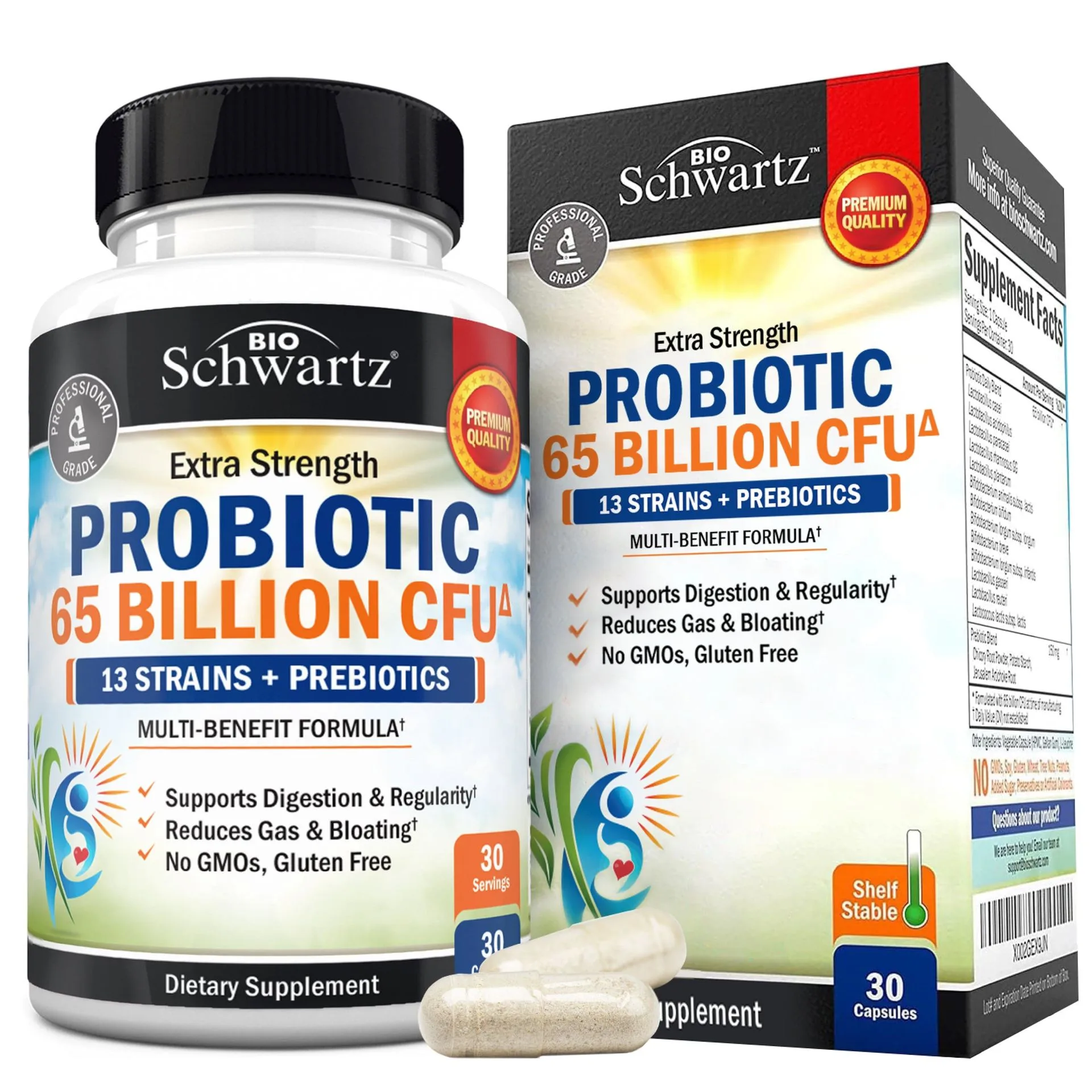
- Probiotics 65 Billion CFU Capsules, 30ct: Probiotics 65 Billion CFU Capsules, 30ct provides 65 billion CFUs and 13 probiotic strains, plus natural prebiotics, in every serving. This is a combined option for readers who want probiotics and prebiotics together without buying two separate products.
- Vaginal Probiotic Capsules, 30ct: Vaginal Probiotic Capsules, 30ct includes 10 probiotic strains such as lactobacillus crispatus and acidophilus, organic prebiotics, and cranberry extract. A targeted choice for women whose main goal is vaginal microbiome and pH support rather than general digestive support.
- Lions Mane Mushroom Capsules, 90ct: Lions Mane Mushroom Capsules, 90ct provides 2,100 mg of organic lion's mane mushroom per serving with 10 mg of BioPerine black pepper extract. Not a probiotic or prebiotic, but a general wellness option for readers building a broader daily routine alongside gut-focused products.