Quick answer
Probiotics and digestive enzymes are not interchangeable. Probiotics support long-term gut flora balance, while enzymes help break down food during a single meal. Choose probiotics if you have ongoing bloating, irregularity, or vaginal health concerns. Choose digestive enzymes if your discomfort is tied directly to eating specific foods.
How probiotics and digestive enzymes work differently
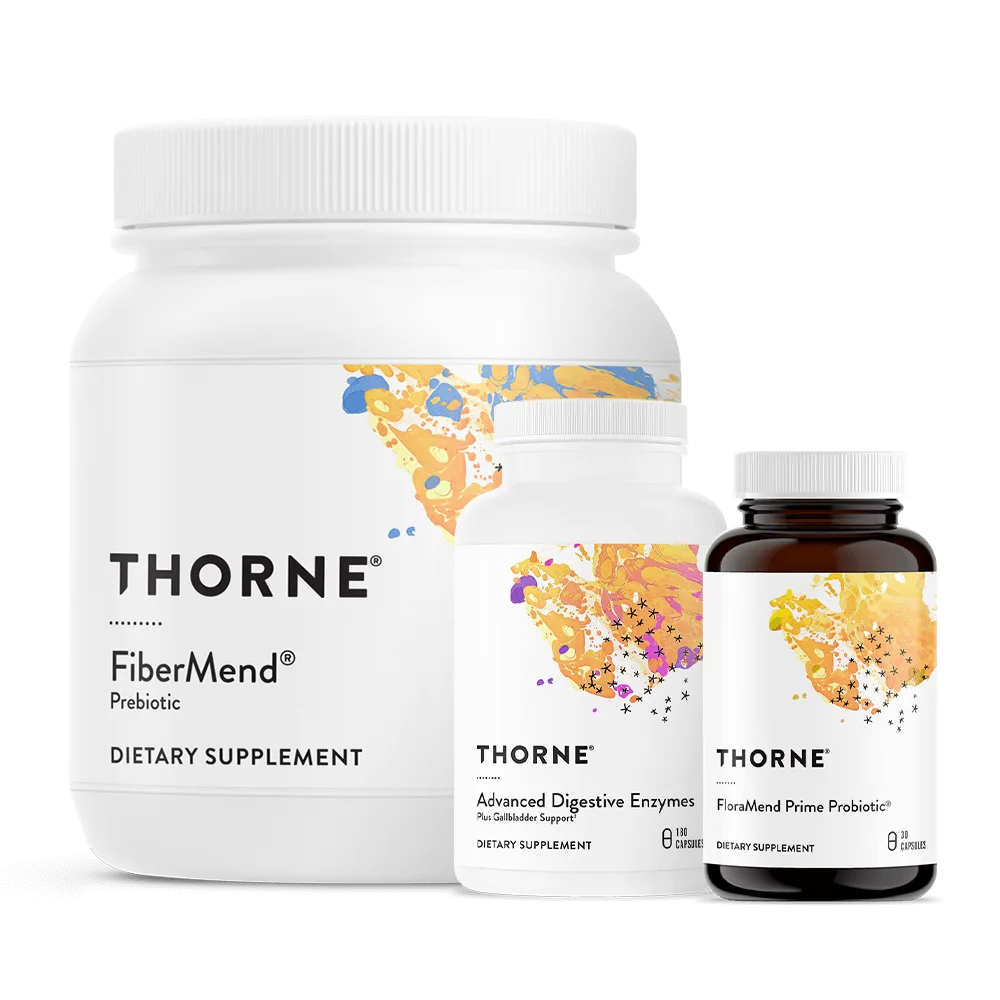
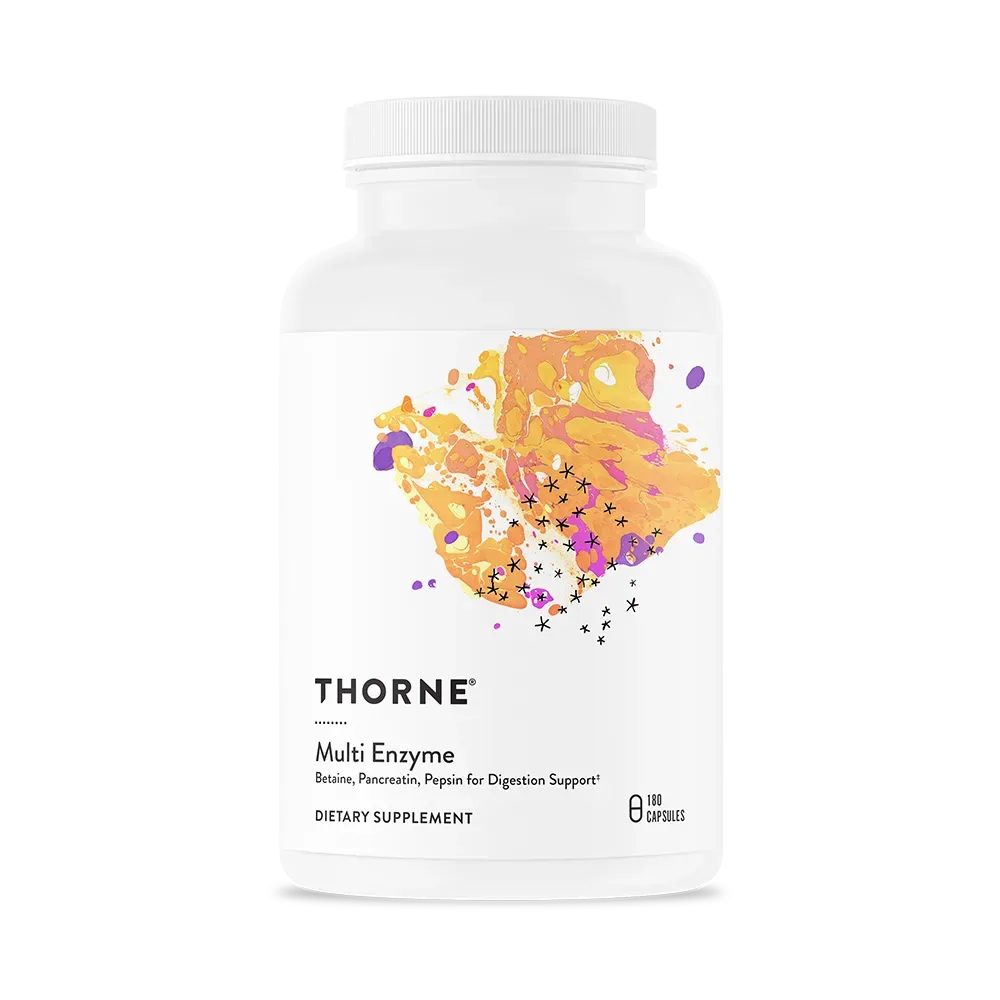
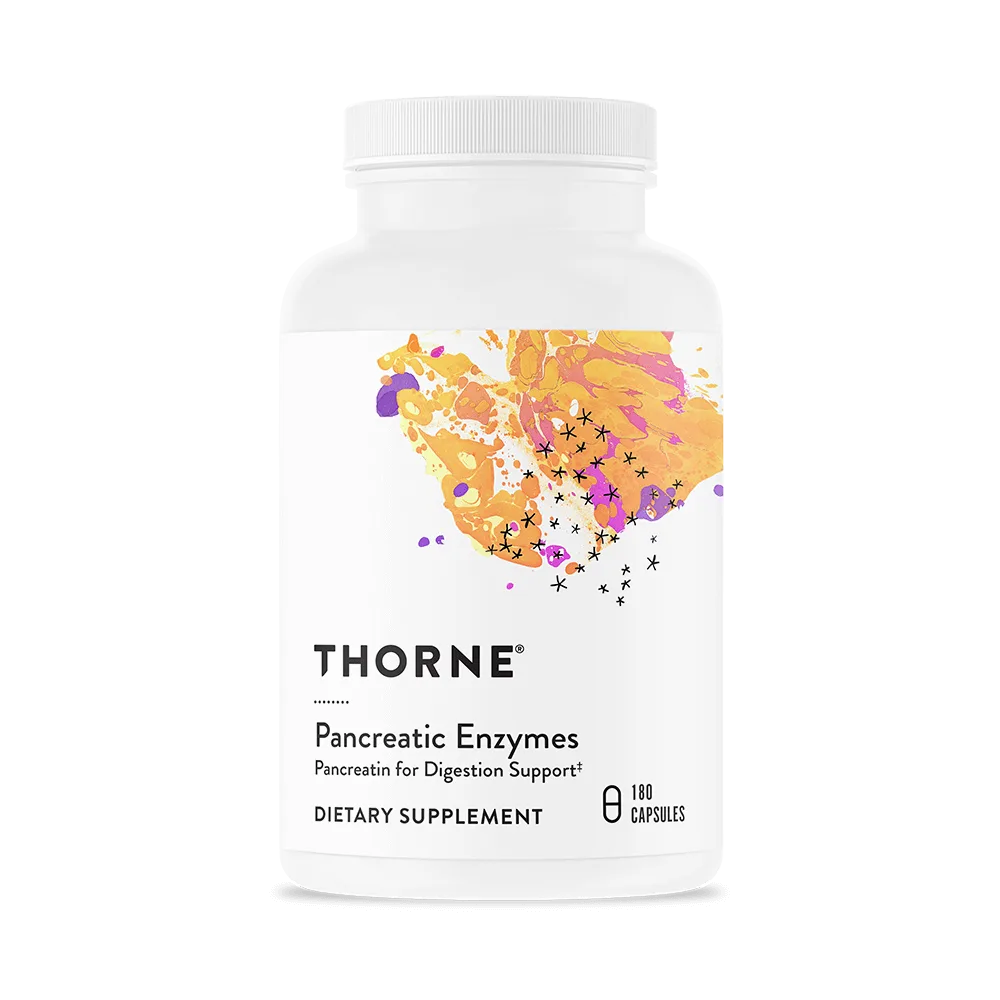
Probiotics are live beneficial bacteria that help maintain a healthy balance of gut flora. They support digestion indirectly by influencing the microbial environment in your intestines. Digestive enzymes, on the other hand, are proteins that break down carbohydrates, fats, and proteins into absorbable nutrients during digestion. They work immediately in the stomach and small intestine, not on the microbiome.
Because their mechanisms are different, the right choice depends on whether your issue is microbial imbalance or a lack of digestive firepower. Many people benefit from both, but starting with the one that matches your primary symptom is more efficient.
Signs you might need probiotics
If you experience frequent bloating, gas, or irregular bowel movements that aren't tied to a specific meal, your gut flora may be out of balance. Probiotics can also support vaginal and urinary health in women. Thorne's Women's Daily Probiotic is formulated with two proprietary blends and two Lactobacillus species specifically for women's unique needs. It's a good choice if you want daily, ongoing support rather than meal-specific relief.
When digestive enzymes may be a better fit
If your discomfort appears 30–60 minutes after eating heavy, fatty, or protein-rich meals, your body may not be producing enough enzymes. Digestive enzyme supplements provide targeted help for that meal. They are not designed for long-term gut health maintenance. If you also have gut flora concerns, you can take both at different times—enzymes with meals, probiotics on an empty stomach.
Trade-offs to consider
- Speed of effect: Digestive enzymes work within minutes of a meal. Probiotics take days to weeks to shift gut flora balance. If you need immediate meal relief, enzymes win. For lasting gut health, probiotics are the better long-term investment.
- Target area: Probiotics colonize the large intestine and support microbial diversity. Enzymes act in the stomach and small intestine to break down food. Choose based on where your symptoms originate: lower gut (probiotics) or upper gut after eating (enzymes).
- Specificity vs. generality: Probiotics like Women's Daily Probiotic are formulated for broad daily support. Enzymes are often tailored to specific macronutrients (protease, lipase, amylase). If your issues are general and ongoing, start with a probiotic. If you know fat or protein triggers you, look for a targeted enzyme blend.
Product facts at a glance
- Women's Daily Probiotic: Thorne’s Women’s Daily Probiotic is formulated with two highly studied proprietary probiotic blends, in addition to two Lactobacillus species. It is designed specifically to support the unique daily needs of women, including vaginal and urinary health. If you are a woman looking for a probiotic that addresses both digestive and feminine health, this product targets both areas with strains that have research behind them.
- Women's Multi 50+: Women’s Multi 50+ is an excellent multi-vitamin/mineral supplement that includes optimal amounts of calcium and magnesium in highly absorbable chelate form, plus vitamin A for eye health, healthy skin, and more. For women over 50, this multi can fill nutritional gaps that may affect digestion and overall health. It is not a direct replacement for probiotics or enzymes, but it supports the foundational nutrition needed for a healthy gut.
Which one fits you?
Best for probiotics
- Women with ongoing bloating, irregularity, or vaginal/urinary health concerns
- Anyone looking for long-term gut flora maintenance rather than meal-specific relief
Not ideal for
- Immediate relief after a heavy meal
- People whose digestive discomfort is clearly tied to specific foods (try digestive enzymes first)