Your gut is home to trillions of bacteria that influence everything from digestion to immune function. Two terms dominate the conversation about gut health: probiotics and prebiotics. While they sound similar, they play different but complementary roles. Understanding the difference is key to making informed choices for your digestive wellness.
In this article, we’ll break down what probiotics and prebiotics are, how they work, and why you need both for a balanced microbiome. We’ll also explore synbiotic supplements and practical tips for adding these nutrients to your daily routine.
What Are Probiotics?
Probiotics are live beneficial bacteria that, when consumed in adequate amounts, confer a health benefit on the host. They help maintain a healthy balance of gut flora, support digestion, and bolster the immune system. Common strains include Lactobacillus and Bifidobacterium, which are found in fermented foods like yogurt, kefir, sauerkraut, and in dietary supplements.
The primary benefit of probiotics is their ability to colonize the gut and outcompete harmful bacteria. They also produce short-chain fatty acids that nourish the intestinal lining and help regulate inflammation. Many people turn to probiotics to ease digestive issues like bloating, irregularity, and occasional diarrhea, especially after antibiotic use.
- Supports a healthy balance of gut bacteria
- May reduce digestive discomfort and support regularity
- Contributes to immune health by strengthening the gut barrier
What Are Prebiotics?
Prebiotics are non-digestible fibers that serve as food for beneficial bacteria in your gut. They pass through the upper gastrointestinal tract undigested and reach the colon, where they are fermented by the microbiota. This fermentation process stimulates the growth and activity of beneficial bacteria, particularly Bifidobacteria and Lactobacilli.
Common prebiotics include inulin, fructooligosaccharides (FOS), and galactooligosaccharides (GOS). You can find them naturally in foods like garlic, onions, bananas, oats, and apples. Prebiotic benefits extend beyond feeding good bacteria: they help improve mineral absorption, support metabolic health, and may enhance the production of beneficial compounds like butyrate.
- Feeds beneficial gut bacteria and promotes their growth
- Supports digestive health and regular bowel movements
- May enhance calcium absorption and support bone health
Key Differences Between Probiotics and Prebiotics
The simplest way to remember the difference is that probiotics are the beneficial bacteria themselves, while prebiotics are the food that nourishes them. Probiotics are live organisms; prebiotics are plant fibers. They work together in a symbiotic relationship: prebiotics fuel probiotics, allowing them to thrive and multiply.
Another key difference is their stability and survival. Probiotics must survive stomach acid and reach the intestines alive, which is why some supplements use special delivery technologies. Prebiotics, on the other hand, are not alive and are more resistant to digestion, making them easier to deliver effectively. Both are essential for optimal gut health, and they complement each other perfectly.
- Probiotics: live microorganisms that add beneficial bacteria to the gut
- Prebiotics: non-digestible fibers that feed existing beneficial bacteria
- Together, they create a synergistic effect for a healthier microbiome
Why You Need Both: The Power of Synbiotics
A balanced gut ecosystem requires both an influx of good bacteria (probiotics) and the fuel to keep them thriving (prebiotics). This is where synbiotics come in—products that combine probiotics and prebiotics to enhance their effectiveness. By providing both, you ensure that the beneficial bacteria you consume have immediate nourishment, increasing their chances of colonizing the gut.
For example, a synbiotic supplement might pair Lactobacillus acidophilus with inulin. The inulin acts as a prebiotic, feeding the Lactobacillus and helping it flourish. This combination can lead to improved digestion, better nutrient absorption, and a more resilient immune system. Research suggests that synbiotics may be more effective than either alone for certain digestive issues.
- Synbiotic supplements combine probiotics and prebiotics for a synergistic effect
- This approach can improve probiotic survival and colonization
- Look for products that clearly list both probiotic strains and prebiotic fibers
How to Incorporate Prebiotics and Probiotics into Your Diet
The easiest way to get both is through your diet. Fermented foods like yogurt, kefir, kimchi, and kombucha are rich in probiotics. Prebiotic-rich foods include garlic, onions, leeks, asparagus, bananas, and whole grains. Aim to include a variety of these foods daily to support a diverse microbiome.
If you prefer a targeted approach, high-quality supplements can help. For probiotics, choose a product with multiple strains and a high CFU count. For prebiotics, look for fibers like inulin or FOS. Some supplements combine both, offering a convenient synbiotic option. Always follow the recommended dosage and consult with a healthcare provider if you have underlying health conditions.
- Start with food: yogurt, kefir, sauerkraut for probiotics; garlic, onions, oats for prebiotics
- Consider a supplement for consistent daily intake
- Gradually increase fiber intake to avoid digestive discomfort
Choosing the Right Supplements
When selecting a probiotic supplement, look for products that list specific strains, such as Lactobacillus rhamnosus or Bifidobacterium lactis, and guarantee potency through the expiration date. For prebiotics, check the fiber source and ensure it’s non-GMO and free from artificial additives.
At Nature's Way, we offer a range of supplements to support your gut health journey. For a targeted probiotic, consider our Probiotic Pearls® line, which uses a unique triple-layer softgel to protect delicate bacteria. For prebiotic support, our Organic Apple Cider Vinegar Gummies provide a gentle source of fiber and acetic acid, which may help maintain a healthy gut environment. Always read labels and choose products that align with your health goals.
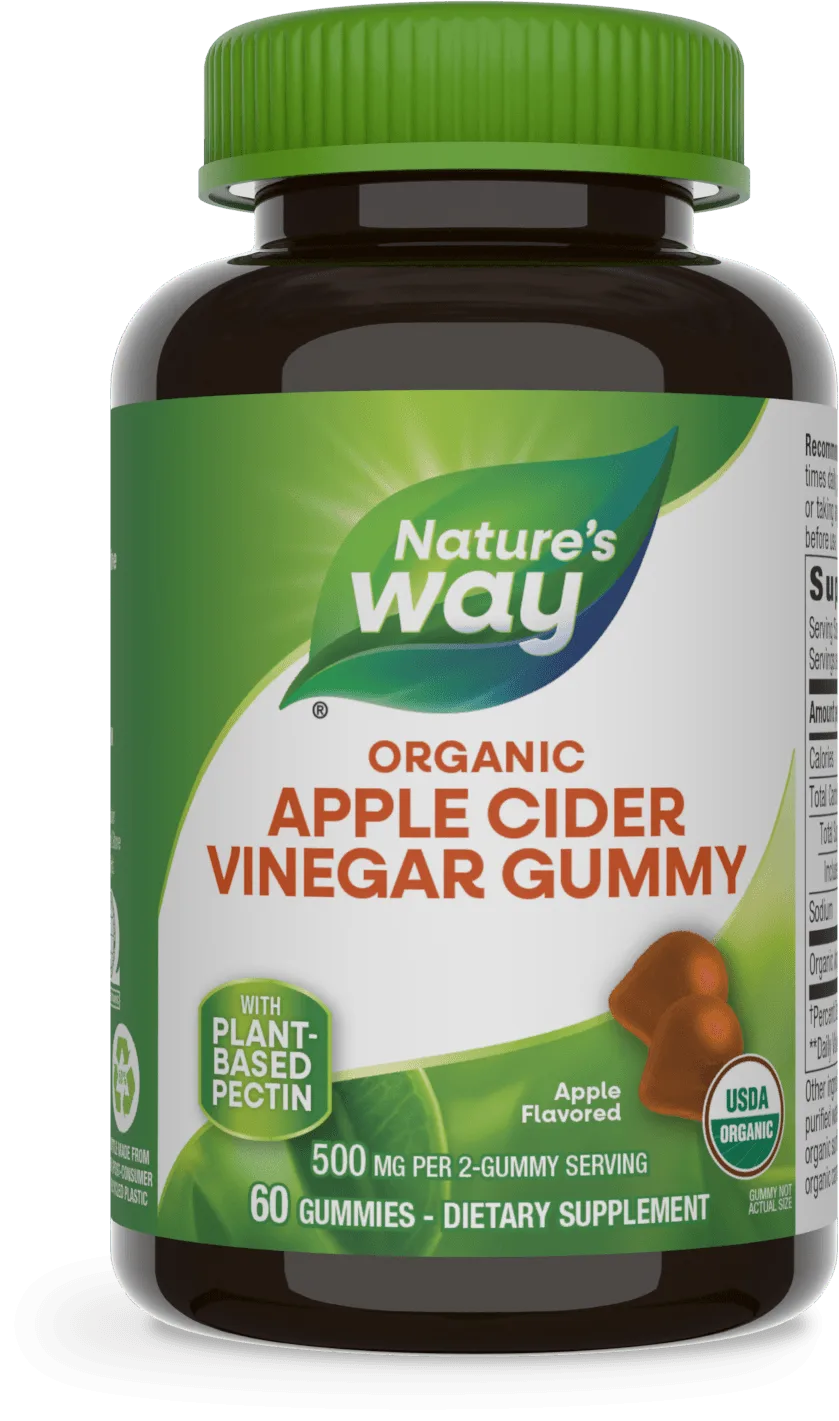
Organic Apple Cider Vinegar Gummies
- Probiotic Pearls® offer protected delivery for maximum viability
- Organic Apple Cider Vinegar Gummies provide a prebiotic boost with added benefits
- Consult your healthcare provider before starting any new supplement regimen
Understanding the difference between probiotics and prebiotics is the first step toward a healthier gut. By incorporating both into your daily routine—whether through food or supplements—you can support a balanced microbiome, improve digestion, and strengthen your immune system. Explore our selection of gut health supplements at Nature's Way to find the right combination for your needs.