Quick answer
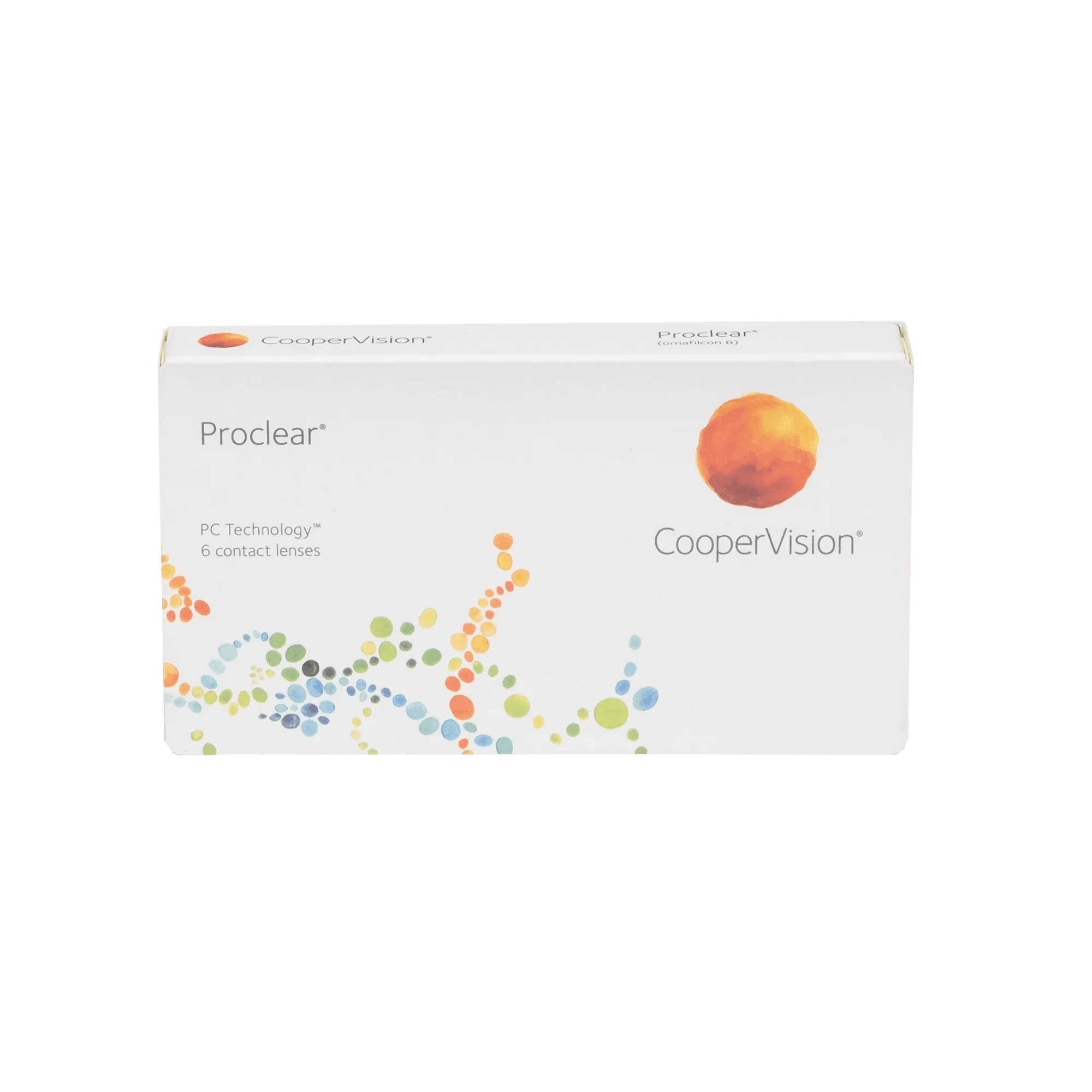
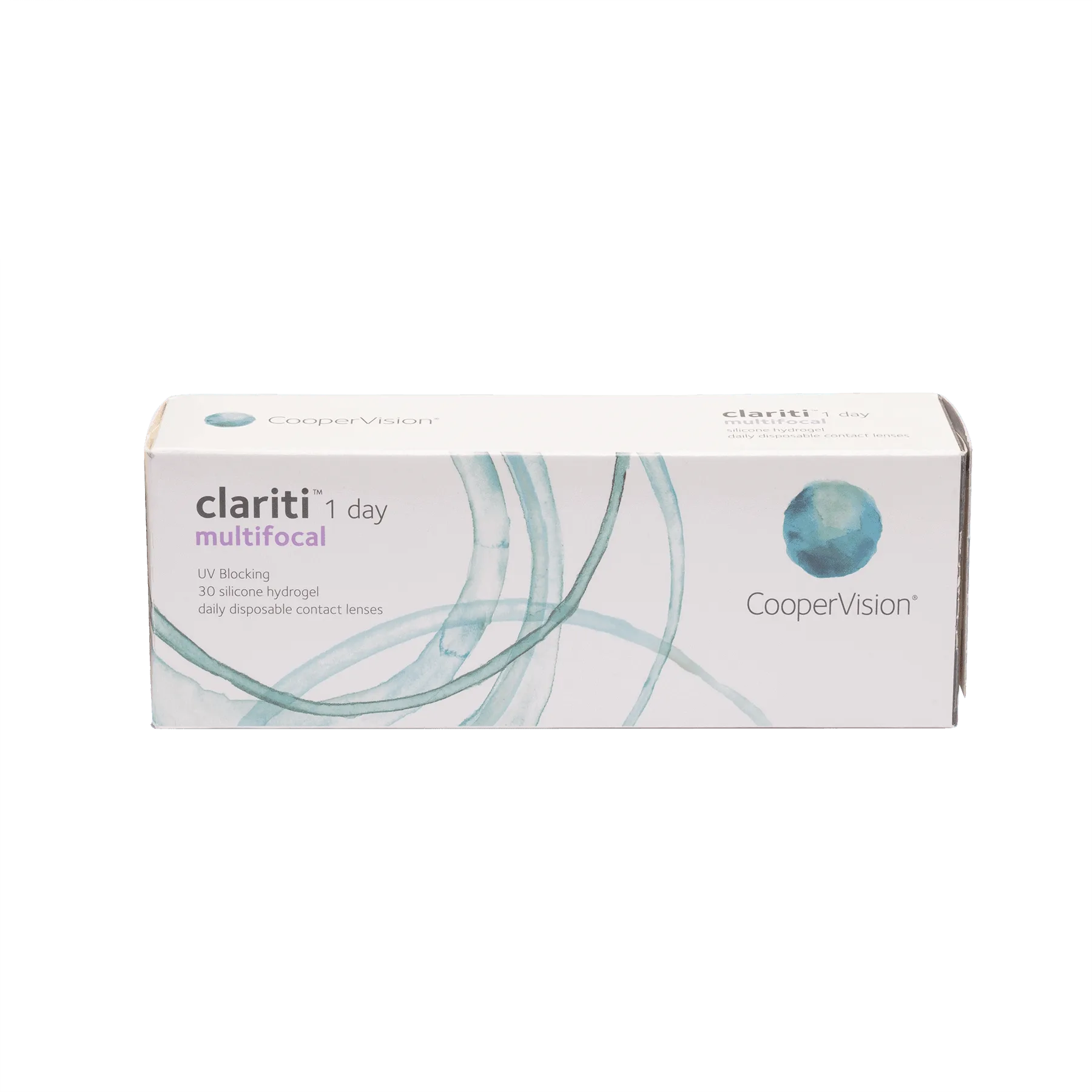
Choose the Proclear 6 Pack if you want fewer boxes, less packaging waste, and a lower upfront price per lens, and you are comfortable with a daily cleaning routine. Choose Clariti 1 Day Multifocal if you prefer the no-maintenance convenience of throwing lenses away each night, or if you need multifocal correction for presbyopia. Neither is universally better; the right pick depends on how often you wear contacts and whether you want to handle cleaning.
Replacement schedule: the biggest practical difference
The Proclear 6 Pack contains six monthly replacement lenses, so one box lasts three months if you wear lenses in both eyes and replace them every 30 days. That means four boxes per year. The Clariti 1 Day Multifocal is a daily disposable: you open a fresh pair each morning and toss them at night. A 30-pack lasts 15 days for both eyes, so an annual supply is 24 boxes.
This schedule changes your routine. Monthly lenses require nightly cleaning and storage, plus a case and solution. Dailies skip all of that, which matters if you travel, have long days, or know you will not keep up with a cleaning routine. The trade-off is packaging volume and the number of reorders you place each year.
Material and comfort considerations
Proclear lenses use 38% omafilcon B, a material designed to resist dehydration and help lenses stay moist. That can be a real advantage for monthly wearers who notice end-of-day dryness. Clariti 1 Day Multifocal uses 44% somofilcon A, a daily disposable material, and the lens is designed with aspheric optics for sharp vision at multiple distances.
Neither material is objectively better for every eye. If you have dry-eye tendencies, the dehydration resistance of Proclear is worth discussing with your eye care professional. If you want the lowest-maintenance option and your prescription includes presbyopia, the daily multifocal design may suit you better. Your eye care professional can tell you which material and design your eyes tolerate best.
Cost per year: what the catalog prices actually mean
The Proclear 6 Pack is listed at USD 61.63 per box, and you need four boxes per year, so the annual lens cost is about USD 246.52 before any solution or case. The Clariti 1 Day Multifocal 30 Pack is listed at USD 54.18 per box, and you need 24 boxes per year, so the annual lens cost is about USD 1,300.32. That is a large difference.
The monthly option also requires contact lens solution and a case, which adds a modest ongoing cost. Even with those supplies, the Proclear route is far less expensive per year in this catalog. The daily route costs more because you are buying 24 boxes instead of four, but you get a fresh sterile lens every day and no cleaning supplies.
How to decide based on your wearing pattern
If you wear contacts daily and have a reliable cleaning routine, monthly lenses like the Proclear 6 Pack usually deliver the lowest annual cost. If you wear contacts only a few days a week, daily disposables can actually cost less because you only open a lens on the days you wear them, and you avoid solution and case expenses entirely.
If you need multifocal correction for presbyopia, the Clariti 1 Day Multifocal is built for that. The Proclear 6 Pack is a spherical monthly lens; it is not a multifocal. If you have both astigmatism and presbyopia, the Biofinity Toric Multifocal - 6 Pack is a monthly option that combines toric and multifocal correction in one lens. That is a different category from both lenses compared here, but it is worth knowing if your prescription includes astigmatism.
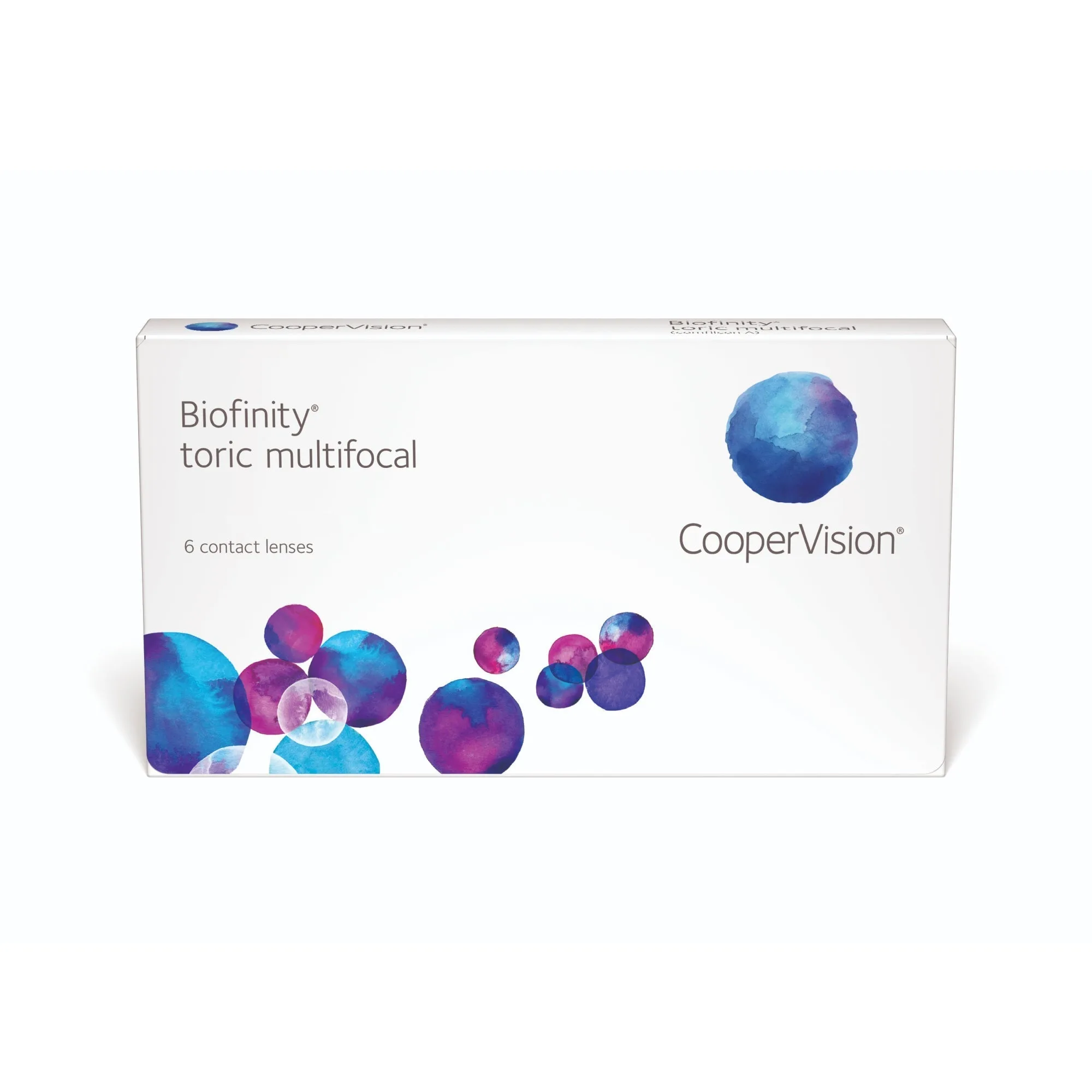
Biofinity Toric Multifocal - 6 Pack
Trade-offs to weigh before you buy
- Upfront cost vs annual cost: The Proclear 6 Pack costs USD 61.63 per box and you need four boxes per year, about USD 246.52. The Clariti 1 Day Multifocal costs USD 54.18 per box but you need 24 boxes per year, about USD 1,300.32. Monthly lenses win on total annual cost if you wear contacts most days.
- Convenience vs maintenance: Dailies require no cleaning, no case, and no solution. Monthlies require a nightly clean-and-store routine and supplies. If you know you will skip cleaning, dailies protect your eyes better than stretching a monthly lens.
- Material and moisture: Proclear uses 38% omafilcon B, designed to resist dehydration. Clariti uses 44% somofilcon A in a daily format. If end-of-day dryness is your main complaint, ask your eye care professional whether a dehydration-resistant monthly material is a better fit.
- Prescription coverage: The Clariti 1 Day Multifocal corrects presbyopia. The Proclear 6 Pack is a spherical monthly lens. Neither corrects astigmatism. If you have astigmatism plus presbyopia, look at the Biofinity Toric Multifocal - 6 Pack instead.
Product facts at a glance
- Clariti 1 Day Multifocal - 30 Pack: Clariti 1 Day Multifocal - 30 Pack: 30 sterile soft contact lenses per box, 44% somofilcon A, daily disposable, annual supply of 24 boxes, catalog price USD 54.18. A fresh lens every day with no cleaning, but 24 boxes per year makes the annual cost much higher than monthly lenses.
- Proclear - 6 Pack: Proclear - 6 Pack: 6 tinted soft contact lenses per box, 38% omafilcon B, monthly replacement, annual supply of 4 boxes, catalog price USD 61.63. Only four boxes per year keeps the annual lens cost low, and the omafilcon B material is designed to resist dehydration for all-day moisture.
- Biofinity Toric Multifocal - 6 Pack: Biofinity Toric Multifocal - 6 Pack: 6 lenses per box, 52% comfilcon A, monthly disposable, annual supply of 4 boxes, catalog price USD 157.82. If you have astigmatism plus presbyopia, this monthly lens combines both corrections, which neither the Proclear 6 Pack nor the Clariti daily multifocal does.
Which should you buy?
Best for
- Daily contact lens wearers who want the lowest annual lens cost and will keep up with cleaning
- People who prefer fewer boxes and less packaging waste
- Wearers who notice end-of-day dryness and want a monthly lens material designed to resist dehydration
Not for
- Anyone who wants zero cleaning and maximum convenience
- People who need multifocal correction for presbyopia
- Wearers who have astigmatism, who should consider a toric lens instead