Quick answer
If you need a reliable, low-cost visual sync marker for traditional film or casual video projects, a classic production slate like the Fotodiox Movie Clapboard is the practical choice. If your workflow relies on digital timecode and metadata for post-production efficiency, a digital clapper (which is a separate, more expensive device) offers that precision but at a higher cost and with added complexity.
What Each Tool Does Best
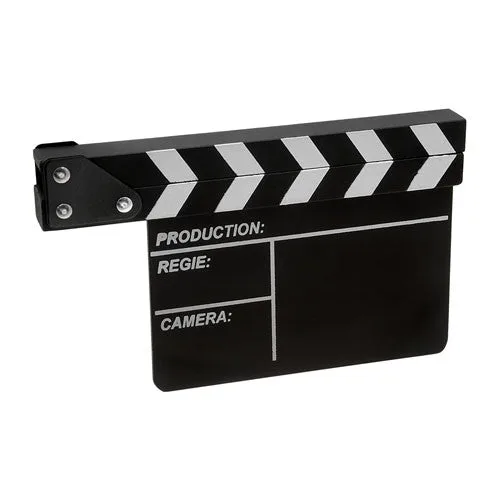
A traditional production slate (clapperboard) provides a visual and audible sync point. You clap the hinged sticks together at the start of a take, and the editor aligns the audio waveform spike with the visual clap. It's simple, mechanical, and works with any camera or recorder, no batteries required. The Fotodiox Movie Clapboard, for example, is a fully functional 6.5x10.5 inch slate that can be written on with regular chalk, making it a versatile and affordable tool for any set.
A digital clapper, on the other hand, is an electronic device that generates and displays timecode, often syncing wirelessly with a master clock. It automates the syncing process in post-production, saving time on multi-camera shoots or complex audio setups. However, it requires power, initial setup, and a higher budget. For many independent filmmakers and hobbyists, the added cost and complexity may not justify the convenience.
Tradeoffs at a glance
- Cost: A classic slate like the Fotodiox Movie Clapboard is very affordable (around $5.49). A digital clapper typically costs several hundred dollars. If budget is tight, the classic slate wins hands down.
- Reliability & Power: A mechanical slate never runs out of batteries. A digital clapper needs charged batteries and can fail electronically. For remote shoots or long days, the classic slate is more dependable.
- Workflow Speed: A digital clapper with timecode can sync multiple cameras automatically in post, saving hours. A classic slate requires manual alignment of audio and video. For multi-cam productions, the digital clapper's speed is a major advantage.
Product facts at a glance
- Fotodiox Movie Clapboard (Clapper), Production Slate, Directors Slate Board - 6.5x10.5in Size: The Fotodiox Movie Clapboard is a fully functional clapper that can be written on with regular chalk. It is designed as a versatile gift idea for movie lovers and a classic Hollywood icon. This slate is an affordable, no-fuss sync tool that works without electronics, making it ideal for students, hobbyists, or as a backup on professional sets. Its chalk surface is easy to update between takes.
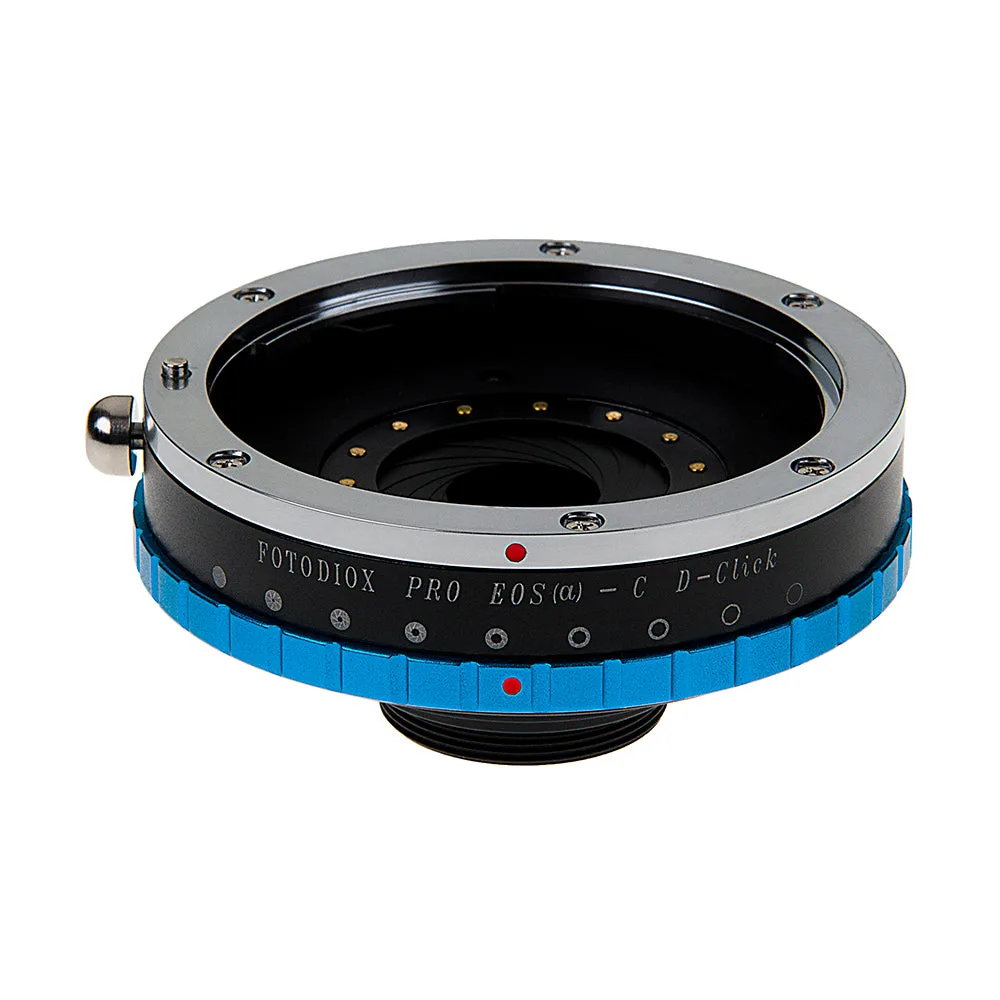
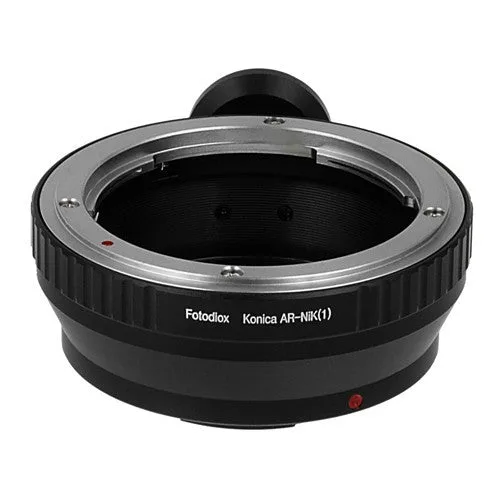
- Fotodiox Pro Lens Adapter - Compatible with Canon EOS (EF Only, Not EF-S) D/SLR Lenses to C-Mount (1" Screw Mount) Cine & CCTV Cameras with Built-In Aperture Iris: The Fotodiox Pro Lens Adapter mounts Canon EOS (EF) lenses to C-Mount cine and CCTV cameras, featuring a built-in de-clicked iris for incoming light adjustment. While not a clapper, this adapter shows how adapting vintage or cinema lenses to modern cameras can add style and character to your image, complementing a classic production workflow with unique optics.
Which one fits your production?
Best for
- Filmmakers on a tight budget who need a reliable, visual sync marker.
- Students, hobbyists, or small indie projects where post-production time is less critical.
- Anyone who wants a classic, durable tool that works without batteries or electronics.
Not ideal for
- Multi-camera shoots where automated timecode syncing saves significant post-production time.
- Professional productions with complex audio workflows that demand frame-accurate metadata.