Quick answer
Choose a professional barber mat that matches your station footprint, grips tools without trapping moisture, and cleans in under a minute. Prioritize a mat sized to your counter or trolley, made from a material that resists clipper oil and hair, and thin enough to wipe down between clients. If you work from a rolling cart, measure the top tray before buying; a mat that overhangs will slide.
Measure your station before you shop
A barber station mat only works if it stays put. Measure the usable flat area on your counter, trolley, or station top, then subtract at least half an inch on each side so the mat does not curl over an edge. If you use a wall-mounted station with a narrow shelf, a smaller mat or a two-piece setup may fit better than one large mat.
Think about what sits on the mat during a typical service: clippers, trimmer, shaver, combs, and maybe a spray bottle. Lay those items out on your counter first, then measure the footprint they create. That footprint, not the size of your counter, is the number to match.
Pick a material that matches your cleaning routine
Barber mats are usually silicone, rubber, or a synthetic foam composite. Silicone and rubber resist clipper oil, hair, and most liquid spills, and they can be wiped down with a disinfectant spray between clients. Foam composites feel softer under tools but can absorb moisture if the surface is not sealed, so they need more careful drying.
If you sanitize tools at the station, choose a mat that will not trap liquid underneath. A mat with a smooth, non-porous top and a flat bottom dries faster than one with deep texture. Texture helps grip, but deep grooves collect hair and clippings and take longer to clean.
Grip and stability: the details that matter
A mat should hold tools in place when you set them down, not slide across the counter when you pick them up. Look for a mat with enough surface friction to keep a clipper from skating, but not so much that you cannot lift a tool one-handed. If your station surface is glossy, a mat with a tacky underside will stay put better than a plain rubber sheet.
Weight matters too. Heavier mats stay flat and resist curling at the corners, but they are harder to move if you share a station or travel. If you are mobile, a lighter mat that rolls or folds may be the better trade-off.
Care and lifespan: what to check before you buy
Ask how the mat is cleaned and whether it can handle the disinfectants you already use. Most rubber and silicone mats tolerate alcohol-based sprays, but some foam mats can degrade with repeated exposure. If the product listing does not state a cleaning method, treat that as a limitation and choose a simpler material you know you can maintain.
Edge design affects lifespan. Reinforced or rounded edges resist peeling and cracking better than sharp-cut edges. If you cut hair all day, a mat that sheds hair easily and wipes clean will save you time between clients.
Decision rules for choosing a barber mat
- Size rule: Measure your tool footprint, then add one inch of margin on each side. If the mat overhangs your station edge, size down. A mat that fits flat and stays put beats a larger mat that curls.
- Material rule: Choose silicone or rubber if you wipe down between clients; choose a sealed foam composite only if you dry it thoroughly after each use. Match the material to your actual cleaning routine, not the other way around.
- Grip rule: Test whether you can lift a clipper one-handed without the mat sliding. If it slides, look for a tacky underside or a heavier mat. Stability is the difference between a useful mat and a daily annoyance.
- Maintenance rule: Check that the mat tolerates the disinfectant you already use. If the listing does not say, assume it needs gentle soap and water only. A mat you can clean in under a minute is the one you will actually maintain.
Tools that belong on a well-planned mat
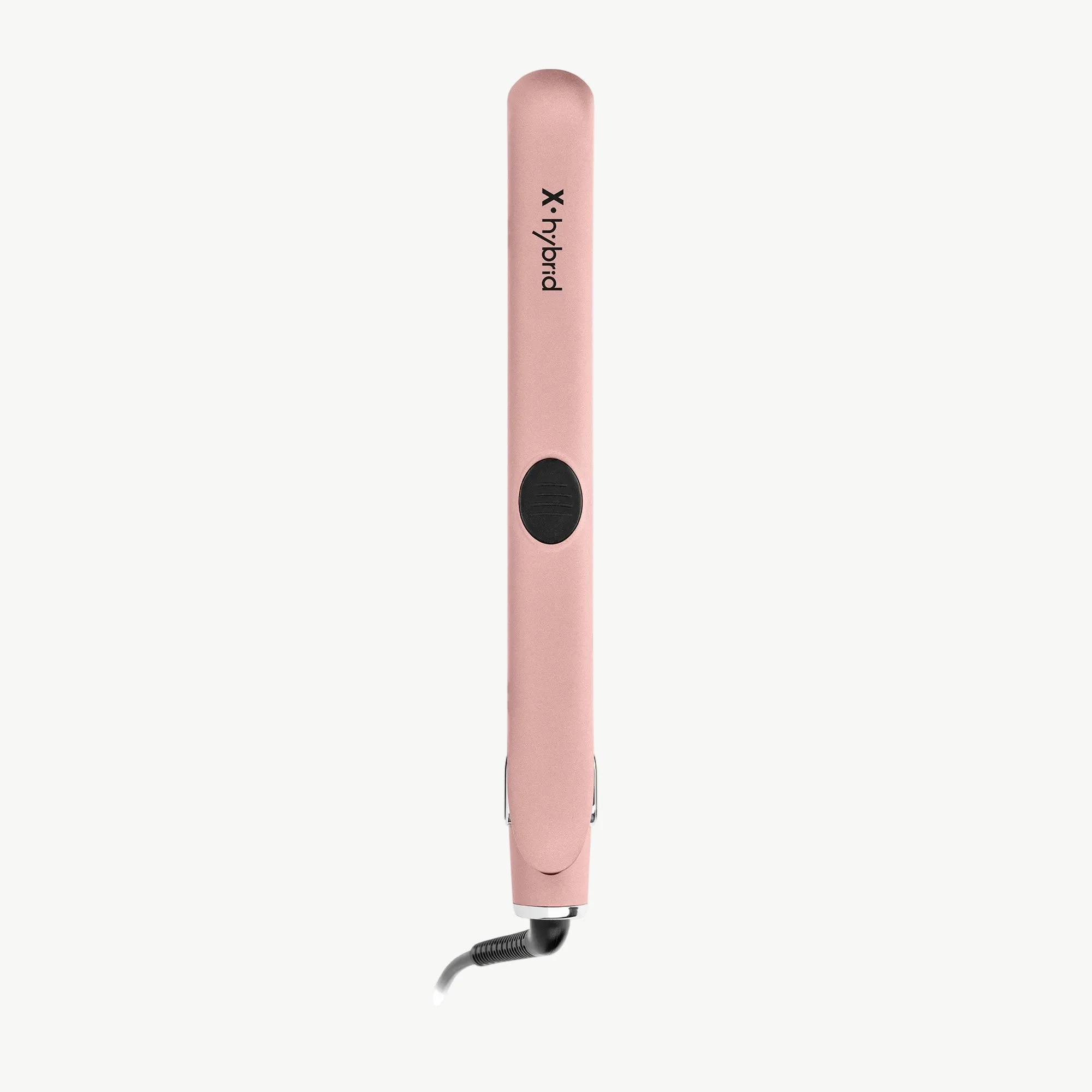
- X-Hybrid Professional Flat Iron 1": Engineered and designed in Italy with advanced technology and superior materials, this flat iron delivers outstanding results across all hair types and styles. A flat iron is a common station tool, so your mat should have enough flat space to set it down safely without crowding clippers and combs.
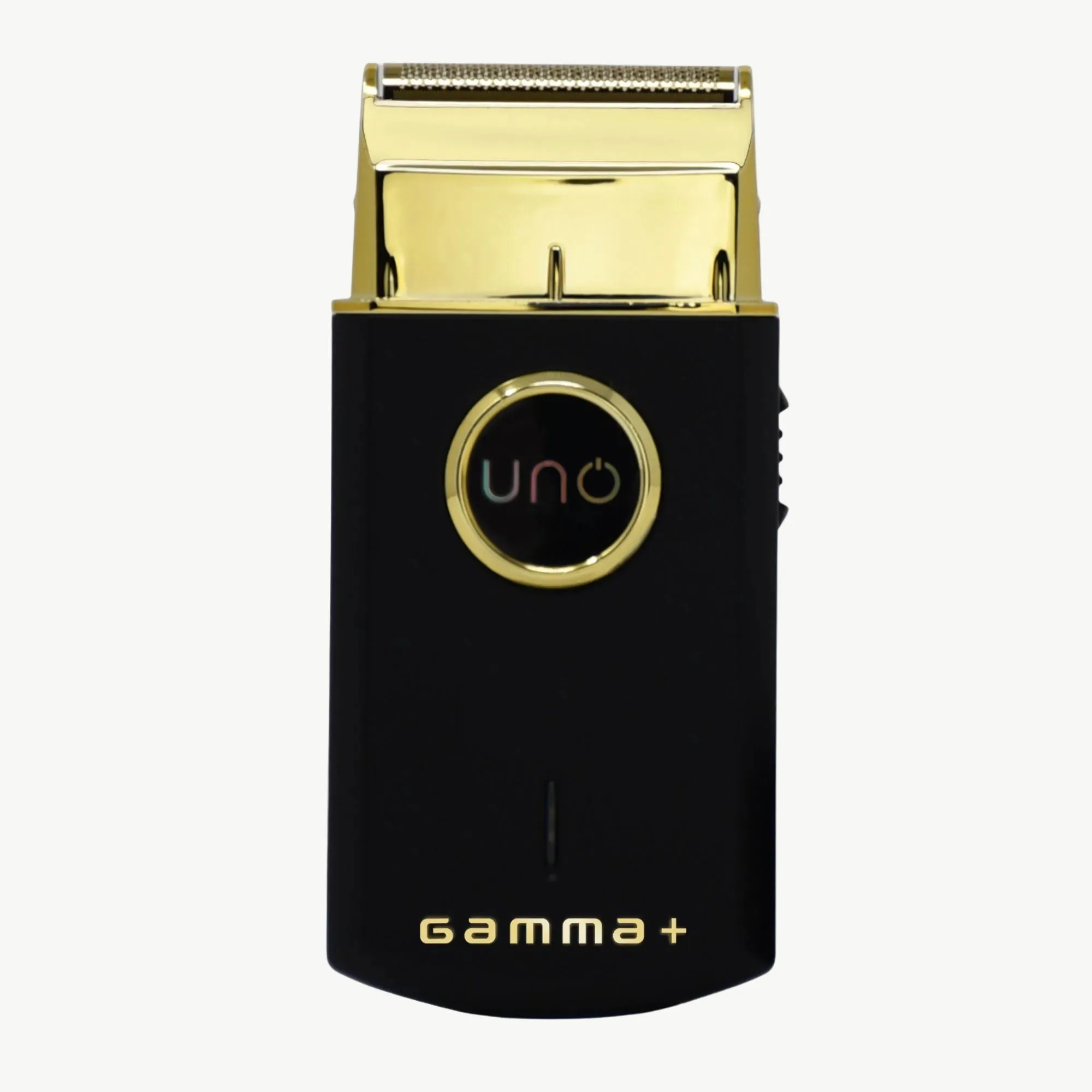
- Uno Professional Single Foil Shaver: The Uno single-foil electric shaver is equipped with a powerful turbocharged motor that runs up to 9,000 RPM and Ultra-Thin gold titanium foils. A compact shaver like this takes up little mat space, so a smaller barber tool mat may be enough if your station is tight.
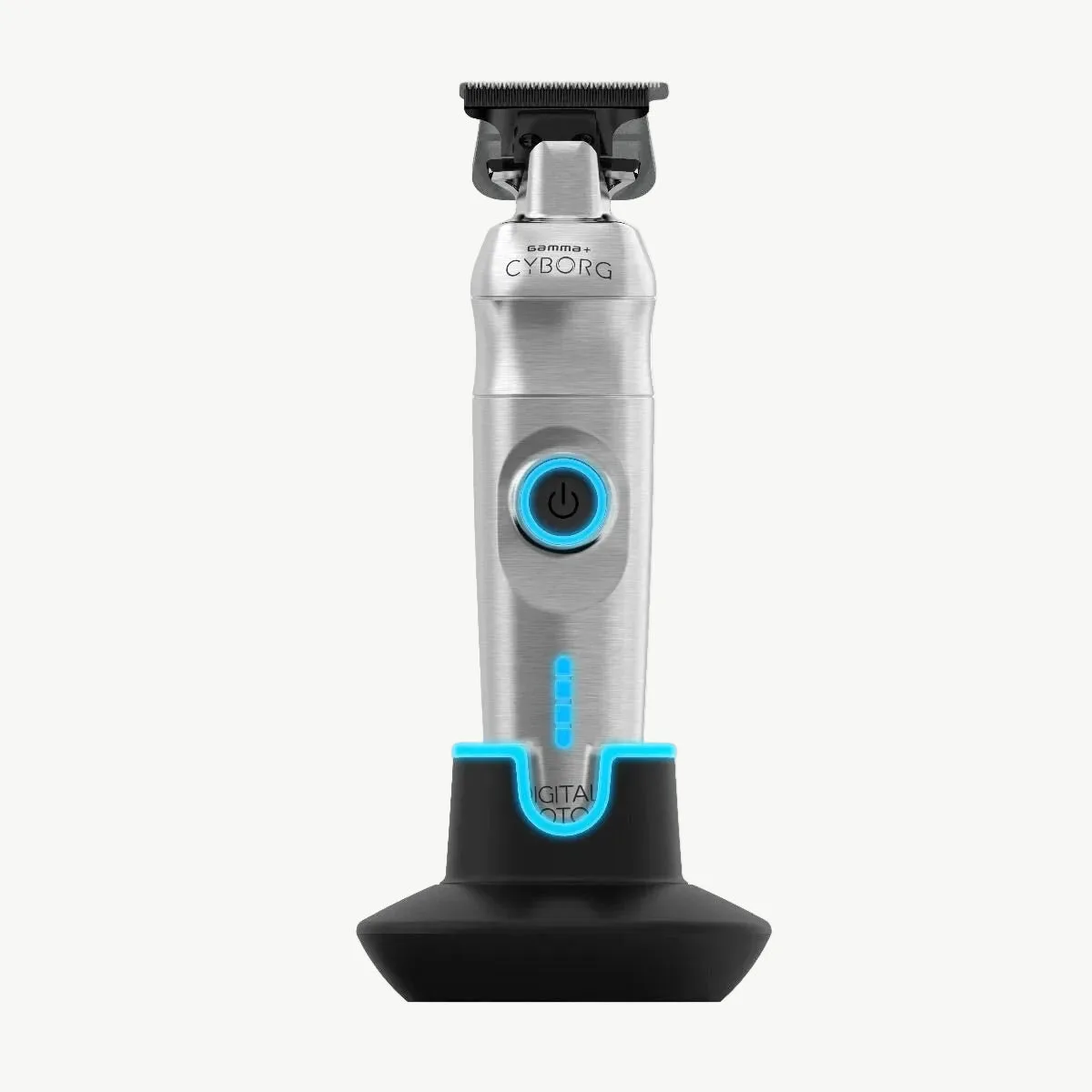
- Cyborg Professional Metal Hair Trimmer: This trimmer offers more efficient power transfer, resulting in smoother operation and reduced heat, with high torque density and low vibrations. A trimmer that runs cooler and vibrates less is easier to set down on a mat without it walking, which is why grip and stability matter.
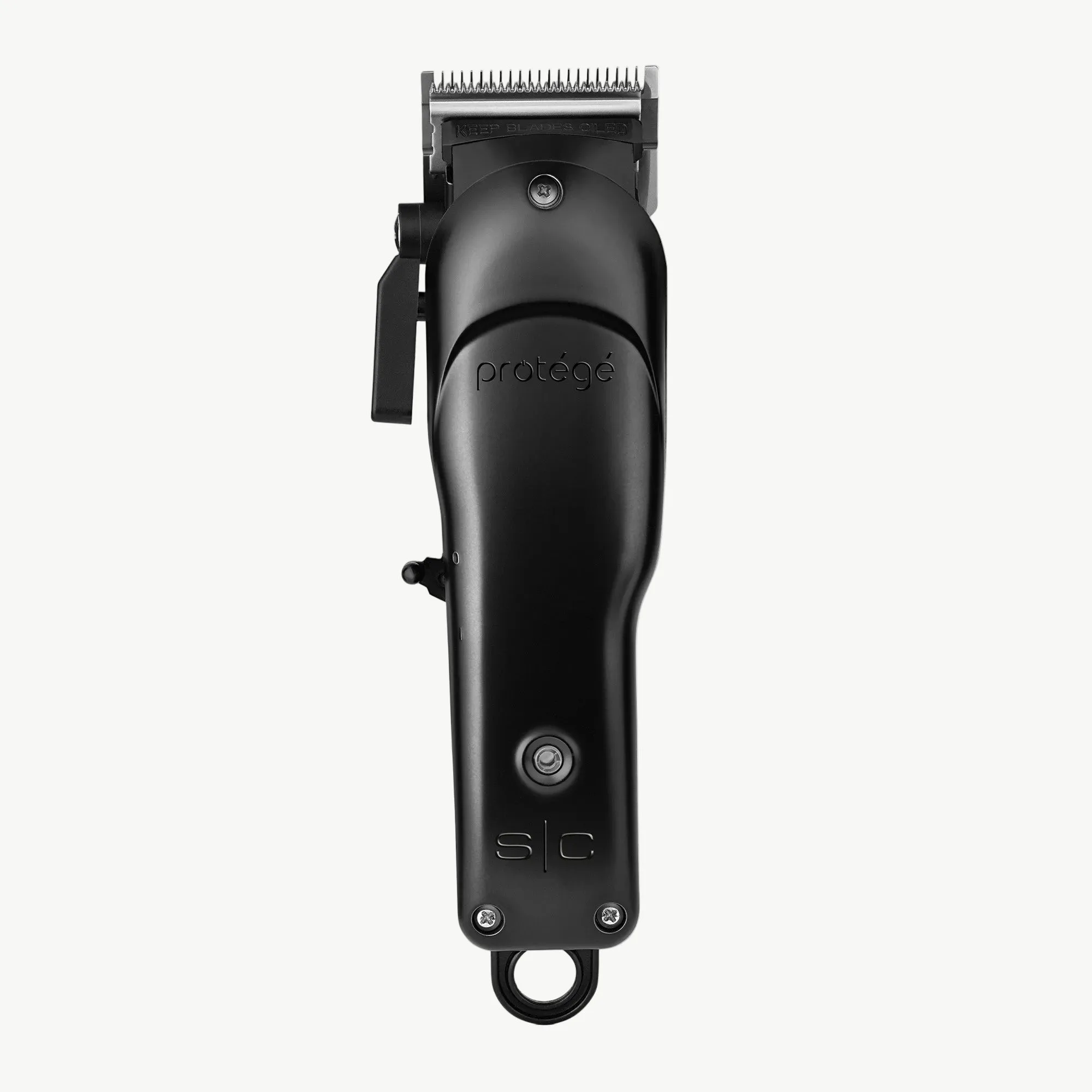
- Protégé Professional Hair Clipper: The Protégé Clipper features a rotary motor running up to 7,000 RPM and a Lithium-ion battery delivering up to 240 minutes of run-time. Long run-times mean the clipper stays on the mat for most of the day, so choose a mat that resists oil and wipes clean quickly.
Who should buy which barber mat
Best for
- Barbers with a fixed station who want a stable, wipe-clean surface for clippers, trimmers, and shears.
- Barbers who use a rolling trolley and need a mat sized to the top tray.
- Professionals who sanitize tools at the station and want a non-porous mat that dries fast.
Not for
- Barbers who need a mat to double as a heat-resistant pad for hot tools; check heat ratings separately.
- Mobile barbers who need a mat that folds into a small kit; a rigid mat may be too bulky.
- Anyone who wants a mat to replace a tool holder; a mat organizes a surface but does not store tools.