Quick answer
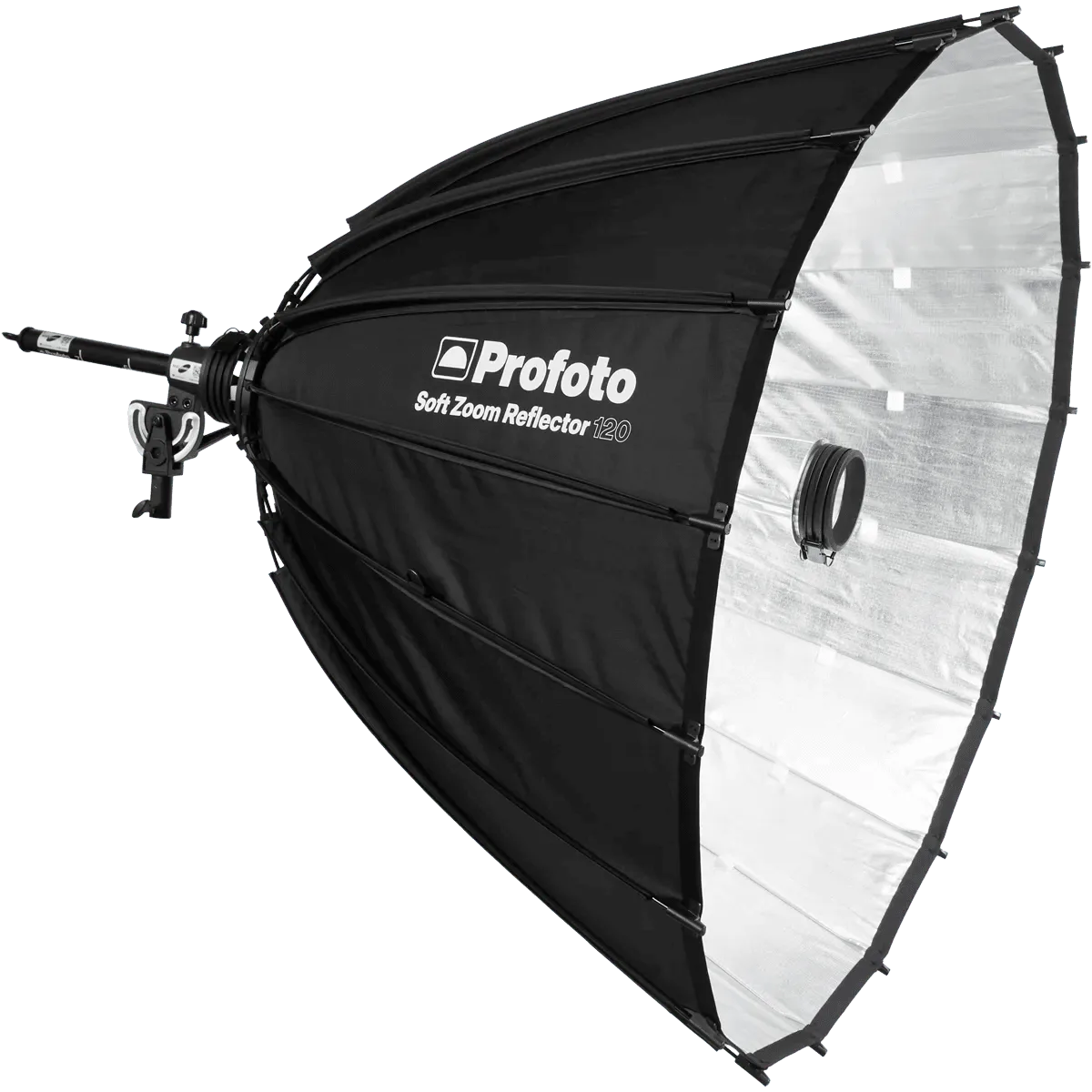
Clean the Profoto Softzoom 120 with a soft, dry microfiber cloth or a vacuum brush on low suction; never use water, solvents, or a washing machine. Store it fully dry, loosely folded or flat in its original bag, away from direct sunlight and heavy objects. These two habits prevent the most common rental damage: fabric creasing, seam stress, and surface contamination.
What actually damages a Softzoom 120
The Softzoom 120 is a 120 cm light modifier designed for Profoto lighting systems. Its size makes it effective for broad, even light, but that same surface area makes it vulnerable to three things: careless folding, damp storage, and abrasive cleaning. Most damage is not caused by one big accident but by repeated small stresses. A softbox that is folded the same way every time will fail along the same seam or rod channel. Dust left on the fabric can bake into the coating under modeling light heat. Moisture trapped in a folded modifier encourages mildew and weakens the reflective lining.
The practical rule is simple: treat the fabric like a lens coating, not like a bedsheet. You are not trying to sterilize it. You are trying to remove loose dust and prevent creases without abrading the reflective surface or stressing the seams.
Cleaning steps that won't wreck the fabric
Start with the softbox fully assembled or at least fully open. Use a soft, dry microfiber cloth or a clean vacuum brush attachment on the lowest suction setting. Work from the center outward in gentle strokes. For stubborn dust near the seams, a soft-bristled makeup brush or a photographer's blower works better than pressure. If you are dealing with a rental unit, do not attempt to remove the fabric from the rods or frame unless the rental agreement explicitly allows it. Disassembly is where most accidental tears happen.
Do not use water, glass cleaner, alcohol, or any solvent. These can strip the reflective coating or leave residue that attracts more dust. If the fabric has a visible stain, stop and contact the rental provider. A stain you try to fix yourself is a damage charge you could have avoided. For everyday use, a dry wipe after each shoot is enough to keep the modifier in good condition.
Storage that prevents creasing and mildew
The Softzoom 120 should be stored completely dry. If you used it outdoors in damp conditions, let it air-dry fully open in a shaded, well-ventilated room before folding. Never pack it away wet, even for a short drive. Once dry, fold it loosely along the existing crease lines rather than forcing new ones. The original bag or a breathable cotton pillowcase is better than a sealed plastic bin, which can trap moisture.
Store the modifier flat or standing on its edge, not compressed under other cases. Direct sunlight will fade and weaken the fabric over time, so a closet or gear shelf is better than a car trunk. If you are storing it for more than a few weeks, check it monthly for any sign of dampness or insect activity. A dry, dark, and uncompressed location is the goal.
When to stop and choose a different tool
If the Softzoom 120 has a tear longer than a few centimeters, a broken rod, or a persistent musty smell, do not try to repair it yourself. Those are signs that the modifier needs professional service or replacement. For rental units, report the issue immediately. Continuing to use a damaged modifier risks light leaks, uneven output, and further damage that increases your liability.
If your shoot requires a modifier that can be packed tight, handled roughly, or used in rain, a softbox like the Softzoom 120 is the wrong choice. Consider a smaller, more rugged modifier or a different rental option for those conditions. The Softzoom 120 is best for controlled studio or location work where it can be handled with care.
Diagnosis: symptom, cause, and action
- Symptom: fine dust on the reflective surface: Cause: normal studio use and static attraction. Action: wipe gently with a dry microfiber cloth or vacuum on low suction. Do not use water or solvents. If dust returns immediately, check your storage area for airborne particles or nearby fabric shedding.
- Symptom: visible crease lines that won't relax: Cause: folding along new lines or storing under weight. Action: open the softbox fully and let it rest in a warm, dry room for a few hours. Store loosely folded or flat in the future. If creases remain after resting, the fabric may have taken a permanent set; report it to the rental provider before your next shoot.
- Symptom: musty smell or damp feel: Cause: packed away before fully dry. Action: air-dry completely open in a shaded, ventilated space. Do not use heat. Once dry, store with a desiccant pack if humidity is high. If the smell persists after drying, mildew may have set in; stop using the modifier and contact the rental provider.
Rental product facts
- PROFOTO SOFTZOOM 120: The Profoto Softzoom 120 is a 120 cm light modifier available from Matphoto as a rental item, designed for use with Profoto lighting systems. The large surface area means more fabric to keep clean and crease-free, so storage and handling habits matter more than with a small reflector.
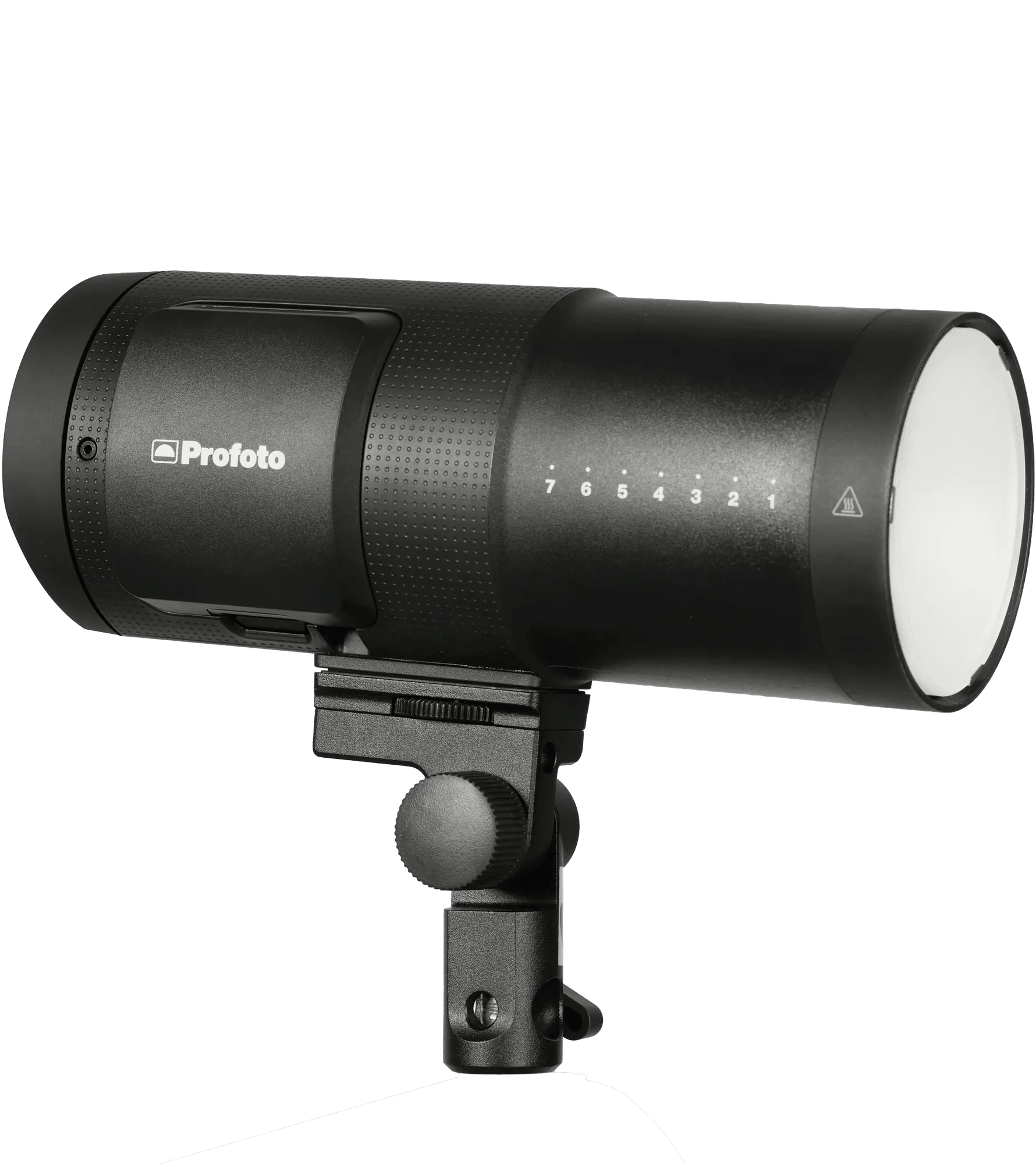
- PROFOTO B30 500J - KIT: The Profoto B30 500J kit offers Eco, Boost, and Freeze modes with flash durations down to 1/9,800 s in Freeze mode. If you pair the Softzoom 120 with this pack, the fast flash durations can help freeze motion, but the modifier's fabric still needs the same dry, dust-free care to avoid hot spots or coating damage.