Quick answer
Choose progressive lenses if you want one pair of glasses for distance, intermediate, and near vision without a visible line, and you are willing to adapt for a few days. Choose bifocals if you prefer a distinct reading segment, need the widest possible near zone, or want a lower-cost option. For most first-time presbyopia wearers, progressives are the more versatile choice.
How the two lenses actually differ
Bifocals have two distinct zones: a large upper area for distance and a smaller lower segment for near. The line between them is visible and creates a jump in vision when you look down. Progressive lenses blend distance, intermediate, and near powers into one smooth surface with no line, but the transition zones at the sides can cause slight blur or swim.
The practical difference is where you get clear vision. Bifocals give you a wide, stable reading area but nothing for computer distance. Progressives add an intermediate zone for laptops and dashboard displays, which is why they are often called the best lenses for presbyopia when you need all distances.
Progressive lens pros and cons
Pros: no visible line, seamless appearance, one pair for most tasks, and a more youthful look. Cons: higher cost, a learning curve, and reduced peripheral clarity. You must point your nose at what you want to see, especially when reading or walking downstairs.
Adaptation usually takes a few days to two weeks. If you try progressives and feel dizzy, the issue is often frame fit or lens design, not the concept itself. A qualified optician can adjust the fitting height and choose a corridor length that matches your posture.
Bifocal pros and cons
Pros: lower cost, immediate adaptation for many wearers, and a strong, wide near zone for reading. Cons: the visible line, no intermediate vision, and image jump at the segment edge. Bifocals are a solid choice if you spend most of your day reading or doing close work and rarely use a computer.
Some people find bifocals easier because the reading area is always in the same place. That predictability is valuable if you switch between tasks quickly and do not want to hunt for the sweet spot.
Cost and value: bifocal vs progressive
Bifocals generally cost less than progressives because the manufacturing process is simpler. However, the price gap has narrowed, and many optical shops now include anti-reflective coatings and thinner materials in both options. When comparing quotes, ask for the total price with coatings, not just the base lens.
If budget is tight, bifocals can be the practical pick. If you need intermediate vision for work, progressives may save you from buying a second pair of computer glasses, which can offset the higher upfront cost.
Frame fit matters more than the lens type
Both bifocals and progressives need a frame with enough vertical height to fit the reading zone. A very shallow frame can cut off the near area, forcing you to tilt your head. For progressives, the frame should sit close to your face and the pupils should be centered horizontally.
When you order glasses, bring your old pair and tell the optician how you use your eyes: reading, computer, driving, or a mix. That information determines the fitting height and corridor. A well-fitted frame can make a basic progressive feel better than a premium lens in a poorly fitted frame.
Adaptation tips that actually help
Wear your new glasses full-time for the first week. Do not switch back to old glasses for reading, because your brain needs consistent input. When looking down stairs, lower your chin rather than your eyes. When reading, move your head, not just your eyes.
If you still struggle after two weeks, go back to your optician. They can check the fitting height, adjust the frame, or recommend a different lens design. Most adaptation problems are solvable with a small adjustment.
Trade-offs at a glance
- Vision range: Progressives cover distance, intermediate, and near. Bifocals cover distance and near only. If you use a computer or look at a dashboard, progressives are the more practical choice.
- Adaptation: Bifocals are often easier to get used to because the reading zone is always in the same place. Progressives require you to point your nose at what you want to see. If you dislike head movement, bifocals may feel more natural.
- Appearance: Bifocals have a visible line. Progressives look like single-vision lenses. If cosmetic preference matters, progressives win.
- Cost: Bifocals typically cost less. Progressives cost more but can replace a separate pair of computer glasses. Compare total price with coatings, not just the base lens.
Frames that work well with multifocal lenses
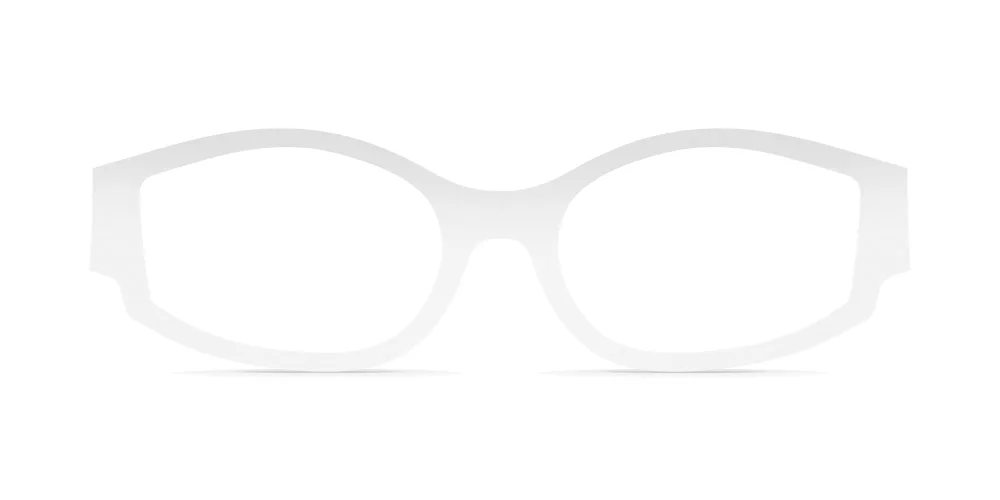
- ADELA: Nina Mûr Adela is a handcrafted wooden frame from Madrid, made with responsibly sourced birch wood and a multi-layer lamination process. It is lightweight and available with customizable color, nosepad, and temple options. The lightweight build reduces pressure on the nose, which helps when you wear progressives all day. Customizable temples and nosepads let you fine-tune the fit so the lens sits at the correct height.
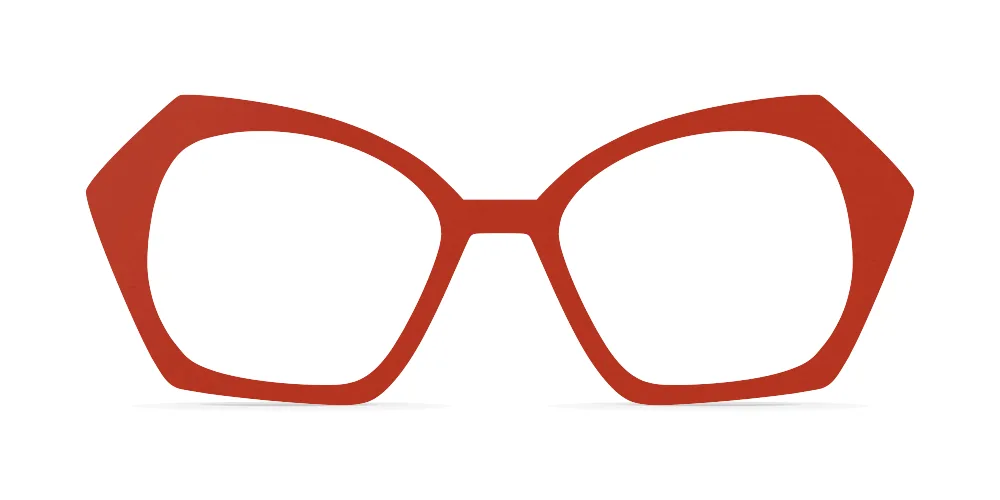
- LYNCH: Nina Mûr Lynch is another handcrafted wooden frame from the same Madrid workshop, using responsibly sourced birch wood and a multi-layer lamination process. It offers the same color, nosepad, and temple customization. If you prefer a different shape but want the same lightweight feel, Lynch gives you an alternative without sacrificing adjustability. The customizable nosepad is especially useful for keeping a progressive lens centered.
Which should you choose?
Choose progressive lenses if you:
- Need clear vision at distance, on a computer, and for reading
- Want a seamless look without a visible line
- Are willing to adapt for a few days
- Use one pair of glasses for most of the day
Choose bifocals if you:
- Prefer a wide, stable reading zone and rarely use a computer
- Want the lowest-cost option
- Have tried progressives and could not adapt
- Need a simple, predictable reading segment