Quick answer
For most portrait work, a strobe delivers more power and freezes motion, making it ideal for fast-paced sessions. A continuous LED like the ProMaster Ultrasoft US1014B is better for beginners, video, and situations where you need to see the light before you shoot.
How continuous LED and strobe lighting differ in practice
Continuous LED panels emit light constantly, so what you see is what you get. You can adjust the light's position and intensity while watching the shadows on your subject's face, which shortens the learning curve. Strobes, by contrast, fire a brief burst of intense light only when you press the shutter. That burst is far brighter than a continuous source of the same wattage, letting you use smaller apertures or lower ISO. But you cannot preview the exposure without taking a test shot, and modeling lights on strobes are often dimmer than the flash itself.
Exposure control and motion freezing
With a continuous LED, your shutter speed directly controls how much ambient light reaches the sensor, but it also affects motion blur. If your subject moves, a slow shutter speed will smear the motion unless you raise ISO or open the aperture. A strobe's brief flash duration, often 1/1000 second or faster, freezes motion regardless of shutter speed, which is a major advantage for photographing children, pets, or anyone who fidgets. On the other hand, continuous LED lets you use a wider aperture in bright ambient light because you are not limited by sync speed. For still subjects and controlled studio conditions, both can work well.
Color consistency and bi-color flexibility
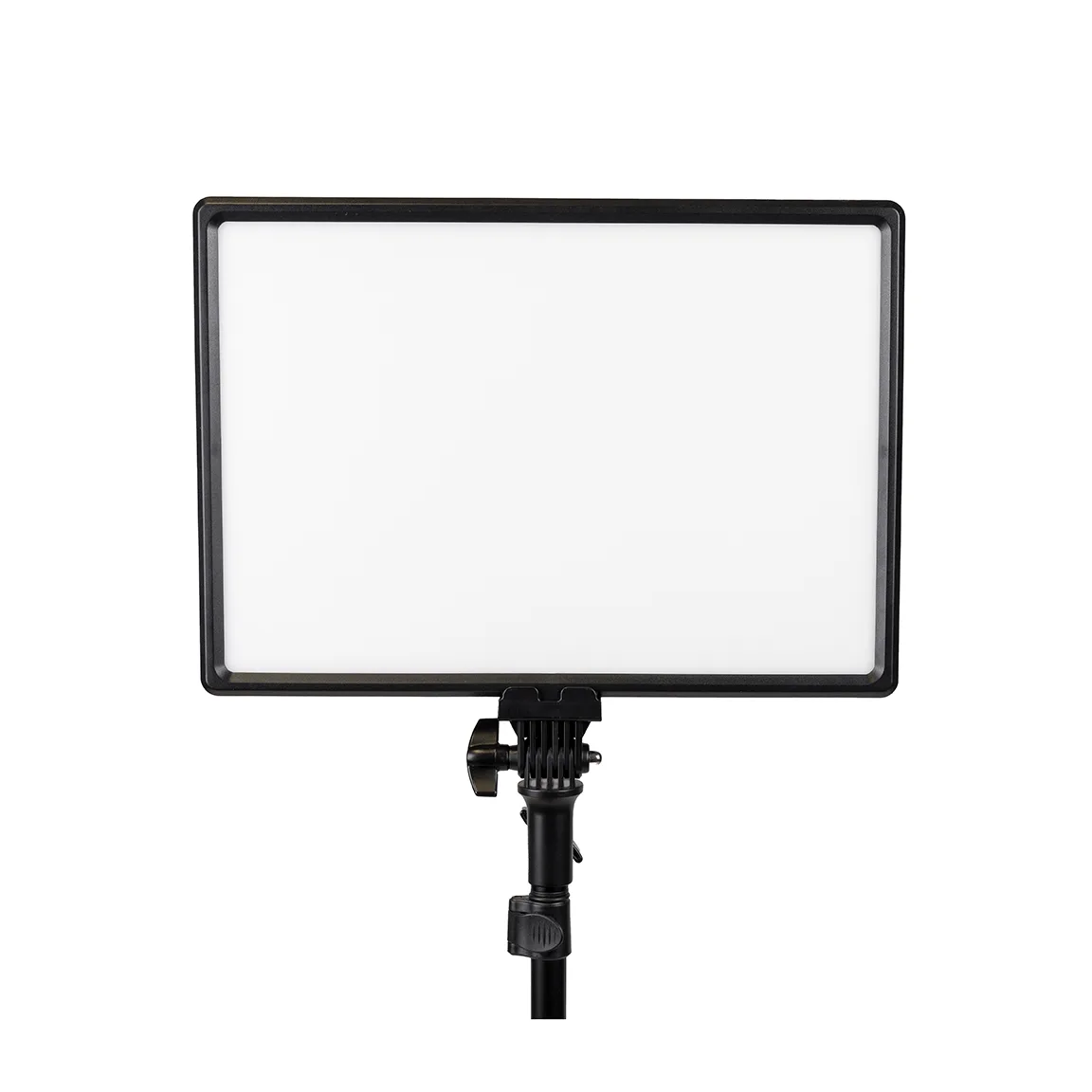
The ProMaster Ultrasoft US1014B is a bi-color LED, meaning you can adjust the color temperature from warm to cool without gels. That is handy when mixing with ambient light or shooting video. Strobes typically have a fixed color temperature, often around 5500K, and you need gels to change it. If you frequently switch between tungsten and daylight environments, a bi-color LED saves time. However, strobes are generally more consistent shot-to-shot in color output, which matters for product or fashion work where precise color matching is critical.
Power, modifiers, and portability
Strobes pack more punch per dollar, so you can use large softboxes or bounce light off high ceilings without straining. Continuous LEDs are less powerful; you may need to place them closer or use them in darker rooms. The Ultrasoft US1014B is a 10"x14" panel, so it is relatively compact and easy to carry, but its softness depends on distance. Strobes with a softbox can be equally soft, but the setup is bulkier. If you shoot on location with limited space, a continuous LED panel may be more practical.
Trade-offs at a glance
- Continuous LED: You see the exact lighting and shadows in real time, which speeds up learning and works for both photo and video. Choose this if you are a beginner, shoot video, or need to adjust lighting without test shots.
- Strobe: Delivers more power and freezes motion with a brief flash, but you cannot preview the exposure without a test frame. Choose this if you photograph moving subjects, need large modifiers, or work in bright environments.
- Hybrid approach: Use a continuous LED as a modeling or fill light alongside a strobe for key light, combining preview and power. Best for photographers who want the benefits of both but are willing to manage two light types.
Product facts
- ProMaster Ultrasoft US1014B LED Light – Bi-Color 10″x14″: Bi-color 10"x14" LED panel with adjustable color temperature. Lets you match ambient light or create warm/cool looks without gels, and the compact size suits small studios or location work.
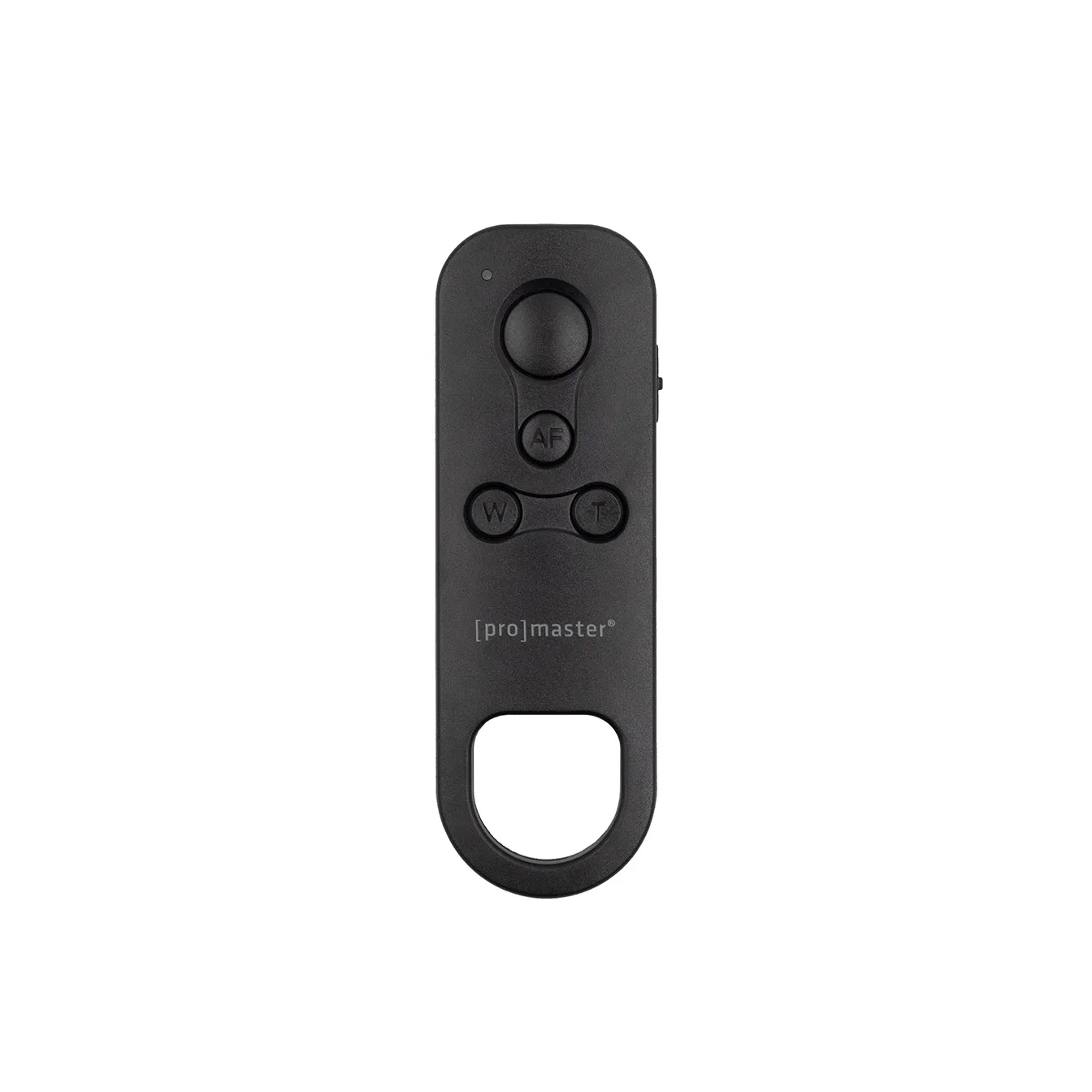
- ProMaster Wireless Bluetooth Remote Control for Canon BR-E1: Wireless Bluetooth remote control for Canon cameras. Useful for triggering your camera remotely when using continuous lighting, so you can adjust lights and shoot without moving back and forth.
Which lighting is right for you?
Best for
- Beginners who want to learn lighting by seeing it
- Video creators who need continuous output
- Small studios or location shoots with limited space
Not for
- Photographers who need to freeze fast motion in bright light
- High-volume studio work requiring large softboxes and maximum power
- Those who prefer to work without test shots or chimping