What the Cosmolux GSP 9K90 F71 100w Lamps Fit
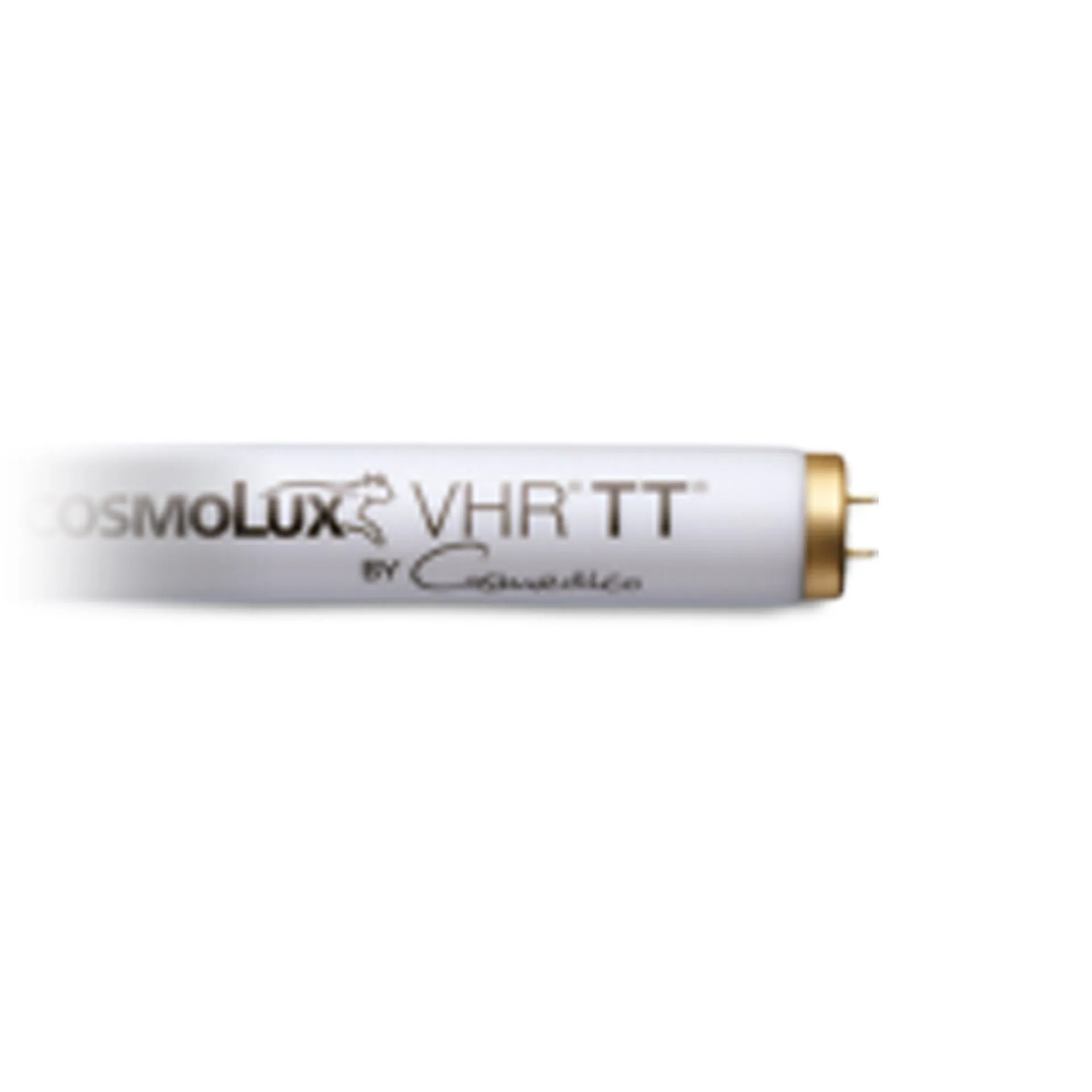
The ProSun Cosmolux GSP 9K90 F71 100w #10990 is a bi-pin tanning lamp designed for specific low-pressure tanning beds. Its F71 size and 100-watt rating mean it fits fixtures that accept bi-pin (not single-pin or RDC) lamps of that length and wattage. The supplied information confirms it is compatible with both home and commercial beds, and it works directly with original VLR (#18810) and VLR TT (#15212) lamp holders.
Before ordering, double-check that your bed uses bi-pin sockets and that the lamp length matches your existing F71 tubes. This lamp is not a drop-in replacement for single-pin or different-wattage systems.
Key Specifications at a Glance
-
ProSun Cosmolux GSP 9K90 F71 100w #10990 Bi-Pin Tanning Lamps: Bi-pin connection, F71 size, 100 watts. Confirms the physical and electrical fit for beds with bi-pin sockets and F71 lamp length.
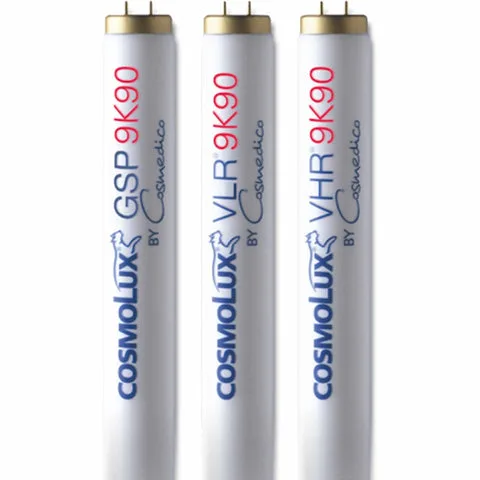
ProSun Cosmolux GSP 9K90 F71 100w #10990 Bi-Pin Tanning Lamps
-
ProSun Cosmolux GSP 9K90 F71 100w #10990 Bi-Pin Tanning Lamps: UVA Flux, UVB Flux, Total UV. Follow the supplied product instructions for specific values. Provides a reference for UV output; useful when comparing with your current lamp's performance.
-
ProSun Cosmolux GSP 9K90 F71 100w #10990 Bi-Pin Tanning Lamps: Rated hours +1500, typical exposure time 16-24 minutes. Gives a realistic lifespan and session duration range for planning replacement intervals.
Compatibility Checklist
To confirm fit, verify these points:
Your bed uses bi-pin lamp sockets (not single-pin or RDC).
The lamp length is F71.
The bed's ballast or transformer supports 100-watt lamps.
The lamp holder is original VLR (#18810) or VLR TT (#15212) — the Cosmolux GSP is confirmed compatible with both.
What Makes This Lamp Different
The Cosmolux 9K90 technology uses a four-phosphor blend (US Patents 7,122,952 and 6,984,931) to deliver high UVA output with UV maintenance above 90% at 100 hours. Its spectral peak is shifted to about 365 nm, which the manufacturer describes as mirroring filtered high-pressure lamps. This means you get high-pressure-like results from a low-pressure lamp, but the trade-off is that it requires a compatible ballast and socket type — it won't work in every bed.
Trade-Offs to Consider
The main trade-off is compatibility: bi-pin lamps are less common than single-pin in some older beds, so you must verify your socket type. Additionally, the 100-watt rating may not match beds designed for other wattages. The 16-24 minute exposure time is typical for high-output lamps, but if you are used to shorter sessions, this may feel longer. On the plus side, the rated life is competitive for a high-UVA lamp.