Quick answer
Keep gear below roughly 60% relative humidity and above 40%: too damp grows fungus, too dry cracks lubricants and rubber. The reliable routine is to dry everything after every outing, store it in a sealed container with a hygrometer, and recharge or replace your desiccant on a schedule. A dry cabinet removes the guesswork if you own several lenses or live in a consistently wet climate.
Why humidity attacks cameras and lenses
Fungus spores are already in the air around you. They only bloom when relative humidity stays high and air sits still, which is exactly what happens inside a closed camera bag in a tropical or coastal climate. Once fungus etches the coatings and glass inside a lens, cleaning cannot reverse it — the damage is permanent, and a repair shop can only polish or replace elements at significant cost.
The same damp conditions corrode metal contacts, encourage mold on leather and rubber grips, and can fog internal electronics. The fix is not to seal gear away forever; it is to control the air around it. A simple hygrometer costs little and turns guesswork into a number you can act on.
Step 1: Dry every item before it goes back in the bag
Condensation is the enemy, not rain alone. When you bring a cold camera into a warm, humid room, moisture beads on and inside it. Wipe the body and lens barrels with a dry microfiber cloth, extend zoom and focus rings to their full travel and wipe the exposed sections, then leave everything uncapped and unbagged on a shelf for 30 to 60 minutes so trapped air can escape.
Common mistake: zipping a damp camera straight into a padded bag. That bag becomes a miniature greenhouse overnight. Checkpoint: if the lens front element still fogs when you breathe near it, it is not dry yet.
Step 2: Choose your storage method — dry cabinet or desiccant
A dry cabinet is an electric box that holds a set humidity, typically adjustable between about 40% and 50%. It costs more upfront and needs power, but it maintains conditions automatically and gives you a readout. Desiccant packs are cheap, silent, and portable, but they saturate and must be recharged or replaced — often every few weeks in a wet climate.
The honest tradeoff: desiccant is fine for one body and one lens in a sealed box you check regularly. If you own several lenses or the humidity rarely drops, a dry cabinet pays for itself by removing the maintenance chore. Either way, add a small hygrometer inside the container so you are reacting to a number, not a feeling.
Step 3: Build a sealed storage box that actually works
Use a gasketed plastic storage bin or a hard case with a rubber seal. Place a layer of desiccant at the bottom, then a breathable divider so gear never sits directly on the packs. Keep the box out of direct sun and away from exterior walls, which stay cooler and condense more moisture.
Common mistake: stuffing the box so full that air cannot circulate. Leave gaps between lenses. Checkpoint: open the box once a week, smell the air, and read the hygrometer. A musty smell means you are already behind.
Step 4: Recharge desiccant on a fixed schedule
Silica gel changes color or comes with an indicator card when it is spent. Rechargeable packs go into an oven at low heat for the time stated on the packet, or you simply replace disposable packs. Mark the date on the calendar; in a humid climate, monthly is a realistic starting interval, and weekly during the rainy season.
Common mistake: assuming desiccant lasts forever because the box still feels dry. Saturated packs stop absorbing and can even release moisture back into the air. Checkpoint: if the hygrometer climbs above 60%, recharge or replace immediately.
Step 5: Give lenses extra attention between shoots
Lenses are the most vulnerable item because fungus grows on internal glass where you cannot see it until it is advanced. Store lenses with caps on but not in tight neoprene pouches, which trap moisture against the barrel. If you shoot in rain or at the coast, dry the outside of the lens before it goes anywhere near the storage box.
Common mistake: leaving a lens attached to a body in a bag for weeks. Separate them when storing long-term so air moves around both. Checkpoint: shine a small flashlight through a lens from the rear once a month. Any faint spiderweb pattern or haze means isolate that lens and have it serviced before it spreads.
Step 6: Use gear in the field without making it worse
Let a cold camera warm up inside its closed bag before you open it in a humid room — this slows condensation on the glass. Carry a dry cloth and a couple of small desiccant packs in your bag, and avoid changing lenses in drizzle or sea spray where moisture can enter the mount.
Common mistake: blasting a fogged lens with a hair dryer. Heat can damage coatings and lubricants. Checkpoint: let fog clear at room temperature, then confirm the hygrometer in your storage box is still in range before putting the gear away.
Your humid-weather care routine at a glance
- Dry after every outing: Wipe the body and barrel, extend zoom and focus rings, and air gear for 30 to 60 minutes before it goes back in the bag. Checkpoint: no fog when you breathe on the front element.
- Pick your storage method: Use a dry cabinet for multiple lenses or persistent humidity; use sealed boxes with desiccant for one body and lens. Checkpoint: a hygrometer reads between 40% and 50%.
- Seal and separate: Store in a gasketed box with desiccant at the bottom and gaps between items so air can move. Checkpoint: no musty smell when you open the box.
- Recharge desiccant on schedule: Recharge or replace packs monthly in humid climates, weekly during the rainy season, and whenever the hygrometer climbs. Checkpoint: never let the box exceed 60% relative humidity.
- Inspect lenses monthly: Shine a flashlight through each lens and isolate any showing haze or webbing. Checkpoint: suspect lenses get serviced before they share a box.
- Handle field condensation: Let cold gear warm up inside a closed bag, avoid lens changes in spray, and never use direct heat to clear fog. Checkpoint: gear is dry and the storage box is in range before it goes back in.
Gear that fits a humid-climate kit
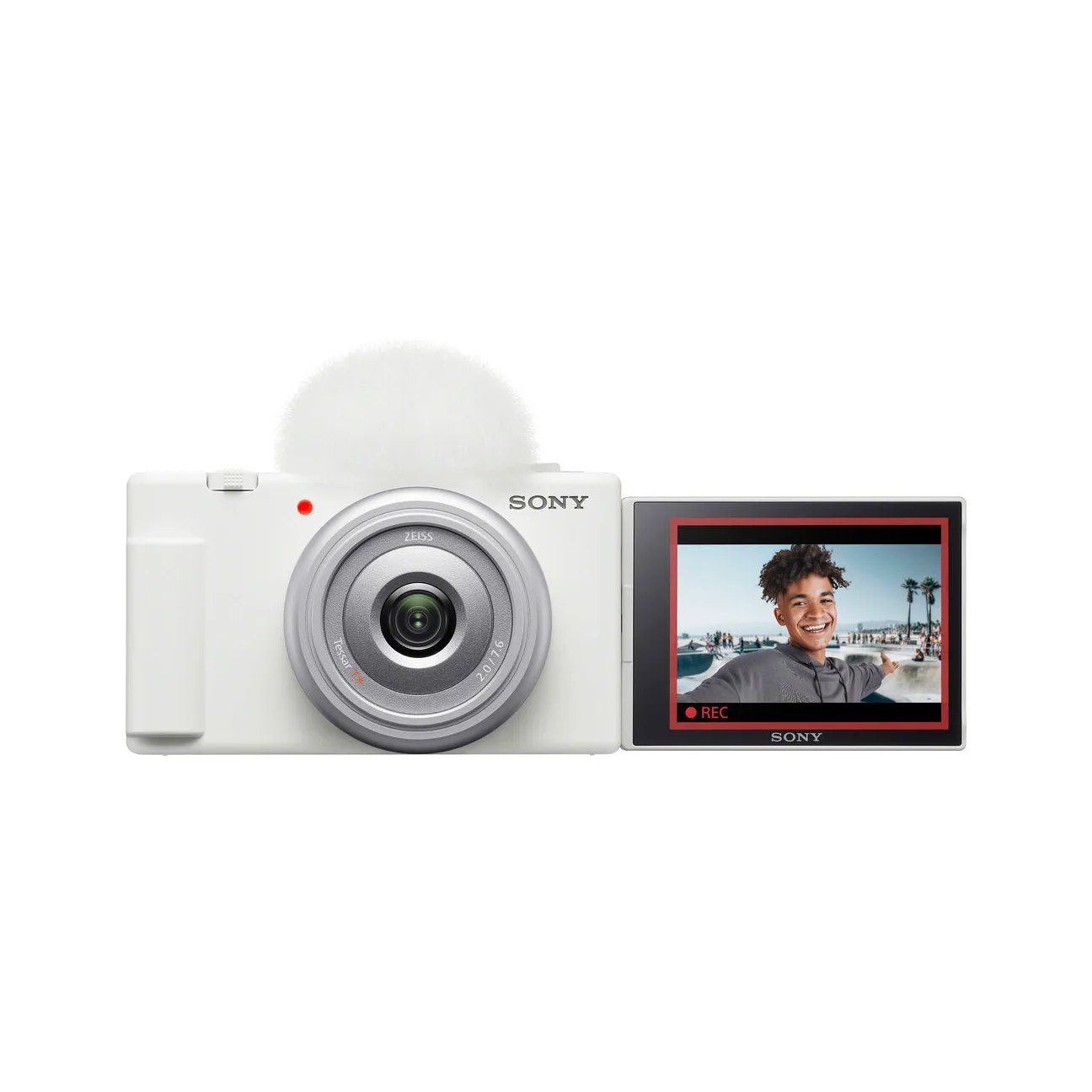
- Sony ZV-1F Vlogging Camera (White): Sony ZV-1F Vlogging Camera (White), catalog price USD 370.76, comparison price USD 598.00. A compact, sealed-body point-and-shoot is easier to keep dry than a camera with an exposed mount, making it a sensible travel body for wet, humid trips.
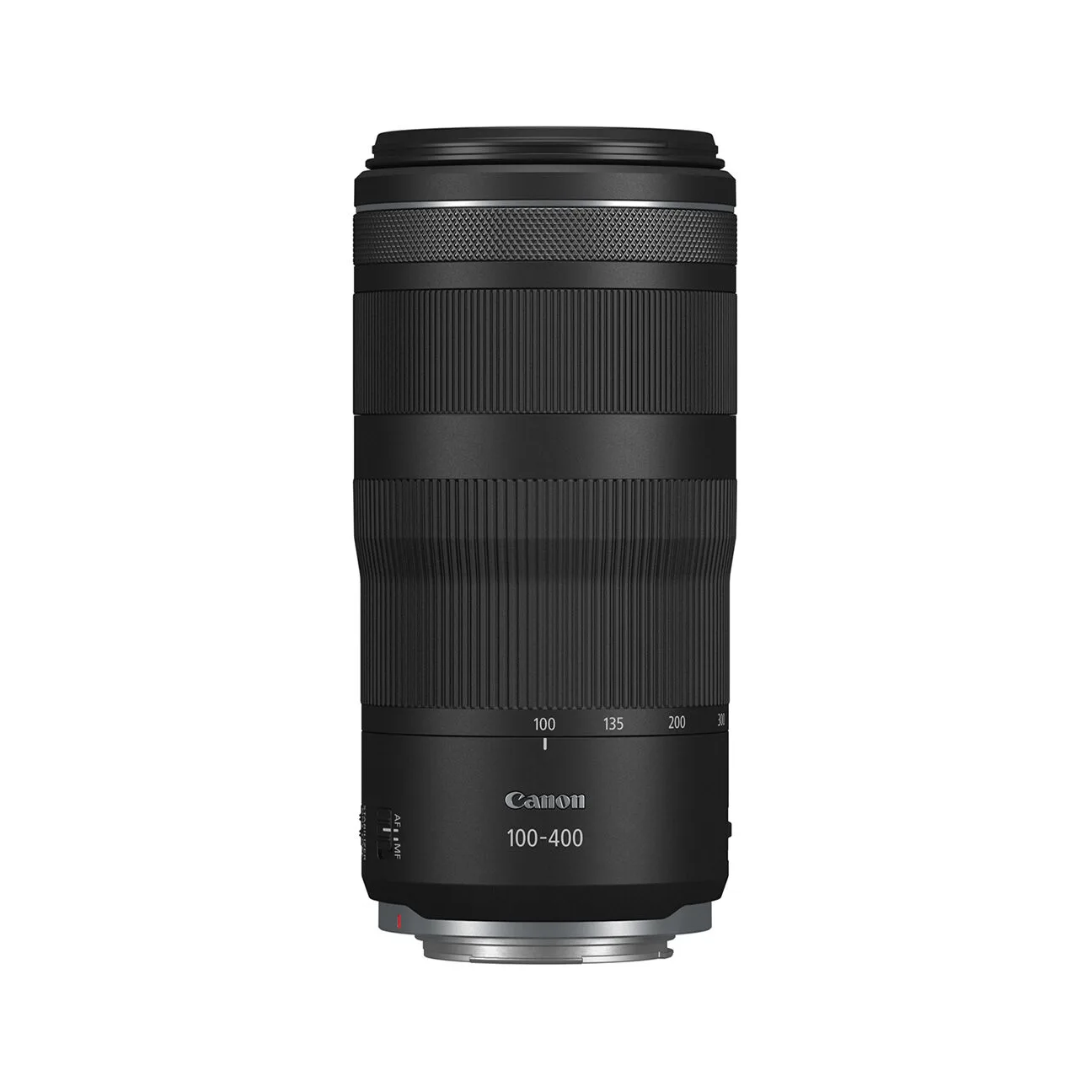
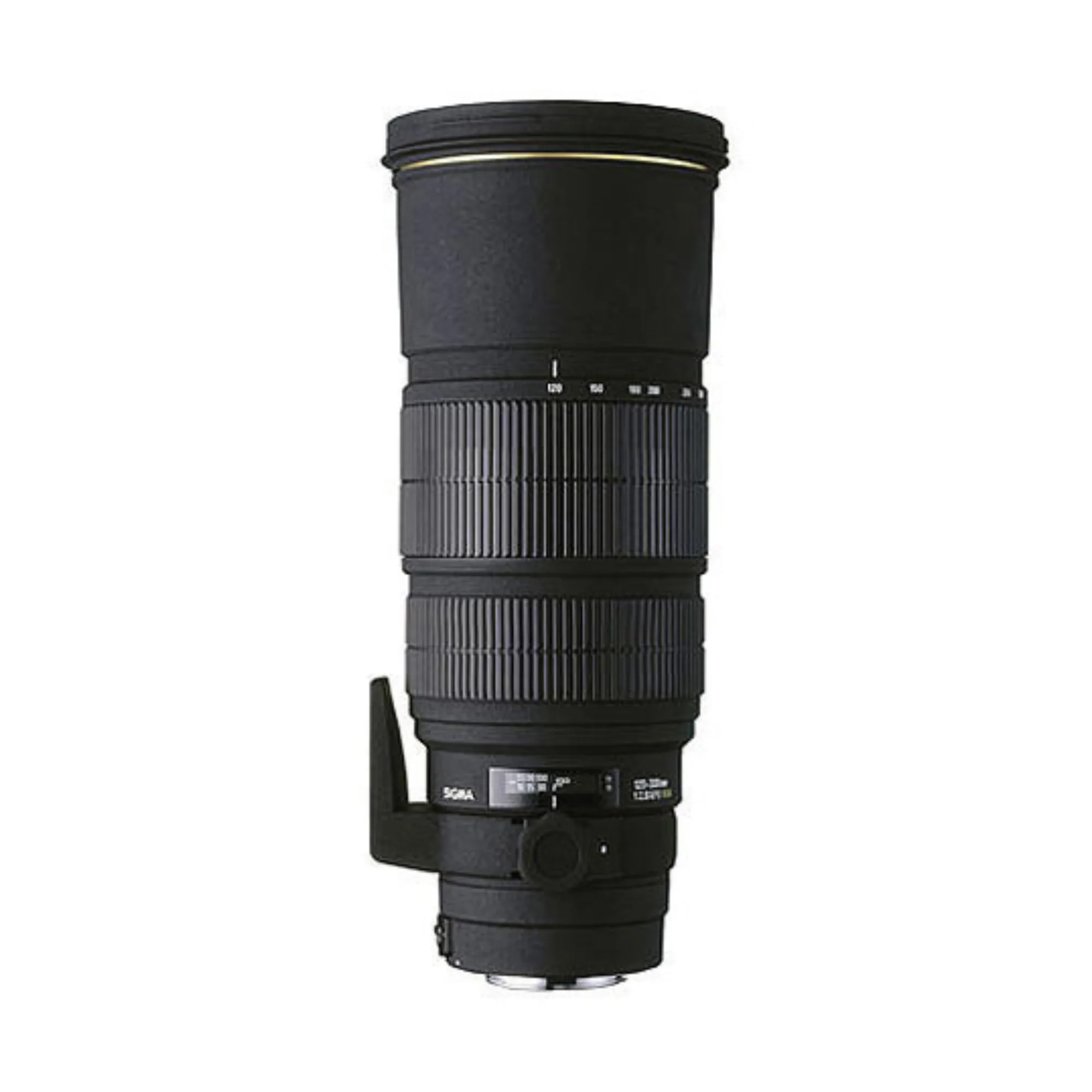
- Canon RF 100-400mm f/5.6-8 IS USM Lens: Canon RF 100-400mm f/5.6-8 IS USM Lens, catalog price USD 449.40, comparison price USD 749.00. A telephoto zoom has long internal air paths, so it benefits most from a controlled dry cabinet rather than a simple desiccant box.
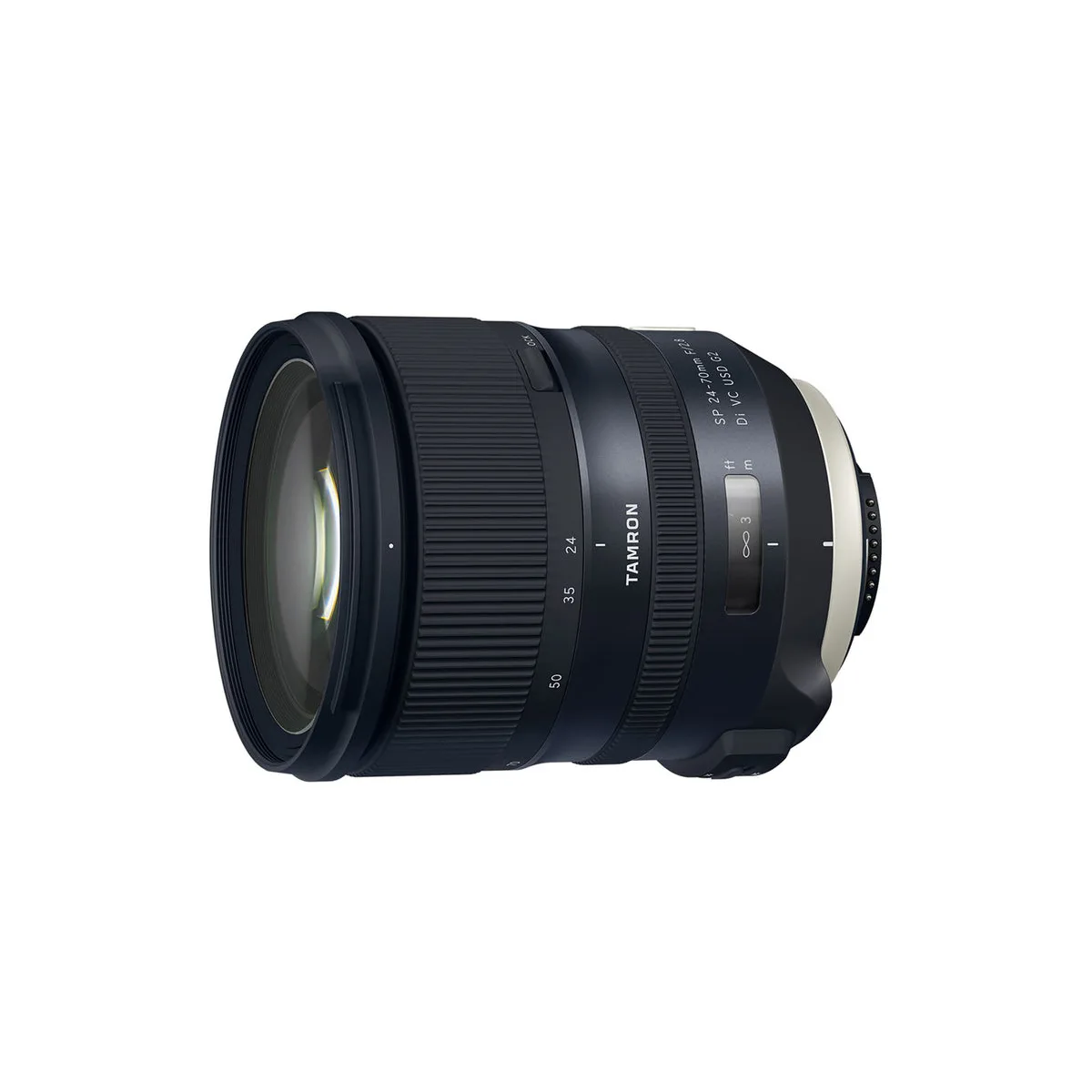
- Tamron SP 24-70mm f/2.8 Di VC USD G2 Lens for Nikon F: Tamron SP 24-70mm f/2.8 Di VC USD G2 Lens for Nikon F, catalog price USD 899.25, comparison price USD 1199.00. A fast standard zoom is a frequent workhorse; store it capped and separated from the body so moisture cannot sit against the mount.