Quick answer
Keep pins and coins shiny by handling them only with clean, dry hands or cotton gloves, storing each piece separately in a soft, airtight holder, and cleaning with a dry microfibre cloth instead of harsh chemicals. The biggest wins are preventing contact with skin oils, moisture, and other metal surfaces.
Why scratches and tarnish happen
Scratches come from friction: coins sliding against each other in a bag, pins rubbing against a lanyard or keys, or a rough cloth dragging across a soft metal finish. Tarnish is a chemical reaction. Copper and its alloys react with oxygen, moisture, and sulphur compounds in the air, which darkens the surface over time. Enamel pins are less prone to tarnish but their metal plating can still dull or corrode if left in humid conditions. Understanding these two different causes helps you choose the right protection for each item.
Handling: the first line of defence
Before you touch any collectible, wash and dry your hands thoroughly. Skin oils and salts are the most common cause of dull spots and fingerprint marks that are hard to remove later. For high-value pieces, wear clean cotton gloves. Avoid holding a coin by its face; grip it by the edge. For pins, hold the metal body rather than the enamel face, and never test the sharp point with your finger — that transfers oil and risks bending the post.
Cleaning without causing damage
Less is more. For routine care, a dry microfibre cloth is enough to remove light dust and fingerprints. If a coin has a stubborn smudge, breathe gently on it and wipe with the cloth — the moisture in your breath is mild and evaporates quickly. Do not use abrasive polishes, vinegar, or baking soda on collectible coins, because they strip the original surface and can reduce value. Enamel pins can be wiped with a barely damp cloth, but dry them immediately to protect the plating.
Storage that actually prevents damage
Individual protection is key. Store each coin in a mylar flip, a hard plastic capsule, or a felt-lined tray with separate compartments. Pins should go into a pin case, a soft roll, or a display board where they do not touch each other. Avoid PVC holders for long-term coin storage because they can release chemicals that tarnish the metal. Keep everything in a cool, dry place away from direct sunlight, radiators, and damp basements. Adding silica gel packets to your storage box helps control humidity.
Displaying without regret
If you want to show off your collection, choose a display case with a glass or acrylic door to keep dust off. Mount pins on a fabric-covered board rather than pushing them into cork, which can leave crumbs on the enamel. For coins, use stands with a soft felt base and avoid direct handling when rearranging. Rotate pieces occasionally so that no single item is exposed to light for months on end.
Your 5-step protection routine
- Prepare your hands and workspace: Wash and dry your hands or put on cotton gloves. Work on a clean, soft surface like a felt mat or a microfibre cloth so a dropped piece lands softly. Checkpoint: never handle collectibles after applying lotion or hand sanitiser.
- Clean gently before storing: Use a dry microfibre cloth to wipe away dust and fingerprints. For coins, avoid liquid cleaners; for pins, a barely damp cloth is fine but dry immediately. Common mistake: rubbing hard to remove a spot — that creates fine scratches.
- Separate every piece: Place each coin in its own capsule, flip, or tray compartment. Put each pin in a soft sleeve or on a display board with space between pins. Checkpoint: nothing should be able to slide against anything else.
- Control the environment: Store your collection in a cool, dry place away from sunlight and humidity. Add silica gel packets to storage boxes and replace them every few months. Common mistake: storing in a basement or attic where temperature and moisture swing widely.
- Review and rotate: Every few months, check for early signs of tarnish or scratches. Rotate displayed items to limit light exposure and catch problems before they worsen. Next step: if you spot tarnish, isolate the piece and consult a professional conservator for valuable coins.
Product facts that matter for care
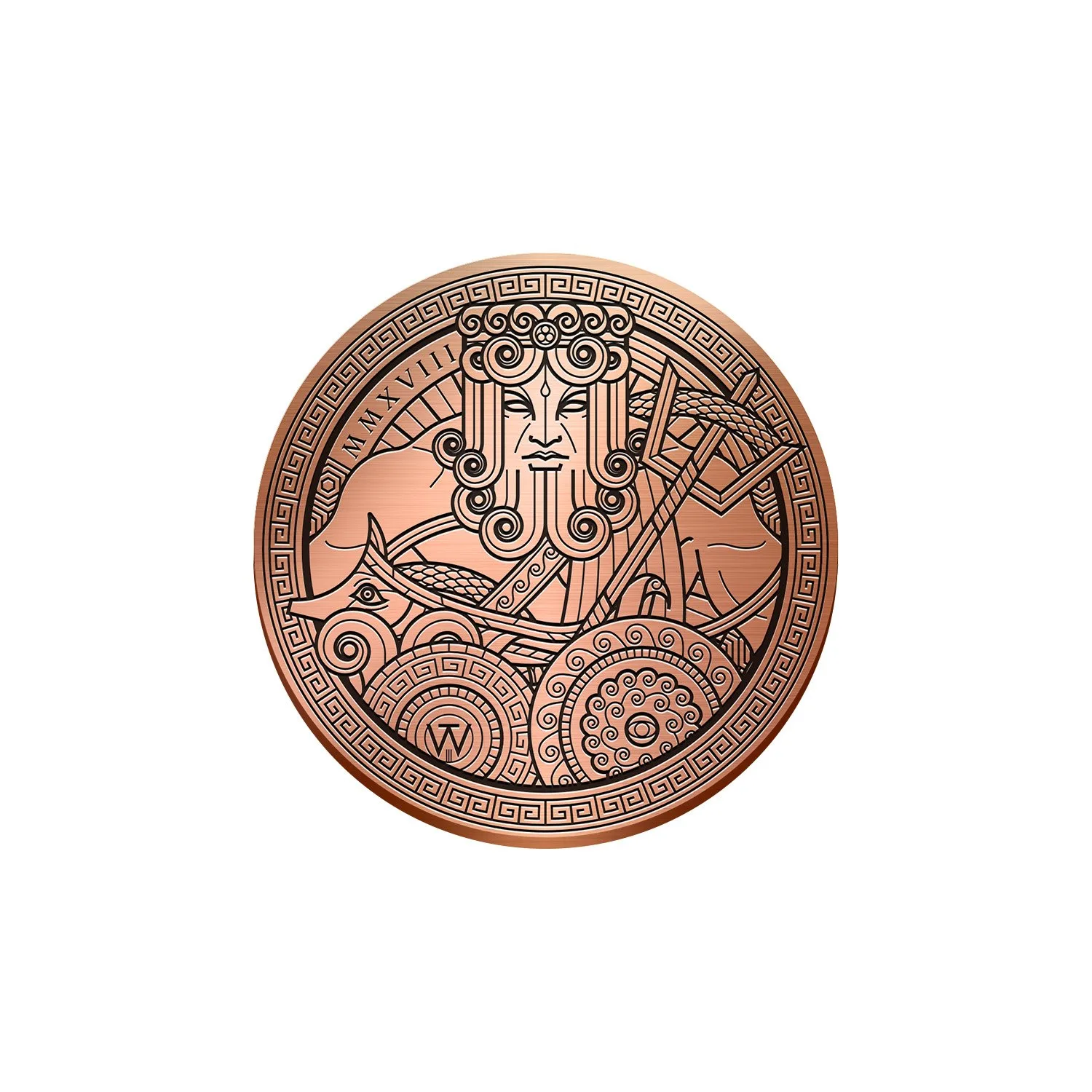
- Neptune Pin: Neptune Pin is an Ancient Copper Finish Limited Edition of 100, size 1.25 inches, made by Coins for Anything. Copper finishes are especially prone to tarnish, so this pin benefits from an airtight display or soft pouch and minimal handling.
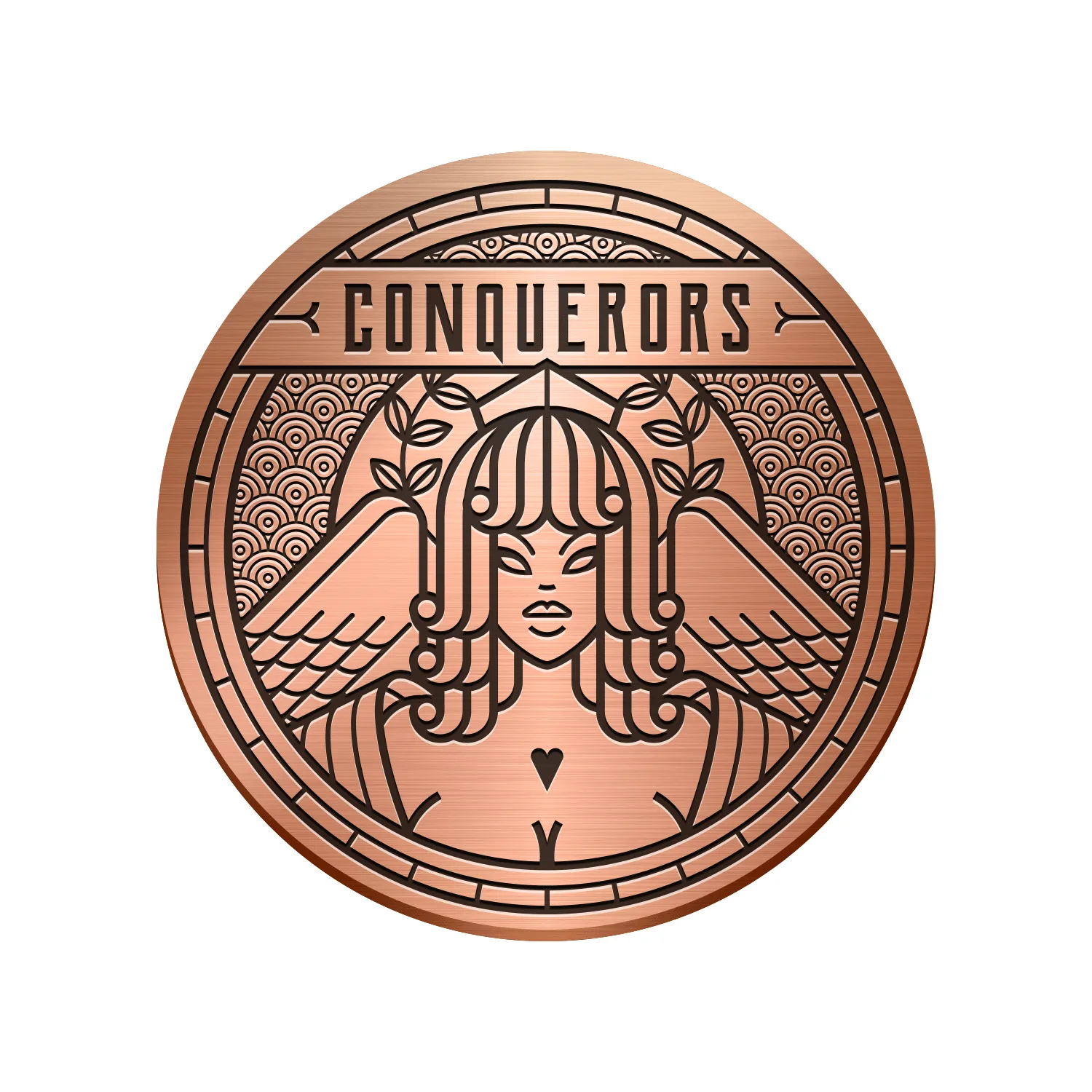
- Mars Sestertius: Mars Sestertius is a solid copper coin, 2 inches, limited to 200, with an ancient finish. Solid copper is heavy and soft; store it separately to avoid scratches from other coins, and keep it dry to slow tarnish.