Quick answer
Keep screen print posters out of direct sun, frame them with UV-filtering glazing and a moisture barrier, and store spares flat in a cool, dry place. Check the room's humidity and light before you hang anything; the wrong wall will do more damage than a bad frame.
Why screen prints react differently than offset posters
Screen printing lays down thicker ink layers than offset printing, so the image sits closer to the paper surface. That thicker ink can fade faster under UV light and can crack or lift if the paper swells from humidity. Paper also expands and contracts with moisture, which is why a poster hung near a bathroom, kitchen, or damp basement may ripple even if it never gets wet. Treat light and moisture as two separate problems and solve both.
Choose a wall that passes the light and moisture test
Before hanging, watch the spot for a day. If direct sun hits the wall at any point, move on. A hallway or interior wall that only gets indirect light is safer. Avoid walls shared with bathrooms, laundry rooms, or exterior walls that feel cold or damp. A simple hygrometer can tell you whether a room stays in a stable, moderate range; if it swings widely, that room is a poor choice for a screen print poster.
Frame with UV glazing and a moisture barrier
Use a frame with UV-filtering glazing, and ask for spacers so the glazing does not touch the print. Add an acid-free backing board and, for humid rooms, a moisture barrier behind the frame. Skip dry mounting or any permanent adhesive; it can ruin the print's value and make future re-framing impossible. If you cannot confirm a material is acid-free and UV-filtering, do not use it.
Store spares flat, not rolled, in a dry place
If you own more than one print, store the extras flat in an acid-free portfolio or between clean boards. Rolling a screen print tight can stress the ink layer and leave curls that never relax. Keep storage away from basements, garages, and attics where humidity and heat spike. Check stored prints once or twice a year for ripples, foxing, or ink lift.
Step-by-step poster protection
- Audit the room before you hang: Track sunlight and humidity for a full day. Use a hygrometer and note any direct sun. Common mistake: assuming a north-facing wall is always safe when nearby reflective surfaces can still bounce UV light onto the print. If the spot fails either test, choose another wall.
- Frame with UV glazing and spacers: Ask for UV-filtering glazing, acid-free backing, and spacers so nothing touches the ink. Common mistake: accepting standard glass and no spacers, which lets the print touch the glazing and trap moisture. No UV rating and no spacers means keep looking.
- Seal the back against humid air: Tape a moisture barrier over the back of the frame in damp rooms. Common mistake: sealing the front but leaving the back open, which lets humid air reach the paper from behind. A frame is only as dry as its least-sealed side.
- Hang away from traffic and vents: Keep the frame off walls near doors, heaters, and air conditioning vents. Common mistake: hanging above a radiator or vent because the wall looks empty, then watching the print ripple within a season. Stable air is as important as low light.
- Store extras flat in an acid-free portfolio: Keep spare prints flat, not rolled, in a cool, dry closet. Common mistake: storing them in a garage or basement where humidity swings and heat build up unnoticed. Check stored prints twice a year for ripples or ink lift.
Product facts that affect care
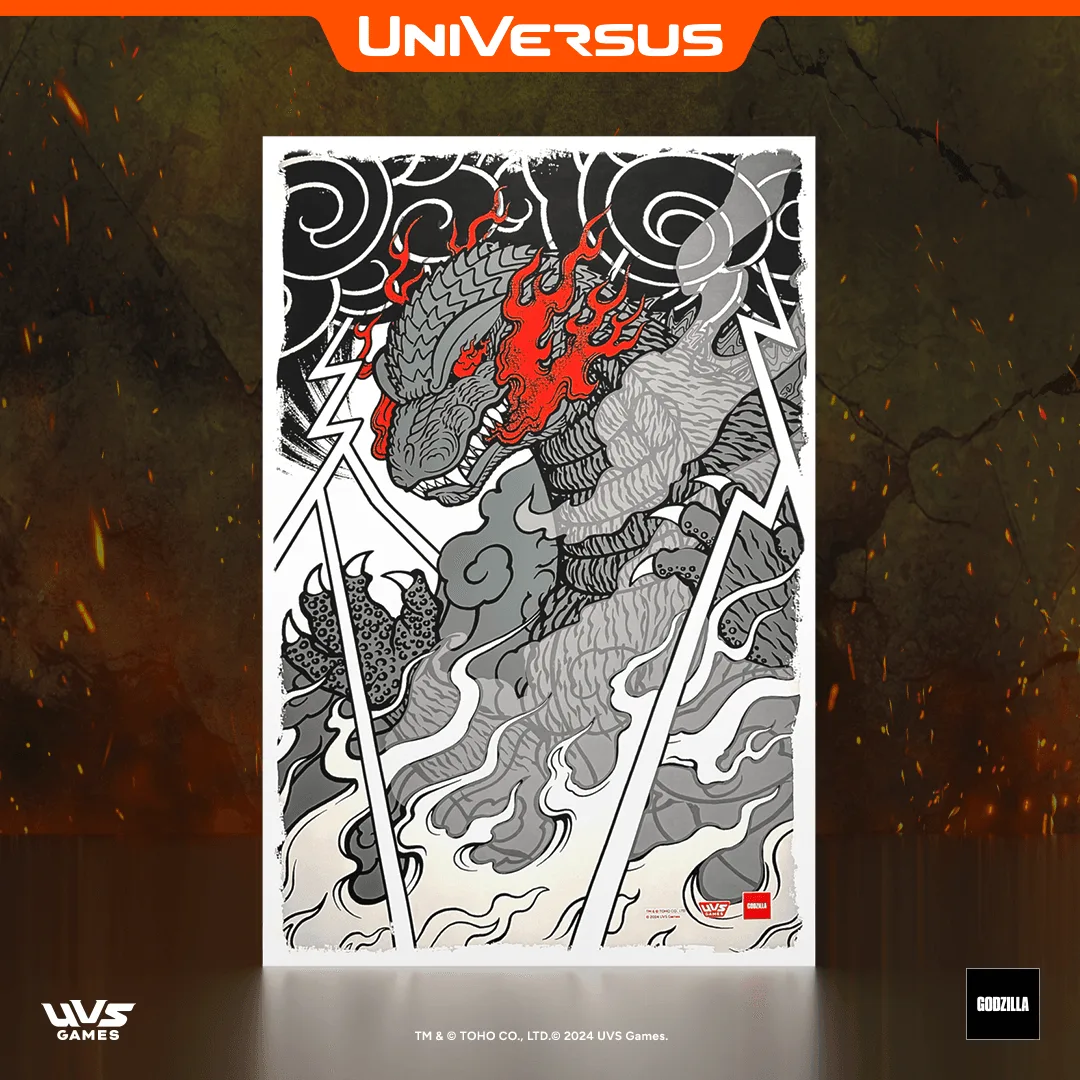
- Godzilla Screen Printed Premium Poster - Godzilla: Limited to 100 copies, this silkscreen printed poster features Godzilla emerging through cloud, lightning, and flame. A limited run means a replacement may not exist, so UV and humidity protection is not optional.
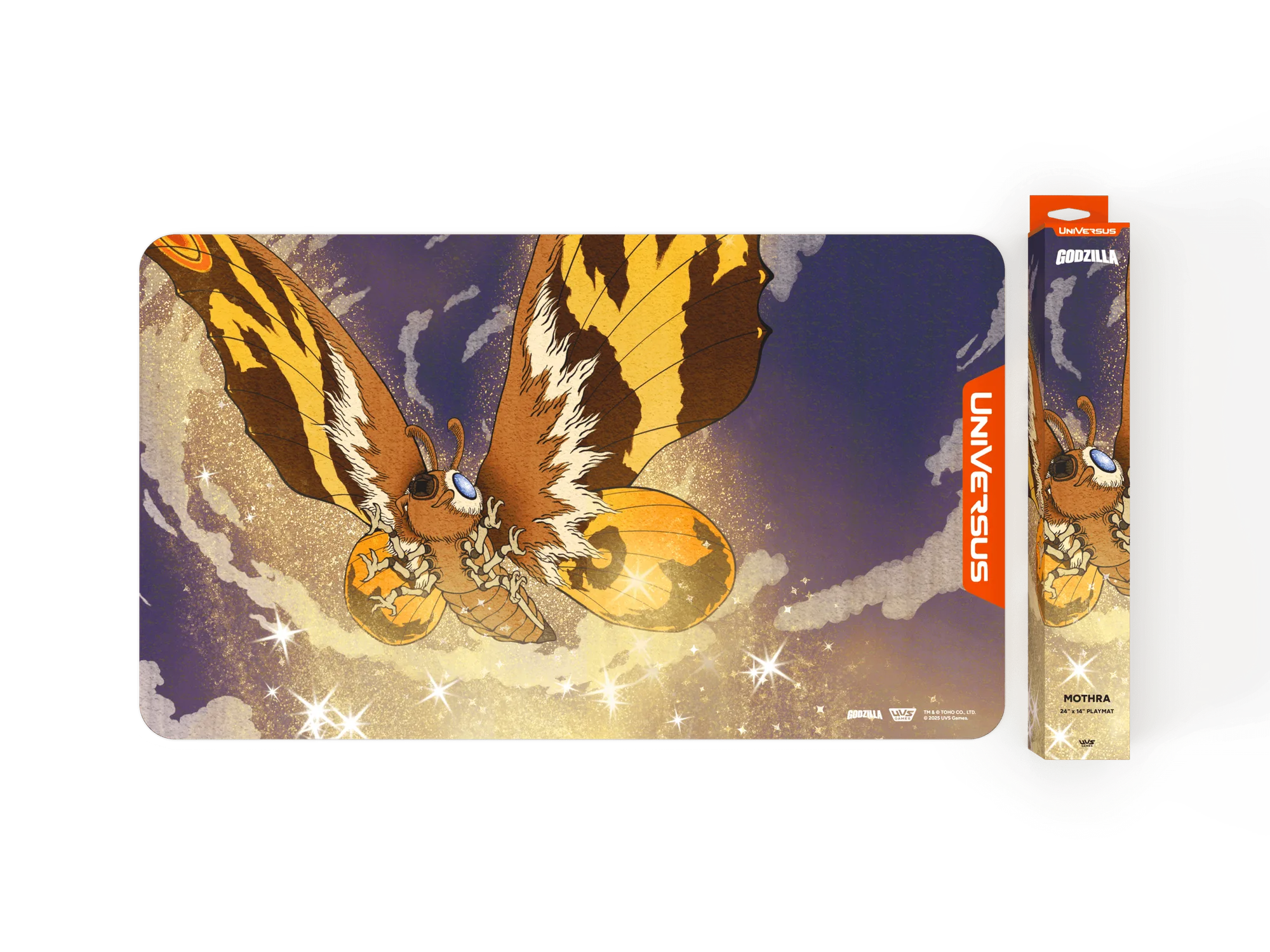
- Godzilla: Reign of Kaiju Playmat - Mothra Divine Moth: This Godzilla: Reign of Kaiju playmat measures 24 x 14 inches and uses high-quality neoprene with a smooth cloth surface. Neoprene playmats tolerate humidity better than paper, so they can sit in a game room where a screen print poster should not.
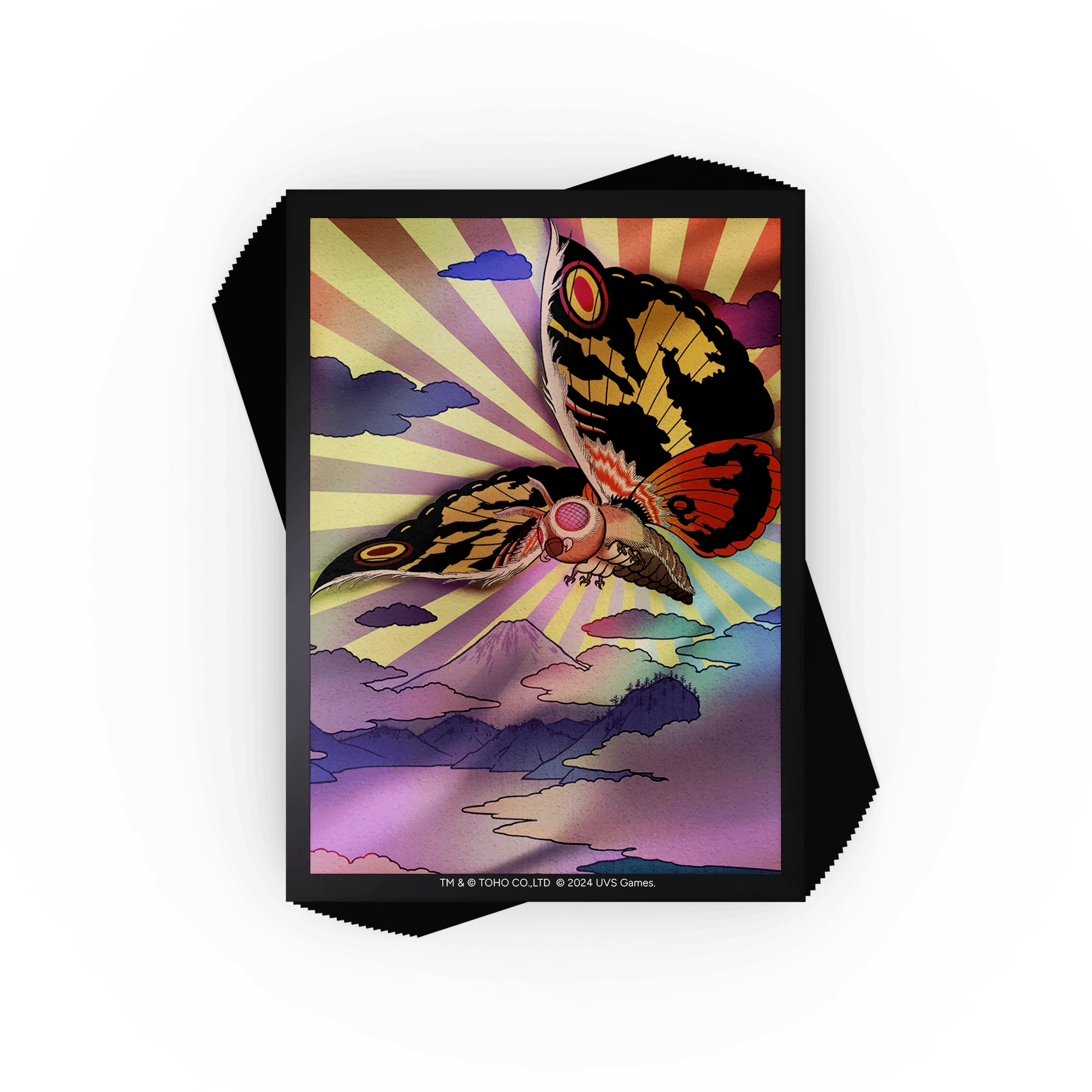
- Godzilla Sleeves: Mothra: These Godzilla sleeves feature Mothra artwork and are designed for standard-sized trading cards. Sleeving cards keeps them protected, but sleeves do not protect paper posters; use separate framing and storage for each format.