Quick answer
For most at-home LED face and body devices, built-in eye shields or a comfortable pair of opaque goggles are a smart precaution, but they are not always mandatory if the device already blocks direct light from your eyes. For IPL devices, eye protection is non-negotiable because the intense pulsed light is far brighter and can damage the retina. Always follow your device manual first.
What the research and device manuals actually say
LED light therapy uses low-level, non-ionizing light. Most clinical guidelines and manufacturer manuals do not require goggles for red or near-infrared LED sessions because the light is diffuse and low intensity. However, staring directly into a high-output LED array for 10 minutes can cause temporary glare, eye strain, or a mild headache. That is why many brands include built-in eye cutouts, shields, or recommend closing your eyes during treatment. If your device has no eye protection and you want to be cautious, a pair of opaque goggles is a reasonable add-on. IPL devices are a different category: they emit broad-spectrum, high-intensity flashes that can injure the iris and retina. For IPL, you must wear the specific goggles supplied with the device, and anyone else in the room should also wear eye protection.
LED masks and panels: when goggles help, when they don't
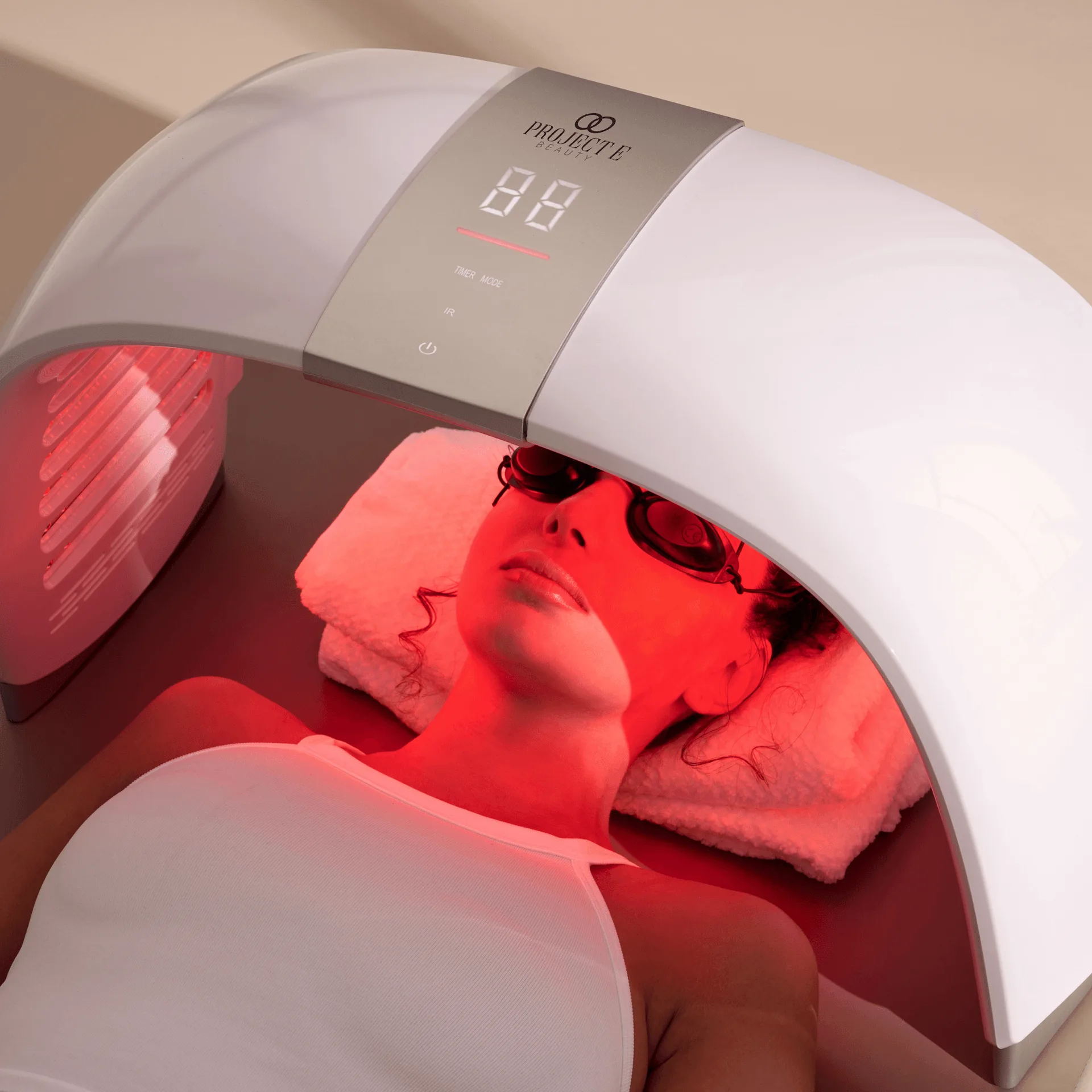
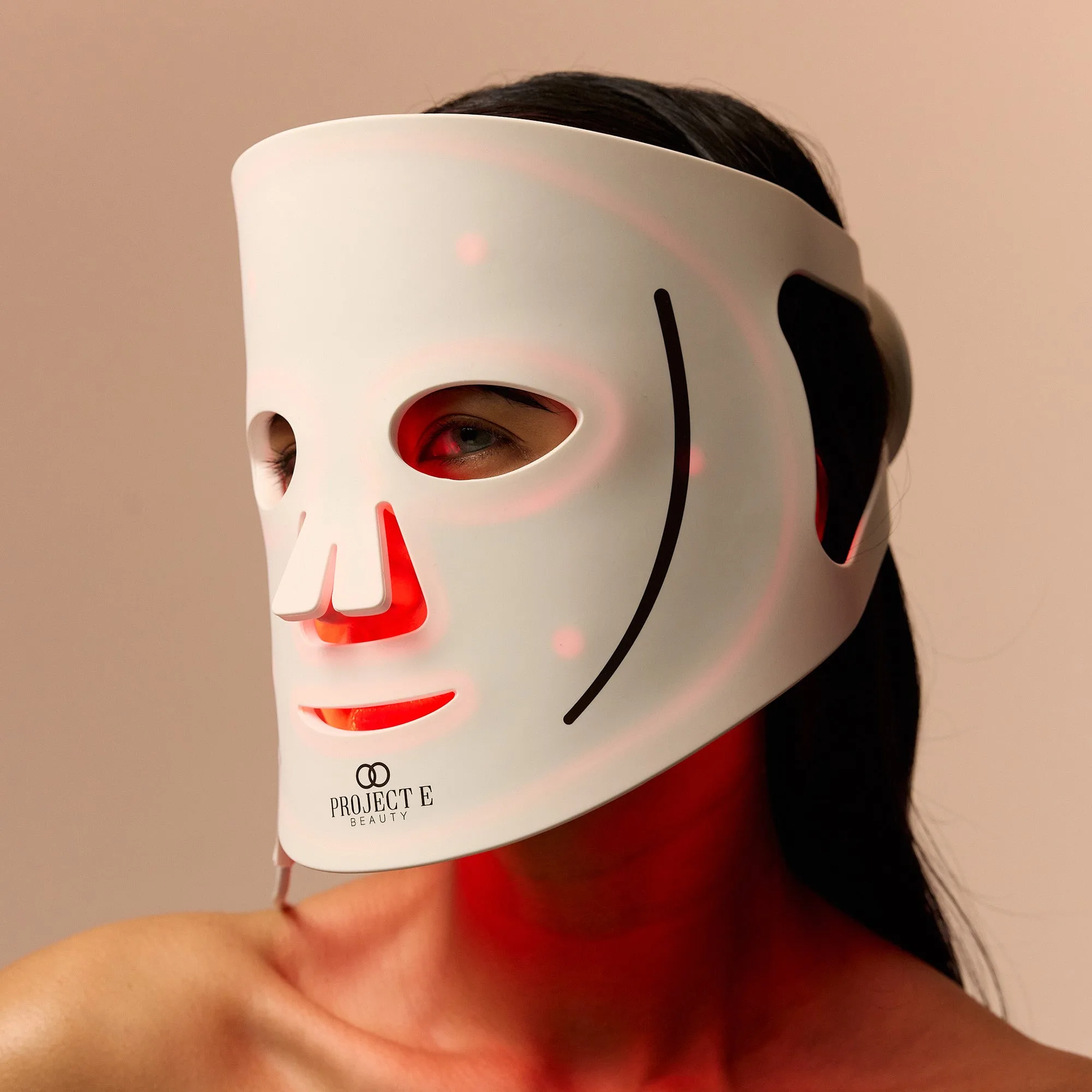
If you use a flexible LED mask that sits close to your face, the light is already directed at your skin, not your eyes. Goggles can actually block some of the light from reaching the upper cheek and brow area, reducing results. In that case, rely on the mask's built-in eye openings and simply keep your eyes closed. For a dome or panel device that surrounds your head or stands away from your face, the light is more diffuse and may reach your eyes from the sides. Opaque goggles can make the session more comfortable and let you relax without squinting. If you have a history of eye disease, migraines triggered by light, or you are taking photosensitizing medication, talk to your doctor before using any LED device, with or without goggles.
IPL eye protection: why it is not optional
IPL devices produce flashes of intense, broad-spectrum light. Even a single direct flash can cause temporary vision disturbances or permanent retinal damage. The goggles that come with an IPL device are designed to block that specific wavelength range, so do not substitute sunglasses or LED goggles. Check that the goggles are undamaged, fit snugly, and are worn by anyone in the treatment room. If you are treating your face, keep your eyes closed and wear the goggles every time. Never look directly at the flash, even with goggles on.
How to choose and care for protective goggles
For LED devices, look for lightweight, opaque goggles that block visible red and blue light. They do not need to be medical-grade, but they should fit comfortably for 10–20 minutes. For IPL, only use the manufacturer's supplied eyewear or a replacement explicitly rated for IPL. Clean goggles with a soft, damp cloth and mild soap after each use, especially if you wear makeup. Store them in a case to avoid scratches. Replace them if the lenses become cracked, cloudy, or the frame loses its shape, because damaged goggles may not block light effectively.
Eye safety FAQ for LED and IPL devices
Are goggles necessary for an LED mask?
Most LED masks are designed with eye cutouts or shields to protect your eyes. If yours has them, you do not need separate goggles. If it does not, close your eyes or use opaque goggles. Never stare into the LEDs. Check your mask manual for eye safety instructions before your first session.
Can I use red light therapy without eye protection?
Red and near-infrared LED light is low-level and generally considered safe for eyes in short sessions, but direct staring can cause glare or strain. Closing your eyes is usually enough. If you have eye conditions or take photosensitizing drugs, consult a doctor. When in doubt, close your eyes or wear goggles—it costs nothing and adds comfort.
Do I need special goggles for IPL?
Yes. IPL devices require the specific goggles supplied by the manufacturer. Regular sunglasses or LED goggles do not block the intense flash adequately. Anyone in the room during treatment should also wear IPL-rated eye protection. Never substitute eyewear for IPL. Use only the supplied goggles and replace them if damaged.
What if I have a history of eye problems?
If you have glaucoma, cataracts, macular degeneration, or any retinal condition, talk to your ophthalmologist before using any light-based device, including LED. They can advise whether goggles are needed and which type is safe for you. Your eye health comes first—get medical clearance if you are unsure.
Device-specific eye safety notes
- LumaLux Dome | Face & Body LED Red Light Therapy Device: LumaLux Dome is a full-body LED light therapy dome with 7 color + infrared modes and 960 LEDs across an ultra-wide curve design. Because the dome surrounds you, light can reach your eyes from many angles. The wide curve may increase stray light, so if you are sensitive, consider opaque goggles or close your eyes during the 10-minute session. The device is designed for quick treatments, which limits exposure time.
- LumaLux Face | Pro LED Red Light Therapy Mask: LumaLux Face Pro LED Mask has 7 colors plus infrared and deep infrared, with scientifically proven wavelengths from 460–1072nm. This mask sits directly on your face, so it likely has built-in eye cutouts. Goggles are usually unnecessary and could block light from reaching the eye area. Follow the manual for eye safety and keep your eyes closed.
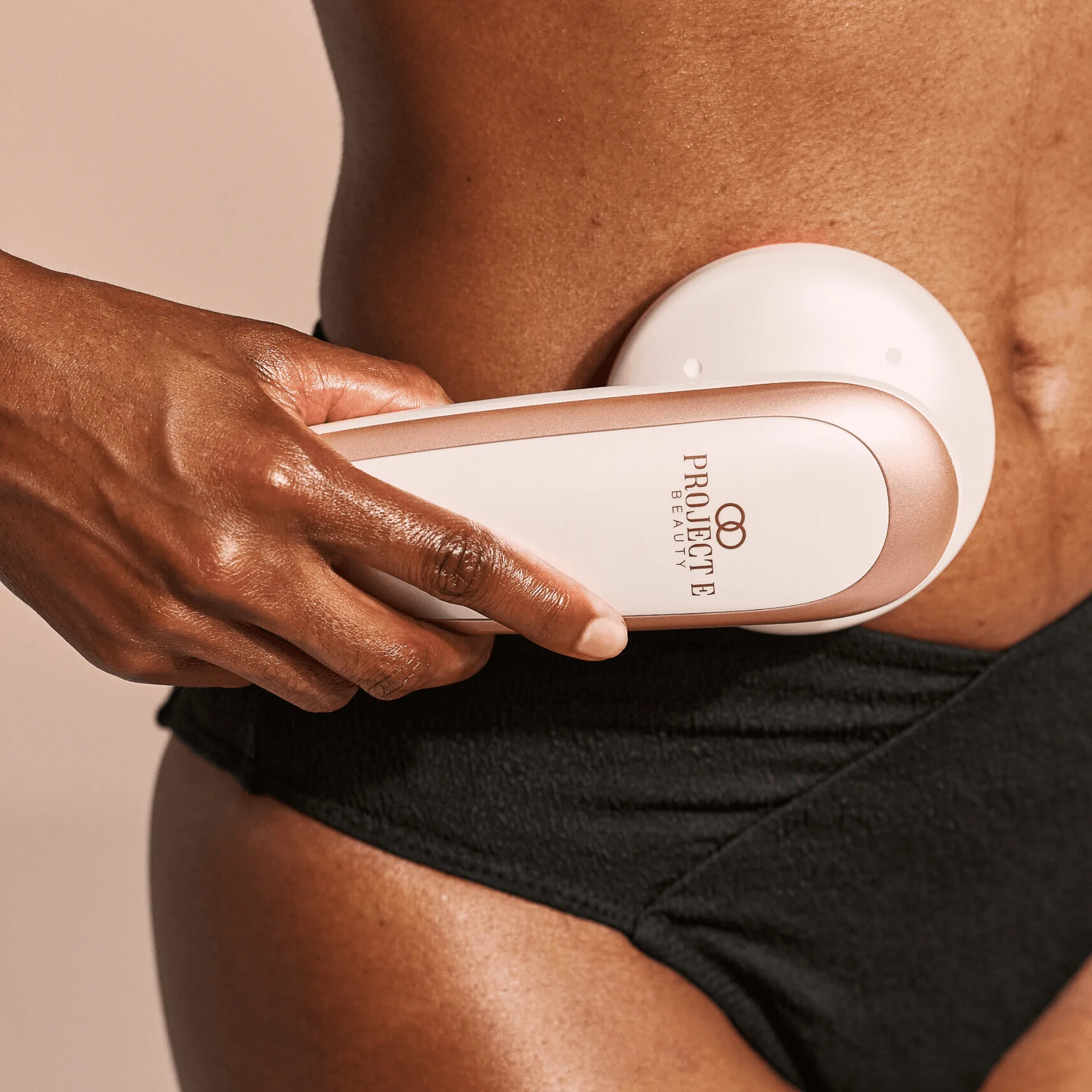
- BodySculpt | LED RF Beauty System: BodySculpt LED RF Beauty System uses radio frequency, ultrasonic cavitation, and red light therapy for body contouring. This device is for body use, not the face, so eye protection is less of a concern unless you treat near the neck or shoulders. Still, avoid looking directly at the red light emitters and keep the device moving as directed.