Sunscreen is non-negotiable for healthy skin, yet many people still skip it or grab any SPF without thinking. The truth is, the right protector solar for your face depends on your skin type, your daily activities, and even your makeup routine. Choosing a formula that suits your skin not only ensures better protection but also makes you actually want to wear it every day.
In this buying guide, we break down SPF numbers, explain the difference between mineral and chemical filters, and give you practical tips for oily, dry, sensitive, and combination skin. By the end, you'll know exactly what to look for in a sunscreen and which of our top picks might be your next holy grail.
Understanding SPF: What Do the Numbers Mean?
SPF stands for Sun Protection Factor, and the number tells you how long a sunscreen will protect you from UVB rays compared to wearing no sunscreen at all. For example, SPF 30 blocks about 97% of UVB rays, while SPF 50 blocks about 98%. No sunscreen blocks 100% of UV rays, so reapplication is key.
For daily use, dermatologists often recommend at least SPF 30. If you spend a lot of time outdoors or have a history of sun sensitivity, SPF 50 or higher is a safer bet. Remember that SPF only measures UVB protection; for UVA protection (the aging rays), look for 'broad spectrum' on the label.
- SPF 30 blocks ~97% of UVB rays, SPF 50 blocks ~98%.
- Always choose 'broad spectrum' to ensure UVA and UVB protection.
- Reapply every two hours, or more if swimming or sweating.
Mineral vs Chemical Sunscreen: Which Is Right for You?
Mineral sunscreens (also called physical) use zinc oxide or titanium dioxide to sit on top of the skin and reflect UV rays. They are less likely to irritate sensitive skin and are generally considered reef-safe. However, they can leave a white cast, especially on deeper skin tones.
Chemical sunscreens absorb UV rays and convert them into heat. They are often lighter and easier to rub in, making them great for oily skin. But some chemical filters can cause irritation for sensitive skin, and certain ingredients like oxybenzone are controversial due to environmental concerns.
Your choice depends on your skin type and personal preferences. If you have sensitive skin, mineral formulas are usually gentler. If you have oily skin and find mineral sunscreens too heavy, a lightweight chemical gel or fluid might feel better.
- Mineral: sits on skin, reflects rays, gentle, may leave white cast.
- Chemical: absorbs rays, light texture, can irritate sensitive skin.
- Consider your skin type and lifestyle when choosing.
Best SPF for Oily and Acne-Prone Skin
If you have oily or acne-prone skin, you need a sunscreen that won't clog pores or add extra shine. Look for labels like 'non-comedogenic' and choose gel, fluid, or powder formulas. These tend to be lighter and absorb quickly.
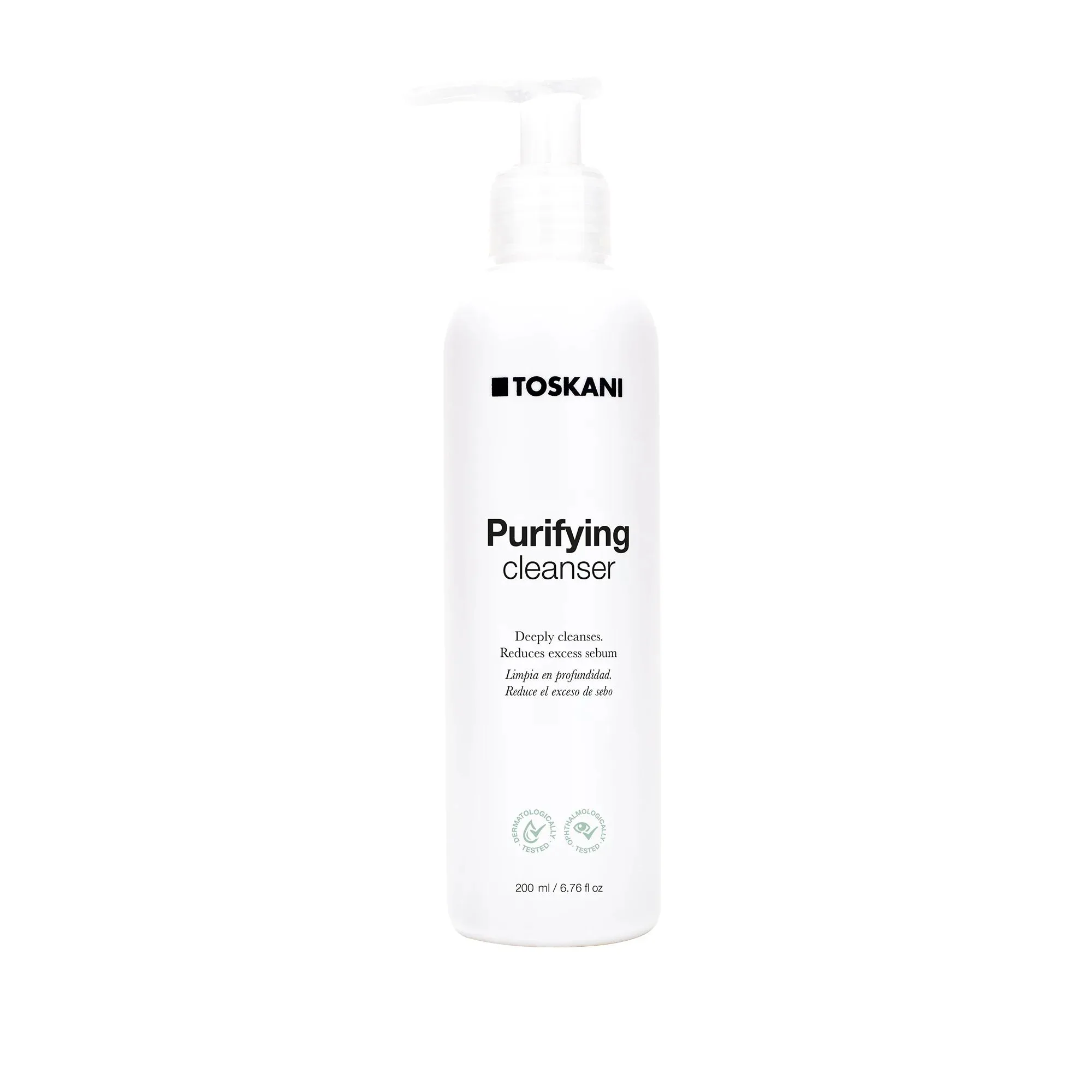
Our Purifying Cleanser is a great first step to remove excess oil before applying sunscreen. For the SPF itself, consider a fluid cream like the Sun Shiel-D fluid cream color SPF50+, which offers high protection in a lightweight, tinted formula that helps even out skin tone without feeling greasy.
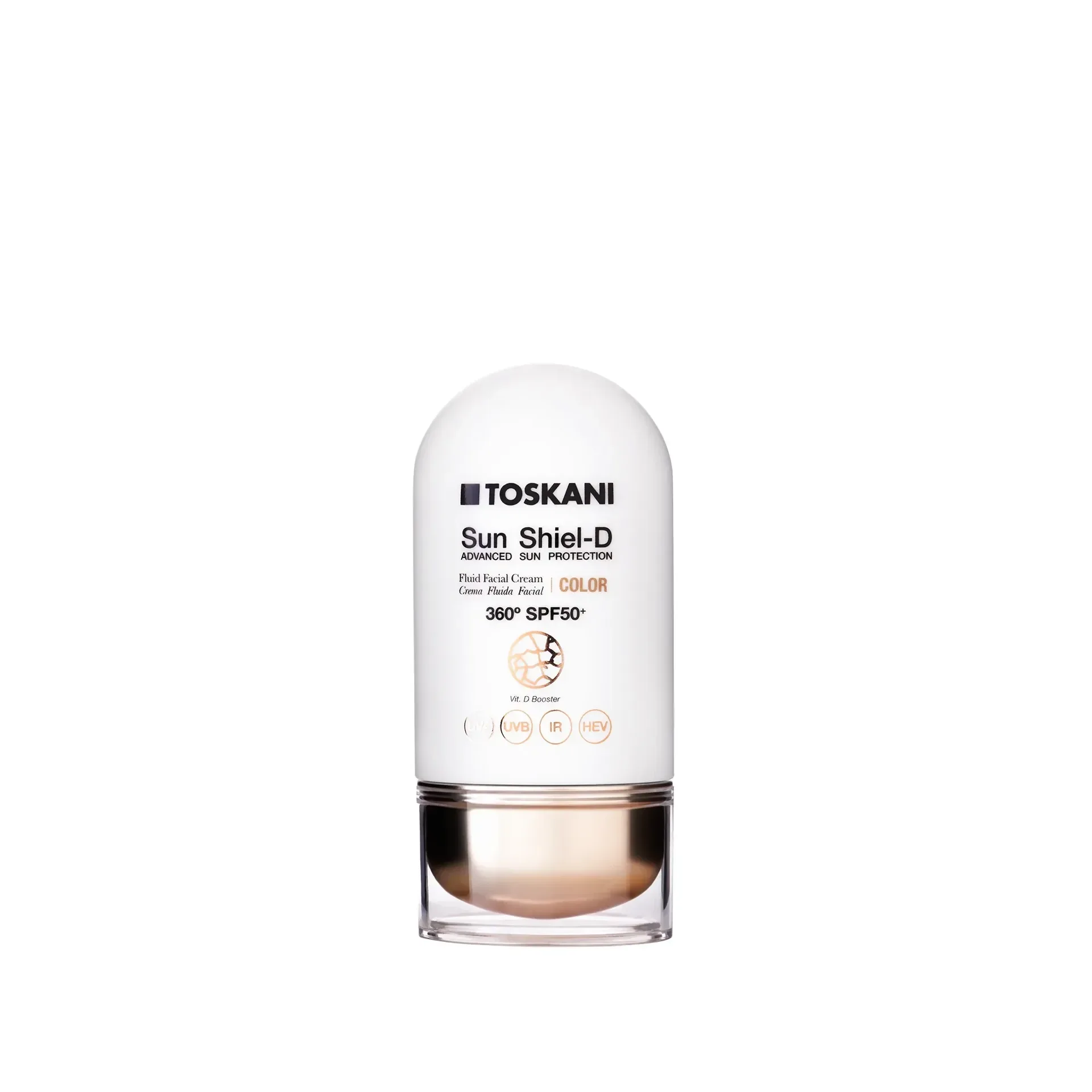
Sun Shiel-D fluid cream color SPF50+
Avoid heavy creams or oil-based sunscreens. Instead, opt for products with a matte finish or those that contain oil-absorbing ingredients like silica or niacinamide.
- Choose non-comedogenic, oil-free formulas.
- Gel or fluid textures are best for oily skin.
- Tinted sunscreens can double as a light foundation.
Best SPF for Dry and Dehydrated Skin
Dry skin needs extra hydration, so look for sunscreens that contain moisturizing ingredients like hyaluronic acid, glycerin, or ceramides. Creamy or lotion textures are usually more comfortable than gels.
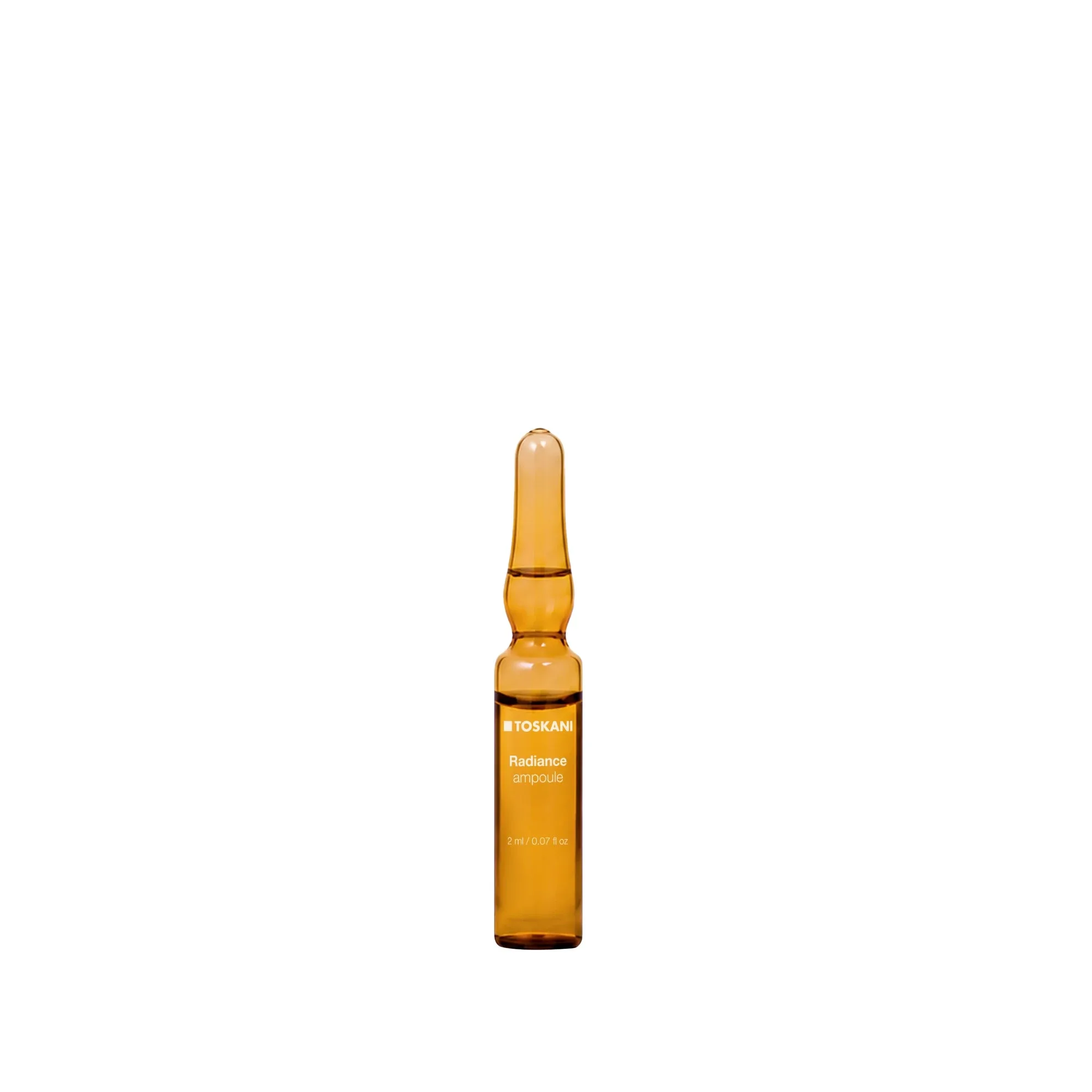
You can also layer a hydrating serum underneath your sunscreen. For example, the Radiance ampoule is packed with hydrating actives that prep your skin, making it an excellent base before applying SPF. Then, top with a nourishing sunscreen to lock in moisture.
Avoid alcohol-based sunscreens that can dry out your skin further. Instead, choose formulas labeled 'hydrating' or 'moisturizing'.
- Look for sunscreens with hyaluronic acid, glycerin, or ceramides.
- Layer a hydrating serum like Radiance ampoule before SPF.
- Avoid alcohol-heavy gels that can dehydrate skin.
Best SPF for Sensitive and Reactive Skin
Sensitive skin reacts easily to fragrances, alcohol, and certain chemical filters. The safest bet is a mineral sunscreen with only zinc oxide or titanium dioxide. These are less likely to cause irritation.
Also, choose a fragrance-free formula and avoid sunscreens with oxybenzone or octinoxate. Patch testing is always a good idea before applying a new product to your face.
For a gentle routine, start with a mild cleanser like Purifying Cleanser (which is suitable for sensitive skin) and follow with a mineral SPF. This minimizes the risk of irritation while still providing essential protection.
- Mineral filters are gentler for sensitive skin.
- Avoid fragrance, alcohol, and common chemical filters.
- Always patch test new sunscreens.
How to Layer SPF with Serums and Moisturizers
The order of your skincare matters. As a general rule, apply sunscreen as the last step of your morning routine, after cleansing, toning, and moisturizing. If you use a serum, let it absorb for a few minutes before applying SPF.
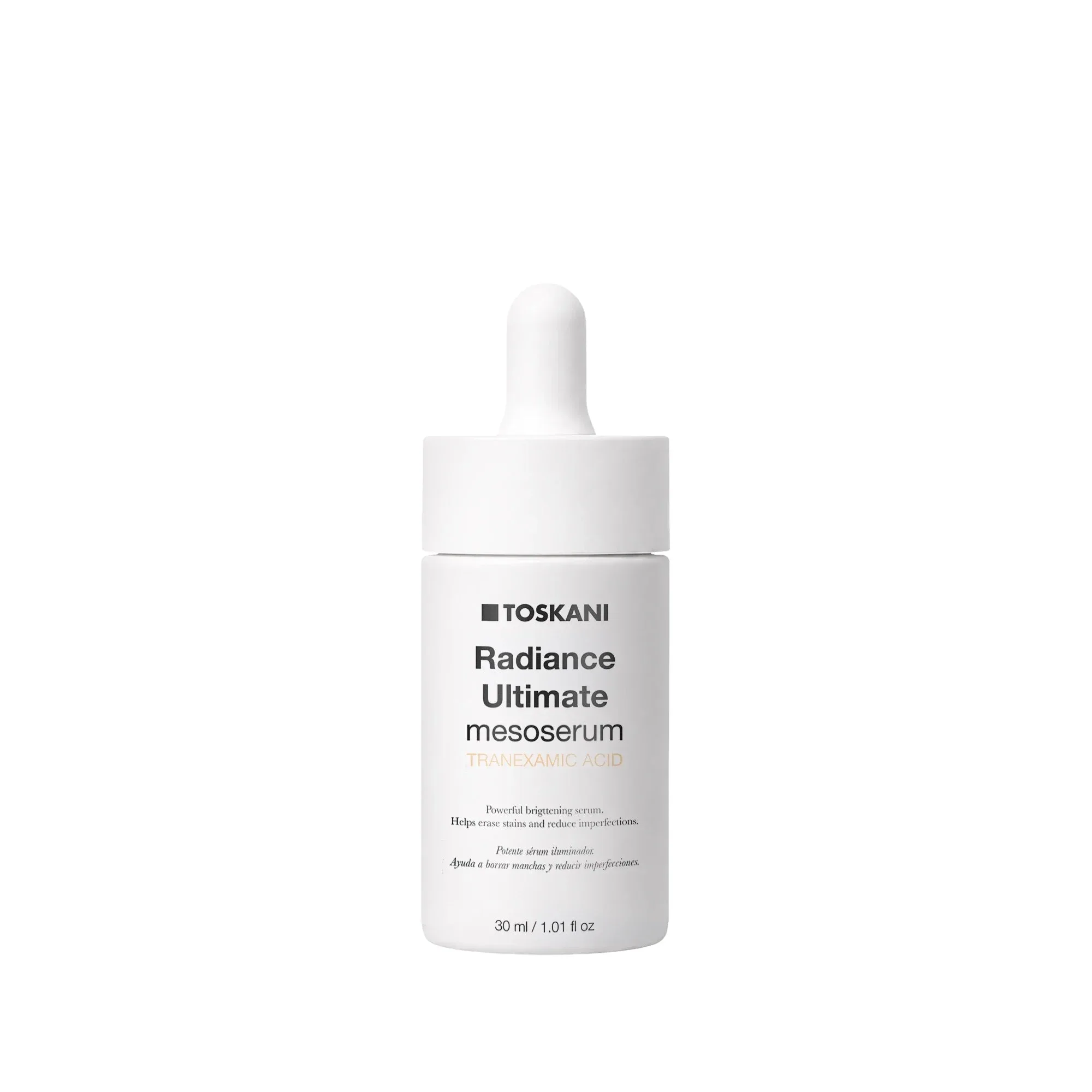
For example, after cleansing, you might apply a vitamin C serum like the Radiance ultimate mesoserum to brighten, then follow with a moisturizer, and finally a sunscreen. This ensures the SPF forms a protective barrier on top.
If you're using a chemical sunscreen, it needs to be applied directly to clean skin to absorb properly. Mineral sunscreens, on the other hand, sit on top and can be applied after moisturizer.
- Apply SPF last in your morning routine.
- Wait a few minutes between layers for absorption.
- Chemical sunscreens need direct skin contact; mineral can go over moisturizer.
Choosing the right protector solar for your face is easier once you understand your skin type and the differences between SPF formulas. Whether you need a lightweight gel for oily skin, a hydrating cream for dry skin, or a gentle mineral option for sensitive skin, there's a perfect match out there. Start with a solid cleanser like Purifying Cleanser and then explore our range of SPF products to find your daily shield. Remember, the best sunscreen is the one you'll actually wear every day.