After a tough workout, your muscles are crying out for recovery. The window for optimal post-workout nutrition is often cited as 30–60 minutes, and the choice between a protein bar vs shake can feel overwhelming. Both are convenient, portable, and packed with protein, but they serve different needs depending on your schedule, digestion, and fitness goals. In this guide, we break down the pros and cons of each, so you can make an informed decision for your post-workout routine.
Understanding Post-Workout Nutrition
Your body needs two things after exercise: protein to repair muscle tissue and carbohydrates to replenish glycogen stores. The ideal post-workout snack delivers both quickly, but the form — solid or liquid — can affect how your body absorbs those nutrients. Protein shakes are typically digested faster, while protein bars offer more chewable satisfaction and often include fiber and healthy fats.
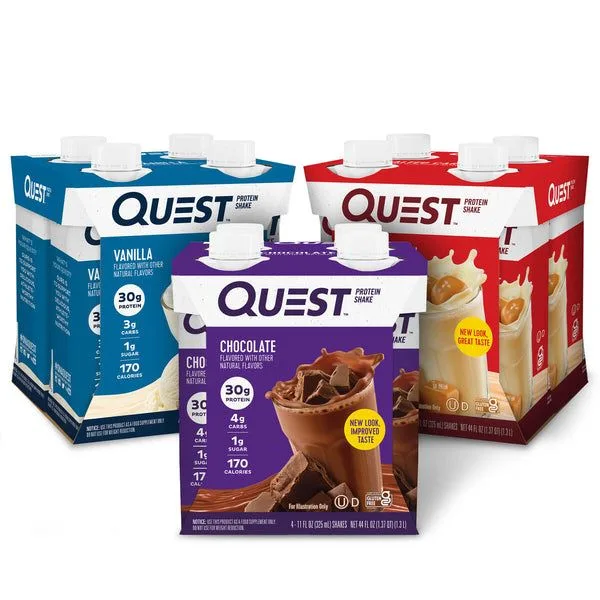
Protein Shakes: Fast Absorption and Customization
Protein shakes, especially those made with whey or plant-based protein powder, are known for their rapid digestion. Liquid protein moves through the stomach faster, delivering amino acids to muscles within 20–30 minutes. This makes shakes a favorite among athletes who train early in the morning or need a quick recovery after intense weightlifting.
Pros of Protein Shakes
- Speed: Shakes are the fastest way to get protein into your system.
- Customizable: You can add fruits, nut butters, or greens to tailor nutrition.
- Low in fat: Many powders are low-fat, ideal for lean muscle building.
For a creamy, delicious option, try the Vanilla Milkshake Protein Powder. It blends smoothly with water or milk and provides 25 grams of protein per scoop — perfect for a shake that tastes like a treat.
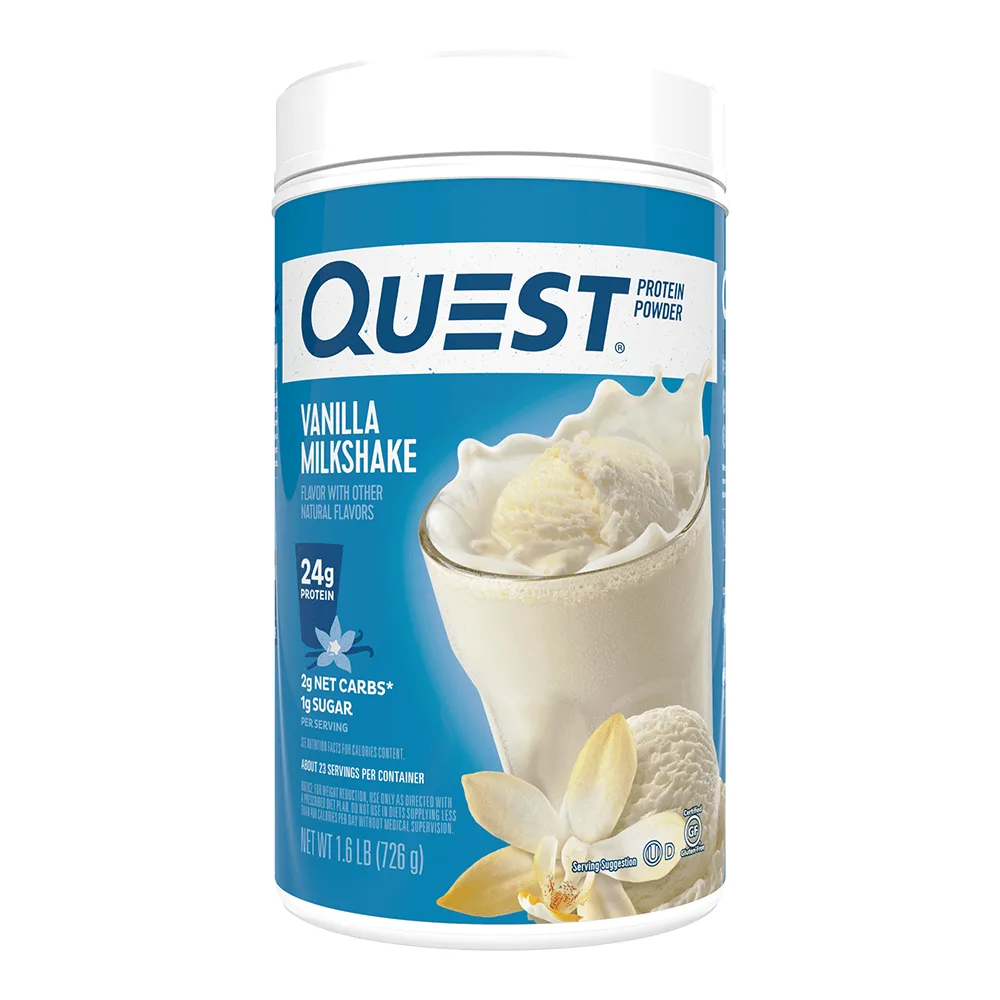
Vanilla Milkshake Protein Powder
Cons of Protein Shakes
- Preparation: You need a shaker or blender, which isn't always handy.
- Satiety: Liquid calories may not keep you full as long as solid food.
- Digestion: Some people experience bloating from whey or dairy.
Protein Bars: Convenience and Crunch
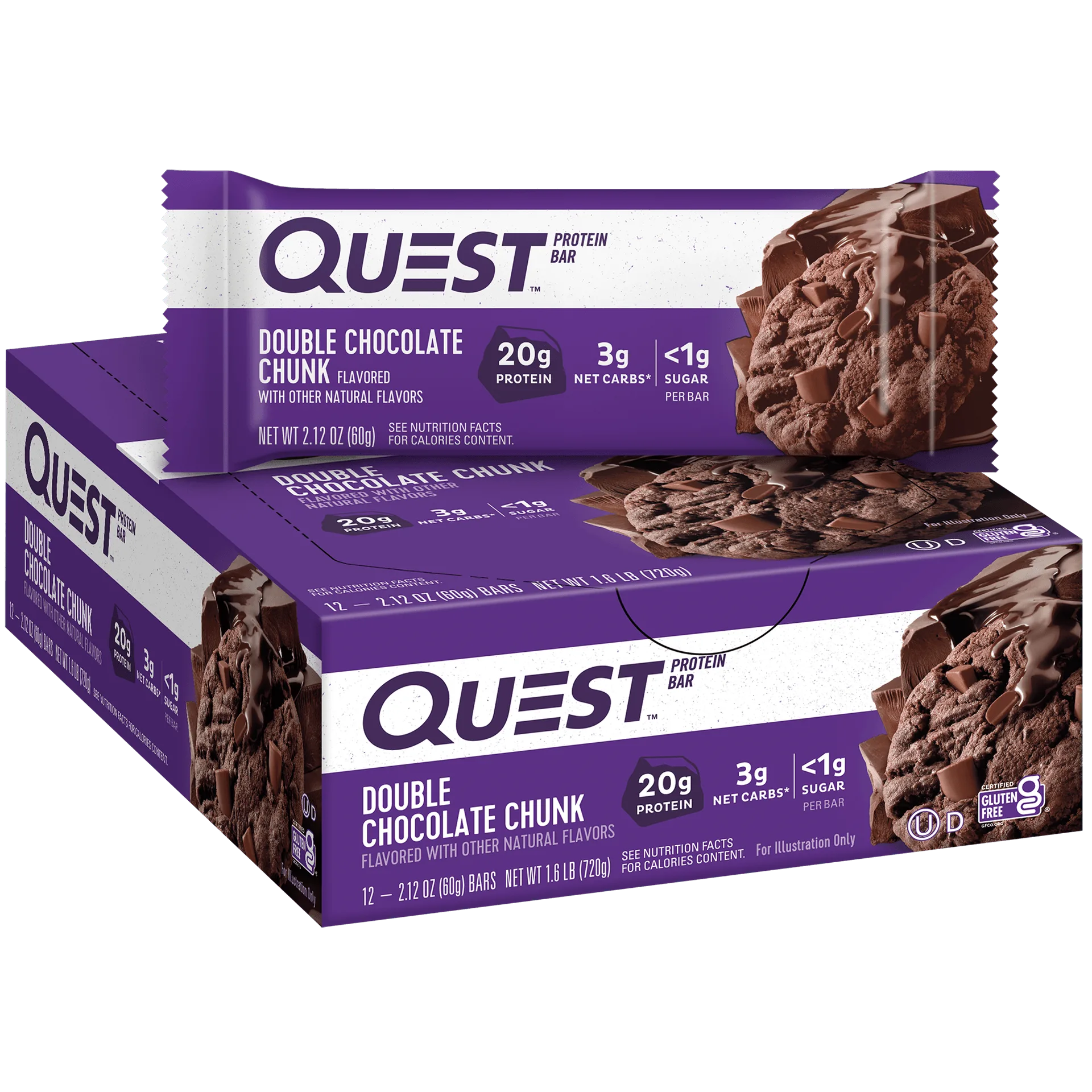
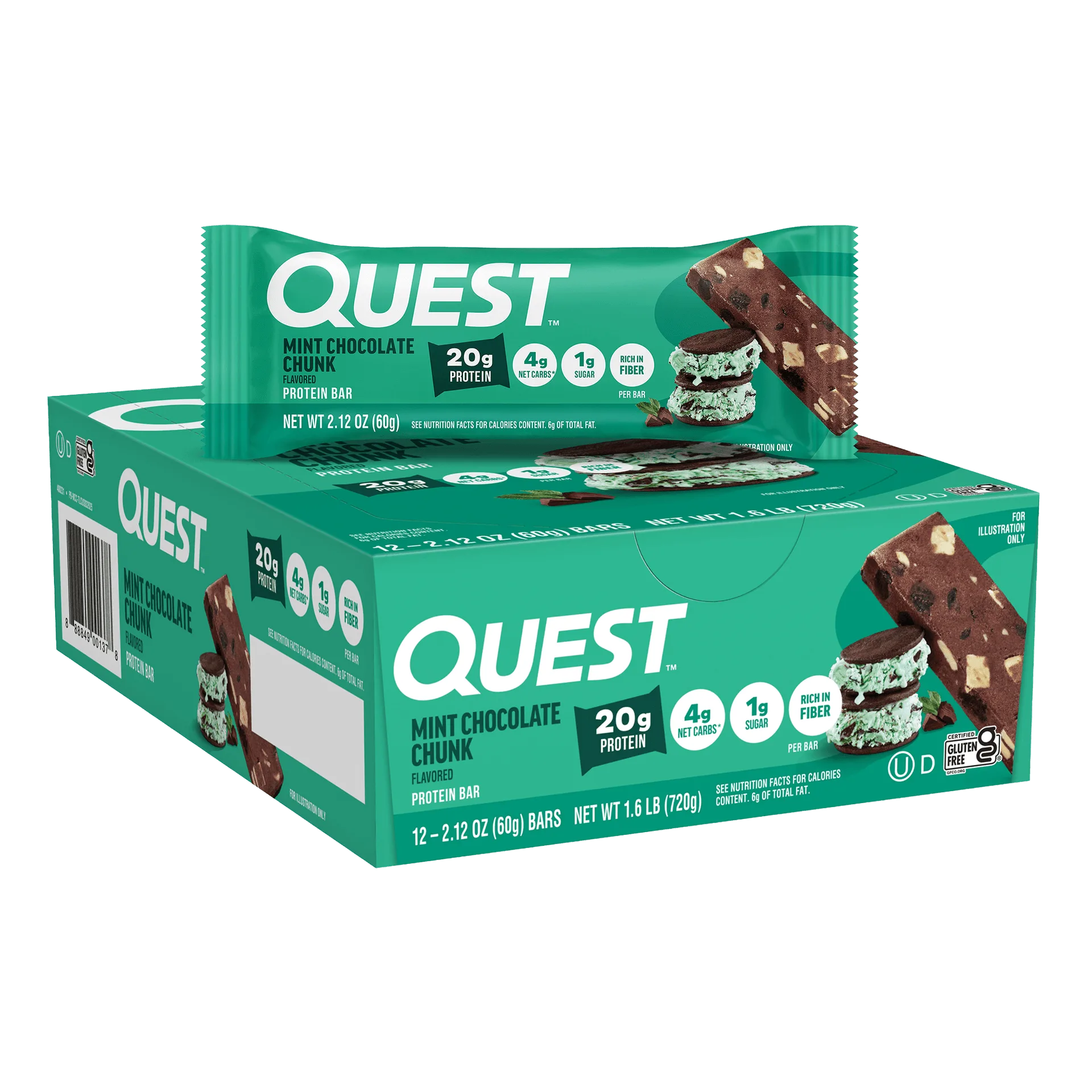
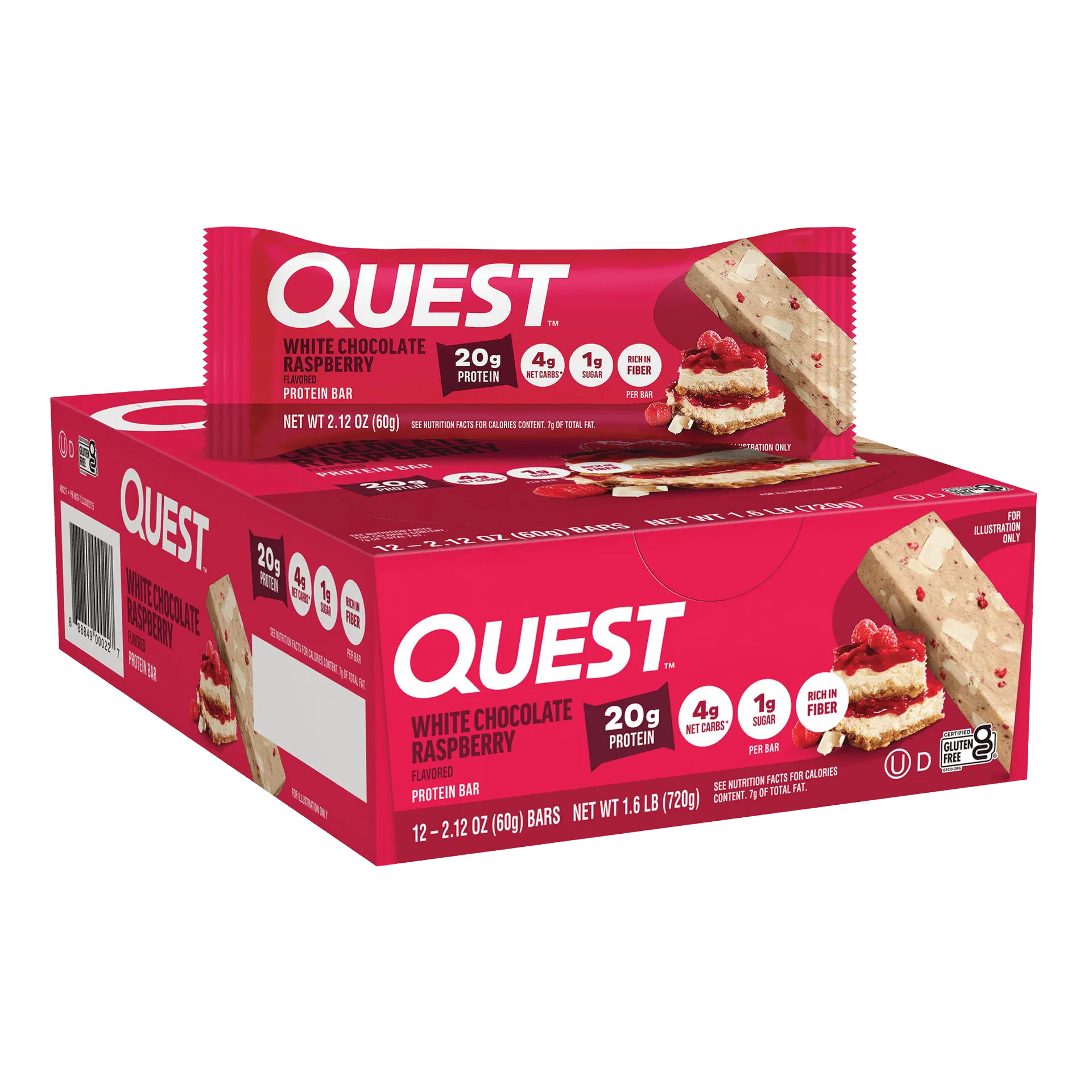
Protein bars are the ultimate grab-and-go option. They require no mixing, no refrigeration, and can be tossed in a gym bag or car glove box. Bars also satisfy the need to chew, which can signal fullness to your brain more effectively than a drink. For those who crave texture, many bars now feature layers, coatings, and chips.
Pros of Protein Bars
- Portability: No blender, no mess — just unwrap and eat.
- Satiety: Solid food keeps you fuller longer, ideal for a meal replacement.
- Variety: From chocolate chip to savory flavors, there's a bar for every palate.
One standout is the Dipped Chocolate Chip Cookie Dough Protein Bar. This bar delivers 20 grams of protein with a rich, indulgent taste that feels like dessert — but supports your recovery goals.
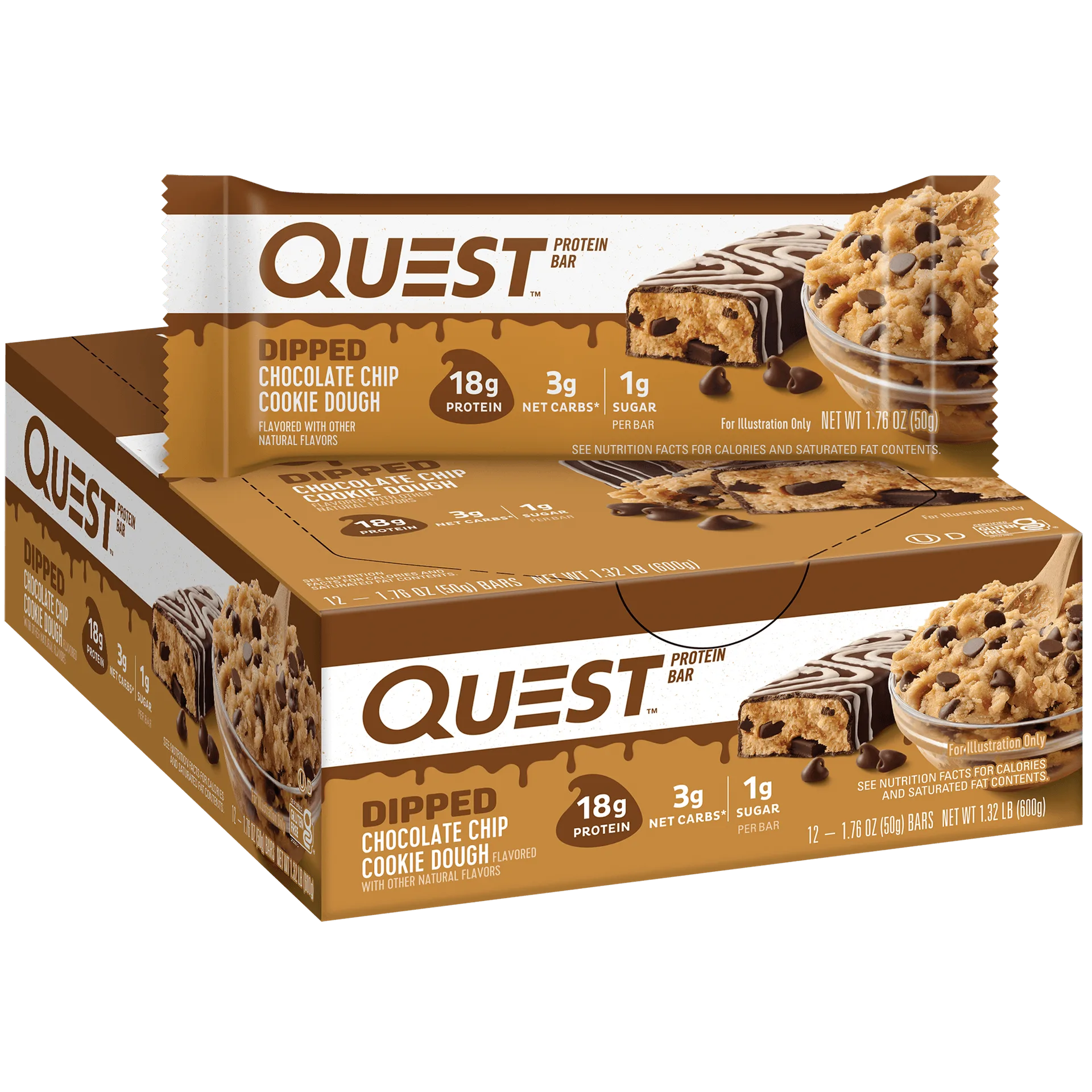
Dipped Chocolate Chip Cookie Dough Protein Bar
Cons of Protein Bars
- Digestion: Bars take longer to digest, so they're not ideal if you need rapid absorption.
- Calories: Many bars contain added sugars and fats, which can add up quickly.
- Texture: Some bars can be dry or chalky, though modern recipes have improved.
Key Comparison: Protein Bar vs Shake
Factor
Protein Shake
Protein Bar
Digestion speed
Fast (20–30 min)
Slow (1–2 hours)
Convenience
Requires preparation
No prep needed
Satiety
Lower
Higher
Best for
Immediate post-workout
Meal replacement or travel
Customization
High (add ingredients)
Low (pre-packaged)
When to Choose a Protein Shake
If you're doing high-intensity interval training (HIIT) or heavy lifting and your next meal is more than an hour away, a shake is your best bet. The rapid amino acid delivery helps kickstart muscle repair. Additionally, shakes are a great option for those who struggle to eat solid food right after a workout — some people feel nauseous or have a suppressed appetite post-exercise.
When to Choose a Protein Bar
Protein bars shine when you need a balanced snack that doubles as a mini-meal. If you're heading to work, hiking, or traveling, a bar is far more practical than a shake. They also work well for endurance athletes who need sustained energy over time. The Apple Pie Protein Bars are a delicious option that combine protein with fiber-rich oats and cinnamon — perfect for a mid-morning recovery bite.
Can You Use Both?
Absolutely. Many athletes incorporate both into their rotation. For example, have a shake immediately after the gym, then eat a bar a few hours later to keep protein synthesis elevated. The key is to listen to your body and consider your schedule. If you're on the go all day, a bar is often more practical. If you can sit down and mix a shake, that may be better for immediate recovery.
What About Whole Food Protein?
While this article focuses on supplements, don't forget that whole foods like chicken breast, Greek yogurt, or eggs are also excellent protein sources. Bars and shakes are designed for convenience when whole foods aren't available. For the best results, aim to get most of your protein from whole foods and use supplements as a backup.
Final Verdict: Protein Bar vs Shake
There's no universal winner in the protein supplement comparison. If you prioritize speed and customization, a shake wins. If portability and fullness matter more, a bar is your go-to. For many people, having both options in your pantry ensures you never skip post-workout nutrition. Start experimenting to see what feels best for your digestion and energy levels.
Ready to upgrade your recovery routine? Explore the Dipped Chocolate Chip Cookie Dough Protein Bar today — it's a delicious, satisfying way to fuel your muscles after every workout.