Life gets busy, and sometimes sitting down for a full meal just isn't in the cards. That's when a protein bar can look like a lifesaver. But can a protein bar truly replace a meal, or is it just a glorified snack? The answer isn't a simple yes or no. It depends on the bar's nutritional profile, your goals, and how you use it.
In this guide, we'll explore the pros and cons of using protein bars as meal replacements, what to look for in a bar, and how to incorporate them into a balanced routine. We'll also share a sample meal plan to help you use protein bars effectively for weight management and overall nutrition.
What Makes a Protein Bar a Meal Replacement?
A true meal replacement bar should provide a balance of macronutrients—protein, carbohydrates, and fats—along with fiber and essential vitamins and minerals. It should be substantial enough to keep you satisfied for 3-4 hours, similar to a typical meal. In contrast, a regular protein bar might be higher in protein but lower in calories and fiber, making it more suitable as a snack.
When choosing a meal replacement bar, look for at least 15-20 grams of protein, 5-10 grams of fiber, and moderate healthy fats. The calorie count should be in the range of 250-400 calories, depending on your needs. Also, check the sugar content; ideally, it should be under 10 grams per bar to avoid energy crashes.
- Protein: 15-20g minimum
- Fiber: 5-10g
- Calories: 250-400
- Sugar: <10g
The Pros of Using Protein Bars as Meal Replacements
Convenience is the biggest advantage. Protein bars are portable, require no preparation, and can be eaten on the go. This makes them ideal for busy professionals, travelers, or anyone who struggles to find time for a sit-down meal. They also help with portion control, as each bar has a set number of calories, which can be beneficial for weight management.
Protein bars can also help you meet your daily protein needs, which is crucial for muscle maintenance, especially if you're active. For example, a bar like the Free Soul Minis offers a quick protein boost in a bite-sized format, perfect for a mid-morning or afternoon pick-me-up. Additionally, many bars are fortified with vitamins and minerals, making them a better option than skipping a meal entirely.
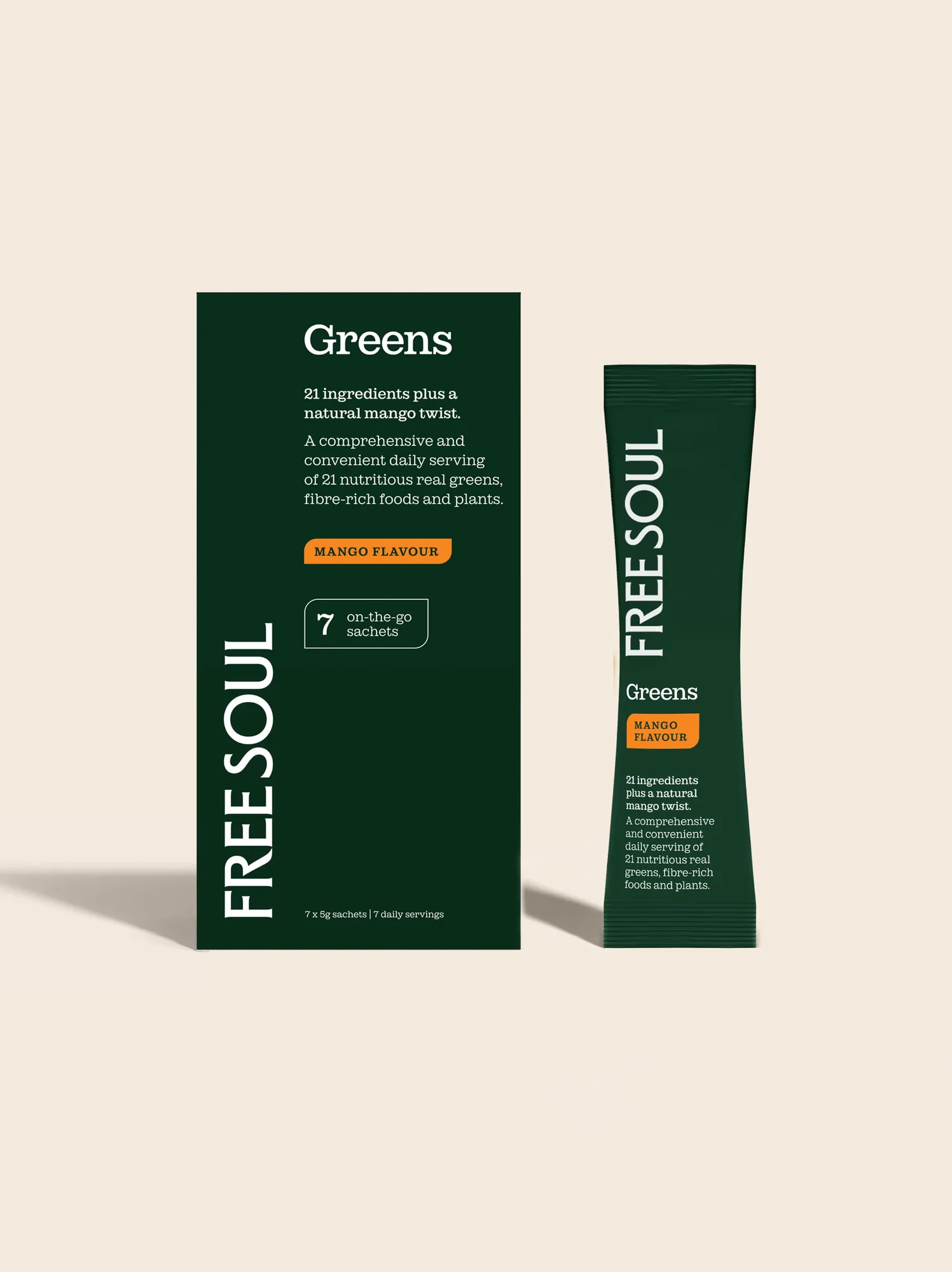
Free Soul Minis
The Cons: What to Watch Out For
Not all protein bars are created equal. Some are essentially candy bars with added protein, packed with sugar and unhealthy fats. Others may be low in fiber, leaving you hungry shortly after eating. Moreover, relying too heavily on bars can lead to a lack of dietary variety, which is essential for getting a wide range of nutrients from whole foods.
Another downside is that some bars contain artificial sweeteners, which can cause digestive discomfort in some people. Also, they may not be as satisfying psychologically as chewing a real meal, which can lead to overeating later. It's important to read labels carefully and choose bars with clean ingredients.
- Check for artificial sweeteners and sugar alcohols
- Avoid bars with more than 10g of sugar
- Look for whole food ingredients like nuts, seeds, and oats
How to Choose the Right Meal Replacement Bar
When selecting a meal replacement bar, consider your specific needs. If you're managing your weight, opt for a bar with around 200-300 calories and high fiber to keep you full. If you're aiming to build muscle, you might want a bar with higher protein and carbs to support recovery. For general health, look for bars with a short ingredient list and recognizable whole foods.
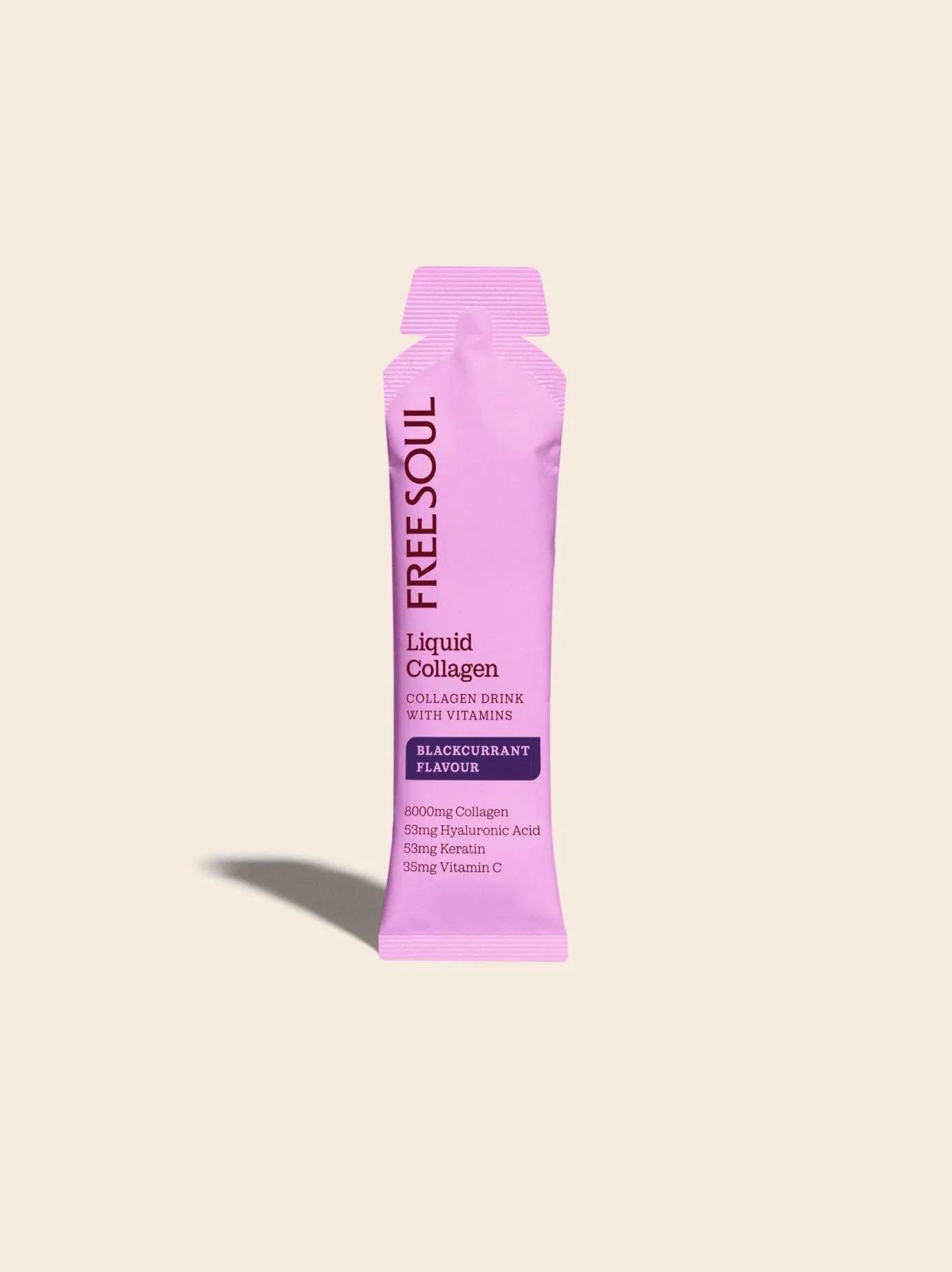
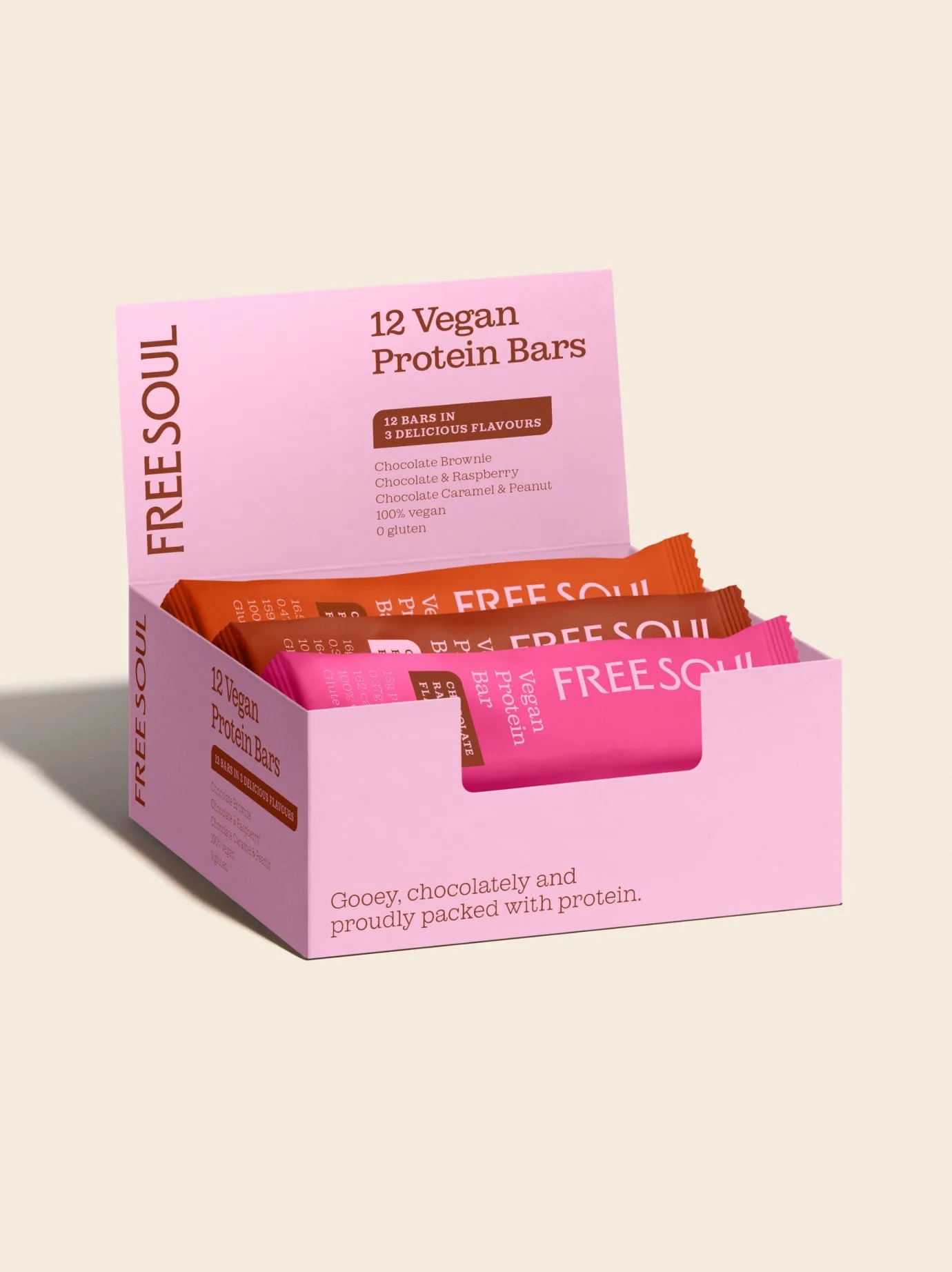
For women, certain nutrients are particularly important. For example, a bar with added collagen can support skin and joint health. The Marine Liquid Collagen is a great supplement to pair with your protein bar routine, though it's not a bar itself. If you prefer plant-based options, look for bars made with pea or brown rice protein. The Vegan Protein Bars from our store are a good choice, offering a balanced macronutrient profile without animal products.
Sample Meal Plan: Using Protein Bars for Weight Management
Using protein bars as meal replacements can be an effective strategy for weight management, but it's important to plan. Here's a sample day that incorporates a protein bar as one meal replacement, while keeping other meals balanced and nutritious.
Breakfast: A bowl of oatmeal with berries and a scoop of collagen powder for extra protein. Mid-morning snack: A piece of fruit and a handful of nuts. Lunch: A protein bar (choose one with 250-300 calories) paired with a side salad with olive oil and vinegar. Afternoon snack: Greek yogurt with a drizzle of honey. Dinner: Grilled chicken breast, quinoa, and steamed vegetables. This plan provides variety and ensures you get enough fiber and micronutrients.
- Breakfast: Oatmeal with berries and collagen
- Lunch: Protein bar with side salad
- Dinner: Grilled chicken with quinoa and veggies
Tips for Integrating Protein Bars into Your Routine
To get the most out of protein bars, use them strategically. They are perfect for days when you're traveling, have back-to-back meetings, or simply don't have time to cook. However, don't replace every meal with a bar. Aim to use them for no more than one meal per day, and focus on whole foods for the rest.
Pair your protein bar with a source of healthy fat or fiber to enhance satiety. For example, you could have a bar with a small handful of almonds or a piece of fruit. Also, stay hydrated; sometimes thirst is mistaken for hunger. Finally, listen to your body—if you feel hungry an hour after eating a bar, it might not be substantial enough for you.
- Use bars for no more than one meal per day
- Pair with healthy fats or fiber
- Drink plenty of water throughout the day
Protein bars can be a convenient and effective meal replacement when chosen wisely and used in moderation. They offer a quick solution for busy days and can support weight management and muscle maintenance. However, they shouldn't replace whole foods entirely. For a balanced approach, consider incorporating a high-quality bar like the Free Soul Minis into your routine, and always prioritize a varied diet rich in fruits, vegetables, and lean proteins.