Baking with protein powder opens up a world of delicious, macro-friendly treats. Whether you're craving a warm muffin with your morning coffee, a stack of pancakes for a weekend brunch, or a slice of bread to support your recovery, swapping some flour for protein can transform your kitchen creations. But let's be honest — protein powder in baking has a reputation for turning out dry, rubbery, or chalky. The good news? With the right techniques and ingredients, you can make high-protein muffins, pancakes, and bread that rival their traditional counterparts. In this guide, we'll cover everything you need to know about protein powder baking, from choosing the right protein to mastering ratios for the perfect texture.
Why Bake with Protein Powder?
Adding protein powder to your baked goods is an easy way to boost your daily intake without drinking another shake. For athletes, busy professionals, or anyone managing their weight, a high-protein breakfast or snack helps keep you full longer, supports muscle repair, and stabilizes blood sugar. Instead of reaching for a store-bought muffin loaded with sugar and refined carbs, you can whip up a batch of Blueberry Muffin Protein Bars-inspired muffins at home — with even more control over ingredients. Baking also lets you incorporate protein into meals the whole family will enjoy, from pancakes on Saturday morning to a loaf of sandwich bread for lunches.
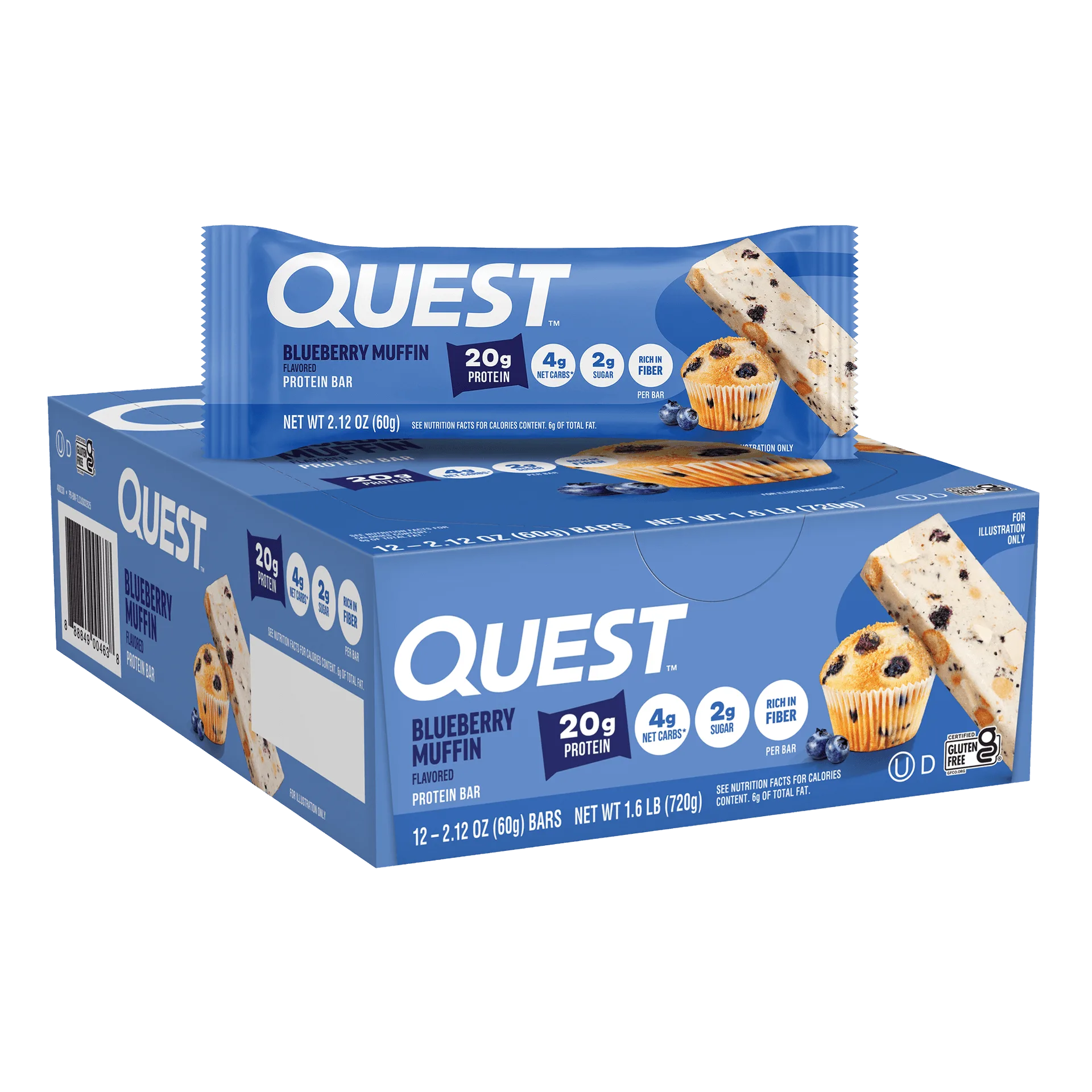
Blueberry Muffin Protein Bars
Choosing the Right Protein Powder for Baking
Not all protein powders behave the same way in the oven. The type you choose dramatically affects the final texture, moisture, and flavor of your baked goods.
Whey Protein vs. Plant-Based Protein
Whey protein concentrate or isolate is the most popular choice for baking. It mixes smoothly, has a neutral flavor, and produces a light, tender crumb — ideal for muffins and pancakes. However, whey can make baked goods dense if overmixed or baked too long. Plant-based proteins (pea, brown rice, or blends) are often grainier and more absorbent, so you'll need to increase liquid and fat in your recipe. They work well in hearty breads and denser muffins.
Flavored vs. Unflavored
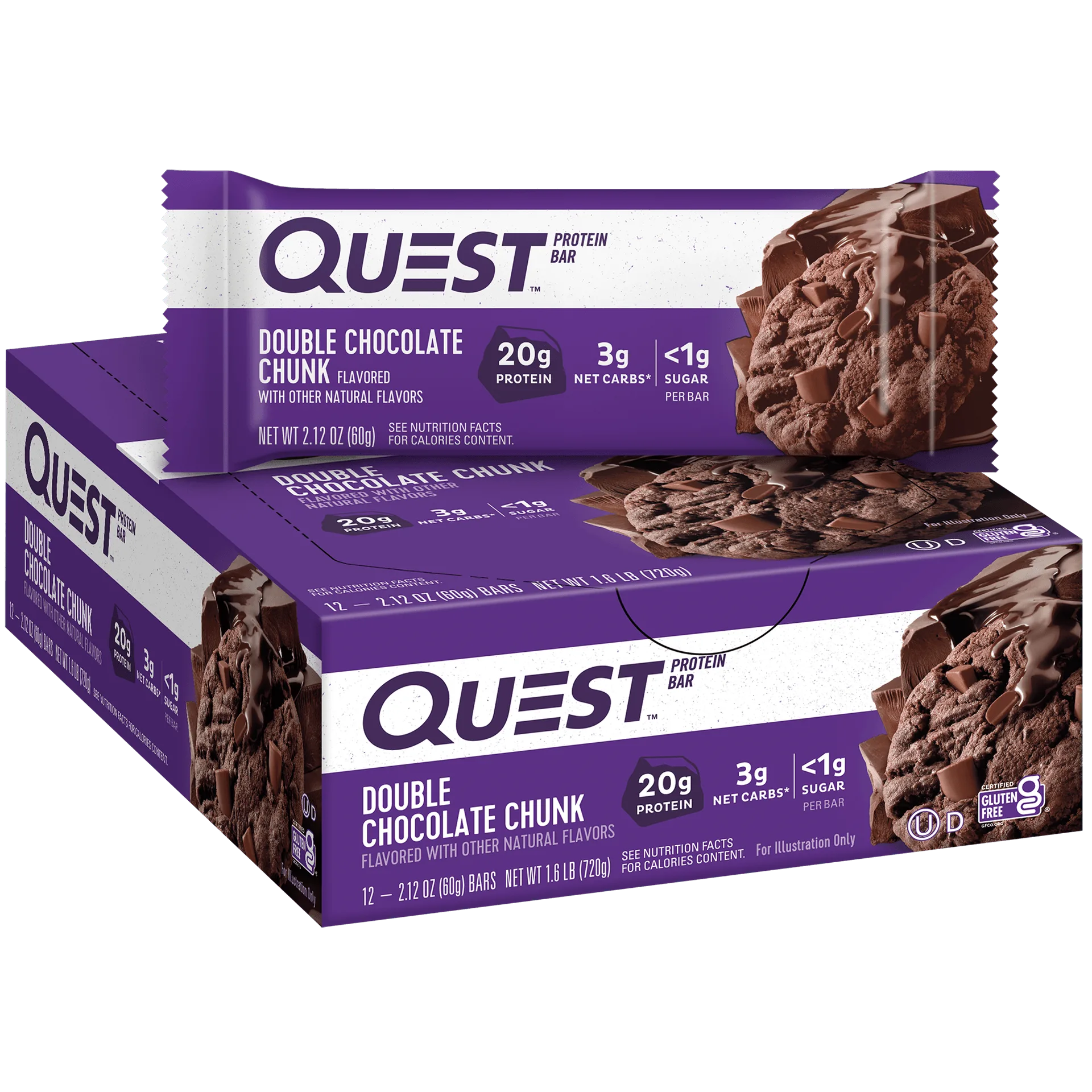
Flavored protein powders can add sweetness and depth, reducing the need for extra sugar. For example, using a vanilla or chocolate whey in pancakes can eliminate vanilla extract entirely. Unflavored protein is best for savory breads or when you want the flavor of other ingredients to shine. Experiment with different profiles — like the rich chocolate notes in Chocolate Explosion Overload Bar — to inspire your next batch of chocolate chip muffins.
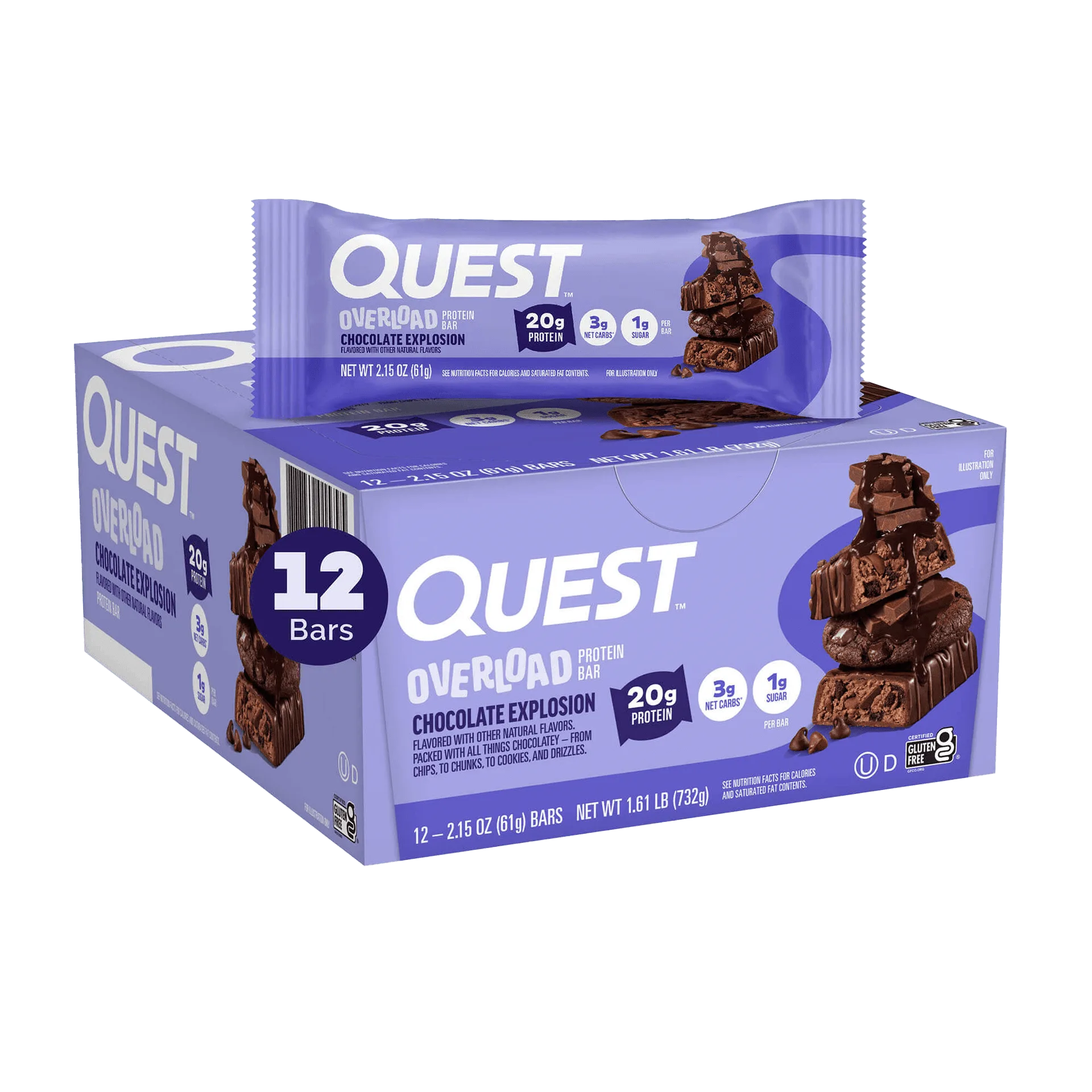
Chocolate Explosion Overload Bar
Essential Tips for Baking with Protein Powder
Follow these proven strategies to avoid common pitfalls like dryness, crumbliness, or a strange aftertaste.
- Don't replace all the flour: Start by substituting 1/4 to 1/3 of the flour with protein powder. Replacing more than that often leads to a rubbery texture. For a higher protein content, add an extra egg or some Greek yogurt.
- Increase moisture: Protein powder absorbs liquid more than flour. Add an extra 1-2 tablespoons of milk, buttermilk, applesauce, or mashed banana per serving. This keeps muffins and pancakes tender.
- Watch your bake time: Protein-rich batters brown faster due to the Maillard reaction. Check for doneness 5 minutes earlier than the recipe says. Use a toothpick test — it should come out clean or with a few moist crumbs.
- Let it rest: Allow batters to rest for 10-15 minutes before baking. This lets the protein hydrate, resulting in a more even texture and less grittiness.
- Don't overmix: Stir just until combined. Overmixing develops gluten in the flour and can make protein powder clump, leading to tough, dense baked goods.
High-Protein Muffins: A Step-by-Step Guide
Muffins are one of the easiest entry points for protein powder baking. They're portable, customizable, and freeze beautifully. Here's a base recipe you can adapt with your favorite mix-ins.
Basic High-Protein Muffin Recipe
Ingredients:
- 1 ½ cups all-purpose flour
- ½ cup vanilla or unflavored whey protein powder
- ½ cup granulated sweetener (sugar, monk fruit, or stevia blend)
- 1 tsp baking powder
- ½ tsp baking soda
- ¼ tsp salt
- 1 cup milk (dairy or plant-based)
- ¼ cup melted coconut oil or butter
- 2 large eggs
- 1 tsp vanilla extract
- 1 cup blueberries, chocolate chips, or chopped nuts
Instructions:
- Preheat oven to 375°F (190°C) and line a muffin tin with liners.
- In a large bowl, whisk together flour, protein powder, sweetener, baking powder, baking soda, and salt.
- In a separate bowl, whisk milk, oil, eggs, and vanilla.
- Pour wet ingredients into dry and stir gently until just combined. Fold in your add-ins.
- Divide batter among muffin cups (fill about ¾ full). Bake for 15-18 minutes until golden and a toothpick comes out clean.
- Cool in the pan for 5 minutes, then transfer to a wire rack.
Each muffin packs around 10-12 grams of protein — perfect for a post-workout snack or a quick breakfast. For a flavor twist, try swirling in a tablespoon of peanut butter or using cinnamon-flavored protein. You can even crumble one over yogurt for a parfait effect.
High-Protein Pancakes That Are Actually Fluffy
Pancakes are a weekend staple, but traditional recipes are low in protein and high in simple carbs. These protein pancakes are light, fluffy, and can be made in under 15 minutes.
Fluffy Protein Pancakes Recipe
Ingredients:
- 1 cup oat flour or whole wheat flour
- ⅓ cup vanilla whey protein powder
- 1 tbsp baking powder
- 1 tbsp sugar or sweetener (optional)
- Pinch of salt
- 1 cup milk
- 1 large egg
- 1 tbsp melted butter or oil
- 1 tsp vanilla extract
Instructions:
- In a bowl, mix flour, protein powder, baking powder, sweetener, and salt.
- In another bowl, whisk milk, egg, melted butter, and vanilla.
- Pour wet into dry and stir until just combined (a few lumps are fine). Let batter rest for 5 minutes.
- Heat a non-stick skillet over medium heat. Pour ¼ cup batter per pancake. Cook until bubbles form on the surface, then flip. Cook 1-2 minutes more.
- Serve with fresh fruit, a drizzle of maple syrup, or a dollop of Greek yogurt.
These pancakes deliver about 15 grams of protein per serving (3 pancakes). For an extra boost, top with sliced almonds or serve alongside a scoop of cottage cheese. They also make a great base for savory toppings like smoked salmon and avocado — just skip the sweetener and use unflavored protein.
High-Protein Bread: From Sandwich Loaves to Quick Breads
Baking bread with protein powder requires a bit more finesse because gluten development is key to structure. For yeast breads, replace only 10-15% of the flour with protein powder to avoid a dense, heavy loaf. Quick breads (like banana or zucchini bread) are more forgiving and can handle up to 20% protein substitution.
Simple High-Protein Banana Bread
Ingredients:
- 3 ripe bananas, mashed
- ⅓ cup melted coconut oil or butter
- ½ cup sugar or maple syrup
- 2 large eggs
- 1 tsp vanilla
- 1 ½ cups all-purpose flour
- ½ cup vanilla or unflavored whey protein powder
- 1 tsp baking soda
- ½ tsp salt
- ½ cup chopped walnuts or chocolate chips (optional)
Instructions:
- Preheat oven to 350°F (175°C). Grease a 9x5-inch loaf pan.
- In a bowl, mix mashed bananas, oil, sugar, eggs, and vanilla.
- In another bowl, whisk flour, protein powder, baking soda, and salt.
- Stir dry ingredients into wet until just combined. Fold in nuts or chips.
- Pour batter into the pan and bake for 50-60 minutes, or until a toothpick inserted in the center comes out clean.
- Cool in the pan for 10 minutes, then turn out onto a rack.
This banana bread delivers about 8 grams of protein per slice. It's moist, naturally sweet, and perfect for breakfast or an afternoon snack. For a savory option, try a cheddar and herb loaf using unflavored protein powder and sharp cheddar — it pairs beautifully with soup or as a base for turkey sandwiches.
Common Mistakes and How to Fix Them
Issue
Cause
Solution
Dry or crumbly texture
Too much protein powder or not enough liquid
Reduce protein to 1/4 cup per cup of flour; add 1-2 tbsp extra milk or oil
Rubbery or chewy texture
Overmixing or using too much whey isolate
Mix gently; try a blend of whey and casein or a plant-based protein
Grainy mouthfeel
Protein powder not fully dissolved
Whisk dry ingredients thoroughly; let batter rest before baking
Burnt or overly dark exterior
High sugar content in flavored protein powder
Lower oven temperature by 25°F; cover with foil if browning too fast
Off-flavor or aftertaste
Low-quality or expired protein powder
Use a high-quality protein; mask with spices like cinnamon or vanilla
Frequently Asked Questions About Protein Powder Baking
Can I use protein powder in place of flour completely?
No, you should not replace all flour with protein powder. Protein lacks the gluten and starch needed for structure and moisture. Aim for a 1:3 or 1:4 ratio of protein powder to flour for best results.
Do I need to adjust the sweetener when using flavored protein?
Yes. Flavored protein powders often contain sweeteners like stevia or sucralose, so reduce added sugar by 25-50%. Taste the batter before baking to gauge sweetness.
Can I bake with collagen protein?
Collagen protein works well in baked goods because it dissolves easily and adds moisture. However, it doesn't set or provide structure like whey or plant proteins, so it's best used in combination with other proteins or in recipes with eggs for stability.
How do I store high-protein baked goods?
Store in an airtight container at room temperature for up to 3 days, or refrigerate for up to a week. Most high-protein muffins and breads freeze well for up to 3 months — just wrap individually in plastic wrap before freezing.
Final Thoughts: Elevate Your Baking Game
Protein powder baking doesn't have to be a compromise between nutrition and taste. By choosing the right protein, adjusting your liquids, and following a few simple techniques, you can create high-protein muffins, pancakes, and bread that are moist, flavorful, and satisfying. Whether you're meal prepping for the week or surprising your family with a healthier treat, these recipes are a delicious way to reach your protein goals. As you experiment, don't be afraid to try different flavors and add-ins — from chocolate chips to cinnamon swirls — to keep things interesting.
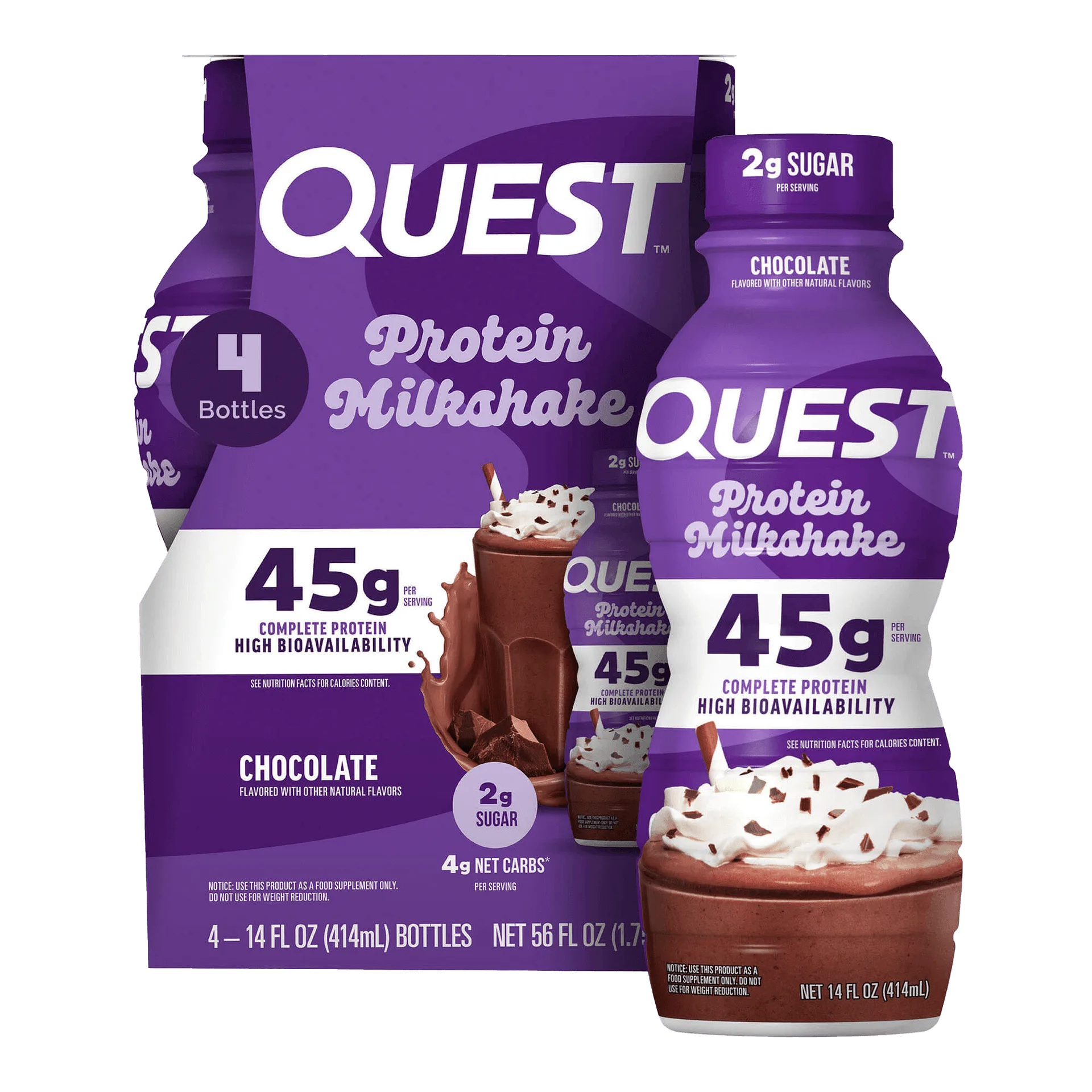
For even more convenience, consider stocking up on ready-to-eat options that fit your on-the-go lifestyle. The Milkshake Variety Pack offers a creamy, protein-packed drink when you don't have time to bake, while the bars in this guide's inspiration are perfect for snacking. Start your baking journey today — your taste buds and muscles will thank you!