When you're deciding between protein powder and ready-to-drink protein shakes, versatility in recipes is a key factor. Both can help you hit your protein goals, but they behave very differently in the kitchen. Understanding those differences can save you from a gummy smoothie or a dry muffin.
Protein powder is a dry ingredient that can be mixed, baked, or blended into almost anything. Protein shakes are convenient, pre-mixed liquids that work best in cold or no-cook recipes. Here's how they stack up when it comes to cooking, baking, and everyday use.
Baking with Protein Powder vs. Protein Shakes
Protein powder is the clear winner for baking. Because it's a dry powder, it can replace a portion of the flour in recipes for muffins, pancakes, cookies, and breads. You can also mix it into batters for waffles or mug cakes without throwing off the liquid balance. For example, using a scoop of https://questnutritionshop.com/products/lemon-cake-protein-bars-38284Lemon Cake Protein Bars-inspired powder in a lemon muffin recipe adds protein and flavor without extra moisture.
Protein shakes, on the other hand, are liquid. If you try to bake with them, you'll need to reduce other liquids in the recipe — otherwise your batter becomes too thin. They work best in recipes that already call for milk or water, such as protein pancakes or quick breads. But the added sugars and stabilizers in some shakes can affect texture and sweetness.
- For dense baked goods like brownies, use protein powder and add a splash of water or milk as needed.
- If using a protein shake, reduce the recipe's liquid by the same volume to avoid a runny batter.
Cooking with Protein Powder vs. Protein Shakes
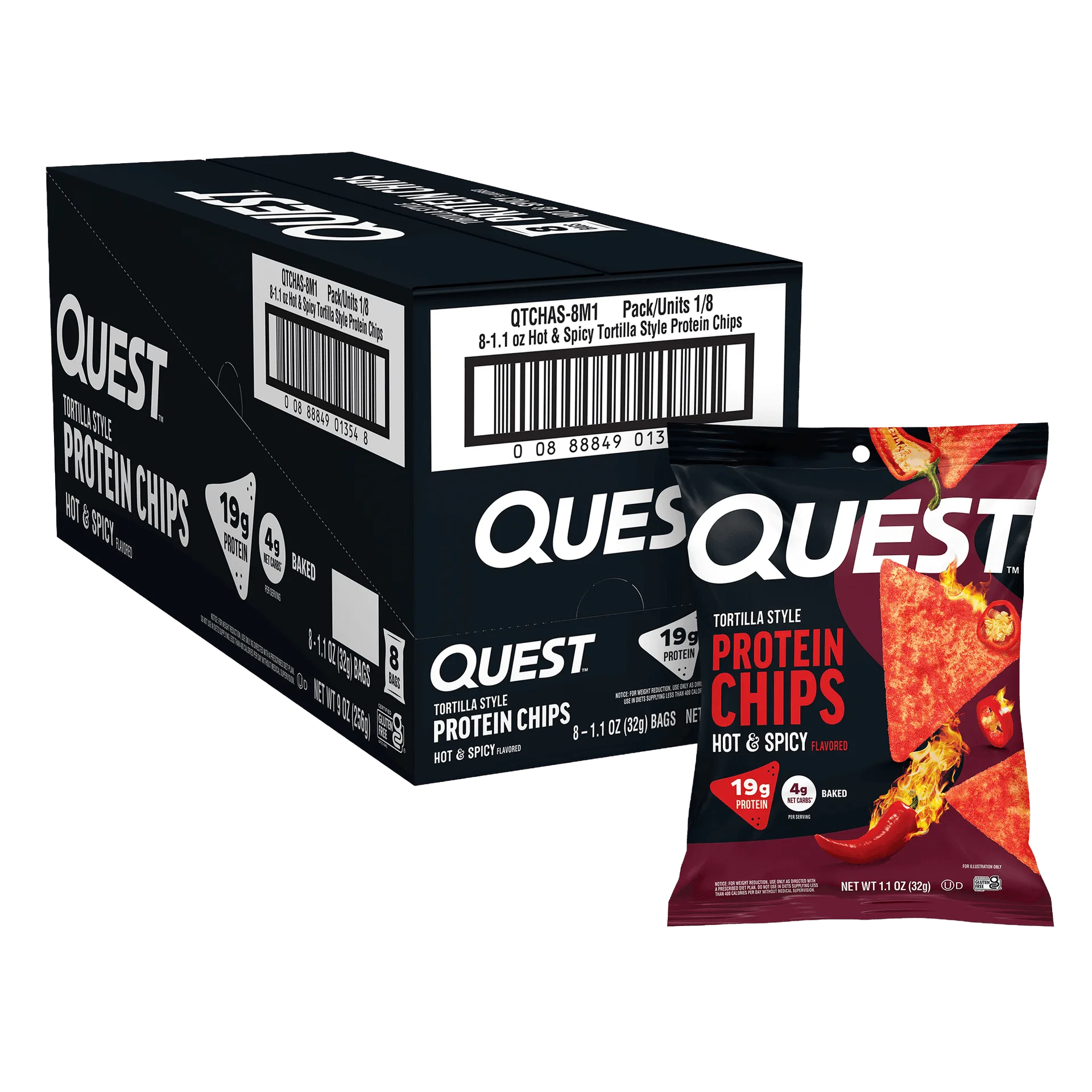
Protein powder shines in savory cooking. You can whisk it into sauces, soups, or scrambled eggs for a protein boost without changing the consistency much. It also works well in homemade protein bars or energy balls where you need a dry binder. For a quick snack, try mixing unflavored powder into a batch of https://questnutritionshop.com/products/loaded-taco-tortilla-style-protein-chips-38337Loaded Taco Tortilla Style Protein Chips-inspired seasoning blend.
Protein shakes are less suited for hot cooking because heat can cause the proteins to denature and clump. However, they excel in cold preparations like smoothies, overnight oats, chia pudding, or protein coffee. You can pour a shake into your morning iced coffee for a creamy, sweet boost without any mixing.
- Add protein powder to warm oatmeal or cream of wheat after cooking to avoid graininess.
- Use a protein shake as a liquid base for no-cook puddings or parfaits.
Which Is More Versatile for No-Cook Recipes?
For no-cook recipes, both have strengths. Protein powder is ideal for homemade protein bars, truffles, or fat bombs where you need a dry ingredient to bind with nut butter or coconut oil. It also mixes easily into yogurt or cottage cheese for a quick, high-protein snack. The key is to choose a flavor that complements your ingredients — vanilla or chocolate works with most sweet recipes.
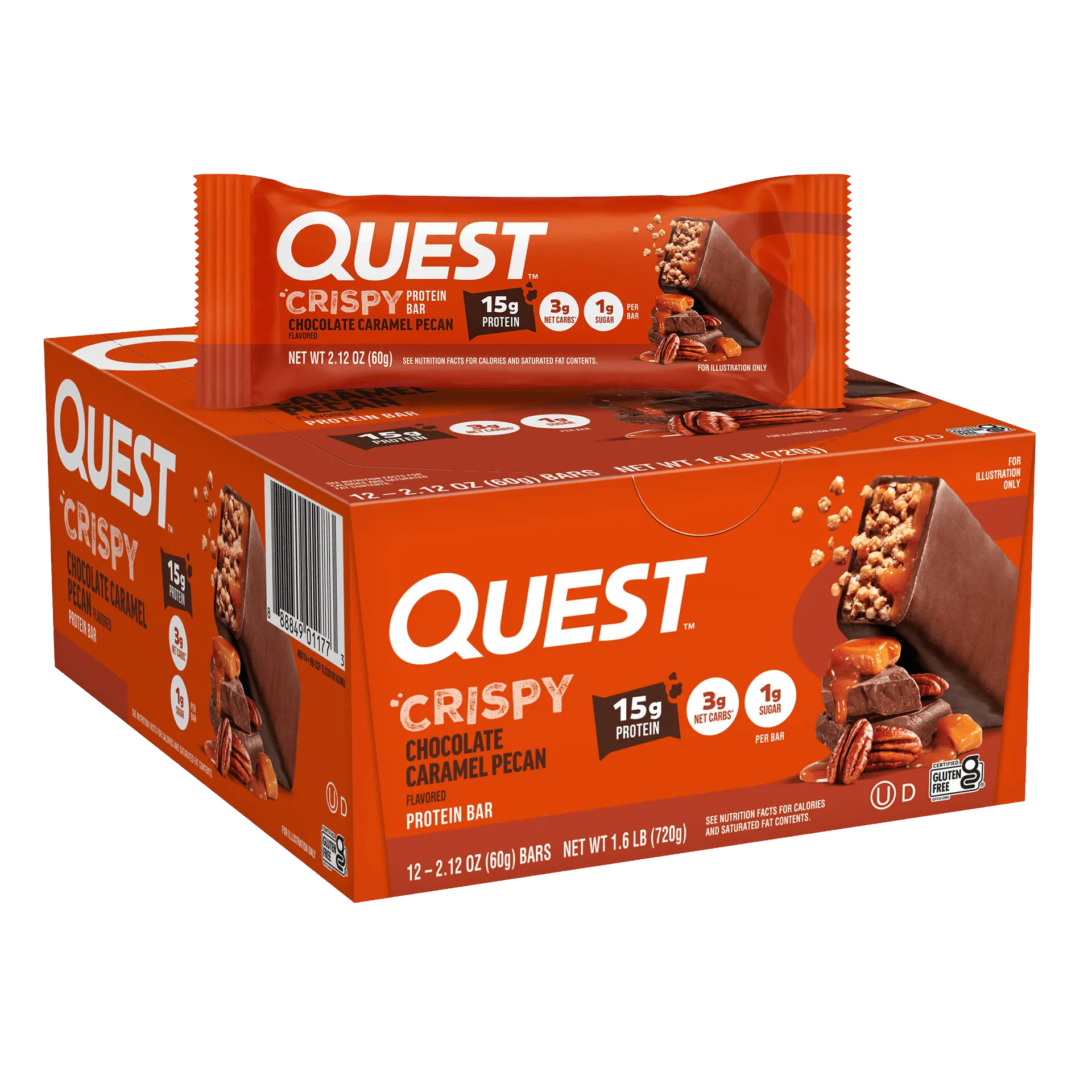
Protein shakes are the ultimate convenience for no-cook meals. You can drink them straight, blend them into smoothies, or use them as a liquid in protein pudding. They eliminate the need for a shaker bottle or blender. For a simple dessert, freeze a Chocolate Caramel Pecan Crispy Hero Protein Bars-inspired shake into popsicles or blend with ice for a frosty treat.
- For a no-cook protein boost, stir a scoop of powder into Greek yogurt and top with nuts.
- Use a protein shake as a quick base for a smoothie bowl — just add frozen fruit and blend.
Practical Tips for Choosing Between Them
If you love baking or making savory dishes, protein powder is more versatile. It gives you control over texture, flavor, and sweetness. You can also use it in recipes that require a dry ingredient, like coating chicken or mixing into meatballs. For example, a vanilla or unflavored powder works well in a protein-packed meatloaf.
If you prioritize speed and convenience for cold drinks or simple no-cook meals, protein shakes are your best bet. They're portable and require no prep. For a balanced approach, keep both on hand: powder for cooking and baking, shakes for on-the-go nutrition and quick smoothies.
- Store protein powder in a cool, dry place to prevent clumping.
- Shake protein shakes well before using, as ingredients can settle.
Ultimately, protein powder wins for overall recipe versatility — especially in baking and cooking. But protein shakes are unbeatable for convenience in cold, no-cook recipes. Choose based on how you plan to use them, and don't be afraid to stock both for different kitchen tasks.