Quick answer
Choose protein powder when you want the lowest cost per gram of protein and don't mind mixing a shaker. Choose ready-to-drink shakes when speed, portability, and consistent taste matter more than price. For most people, the right answer is having both: powder for daily at-home use and RTD bottles for travel, work, or post-workout convenience.
Cost per serving: powder wins on price, RTD wins on time
Powder almost always costs less per serving than bottled shakes because you're not paying for water, packaging, and shipping weight. A tub of Transparent Labs Grass-Fed Whey Protein Isolate provides 30 servings at 28g protein each, while a 12-pack of Atkins Vanilla High Protein Shake gives you 12 servings at 15g protein each. Even before doing the math, the powder format delivers more protein per dollar in most cases.
But cost per serving isn't the only number that matters. RTD shakes eliminate the need for a shaker, water, and cleanup. If you're buying a bottled shake instead of a vending machine snack or skipping protein altogether, the convenience premium is often worth it.
Protein amount and ingredients: check the label, not the format
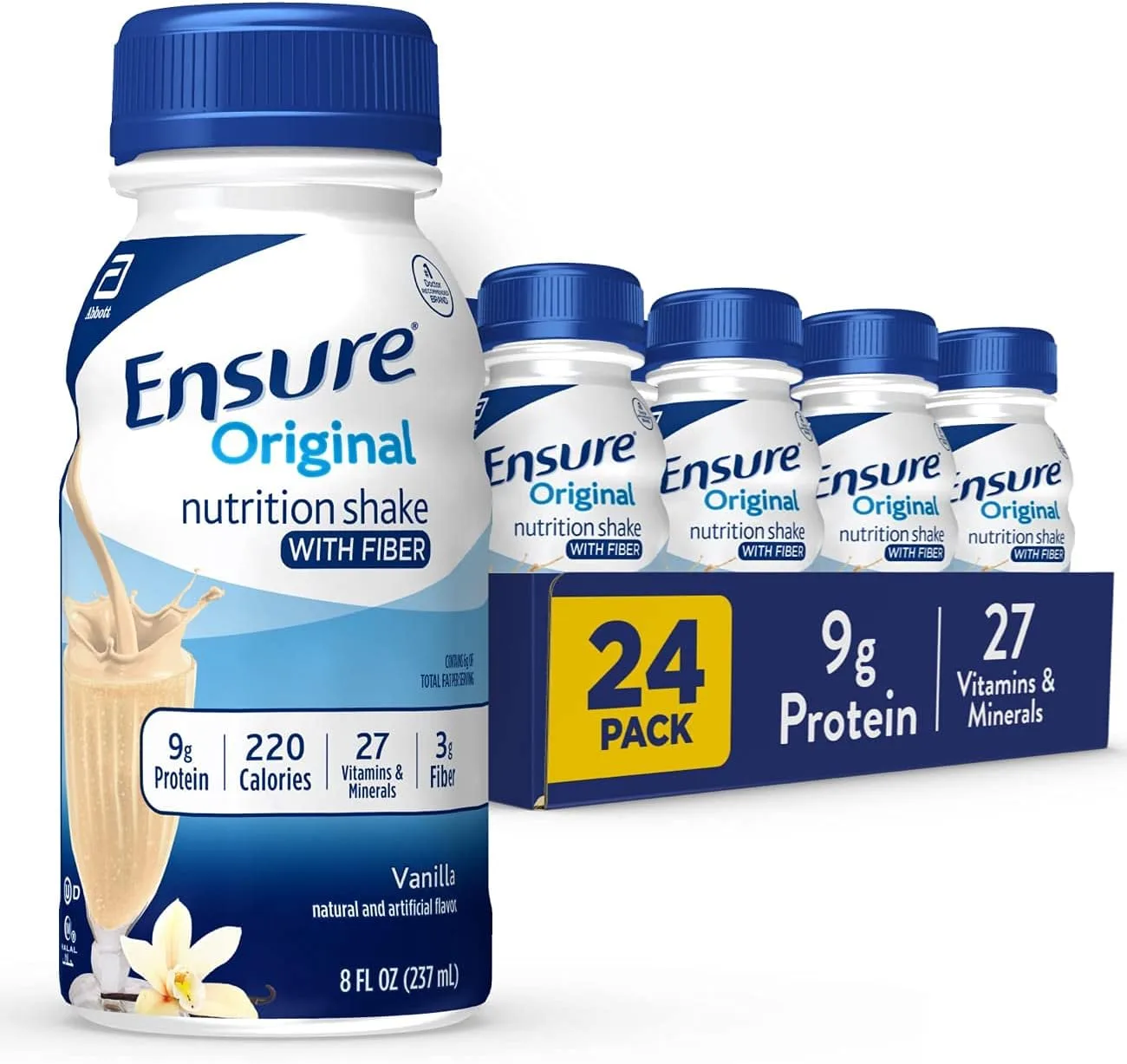
Protein content varies widely in both categories. Muscle Milk Genuine Protein Shake delivers 25g protein with zero sugar and 5g fiber per 11.16 fl oz bottle. Ensure Plus Vanilla Nutrition Shake with Fiber provides 16g protein plus 27 vitamins and minerals per 8 fl oz serving, positioning it as a meal replacement rather than a pure protein shake. Atkins Vanilla High Protein Shake offers 15g protein with low glycemic impact and minimal sugar, aimed at low-carb and keto-friendly diets.
Powders give you more control over what else goes into your shake. Transparent Labs Grass-Fed Whey Protein Isolate is naturally flavored, gluten-free, and provides 28g protein plus 9 amino acids per serving. If you want to add fruit, oats, or nut butter, powder is the flexible base. RTD shakes are fixed formulas: what's in the bottle is what you get.
Convenience and portability: RTD wins for travel and busy days
Ready-to-drink shakes are shelf-stable, require no preparation, and fit in a bag or desk drawer. That makes them practical for commutes, flights, long shifts, or any situation where you can't stop to mix a drink. The trade-off is weight and volume: a 12-pack of bottles is heavier and bulkier than a tub of powder that makes 30 servings.
Powder requires a shaker and liquid, and it can clump if you don't mix it well. But once you're at home or have access to water, powder is faster to restock and easier to store long-term. Many people keep both: powder as the daily default, RTD bottles as the backup.
Taste and texture: powder offers variety, RTD offers consistency
RTD shakes are manufactured to a consistent texture and flavor, so you know exactly what you're getting every time. Powder lets you adjust thickness by changing the amount of water or milk, and you can blend it with other ingredients. If you dislike the texture of one powder, you can usually fix it with a different liquid ratio or a blender; with RTD, the texture is set.
Neither format is inherently better. If you want a shake you can drink without thinking, RTD is simpler. If you like tuning your shake to your taste, powder gives you more room to experiment.
Trade-offs at a glance
- Cost per serving: Powder typically costs less per gram of protein because you're not paying for water, bottles, and shipping weight. RTD shakes cost more per serving but save time and cleanup. If budget is the priority, start with powder. If time is the priority, RTD earns its premium.
- Protein control: Powder lets you adjust serving size, liquid, and add-ins. RTD shakes are fixed formulas with a set amount of protein, sugar, and fiber per bottle. Choose powder if you want to customize; choose RTD if you want a no-decision option.
- Portability: RTD bottles are ready anywhere and need no shaker or water. Powder requires preparation and a container, but stores more compactly for the number of servings. Keep RTD for travel and busy days; keep powder for home and office.
- Ingredient transparency: Both formats list ingredients, but powders often let you see the full amino acid profile and avoid certain additives. RTD labels show the final formula but not always the source of each ingredient. If you have specific dietary restrictions, read both labels carefully and choose the one that matches your needs.
Product facts
- Atkins Vanilla High Protein Shake, 15g Protein, Low Glycemic, Low Carb and Low Sugar Protein Shakes, Keto Friendly Ready to Drink Shakes, 12 Vanilla Flavored Protein Shakes: Atkins Vanilla High Protein Shake delivers 15 grams of protein per serving in a ready-to-drink format, with low glycemic impact and minimal sugar. A good fit if you want a low-carb, keto-friendly RTD option with controlled sugar, though the 15g protein per bottle is lower than some other RTD shakes.
- Muscle Milk Genuine Protein Shake,Vanilla Creme, 11.16 Fl Oz Bottle,25g Protein,Zero Sugar,Calcium,VitaminsA,C,D,5g Fiber,Energizing Snack,Workout Recovery,Packaging May Vary,12 Count (Pack of 2): Muscle Milk Genuine Protein Shake provides 25g of protein per 11.16 fl oz bottle with zero sugar, 5g fiber, calcium, and vitamins A, C, and D. Higher protein and added fiber make this a stronger choice for post-workout recovery or a filling snack, especially if you want zero sugar.
- Transparent Labs Grass-Fed Whey Protein Isolate - Naturally Flavored, Gluten Free Whey Protein Powder with 28g of Protein per Serving & 9 Amino Acids - 30 Servings, Milk Chocolate: Transparent Labs Grass-Fed Whey Protein Isolate is naturally flavored, gluten-free, and provides 28g of protein plus 9 amino acids per serving, with 30 servings per container. Best for daily at-home use when you want the lowest cost per serving and the flexibility to mix with your own liquids and add-ins.
- Ensure Plus Vanilla Nutrition Shake With Fiber | Meal Replacement Shake | Ready to Drink | 16g Protein and 27 Vitamins and Minerals | 8 fl oz - 24 Pack: Ensure Plus Vanilla Nutrition Shake with Fiber is a ready-to-drink meal replacement shake with 16g protein and 27 vitamins and minerals per 8 fl oz serving. Useful when you need a balanced meal replacement rather than a pure protein shake, but it's not designed for high-protein post-workout recovery.
Which should you choose?
Best for
- Daily at-home protein shake drinkers who want the lowest cost per serving
- People who like to customize thickness, flavor, and add-ins like fruit or oats
- Anyone who wants to hit 25–30g protein per shake without paying for bottled convenience
Not for
- Travelers and commuters who need a shelf-stable shake with no preparation
- People who dislike mixing, cleaning shakers, or measuring scoops
- Those who want a consistent, ready-to-drink texture every time without adjusting liquid ratios