Quick answer
If your priority is the lowest cost per gram of protein and you have access to a shaker and water, protein powder is the more economical daily driver. If you need zero prep, shelf stability, and a reliable portion you can grab from a gym bag or carry-on, ready-to-drink shakes win. Many people keep both: powder for home and RTD for travel or backup.
Compare the real cost per serving, not the sticker price
A tub of powder usually costs more upfront than a single RTD bottle, but the per-serving math flips when you divide by the number of servings. For example, a 24-serving collagen powder at $18.21 works out to about $0.76 per serving, while a 12-pack of RTD shakes at $20.08 is roughly $1.67 per bottle. That gap widens across a month of daily use. However, powder requires you to supply water, a shaker, and a few seconds of effort, and some powders clump without a blender. RTD shakes bake that labor into the price.
Convenience and shelf life decide where each format actually works
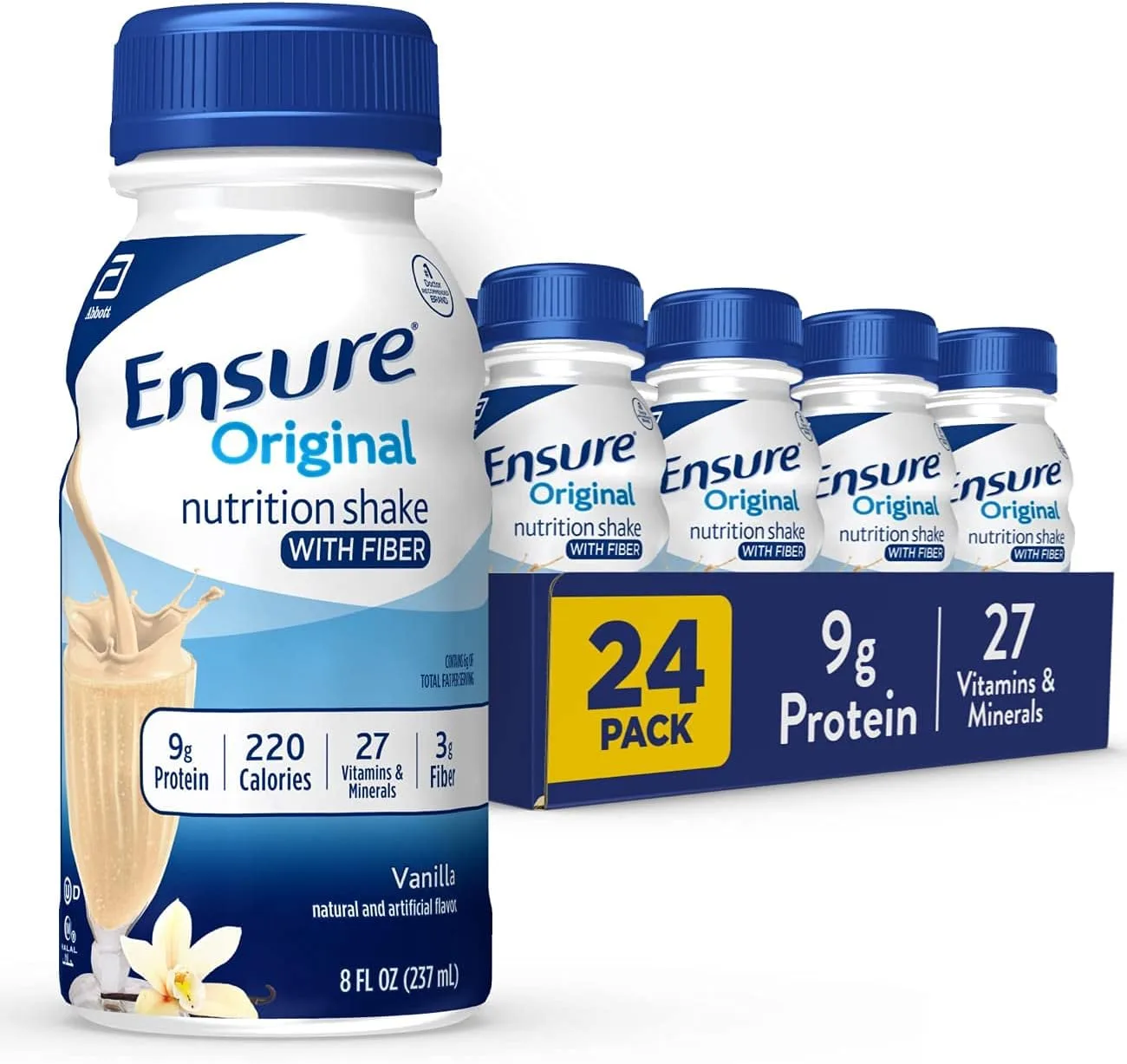
RTD shakes are shelf-stable and pre-portioned, so they survive a glovebox, a desk drawer, or a carry-on without measuring or cleanup. Powder needs a container and liquid, and once mixed it should be consumed within a short window. That makes powder better for a predictable home or office routine, while RTD is the safer bet for unpredictable days, travel, and emergency snacks. If you routinely forget to pack a shaker, an RTD in your bag is the difference between hitting your protein target and skipping it.
Nutrition labels differ in ways that matter beyond protein grams
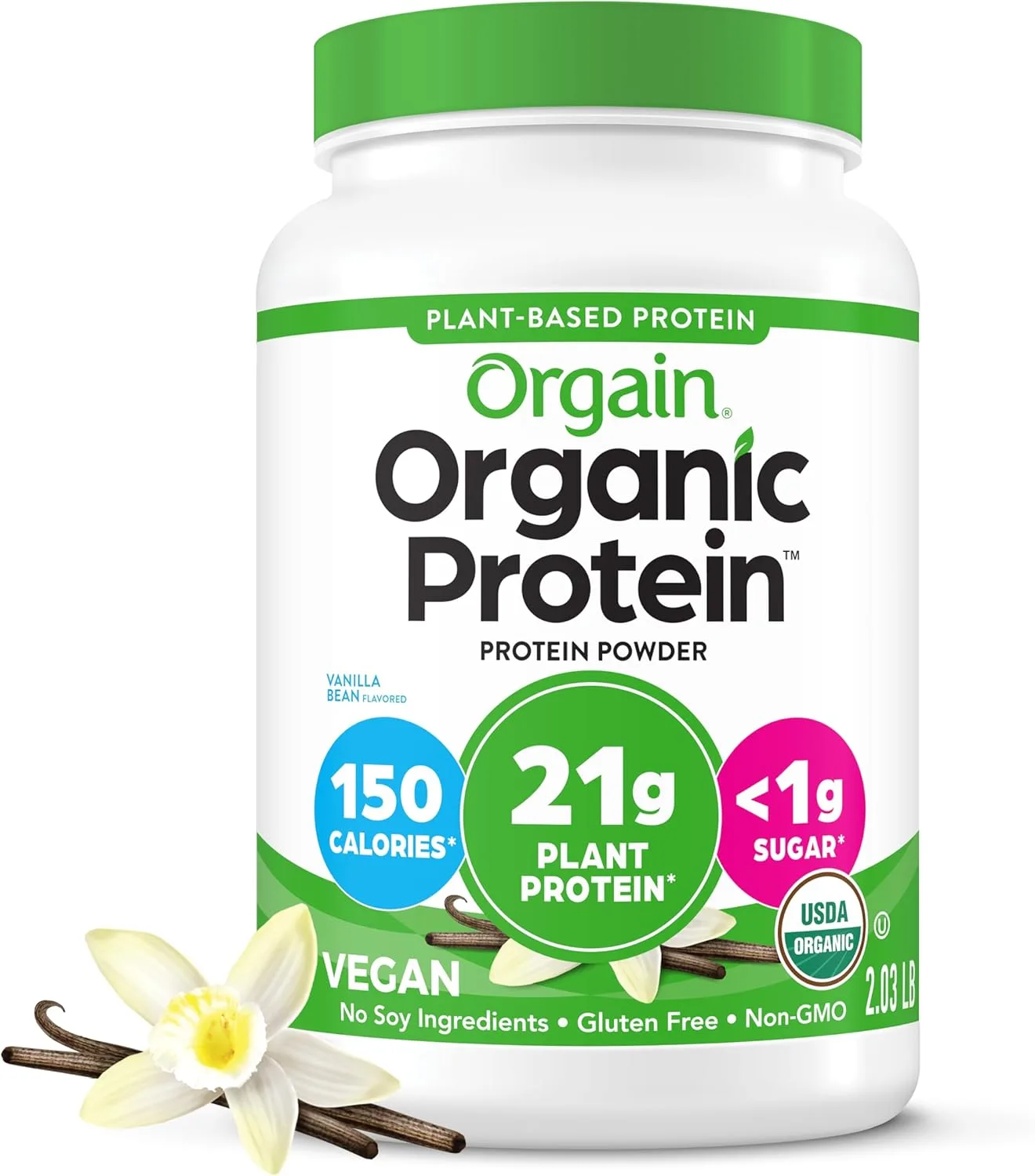
Protein content per serving varies widely. Some RTD bottles deliver 25g or 30g of protein with added fiber and vitamins, while plant-based powders may sit around 21g with prebiotic fiber and no added sugar. Collagen powders are not complete proteins and are typically used for skin, joint, and gut support rather than muscle recovery. Check whether the product includes fiber, sugar, or lactose ingredients, and match those details to your goal instead of assuming all protein formats are interchangeable.
How to split formats across your week
A practical split is powder at home for smoothies, oatmeal, and post-workout shakes, and RTD for commutes, travel days, and the 3 p.m. slump. Keep one or two RTD bottles as a backup so a missed meal does not become a missed protein target. If you lift regularly, choose a powder or RTD with a complete protein source and enough grams to matter. If you are managing lactose or added sugar, read the ingredient list before you commit to a bulk box.
Trade-offs at a glance
- Cost per serving: Powder is usually cheaper per serving than RTD. A 24-serving powder at $18.21 is about $0.76 per serving, while a 12-pack of RTD at $20.08 is about $1.67 per bottle. Choose powder if you use protein daily and want to lower the monthly cost.
- Prep and cleanup: Powder requires a shaker, liquid, and washing. RTD requires opening a bottle and recycling it. Choose RTD if you will not reliably carry and wash a shaker.
- Travel and shelf life: RTD is shelf stable and pre-portioned, so it handles heat, delays, and no-water situations. Powder needs a container and a liquid source. Choose RTD for carry-on, glovebox, and desk-drawer backup.
- Protein source and extras: RTD options may include 25g to 30g protein with fiber and vitamins. Powders range from 21g plant protein to collagen peptides, which are not complete proteins. Match the source to your goal: complete protein for muscle, collagen for skin and joints.
Product facts that shape the choice
- Oikos Protein Shake, Exclusive Variety Pack, 30g High Protein Drinks, Shelf Stable, Ready to Drink, 5g Prebiotic Fiber, 12 fl oz Bottle (8 ct Vanilla, 4 ct Chocolate: Oikos Protein Shake Exclusive Variety Pack includes 8 Vanilla and 4 Chocolate 12 fl oz bottles with 30g of high-quality protein and 5g prebiotic fiber per bottle, and it is shelf stable. The 30g protein dose and shelf stability make this a strong travel or backup option when you cannot mix powder.
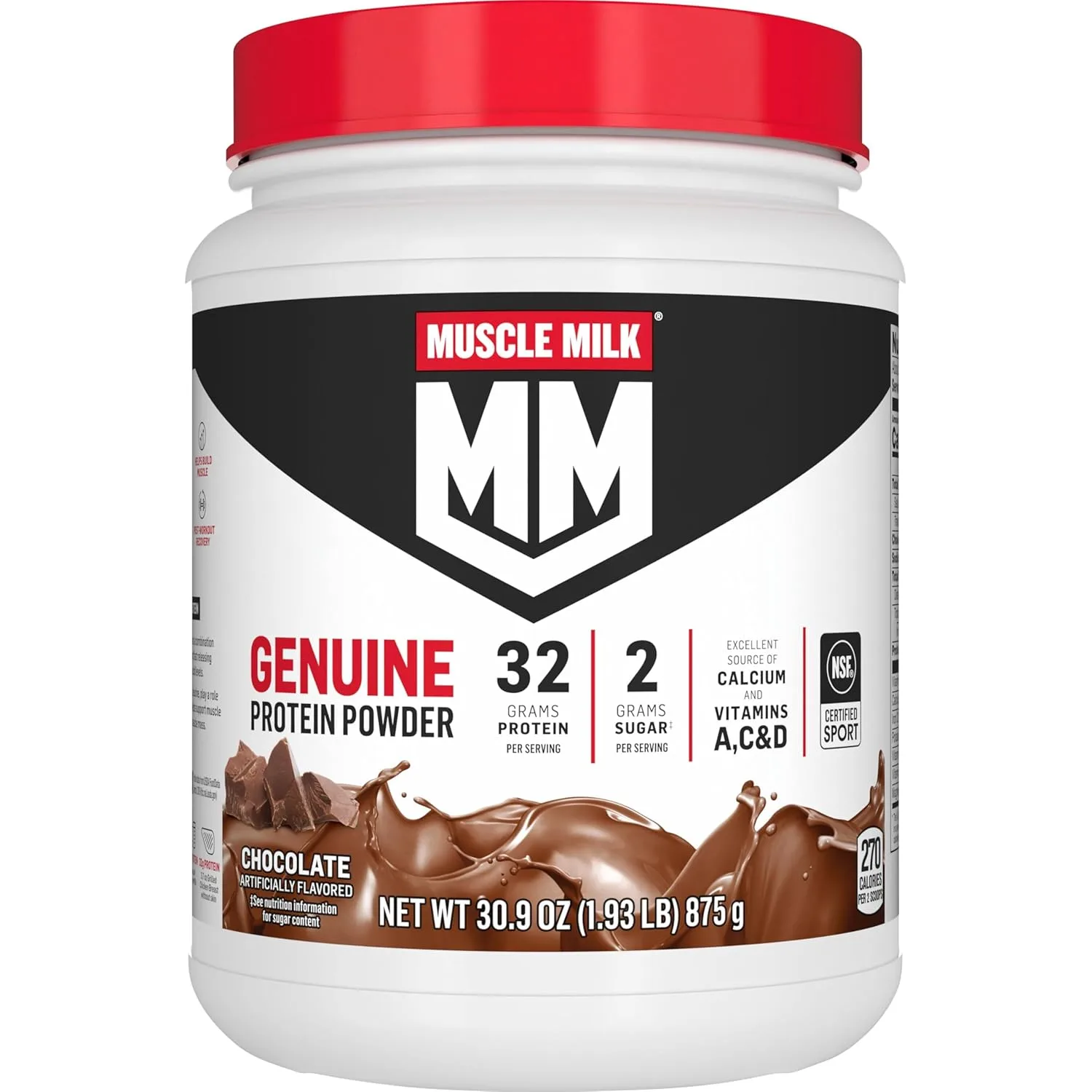
- Muscle Milk Genuine Protein Shake, Vanilla Creme, 11.16 Fl Oz Bottle, 12 Pack, 25g Protein, Zero Sugar, Calcium, Vitamins A, C & D, 5g Fiber, Energizing Snack, Workout Recovery, Packaging May Vary: Muscle Milk Genuine Protein Shake in Vanilla Creme provides 25g of protein, zero sugar, 5g of fiber, calcium, and vitamins A, C, and D per 11.16 fl oz bottle in a 12-pack. Zero sugar and added vitamins suit someone who wants a grab-and-go recovery drink without preparing a shaker.
- Orgain Organic Vegan Protein Powder, Chocolate Peanut Butter - 21g Plant Protein, 6g Prebiotic Fiber, Low Net Carb, No Lactose Ingredients, No Added Sugar, Non-GMO, For Shakes & Smoothies, 2.03 lb: Orgain Organic Vegan Protein Powder in Chocolate Peanut Butter delivers 21g of plant protein and 6g of prebiotic fiber per serving, with low net carb, no added sugar, and no lactose ingredients. This is the lower-cost-per-serving, plant-based, lactose-free powder option for daily home use.
- Ancient Nutrition Collagen Peptides Powder, Multi Collagen Protein, Women & Men, Vitamin C, Probiotics, Hydrolyzed Collagen, Supports Skin, Joints, Gut Health, Chocolate, 24 Servings: Ancient Nutrition Collagen Peptides Powder in Chocolate is a multi collagen protein with hydrolyzed collagen peptides, Vitamin C, and probiotics, providing 24 servings and intended to support skin, joints, and gut health. Collagen is not a complete protein for muscle recovery, so choose it for skin, joint, and gut goals rather than post-workout muscle repair.
Which format fits your routine?
Choose this if
- You want the lowest cost per serving and have a shaker and water at home or work.
- You prefer a plant-based, lactose-free powder with no added sugar for daily smoothies.
- You need shelf-stable, pre-portioned protein for travel, commuting, or emergency meals.
- You want a zero-sugar RTD with added vitamins for post-workout or afternoon backup.
Skip this if
- You expect collagen powder to replace a complete protein for muscle recovery.
- You want zero prep and no cleanup but are only considering powder.
- You want the absolute lowest upfront cost and are only considering a 12-pack of RTD.
- You need a lactose-free option but have not checked the ingredient list on your chosen RTD.