Baking with protein has become a popular way to boost the nutritional profile of your favorite treats, from muffins and pancakes to cookies and brownies. But when you’re ready to whip up a high-protein dessert, you face a key decision: should you use a protein shake or protein powder? Both options can add protein to your recipes, but they behave very differently in the oven. Understanding these differences can help you achieve the perfect texture and taste every time.
In this guide, we’ll compare protein shakes and protein powder for baking, covering moisture content, flavor impact, and practical tips. Whether you’re a seasoned baker or just starting your high-protein journey, you’ll learn which ingredient works best for your next creation. We’ll also highlight some delicious Quest products that can elevate your baking game.
Why Bake with Protein?
Adding protein to baked goods isn’t just a trend—it’s a smart way to make your treats more satisfying and nutritious. Protein helps keep you full longer, supports muscle repair, and can stabilize blood sugar levels compared to traditional high-carb desserts. For fitness enthusiasts, busy parents, or anyone looking to enjoy a sweet indulgence without the guilt, high-protein baking offers a balanced alternative.
When you bake with protein, you’re essentially swapping or supplementing some of the flour or sugar with a protein source. This changes the chemistry of your recipe. Protein powders are concentrated and dry, while protein shakes are liquid and often contain added ingredients like milk, stabilizers, and sweeteners. Knowing how each behaves in the batter is crucial to avoid dense, rubbery, or overly dry results.
- Protein powder adds dry volume and requires careful hydration to avoid a chalky texture.
- Protein shakes bring moisture and can replace some or all of the liquid in a recipe.
- Both options can significantly increase the protein content per serving.
Protein Powder in Baking: The Classic Choice
Protein powder, especially whey or casein varieties, has long been a staple in high-protein baking. It’s versatile, shelf-stable, and allows you to control the exact amount of protein you add. When mixed into batters, protein powder acts like a dry ingredient—similar to flour—but it absorbs more liquid. This means you often need to adjust the liquid content in your recipe to prevent dryness.
One of the biggest advantages of protein powder is its ability to create a chewy, satisfying texture in items like protein bars and cookies. For example, using a chocolate-flavored protein powder can give your brownies a rich, fudgy consistency without extra sugar. However, overheating protein powder can cause it to become tough or develop a bitter taste, so it’s best to bake at moderate temperatures and avoid overmixing.
- For best results, sift protein powder with dry ingredients to avoid clumps.
- Consider using a blend of whey and casein for a balance of texture and moisture retention.
- Always taste-test your batter—some protein powders have a strong artificial sweetener aftertaste.
Protein Shakes in Baking: A Liquid Alternative
Protein shakes, like the https://questnutritionshop.com/products/strawberry-45g-protein-milkshake-38370Strawberry 45g Protein Milkshake, offer a convenient liquid protein source that can replace milk, water, or even eggs in some recipes. Because they are pre-hydrated and often flavored, they can simplify the baking process and add a creamy, smooth texture. Shakes are particularly useful in recipes that require a lot of liquid, such as pancakes, muffins, or quick breads.
Using a protein shake can also help you avoid the dryness that sometimes plagues protein-powder-based baked goods. The shake’s moisture content helps create a tender crumb, and its built-in sweetness means you can reduce added sugar. For instance, swapping regular milk with a vanilla or chocolate protein shake can instantly boost protein without altering the liquid ratio. Just be mindful that shakes may contain gums or stabilizers that can affect the rise of your baked goods.
- Replace up to half the liquid in a recipe with a protein shake for a subtle protein boost.
- Shakes work wonderfully in no-bake recipes like protein pudding or overnight oats.
- Check the shake’s sugar content—some varieties add extra calories that may not fit your macros.
Texture and Flavor: Key Differences
Texture is where protein powder and protein shakes diverge most. Protein powder tends to create denser, chewier baked goods—ideal for brownies, cookies, and bars. In contrast, protein shakes yield lighter, more cake-like textures because they add moisture without the drying effect of powder. If you’re aiming for a fluffy muffin or a soft pancake, a shake is often the better choice.
Flavor-wise, protein powder can sometimes have a chalky or metallic taste, especially if overused. High-quality powders from brands like Quest are formulated to minimize this, but it’s still something to consider. Protein shakes, on the other hand, are designed to be drinkable and often have a smoother, more pleasant flavor profile. For example, the https://questnutritionshop.com/products/vanilla-latte-iced-coffee-38376Vanilla Latte Iced Coffee can add a subtle coffee note to your baked goods, while the Strawberry 45g Protein Milkshake brings a fruity sweetness that pairs well with vanilla or chocolate bases.
- For chewy cookies or dense brownies, stick with protein powder.
- For tender muffins or moist cakes, opt for a protein shake.
- Experiment with combining both—use a small amount of powder for structure and a shake for moisture.
Practical Tips for Baking with Protein
Whether you choose powder or shake, a few simple adjustments can ensure success. First, always preheat your oven and use an oven thermometer—protein-rich batters are sensitive to temperature fluctuations. Second, don’t overmix; protein develops gluten-like structures when agitated, leading to toughness. Third, consider adding a bit of extra fat (like butter or oil) to compensate for the dryness that protein can cause.
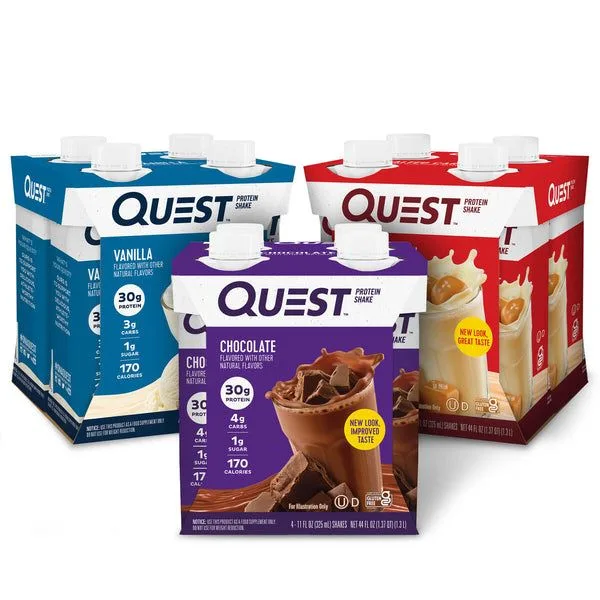
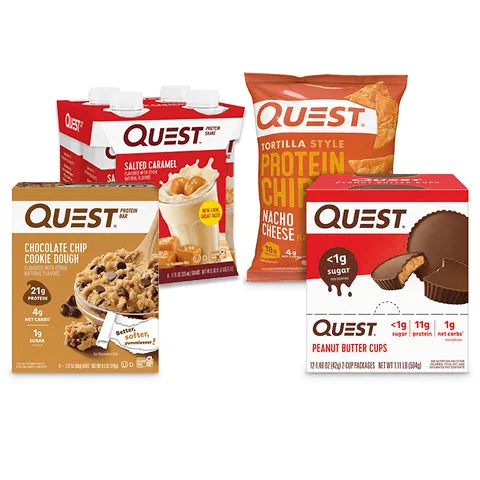
Another pro tip: use a variety pack of protein products to test different flavors and textures. A Bestseller Variety Pack gives you a range of bars and shakes to experiment with, while the Original Chips Variety Pack can even be crushed and used as a crunchy topping for baked goods. Finally, remember that protein bakes often need less time in the oven—start checking for doneness a few minutes early to avoid overbaking.
- Let baked goods cool completely before cutting to prevent crumbling.
- Store high-protein treats in the fridge to maintain freshness and texture.
- Use parchment paper or silicone mats to prevent sticking.
Both protein shakes and protein powder have their place in the kitchen, and the best choice depends on what you’re baking. For dense, chewy treats like bars and cookies, protein powder is your go-to. For lighter, moister creations like muffins and pancakes, a protein shake offers convenience and great flavor. Whichever you choose, Quest has a wide range of high-quality products to support your baking adventures. Explore the Bestseller Variety Pack to start experimenting with different protein sources today!