Quick answer
Choose a ready made protein smoothie or smoothie subscription when convenience and variety matter more than cost per serving, because you skip measuring, blending, and cleanup. Choose protein powder when you want the lowest cost per gram of protein and full control over flavor, sweetness, and add-ins. If you already own a blender and drink the same shake daily, powder is usually the smarter buy; if your mornings are chaotic or you get bored easily, a smoothie box earns its premium.
The protein smoothie box vs powder decision usually comes down to one honest question: what are you actually paying for? Powders sell you protein by the scoop. Ready made smoothies and smoothie subscriptions sell you a finished drink, plus the time and decisions you no longer have to make.
Neither is automatically better. A powder can be cheaper per serving and more flexible, but it only works if you consistently blend it. A ready made protein smoothie removes that friction, but you accept the brand's flavor choices and a higher per-serving price. This comparison walks through the real trade-offs so you can match the format to your routine rather than to marketing.
What you are actually comparing
Protein powder is an ingredient. You buy a tub, scoop it into a shaker or blender, and add liquid, fruit, or ice yourself. That gives you control over thickness, sweetness, and portion size, and it typically stretches further per dollar because you are not paying for packaging, blending, or single-serve format.
A protein smoothie box or subscription delivers finished or near-finished drinks, often in single-serve portions. The appeal is that the decision and the labor are already done. You are buying consistency and time back, not just protein. The trade-off is real: you usually pay more per serving, and you are locked into the flavors and formats the seller offers.
- Powder = ingredient you control; smoothie box = finished product you receive.
- Compare cost per serving, not cost per box, before deciding.
Convenience: where ready made smoothies win
The strongest argument for a ready made protein smoothie is the removal of steps. No scooping, no blender to wash, no guessing how much liquid to add. On a rushed morning, that difference decides whether you actually consume protein or skip it entirely. Convenience is not a luxury here; it is the whole product.
A protein smoothie subscription adds a second layer: automatic restocking. You are not reordering when you run low, and you are not improvising a substitute. For people who abandon powders halfway through a tub, the subscription format can quietly reduce waste by keeping the habit supplied.
The honest trade-off: you surrender control. If a flavor is too sweet or a texture is too thick, you cannot adjust it the way you can with a powder and a blender.
- Count the real steps: scoop, blend, clean, repeat versus grab and go.
- If you have quit powders before, convenience may be worth the premium.
Cost and control: where powder wins
Powder almost always wins on cost per gram of protein, because you are not paying for single-serve packaging, shipping of heavy liquids, or someone else's blending. You also control sweetness, thickness, and add-ins, which matters if you have strong preferences or dietary limits.
That advantage only holds if you use it. A cheap tub that sits unused is more expensive than a pricier smoothie you actually drink. So the fair comparison is not shelf price versus box price; it is cost per serving actually consumed.
Control also cuts both ways. Powder lets you dial in exactly what you want, but it asks you to make decisions every single time. Some people find that motivating; others find it exhausting.
- Divide total cost by number of servings you will realistically drink.
- Powder rewards planners; smoothie boxes reward people who want zero decisions.
Variety, freshness, and storage
Smoothie boxes tend to offer built-in variety, rotating flavors or curated selections that keep the habit interesting. Powders usually mean one flavor at a time, though you can buy several and rotate manually. Variety is a genuine benefit if boredom is what breaks your routine.
Storage differs too. Powders are shelf-stable and compact, so they suit small kitchens and long gaps between uses. Ready made smoothies may need refrigeration or freezer space depending on the format, which is a practical constraint worth checking before you subscribe.
Where a seller does not publish storage or shelf-life details, treat that as a decision limitation and ask before committing to a large order.
- Check whether the smoothie format needs fridge or freezer space.
- If a spec is missing, ask the seller rather than assuming.
How to test before you commit
Do not switch your whole routine at once. Run a two-week trial: use powder on days you have time and a ready made option on days you do not. Track which one you actually finish, and let that decide where your money goes.
If you are choosing between buying formats, the same logic applies to any subscription box decision: start with the smallest commitment, confirm you like the flavor and format, then scale up. That habit protects you from a year of drinks you dread.
For a broader look at matching a box to your life rather than guessing, our guide on choosing a subscription box as a gift covers the same evaluation steps in a different context.
- Run a two-week side-by-side before committing to either format.
- Start small, confirm the flavor, then scale.
Trade-offs at a glance
- Time and effort: Ready made smoothies remove scooping, blending, and cleanup; powders require all three every time. If mornings are the bottleneck, convenience is the deciding factor.
- Cost per serving: Powder usually costs less per gram of protein because you are not paying for single-serve packaging or shipping liquids. Compare cost per serving you will actually consume, not per tub or box.
- Control and flexibility: Powder lets you adjust sweetness, thickness, and add-ins; a smoothie box locks you into the seller's recipe. Pick powder if you have strong preferences; pick a box if you want zero decisions.
- Variety and storage: Smoothie boxes often rotate flavors but may need fridge or freezer space; powders are shelf-stable and compact. Check storage requirements and flavor rotation before subscribing.
Product facts from the catalog
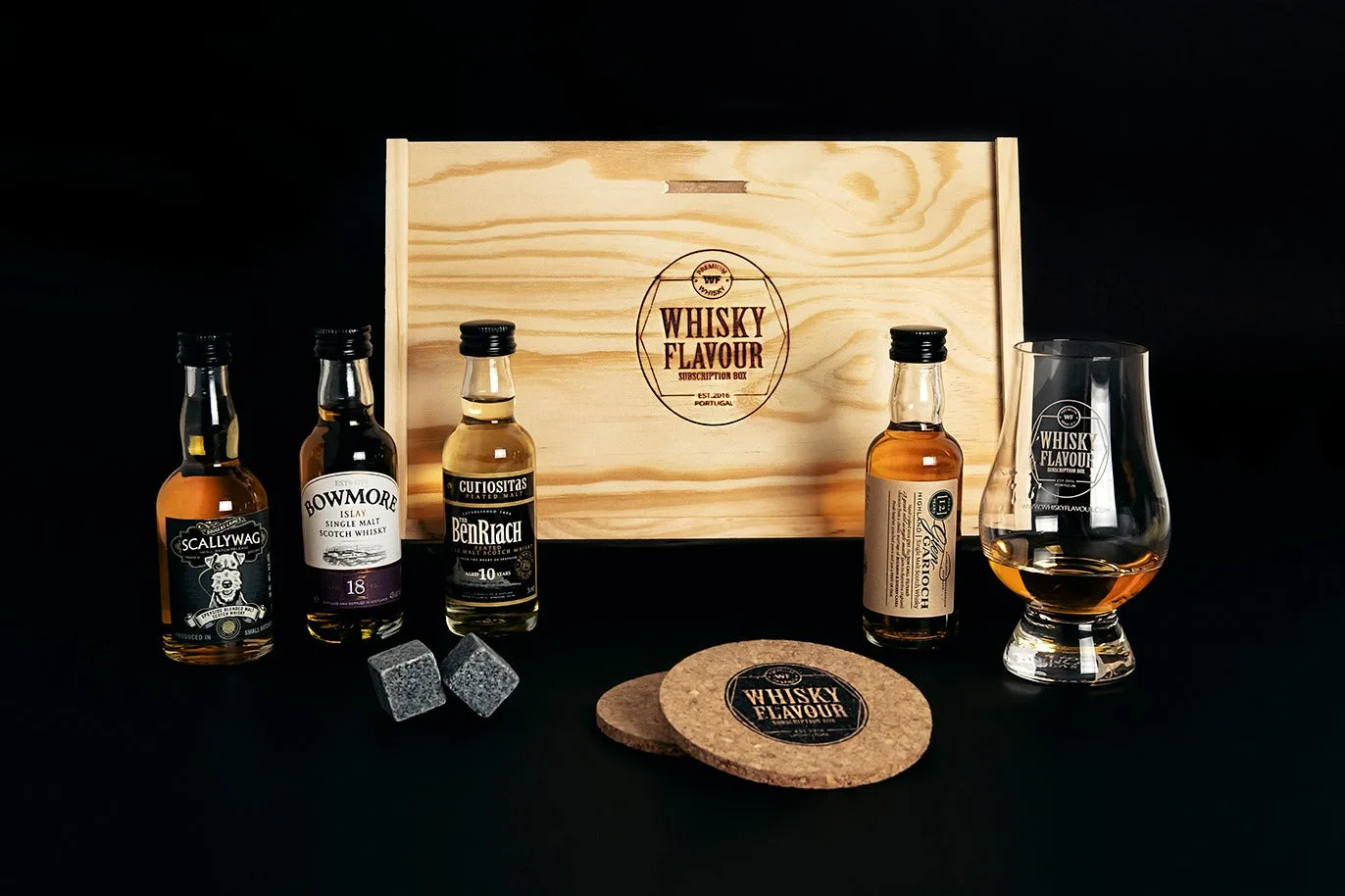
- WHISKY FLAVOUR: Each box includes four branded whisky miniatures, a premium Glencairn glass, a stylish cork cup base, authentic marble ice cubes, and snacks to enhance your tasting adventure. A useful reminder that curated boxes sell the complete experience, not just the core item, which is the same premium logic behind ready made smoothie boxes.
- Bath, Body & More: Handcrafted bath and body products delivered, with a guaranteed $120+ value in each box and 5+ products. Shows how subscription boxes justify their price through bundled value and variety rather than the lowest unit cost.
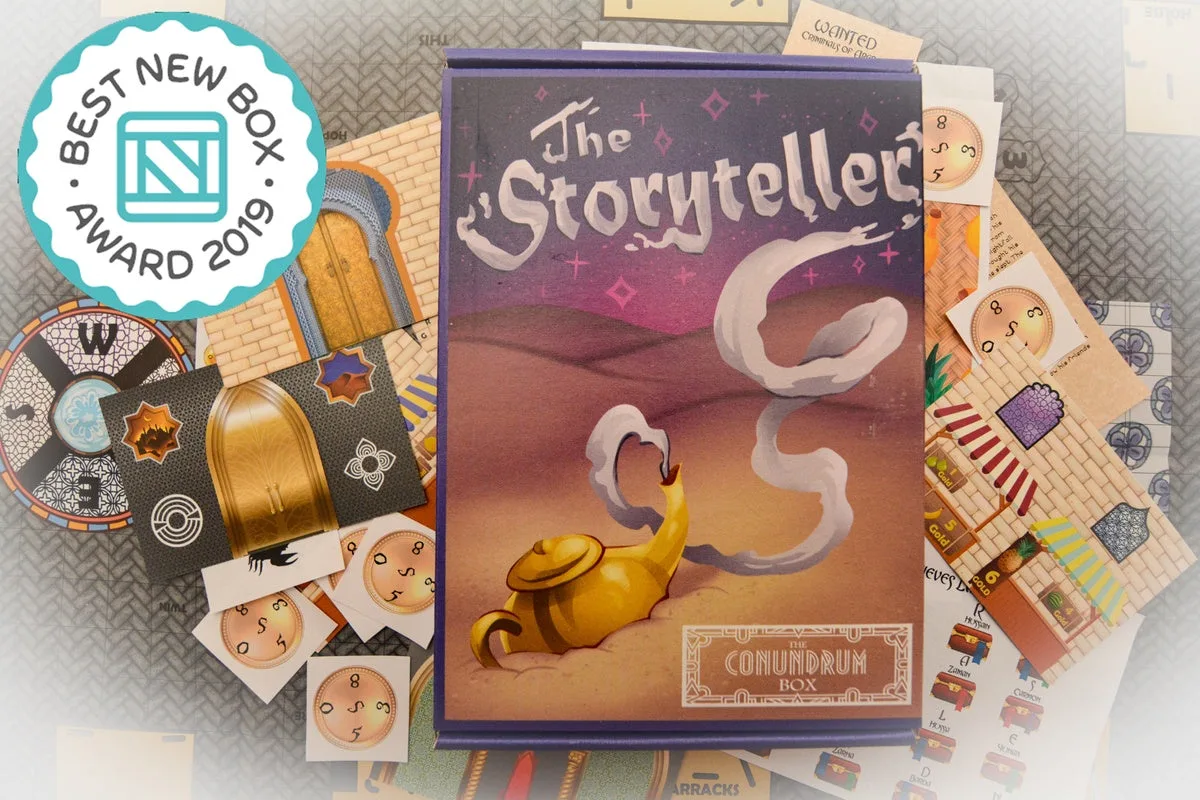
- The Storyteller - TWO GAME SET: Two-box set with 1.5-3 hours of medium-difficulty gameplay per box. Illustrates the same trade-off as ready made smoothies: you pay for a prepared, guided experience instead of assembling it yourself.
Which one fits you
Best for
- People with chaotic mornings who skip protein when prep is required
- Anyone who has bought powder before and stopped using it
- People who want automatic restocking and built-in flavor variety
Not for
- Budget-focused buyers who want the lowest cost per gram of protein
- People who already blend consistently and enjoy controlling flavor and texture
- Small kitchens with no fridge or freezer space for ready made drinks
There is no universal winner in the protein smoothie box vs powder debate, only a better fit for your week. If convenience is what makes you actually drink protein, a ready made smoothie or subscription earns its higher price. If cost and control matter more and you will genuinely blend, powder remains the smarter buy. Test both for two weeks and let your own consistency decide.