Quick Answer
For beginners, start with a simple protein powder that fits your dietary needs and taste preferences. Look for a product with minimal ingredients, a clear protein source, and a flavor you enjoy. Incorporate it gradually into your routine, using it as a supplement rather than a meal replacement.
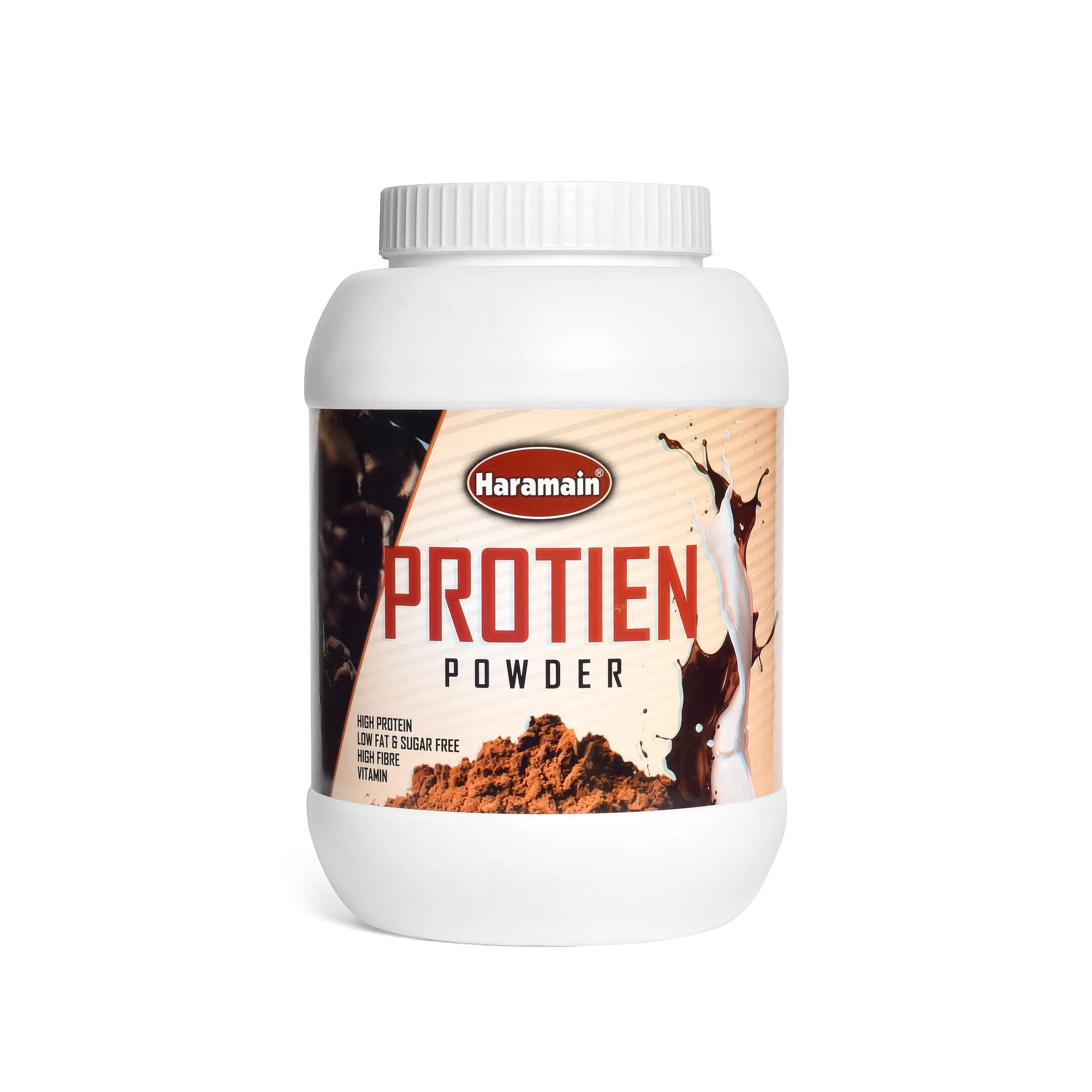
protein powder
If you're new to protein supplements, the sheer number of options can feel overwhelming. Whey, casein, plant-based, and blends—each has its own benefits and drawbacks. This guide breaks down the basics so you can choose a protein powder that fits your goals, lifestyle, and budget.
We'll cover what to look for on the label, how to use protein powder effectively, and when a supplement might not be necessary. By the end, you'll have a clear set of decision rules to guide your first purchase.
Understand Your Protein Needs
Before buying any supplement, estimate your daily protein requirement. For most adults, a general guideline is 0.8 grams per kilogram of body weight, but active individuals may need more. Use this as a starting point; adjust based on your activity level and health goals.
Protein supplements are meant to fill gaps, not replace whole foods. If you already eat a balanced diet with meat, dairy, legumes, or tofu, you may not need a supplement at all. Start by tracking your typical intake for a few days to see where you stand.
- Calculate your baseline protein needs before shopping.
- Consider your activity level—more exercise often means more protein.
Choose the Right Type of Protein
Whey protein is a complete protein derived from milk, quickly absorbed, and ideal post-workout. However, if you're lactose intolerant or vegan, plant-based proteins like pea, rice, or soy are better options. Casein digests slowly, making it a good choice before bed, but it's also milk-based.
Blends combine different sources to balance absorption and amino acid profiles. Read the ingredient list to see exactly what you're getting. Avoid products with excessive additives, artificial sweeteners, or fillers, especially if you prefer a cleaner supplement.
- Whey: fast absorption, great post-workout.
- Plant-based: suitable for vegans and those with lactose issues.
- Casein: slow release, good for overnight recovery.
Read the Label Like a Pro
Check the protein content per serving—aim for at least 15-20 grams. Look at the ingredient list: fewer ingredients often mean fewer unnecessary additives. Also, consider the source quality; for example, products that highlight natural ingredients may align better with your preferences.
Be mindful of added sugars and artificial flavors. Some protein powders taste great but are packed with sugar, which can undermine your health goals. Compare nutrition facts across brands to find a balance between taste and nutritional value.
- Prioritize protein per serving over total weight.
- Watch for hidden sugars and artificial ingredients.
How to Use Protein Powder Effectively
The most common way is to mix a scoop with water or milk in a shaker bottle. You can also add it to smoothies, oatmeal, or baked goods for an extra protein boost. Start with one serving per day, ideally post-workout or as part of a balanced meal.
Timing matters less than total daily intake. Consistency is key—use it daily if you're trying to increase protein, but don't rely on it exclusively. Listen to your body and adjust portion sizes based on your needs and tolerance.
- Mix with water for a lower-calorie option.
- Blend into smoothies for a more filling snack.
Decision Rules for Choosing a Protein Supplement
- Define your goal: Are you aiming to build muscle, lose weight, or simply fill a nutritional gap? Your goal determines the type of protein and how you use it. For muscle gain, whey or a blend is effective; for weight loss, a lower-calorie option with minimal carbs may be better. Clarify your objective before browsing products.
- Check dietary restrictions: If you're lactose intolerant or vegan, avoid whey and casein. Look for plant-based proteins like pea or rice. Always read the allergen information on the label to prevent adverse reactions. Choose a protein source that aligns with your dietary needs.
- Evaluate ingredient quality: Opt for products with a short ingredient list and no artificial additives. If you prefer natural ingredients, look for certifications or statements about purity. Be cautious of proprietary blends that hide exact amounts. Transparency in labeling is a good sign of quality.
Related Products from Haramain
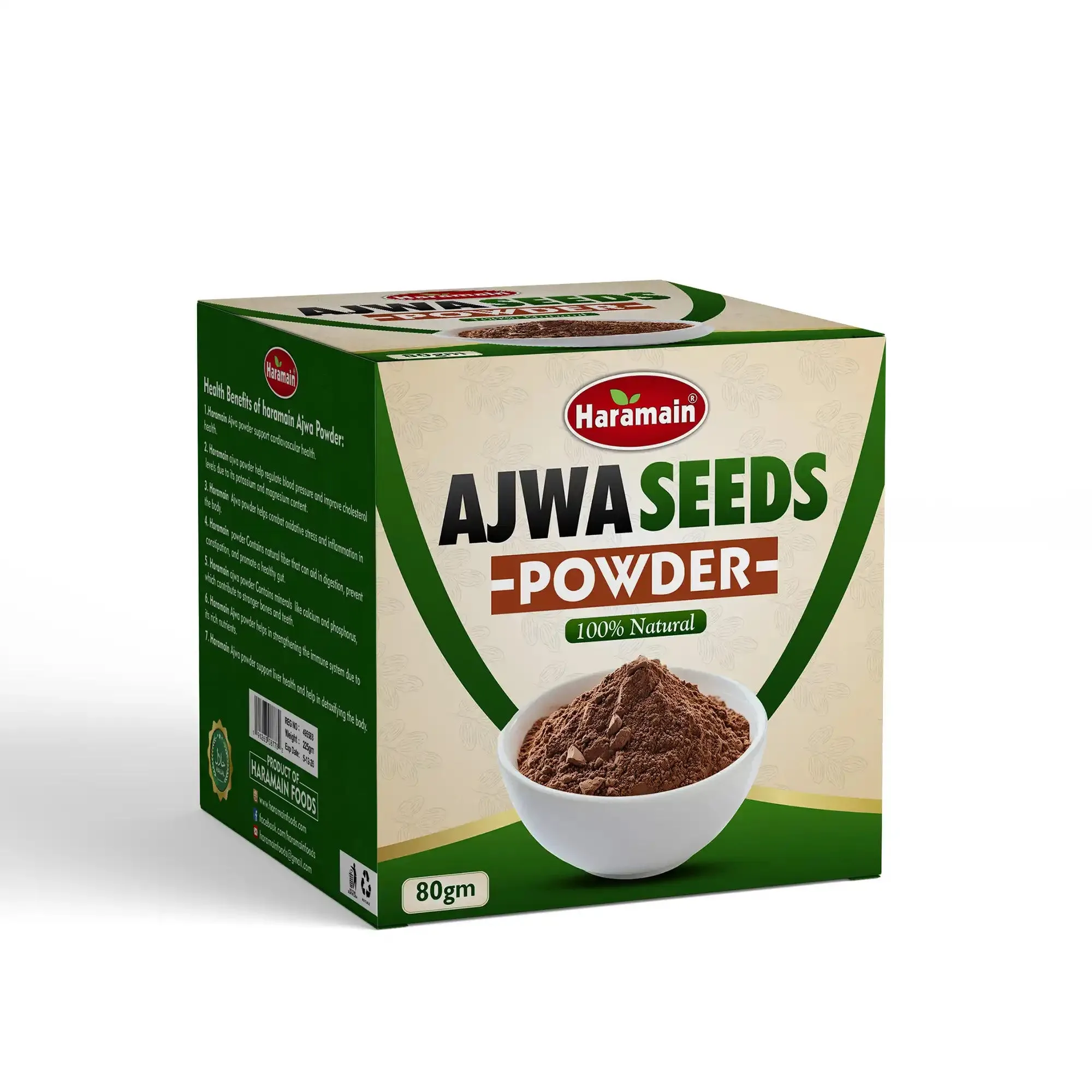
- Ajwa Seeds Powder: Pure Tradition. Heart-Healthy Nourishment. Effortless Wellness. Experience the remarkable benefits of Ajwa dates in a convenient, easy-to-use form with Haramain Ajwa Seed Powder. Expertly formulated and meticulously crafted, this powder delivers the unique properties of premium Ajwa dates—renowned for their exceptional sweetness and holistic health benefits—right into your daily routine. If you're looking for a natural, plant-based supplement to add to your routine, Ajwa Seeds Powder offers a convenient way to incorporate the benefits of Ajwa dates without altering your diet significantly.
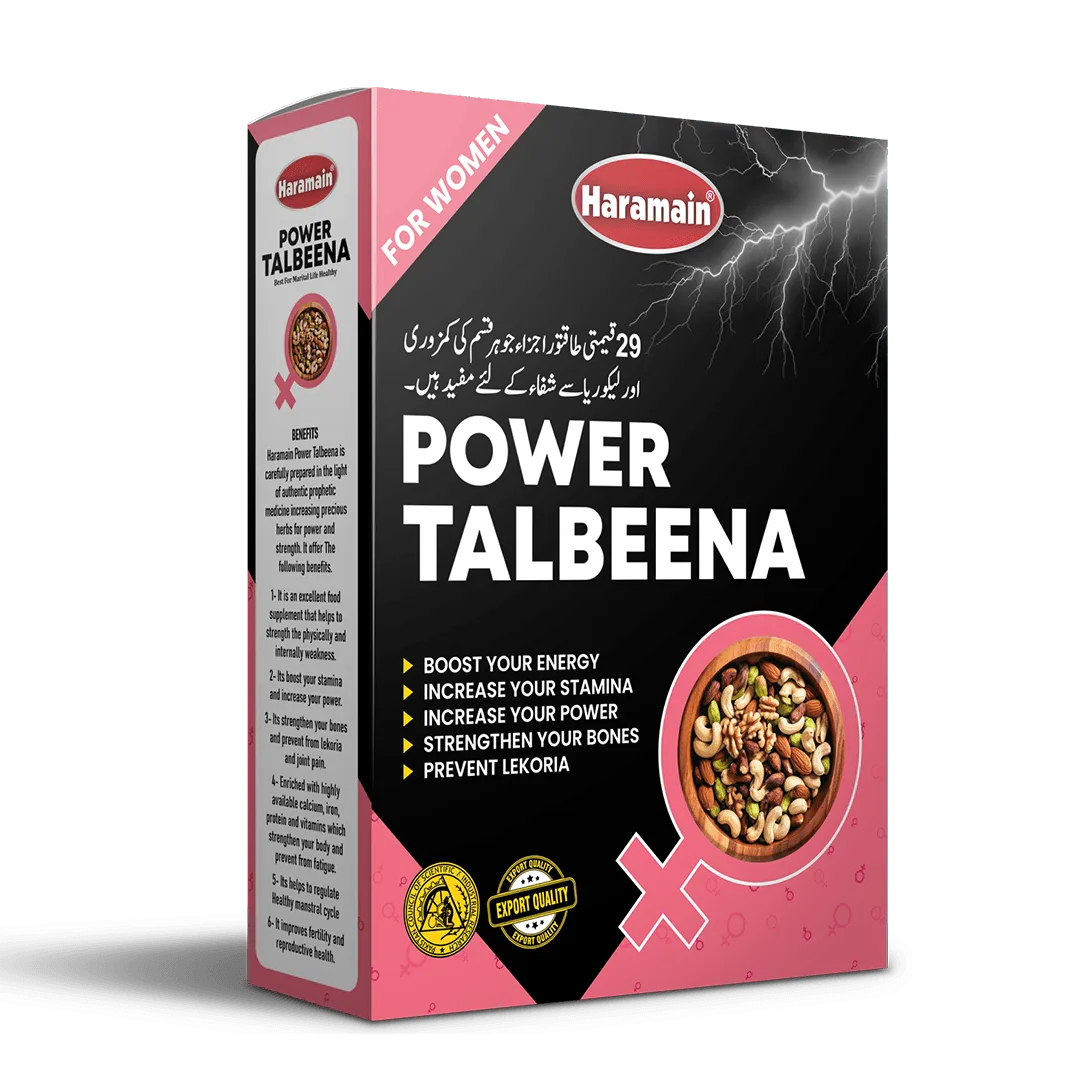
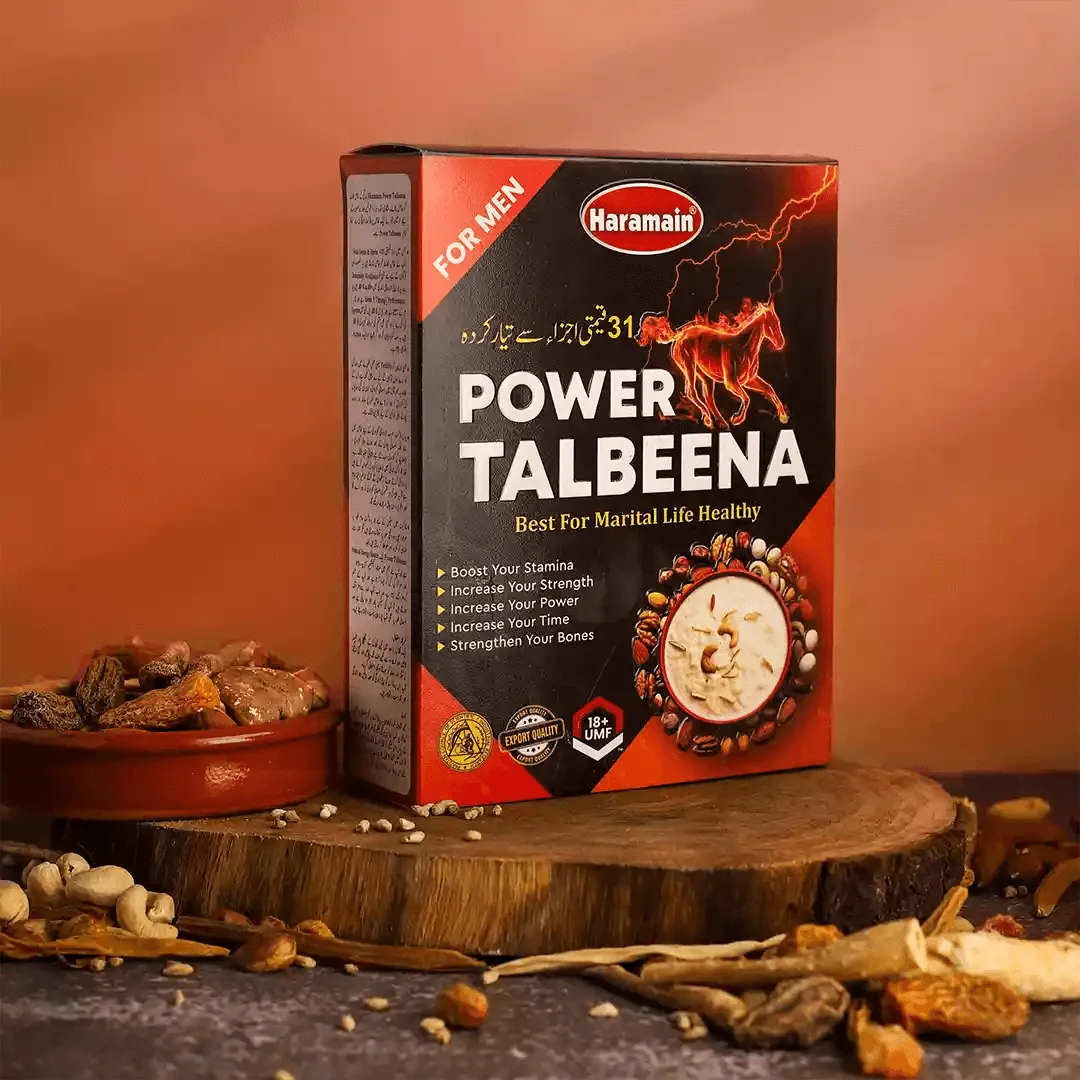
- https://haramainfoodsrxz.com/products/power-talbeena-for-woman-02c138eb98917016b6d02a64-799446Power Talbeena For Woman: Power Talbeena is made to fuel the body with vitamins and minerals and is a superfood straining all nutrients. It provides energy, strengthens bones, and promotes general well-being. With this potent blend, you can have a daily boost. For women seeking a nutrient-dense supplement that supports energy and bone health, Power Talbeena offers a wholesome option beyond just protein, making it a versatile addition to a balanced diet.
Who Should Consider a Protein Supplement?
Best for
- Active individuals who struggle to meet protein needs through food alone.
- People with busy schedules who need a convenient protein source on the go.
Not for
- Those who already consume adequate protein through a balanced diet.
- Individuals with kidney issues who should consult a doctor before adding protein supplements.
Choosing a protein supplement doesn't have to be complicated. Start by understanding your needs, reading labels carefully, and using the product consistently. Remember, supplements are just that—supplements to a healthy diet. With the right choice, you can support your wellness journey effectively.