Quick answer
Choose an iron supplement based on your goal and tolerance: ferrous bisglycinate or iron bisglycinate is gentle for daily use, while ferrous sulfate provides more elemental iron per tablet for diagnosed anemia. Take iron with vitamin C or a meal containing meat, and keep it away from calcium, coffee, and tea. Most adults need 15–30 mg of elemental iron daily for maintenance, but only a blood test can confirm deficiency and the right dose.
vitamin C
Iron deficiency is the most common nutrient deficiency worldwide, but taking the wrong iron supplement can leave you constipated, nauseous, or still anemic. This guide cuts through the label claims and gives you decision rules for choosing a form, dose, and schedule that fit your body and your bloodwork.
You will learn how to read elemental iron on a label, which forms are gentler on the stomach, when to take iron for best absorption, and who should avoid iron altogether. We also cover how to pair iron with other nutrients and when to ask your doctor for a recheck.
How to read an iron supplement label
The number that matters is elemental iron, not the total compound weight. For example, ferrous sulfate is about 20% elemental iron, so a 325 mg tablet delivers roughly 65 mg of usable iron. Ferrous gluconate and ferrous fumarate have different percentages, so comparing bottles by pill size alone is misleading. Always look for the elemental iron amount in the Supplement Facts panel.
Labels may also list the form: ferrous sulfate, ferrous bisglycinate, carbonyl iron, or polysaccharide iron complex. Each has a different absorption profile and side-effect risk. If the label does not state elemental iron, treat that as a red flag and choose a brand that does.
- Check the Supplement Facts for 'iron' in mg — that is elemental iron.
- Ignore front-label claims like 'high potency' until you verify elemental iron.
- Keep the bottle: you will need the exact form and dose if your doctor adjusts your plan.
Which form of iron is right for you?
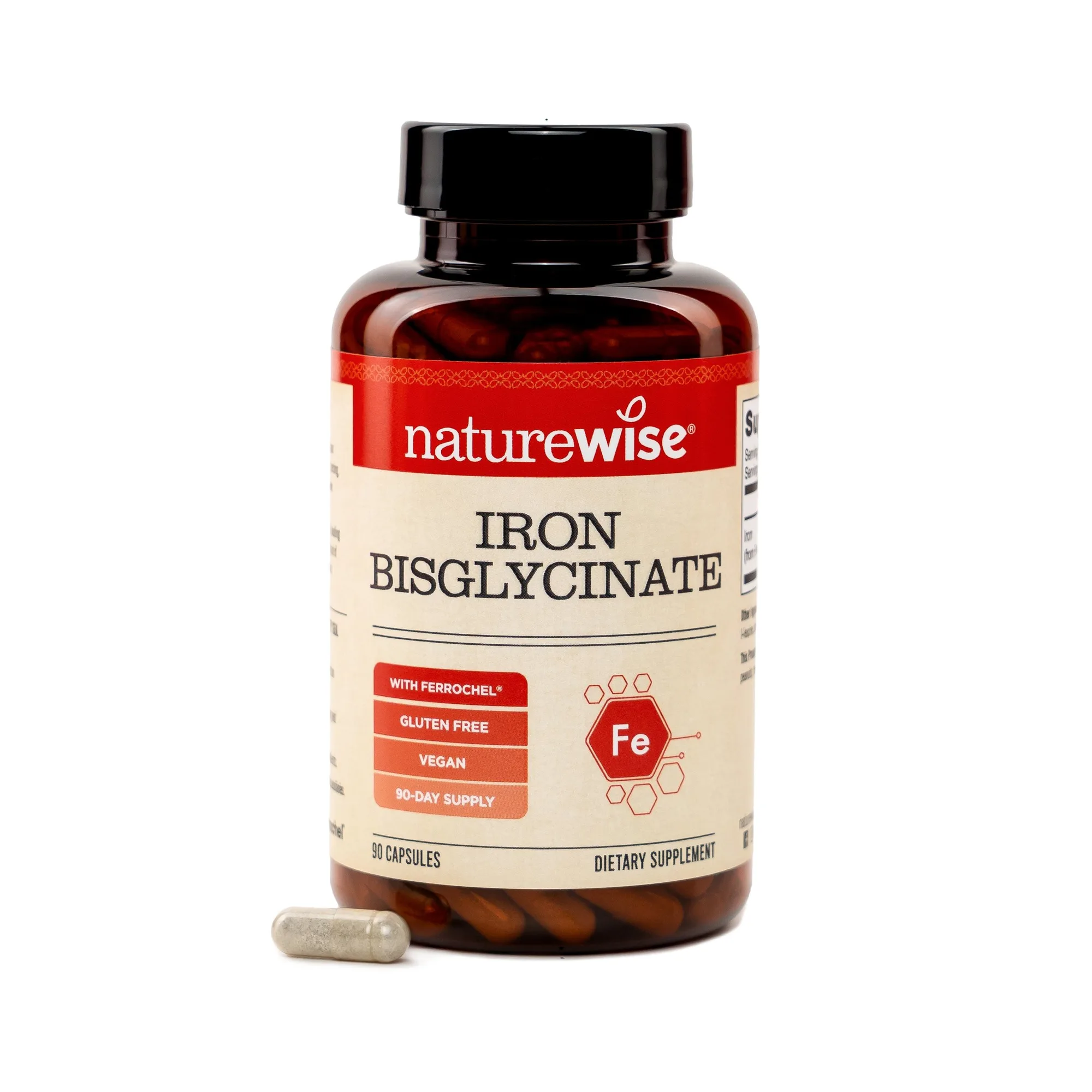
Ferrous sulfate is the most studied and cheapest form, and it is often prescribed for iron-deficiency anemia because it delivers a high dose per tablet. The trade-off is more stomach upset, constipation, and dark stools. Ferrous bisglycinate (also called iron bisglycinate) is chelated to an amino acid, which many people tolerate better, but it typically provides less elemental iron per capsule.
Carbonyl iron and polysaccharide iron complex are other options that tend to be gentler, though they may require higher doses to achieve the same effect. If you have a sensitive stomach, start with a chelated form and increase slowly. If you have diagnosed anemia and need to raise ferritin quickly, a ferrous sulfate product may be more practical under medical guidance.
- Gentle daily maintenance: ferrous bisglycinate or polysaccharide iron complex.
- Diagnosed anemia: ferrous sulfate or ferrous fumarate, often at higher elemental iron doses.
- Always confirm the form and elemental iron with your pharmacist or doctor.
Iron dosage: how much and how often
For general maintenance in adults, 15–30 mg of elemental iron daily is a common range, but needs vary by age, sex, and menstrual status. If you are treating anemia, doses of 60–120 mg of elemental iron daily are sometimes used, often split into smaller doses or taken every other day to improve absorption and reduce side effects.
More is not better. Taking iron every other day can actually increase absorption because it gives your gut time to recover from the previous dose. If you are pregnant or have kidney disease, do not self-dose — follow your clinician's instructions exactly.
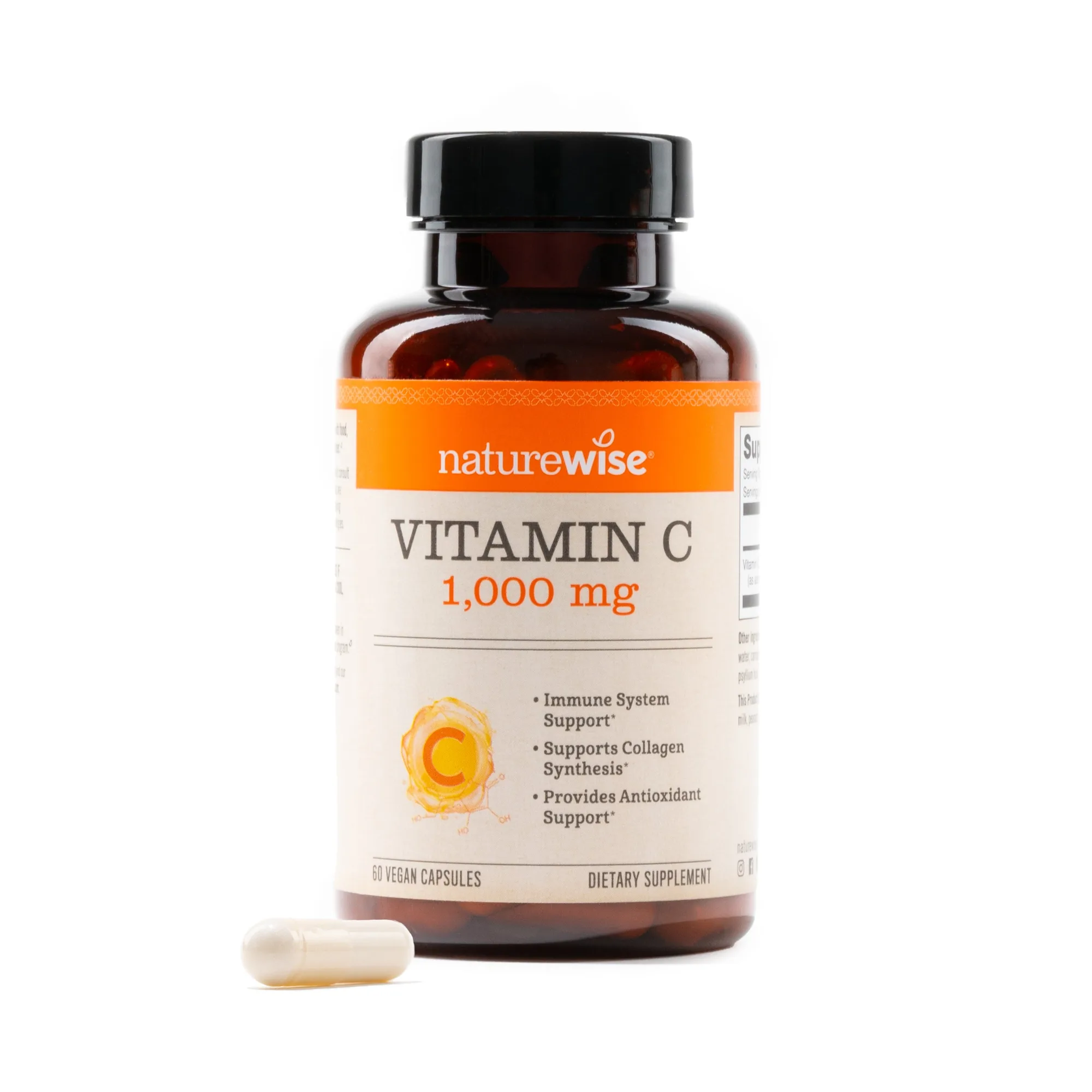
- Take iron with 250 mg of vitamin C or a glass of orange juice to boost absorption.
- Avoid taking iron with calcium, antacids, coffee, or tea — they block uptake.
- If you miss a dose, take it when you remember unless it is close to your next dose; do not double up.
When iron is not the answer
Fatigue, pale skin, and shortness of breath can point to iron deficiency, but they can also signal B12 deficiency, thyroid issues, or sleep problems. Taking iron without a confirmed deficiency can mask other conditions and cause iron overload, which is dangerous for people with hemochromatosis or certain liver conditions.
If you have a history of iron overload, are postmenopausal without bleeding, or take iron for more than a few weeks without improvement, stop and get a complete blood count and ferritin test. Iron for anemia should be guided by labs, not by how tired you feel.
- Get a ferritin and CBC before starting high-dose iron.
- Do not take iron if you have hemochromatosis or unexplained iron overload.
- Recheck labs 8–12 weeks after starting to see if the dose is working.
Decision rules for choosing an iron supplement
- If you have diagnosed iron-deficiency anemia: Choose a ferrous sulfate or ferrous fumarate product that clearly states elemental iron per tablet, and follow your doctor's dose. These forms deliver more iron per pill, which matters when you need to raise ferritin quickly. Checkpoint: confirm the elemental iron amount, not the compound weight.
- If you have a sensitive stomach or take iron for maintenance: Start with ferrous bisglycinate or a polysaccharide iron complex. They are often better tolerated, though you may need a higher dose to match ferrous sulfate. Take with vitamin C and away from calcium. Checkpoint: if nausea or constipation persists after two weeks, switch forms or ask about every-other-day dosing.
- If you are unsure whether you need iron: Do not guess. Get a ferritin and CBC first. If your ferritin is normal, iron will not help fatigue and may cause harm. If it is low, use the result to pick a form and dose with your clinician. Checkpoint: no lab test, no high-dose iron.
Products that support an iron routine
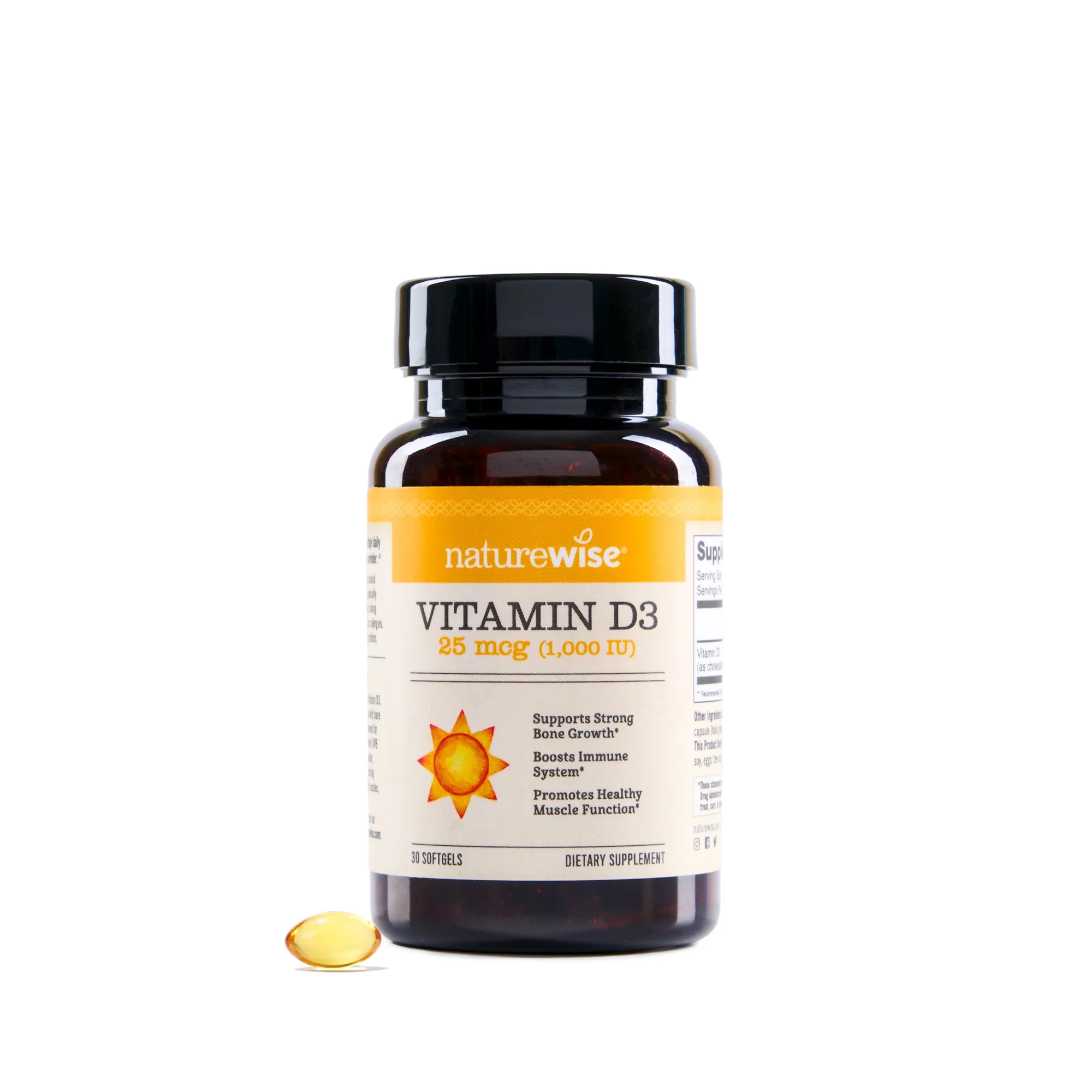
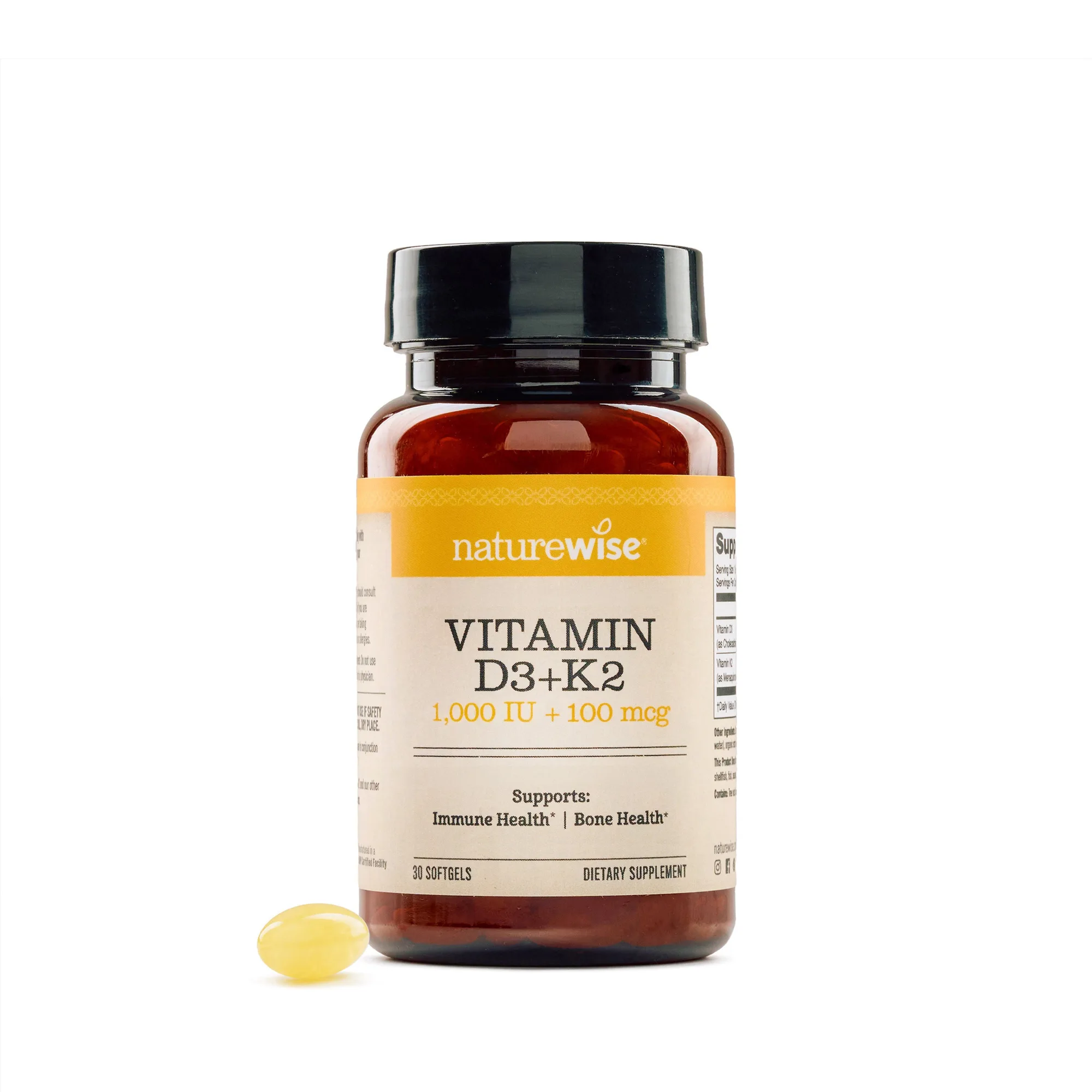
- https://naturewisenmz.com/products/d3-k2-b5064bc030b70ce7cf9f7e43-2611054Vitamin D3 + K2: One-per-day softgel with NSF Certified Gluten Free status, made with organic extra virgin coconut oil. If you take iron daily, a one-per-day D3+K2 softgel keeps your routine simple and avoids gluten for sensitive users.
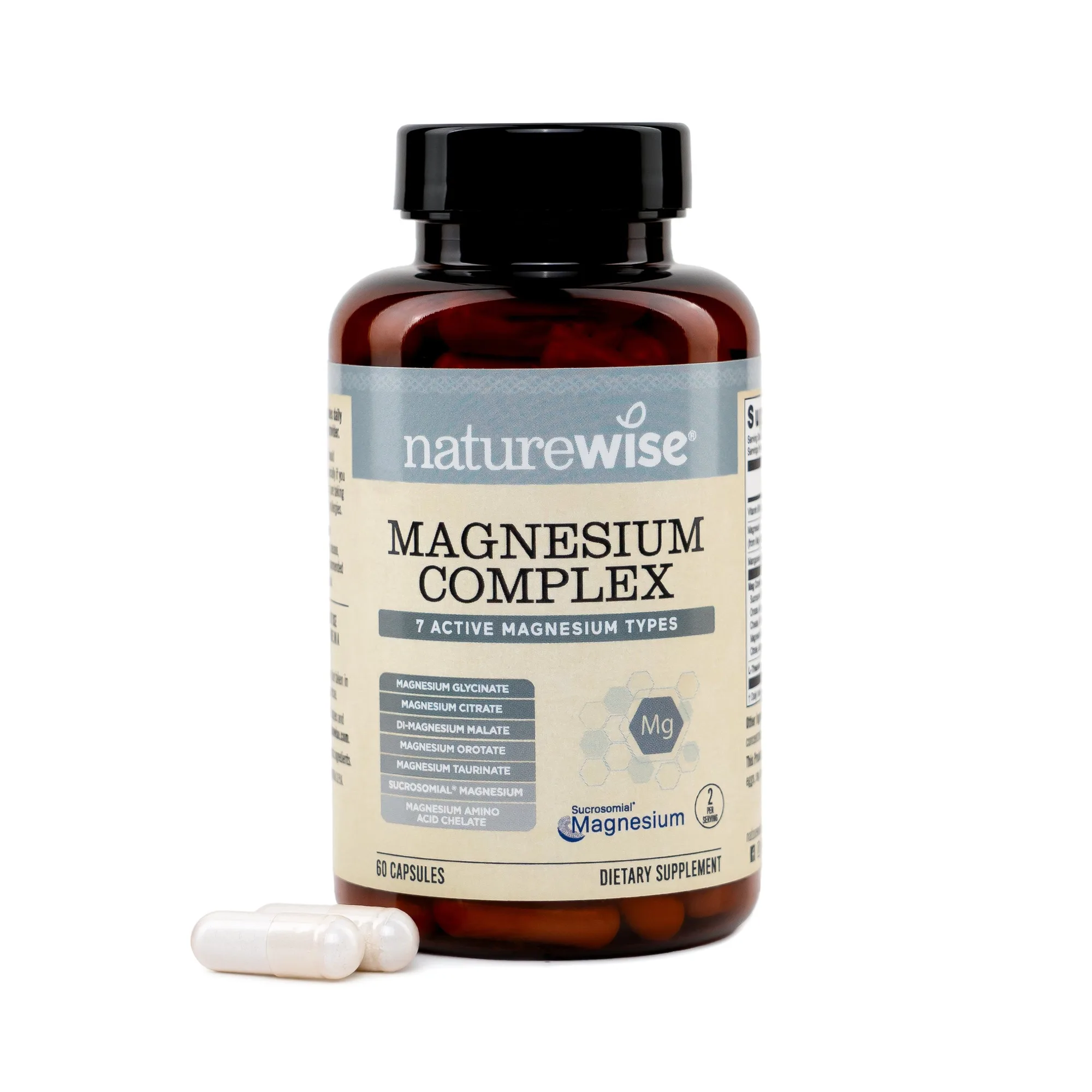
- Magnesium 7 Complex: 500 mg of magnesium per serving from 7 advanced types, including Sucrosomial® Magnesium, and is gentle on the stomach. Iron can cause constipation; magnesium supports regularity and relaxation, and the gentle form may be easier on a sensitive gut.
- Vegan Algae Omega-3: Each serving provides 1458 mg of total algae oil, including 1020 mg of vegan omega-3 in triglyceride form, and is lemon-scented. A plant-based omega-3 that does not interfere with iron absorption, so you can take it alongside your iron regimen without timing conflicts.
Who should choose an iron supplement
Best for
- Adults with a lab-confirmed iron deficiency or iron-deficiency anemia
- People with heavy menstrual bleeding or increased iron needs advised by a clinician
- Vegetarians and vegans who need a gentle, consistent iron source under medical guidance
Not for
- Anyone with hemochromatosis or iron overload
- People with normal ferritin who are looking for a quick energy boost
- Individuals taking calcium, antacids, or thyroid medication without separating doses by at least 2–4 hours
Choosing an iron supplement comes down to three things: the right form for your tolerance, the correct elemental iron dose for your labs, and a schedule that avoids absorption blockers. Start with a blood test, pick a product that lists elemental iron clearly, and recheck your levels in 8–12 weeks. If you are also building a daily routine, a one-per-day Vitamin D3 + K2 and a gentle Magnesium 7 Complex can fit alongside your iron plan without timing conflicts.