Quick answer
Use a waterproof baby pad anywhere a leak would soak through: diaper changes, naked tummy time, post-bath lounging, and stroller or car seat backups. Wash reusable pads after every wet or soiled use with a warm gentle cycle and mild detergent, then air dry or tumble low. Skip fabric softener and dryer sheets, which coat the fibers and reduce absorbency over time.
Where a puddle pad actually earns its keep
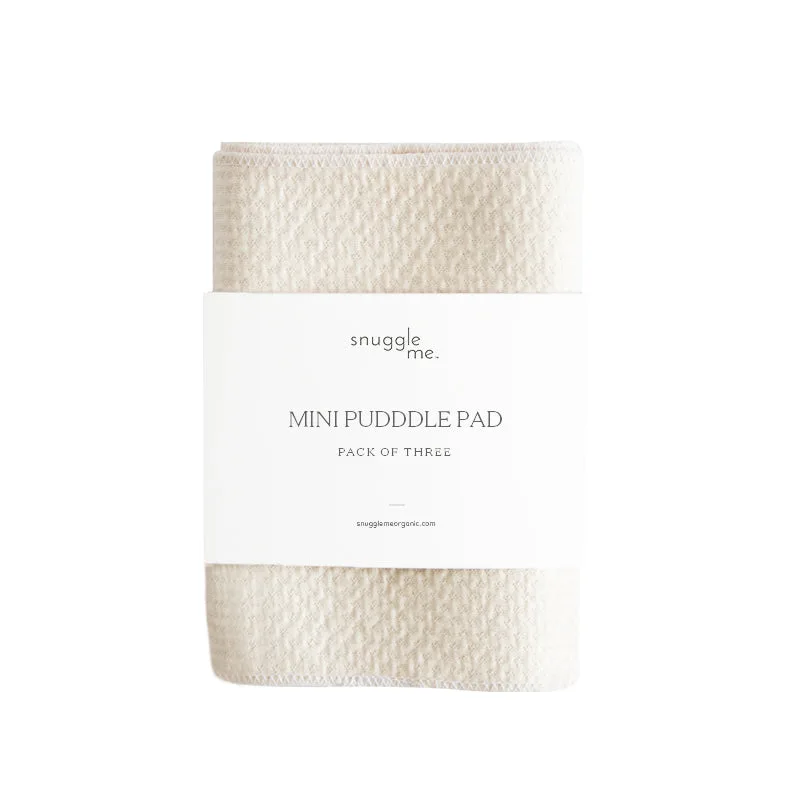
A puddle pad is a waterproof layer with an absorbent top, so it catches what a diaper, a burp cloth, or a towel would otherwise pass through to the surface underneath. The most common puddle pad uses are diaper changes on beds and sofas, naked tummy time, and the minutes after a bath when a baby is still dripping. Keep one folded in the diaper bag for changing tables in public restrooms, and one in the car for blowout emergencies.
The pad is not a substitute for supervision. It protects surfaces, not the baby, so it does not make an unsafe sleep surface safe and does not replace a crib mattress or bassinet. Think of it as a barrier between a mess and something you do not want to wash, and place it only where you are actively watching your baby.
Puddle pads vs disposable changing pads
Disposable pads are thin, cheap per use, and easy to toss, which makes them convenient for travel and for the first messy weeks. Reusable puddle pads cost more up front but hold up to repeated washing, feel softer against skin, and produce less trash. Many families keep both: a reusable waterproof baby pad at home and a few disposables in the diaper bag for the days when you cannot get to a washing machine.
The tradeoff is laundry. A reusable pad only saves money and waste if you actually wash it, so buy two or three so one can be in the wash while another is in use. If you know you will not keep up with laundry, disposables are the more honest choice.
How to wash puddle pads without wrecking the waterproof layer
Shake solids into the toilet, then rinse the pad in cool water before it sits. Wash on a warm gentle cycle with a mild, free-and-clear detergent and a small load so the pad can move. If the care label allows it, tumble dry low; otherwise hang or lay flat to air dry. High heat is the main enemy of the waterproof backing, so avoid hot washes and hot dryers even when the mess feels like it needs one.
Never use fabric softener, dryer sheets, or bleach on a reusable pad. Softener leaves a waxy film that blocks absorbency, and bleach can break down the waterproof coating. If a pad smells after washing, rewash it with a half cup of white vinegar in the rinse instead of reaching for more detergent.
Your puddle pad wash routine, step by step
- Deal with solids before they set: Shake or scrape solids into the toilet, then rinse the pad in cool water. Do not let a soiled pad sit in a hamper for days, because odor and stains set in fast. Checkpoint: the pad should be free of visible solids before it goes in the machine.
- Wash warm and gentle with mild detergent: Use a warm gentle cycle and a small load so the pad can agitate freely. Skip bleach, fabric softener, and dryer sheets. Common mistake: overloading the washer, which leaves detergent trapped in the absorbent layer.
- Dry low or air dry: Tumble dry low if the care label allows, or lay the pad flat to air dry. High heat is what delaminates the waterproof backing. Checkpoint: the pad is fully dry before you fold it and put it away.
- Refresh instead of replacing: If the pad still smells clean but holds less liquid, rewash with a half cup of white vinegar in the rinse to strip residue. Next step: keep two pads in rotation so one is always ready while the other dries.
Products that pair well with puddle pad routines
- Playtime Adventure Set | Pinks (Worth $105): The Playtime Adventure Set includes a soft play mat for tummy time and a set of sensory toys. A puddle pad under the play mat during naked or diaper-free tummy time keeps the floor dry without moving the play space.
- Feeding Support | Moss: The Snuggle Me Feeding Support has narrow ends that tuck behind your back or side and a thick center that brings baby right to you. A small puddle pad tucked under the feeding support during nursing or bottle feeding catches drips before they reach the couch.