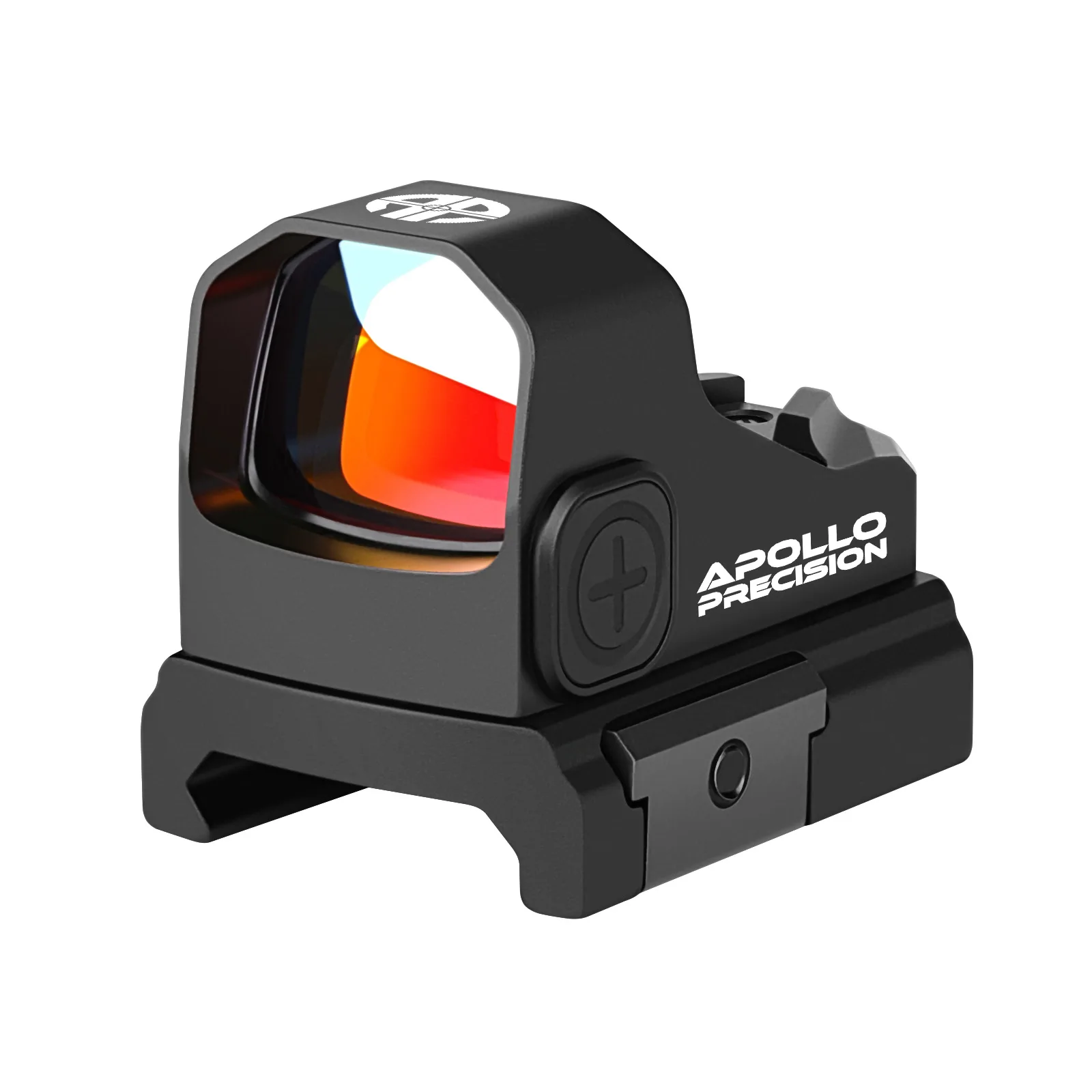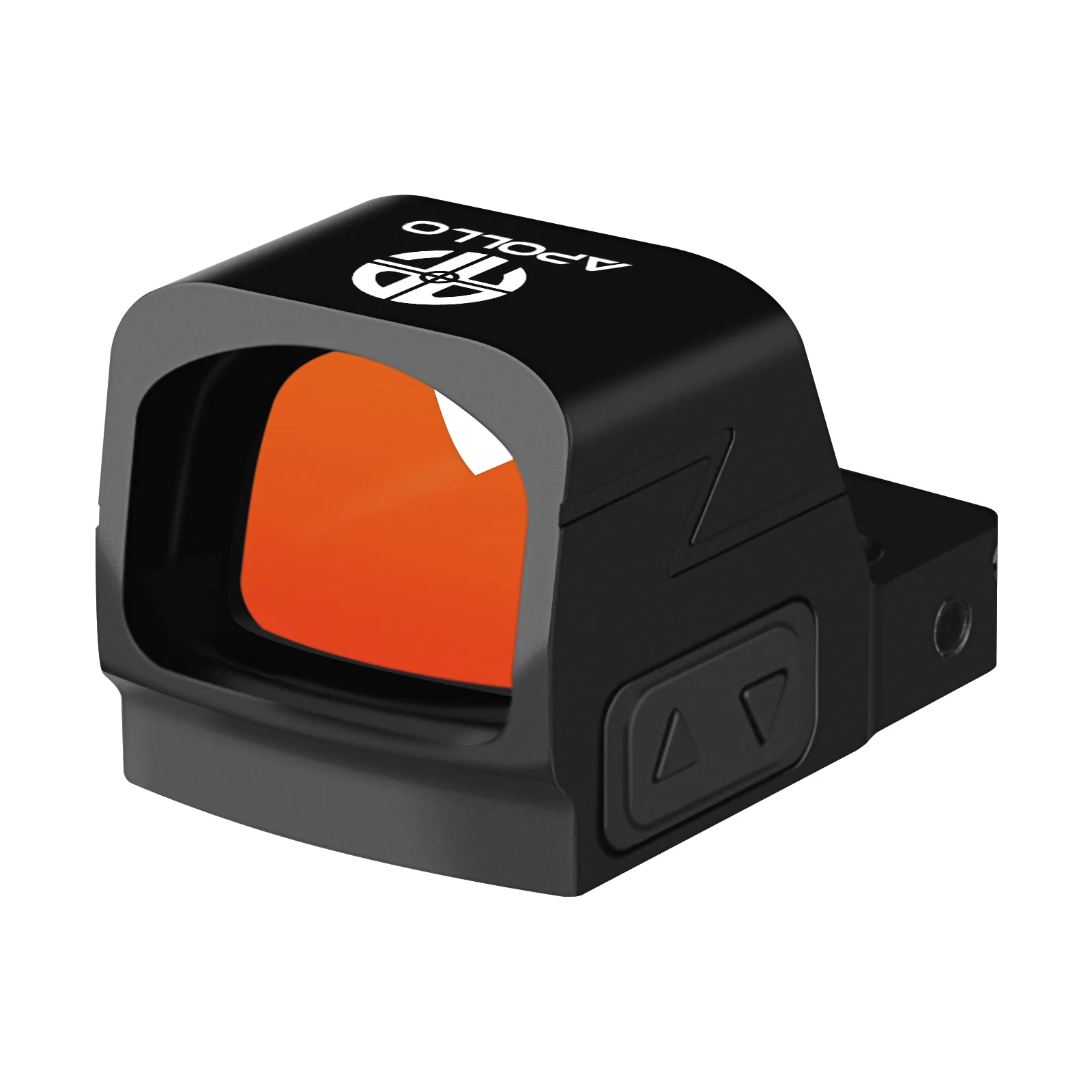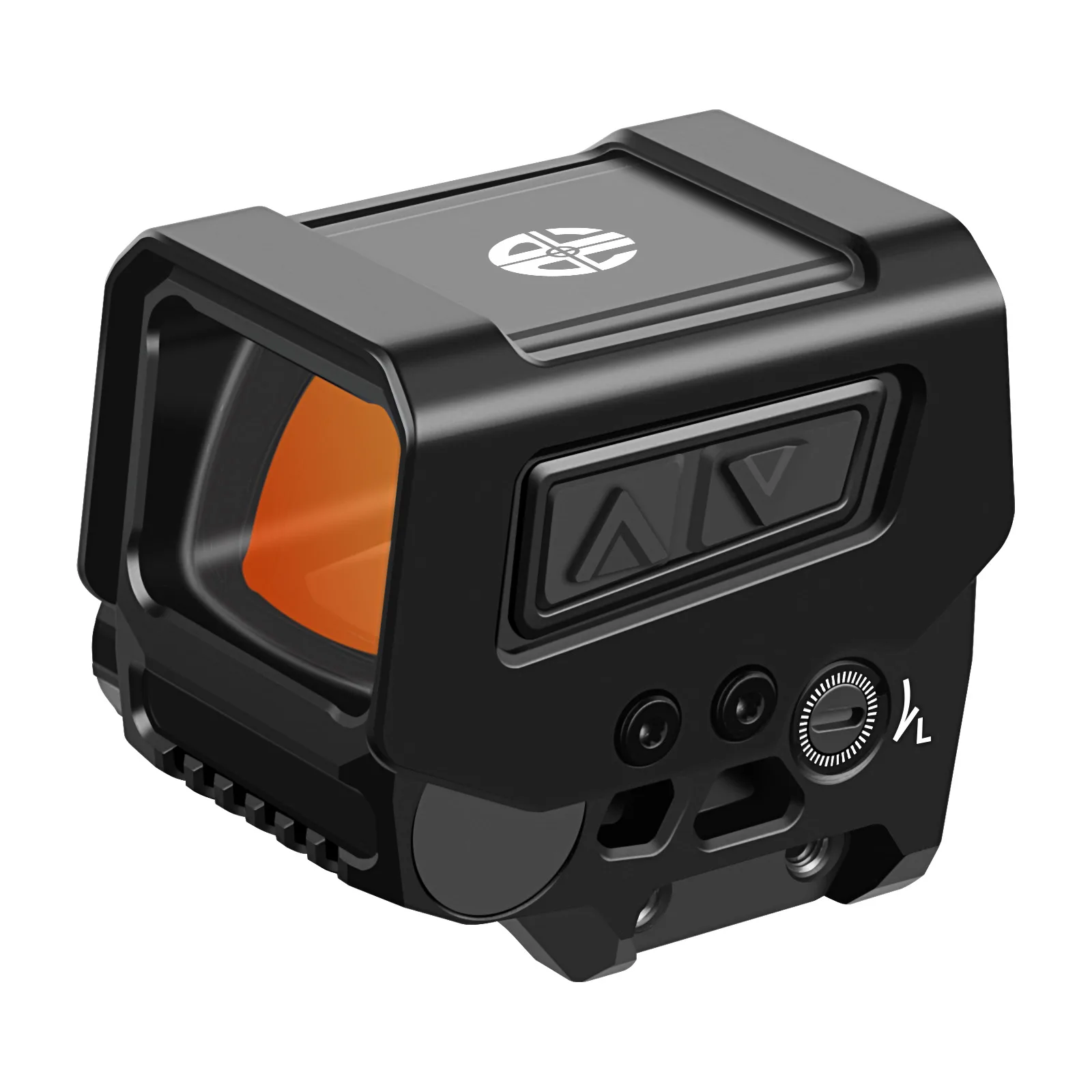
Quick Answer
Choose the Pulse Shake Awake if you want a proven RMSc-footprint micro red dot with shake-awake convenience and a lower price. Choose the Ember if you prefer a larger protective hood, a brighter emitter, and a multi-reticle system for flexible aiming. Both are micro red dots with an RMSc footprint, so your mounting decision is simple—pick based on budget and the reticle features you value.
What Sets These Two Micro Red Dots Apart
The Pulse Shake Awake and the Ember share the same RMSc footprint and both include a Picatinny adapter, so either will mount on most carry and duty slides without extra plates. The main differences come down to price, hood size, emitter brightness, and reticle options. The Pulse focuses on reliable shake-awake performance at a lower cost, while the Ember adds a larger protective hood, a brighter emitter, and a multi-reticle system. Your choice depends on whether you prioritize simplicity and value or want more reticle flexibility and a slightly more protective housing.
Pulse Shake Awake: A Closer Look
The Pulse Shake Awake is built from 7075 aluminum with fully multi-coated optical glass, delivering a crisp 3 MOA aiming point. It features instant wake-on-movement, so the dot is ready when you need it without pressing a button. The RMSc footprint and included Picatinny adapter make it easy to mount on a variety of pistols. With a catalog price of $113.23 (compared to $169.00), it offers strong value for shooters who want a no-frills, dependable carry optic.
Ember: A Closer Look
The Ember is also an RMSc-footprint micro red dot, but it steps up with a larger protective hood and a brighter emitter. It offers a multi-reticle system, allowing you to switch between different reticle styles for different shooting scenarios. Like the Pulse, it includes a Picatinny adapter. At $119.99 (compared to $169.00), it costs slightly more than the Pulse but adds features that some shooters find valuable, especially those who want reticle versatility and a bit more protection around the lens.
How to Decide Between Pulse and Ember
If you want a straightforward, reliable micro red dot with shake-awake and a single 3 MOA dot, the Pulse Shake Awake is the more economical choice. If you prefer a larger hood for added durability and a multi-reticle system for different shooting disciplines, the Ember is worth the small price increase. Both use the same footprint, so you can swap between them on the same slide if you already have an RMSc-compatible cut. Consider your budget and whether you need reticle options beyond a single dot.
Trade-Offs at a Glance
- Price vs. Features: Pulse Shake Awake costs $113.23; Ember costs $119.99. The Ember's higher price reflects its larger hood, brighter emitter, and multi-reticle system. If budget is tight, Pulse delivers core functionality for less.
- Hood Size and Protection: Ember has a larger protective hood than Pulse. A larger hood can shield the lens better from impacts and debris, but may add slight bulk. Choose Ember if you want extra protection; Pulse if you prefer a slimmer profile.
- Reticle Flexibility: Ember offers a multi-reticle system; Pulse has a fixed 3 MOA dot. If you like switching reticles for different uses, Ember is the better fit.
Key Product Facts
- Pulse Shake Awake: Built from 7075 aluminum with fully multi-coated optical glass, 3 MOA aiming point, instant wake-on-movement, RMSc footprint, includes Picatinny adapter. Durable construction and shake-awake make it a practical choice for everyday carry, and the RMSc footprint simplifies mounting.
- Ember: Larger protective hood, brighter emitter, multi-reticle system, crisp 3 MOA point of aim, RMSc footprint, includes Picatinny adapter. The larger hood and brighter emitter improve visibility and protection, while the multi-reticle system adds flexibility for different shooting situations.
Which One Should You Get?
Best for
- Shooters who want a reliable, affordable micro red dot with shake-awake and a simple 3 MOA dot.
- Those who prefer a proven RMSc footprint and don't need multiple reticle options.
Not for
- Shooters who want a larger protective hood or a multi-reticle system—consider the Ember instead.
- Those who need a closed-emitter design for extreme dust or rain—look at the Apollo Cronus.