Quick answer
Most suction loss comes from three wear parts: tubing that no longer seals at the adapter ends, duckbill valves that have gone soft or torn, and backflow protectors with a stretched or misplaced membrane. Swap those parts first, one at a time, testing suction after each change. Only if suction stays weak with fresh tubing and valves should you suspect the pump motor itself.
Symptom: Suction feels weak or fades mid-session
Weak suction that starts strong and drops off is the classic signature of a small air leak, not a dying motor. Air sneaks in through a hairline crack at a tubing adapter, a valve that no longer closes fully, or a backflow protector membrane that is not seated flat. Because the leak is small, the pump sounds normal and the display looks fine.

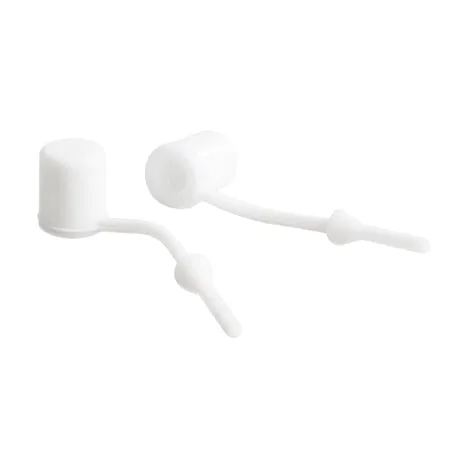
backflow protector
Test it in two minutes: disconnect the tubing from the breast shield, cap or pinch the open end, and run the pump on a comfortable suction level. If the suction at the capped end feels weak or you hear a hiss, the leak is in the tubing or the pump connection. If it feels strong, the leak is downstream, in the valve or backflow protector.
Cause: Tubing cracks and loose adapter ends
Tubing fails at the ends first. Repeated connecting and disconnecting loosens the adapter, and moisture left inside the line degrades the plastic from within. Once the adapter no longer grips the motor port, pressure escapes with every stroke.
Check the tubing by holding it up to a light and looking for flattened sections, cloudy spots, or tiny splits near the adapters. Then push each adapter firmly onto the motor port and the breast shield; a loose fit is itself the leak. Tubing is pump-specific, so match it to your model rather than forcing a universal tube to fit.
Cause: Worn duckbill valves and backflow protectors
Duckbill valves are the most common culprit behind a gradual suction decline. The thin lips soften with repeated washing and sterilization, so they no longer snap shut between suction cycles. A valve that looks fine can still be the problem: pinch the lips closed and release. If they stay parted or look cloudy and stretched, replace them.
Backflow protectors fail differently. The membrane can wrinkle, tear, or sit slightly off-center, which both weakens suction and lets milk creep toward the motor. Open the protector, reseat the membrane flat, and reassemble. If the membrane is torn or permanently deformed, replace the protector rather than trying to flatten it.
Corrective action: Replace one part at a time
Change only one component per test so you know what actually fixed it. Start with the duckbill valves, since they are the cheapest and most frequently replaced part. Run a session. If suction is still low, swap the tubing. If it improves but not fully, inspect the backflow protectors last.
Replace valves and protectors on a schedule rather than waiting for failure: every 4 to 8 weeks with daily pumping, sooner if you sterilize often or pump multiple times a day. Keep a spare set on hand so a mid-week failure does not derail your routine. Wash parts in warm soapy water, rinse well, and air-dry fully before reassembling, since trapped water can mimic a leak.
When to stop troubleshooting and choose another option
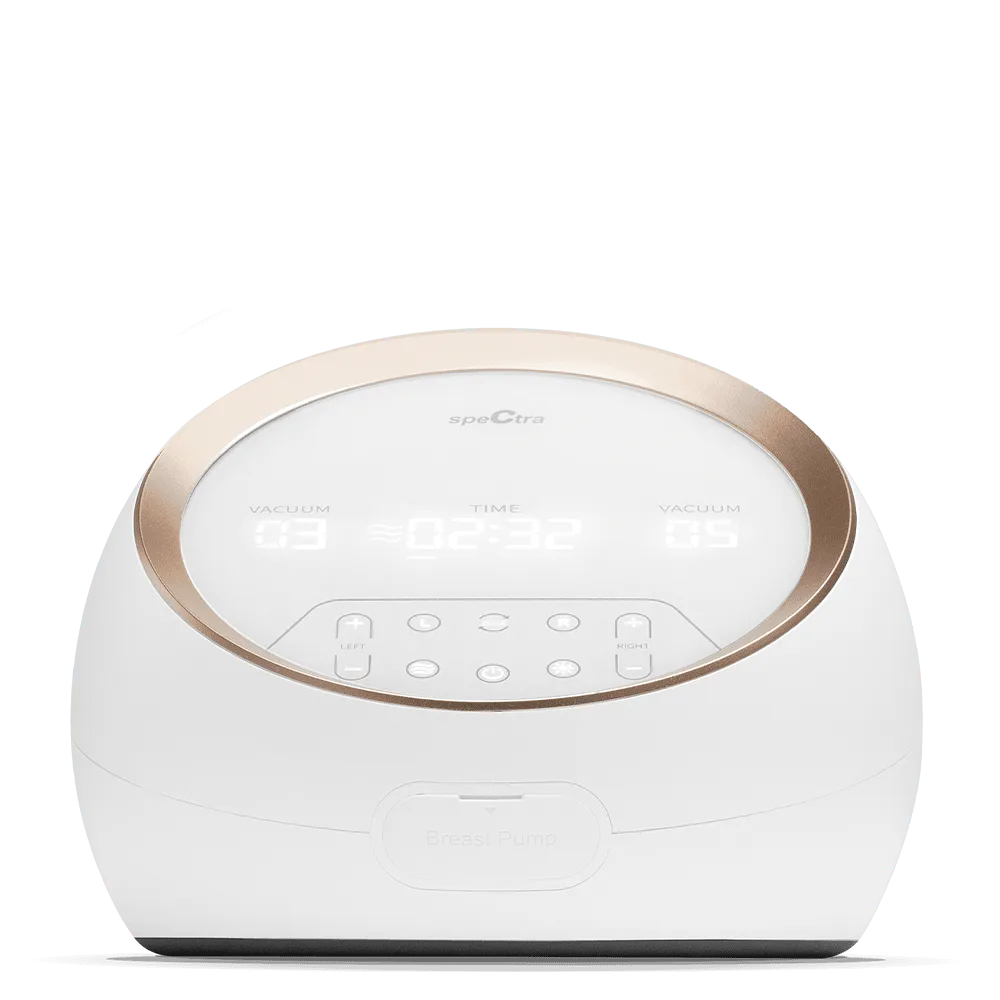
If fresh tubing, new valves, and correctly seated backflow protectors still leave you with weak suction, the issue is likely inside the pump. At that point, further parts swapping wastes money. Check whether your pump is still under warranty before buying a replacement, and confirm the motor port itself is not cracked or blocked.
Also stop and reassess if suction is fine but output dropped. That pattern usually points to flange size, pumping schedule, or stress rather than a hardware fault, and no replacement part will fix it. Address fit and routine first.
Suction diagnosis at a glance
- Suction weak from the first minute: Disconnect tubing, cap the open end, and run the pump. Weak suction at the capped end points to tubing or the motor connection; strong suction means the leak is in the valve or backflow protector. If capped suction is strong, replace the duckbill valves next.
- Suction starts strong, then fades: A fading curve usually means a small air leak that opens under pressure. Inspect tubing adapters for looseness and check the duckbill lips for a full seal. Reseat adapters and replace valves; retest before changing anything else.
- Suction fine, but milk output dropped: Hardware is probably not the cause. Review flange size, pumping schedule, and stress before buying parts. Stop replacing parts and address fit or routine instead.
Parts that solve most suction problems
- Wearable Duckbill Valve & Backflow Protector Replacement Kit: The Spectra Wearable Duckbill Valve & Backflow Protector Replacement Kit is designed exclusively for the Spectra Premier Wearable Breast Pump and includes two duckbill valves and two backflow protectors. One kit restores both wear parts that most often cause weak suction, so you can replace the valve and reseat or replace the protector in the same session.
- SG Replacement Tubing with Adapter Ends Set: The SG Replacement Tubing with Adapter Ends connects to either motor input and is designed only for the Spectra SG Double Adjustable and SG Portable Breast Pumps. If your capped-tubing test shows a leak, this is the model-correct replacement; using tubing made for a different pump can leave you with the same suction problem.