Quick Answer
For most cats, the Puppy Brush is the safer choice because its soft-flex teeth are gentle on sensitive skin and smaller frames. If your main goal is reducing shedding on a double-coated dog, the De-shedding Dog Grooming Brush with its two-tiered teeth reaches the undercoat more effectively. Choose based on your pet's coat density and skin sensitivity, not just the species label.
Understanding Coat and Skin Differences
Cats and puppies often have similar grooming needs: both can have sensitive skin and fine fur that tangles easily. However, double-coated dogs—like Huskies or Golden Retrievers—shed a heavy undercoat that requires deeper brushing. The De-shedding Dog Grooming Brush uses longer teeth to reach the undercoat and shorter teeth to pick up loose hair, making it more effective for heavy shedders. In contrast, a cat's coat is typically finer and closer to the skin, so a softer touch is usually better.
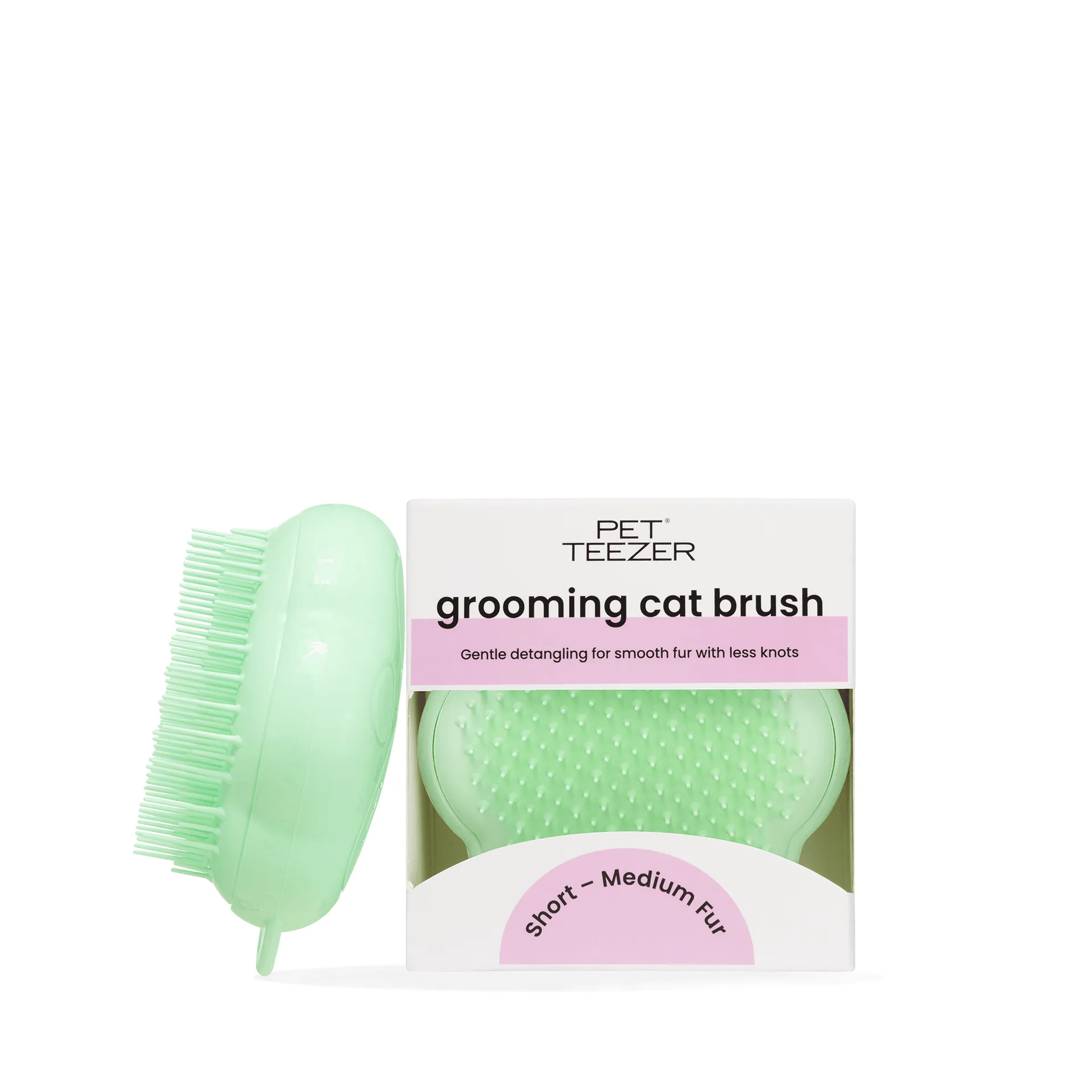
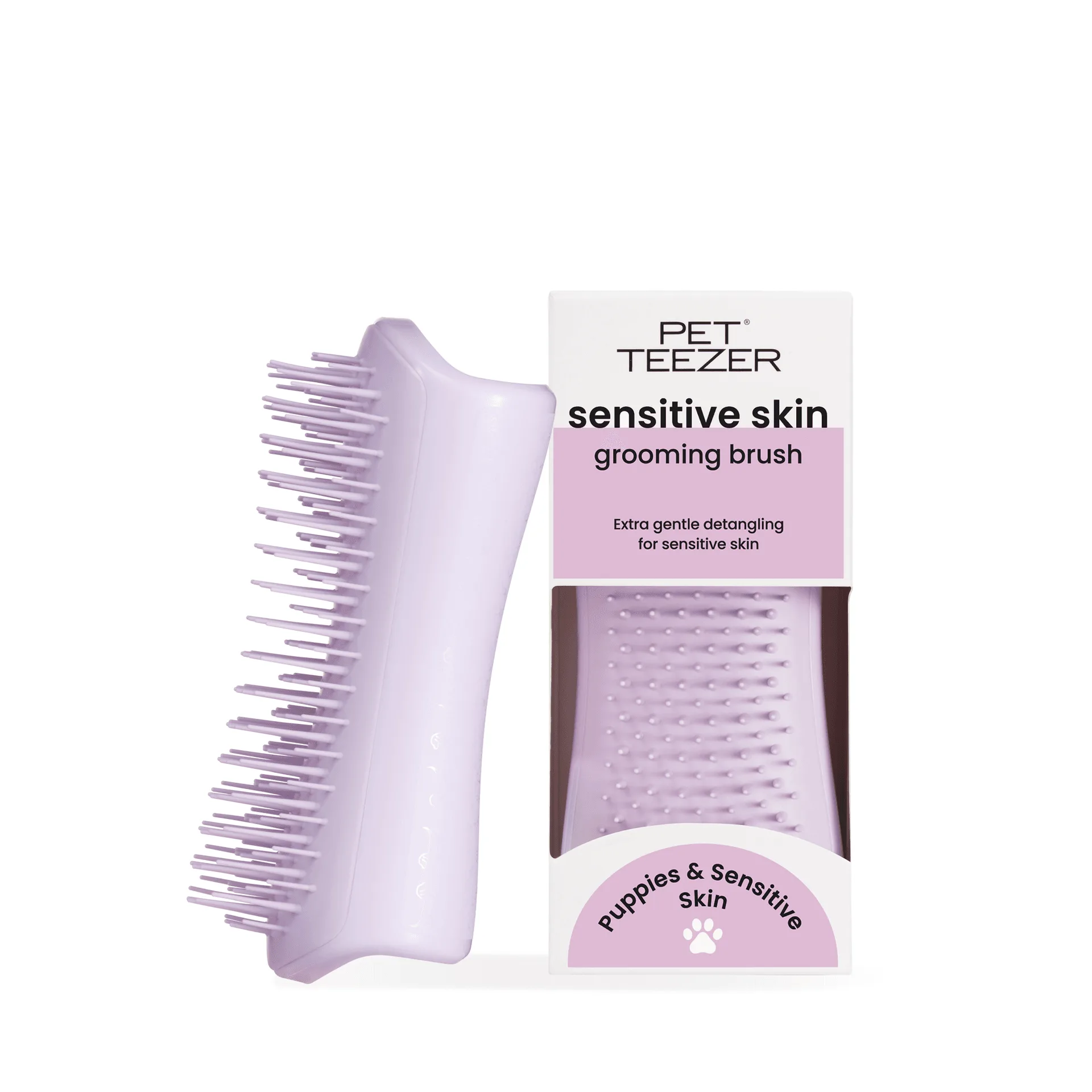
The Puppy Brush is designed for puppies and dogs with very sensitive skin, but its soft-flex teeth also work well for cats. The gentle bristles glide through fur without irritating the skin, which is especially helpful for cats that are new to grooming or dislike firm pressure.
Shedding Control: Which Brush Reduces Loose Hair?
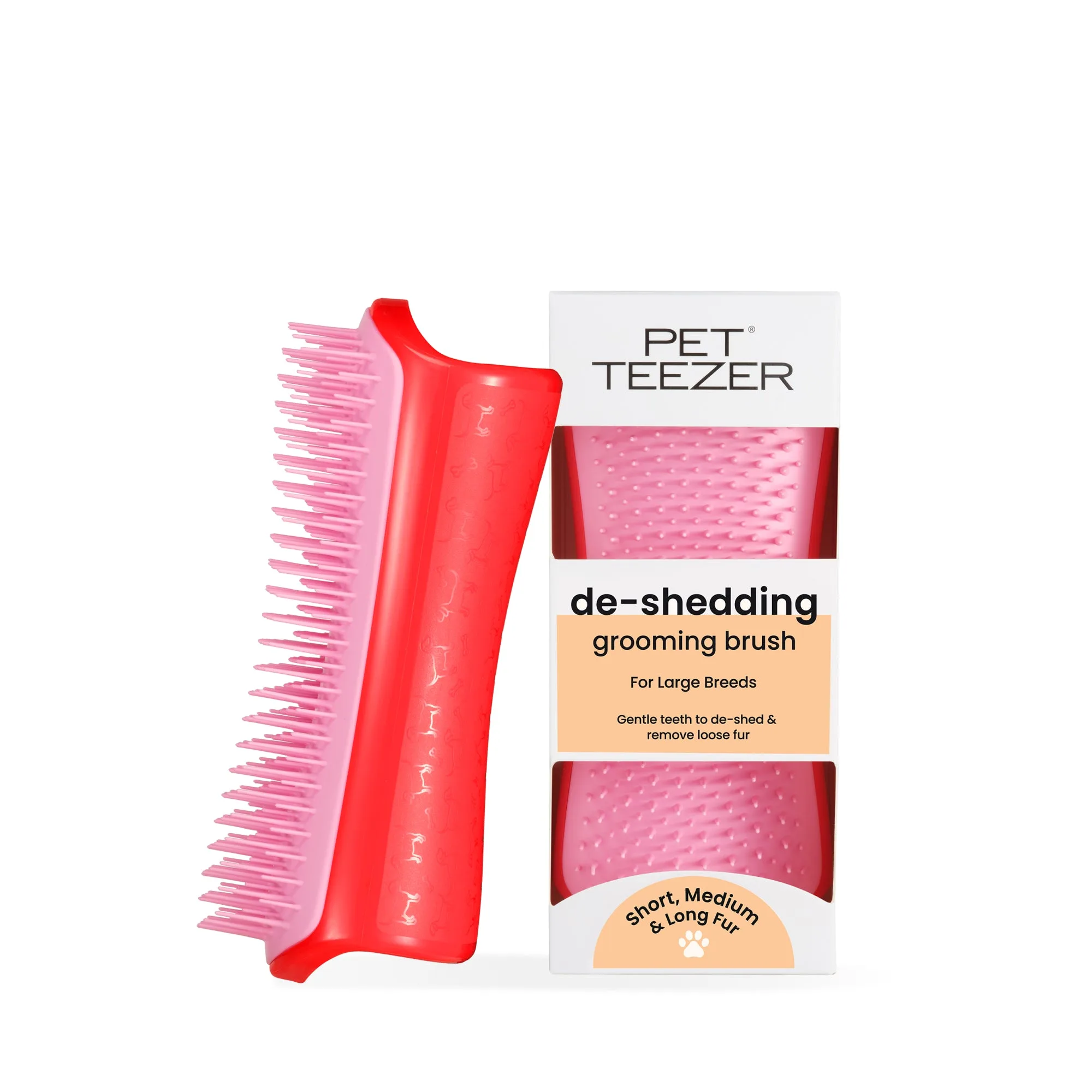
If your primary concern is shedding, the De-shedding Dog Grooming Brush is purpose-built for that job. Its two-tiered teeth are designed to reach the undercoat and lift loose hair before it falls onto your furniture. This makes it ideal for double-coated dogs, but it can also be used on cats with thick coats—though you should test it gently on a small area first.
The Puppy Brush focuses more on comfort than heavy de-shedding. It removes loose hair from the topcoat but won't penetrate as deeply into an undercoat. For a cat that sheds moderately, the Puppy Brush may be sufficient, but for heavy shedders, the De-shedding brush is more effective.
Trade-Offs to Consider
- Gentleness vs. Deep Cleaning: The Puppy Brush prioritizes comfort with soft-flex teeth, ideal for sensitive skin. The De-shedding brush uses firmer, longer teeth to reach the undercoat, which may feel more intense on delicate skin. If your pet flinches at firm pressure, choose the Puppy Brush.
- Shedding Control vs. Everyday Maintenance: The De-shedding brush excels at reducing loose hair from the undercoat, but may be overkill for light shedders. The Puppy Brush handles daily grooming and light shedding with a softer touch. For heavy shedders, go with De-shedding; for maintenance, Puppy Brush works.
- Size and Maneuverability: The De-shedding brush is palm-friendly and ergonomic, reducing wrist strain during longer sessions. The Puppy Brush is smaller and easier to handle on tiny pets, but may require more passes on a large dog. Consider your pet's size and your own comfort while brushing.
Product Facts at a Glance
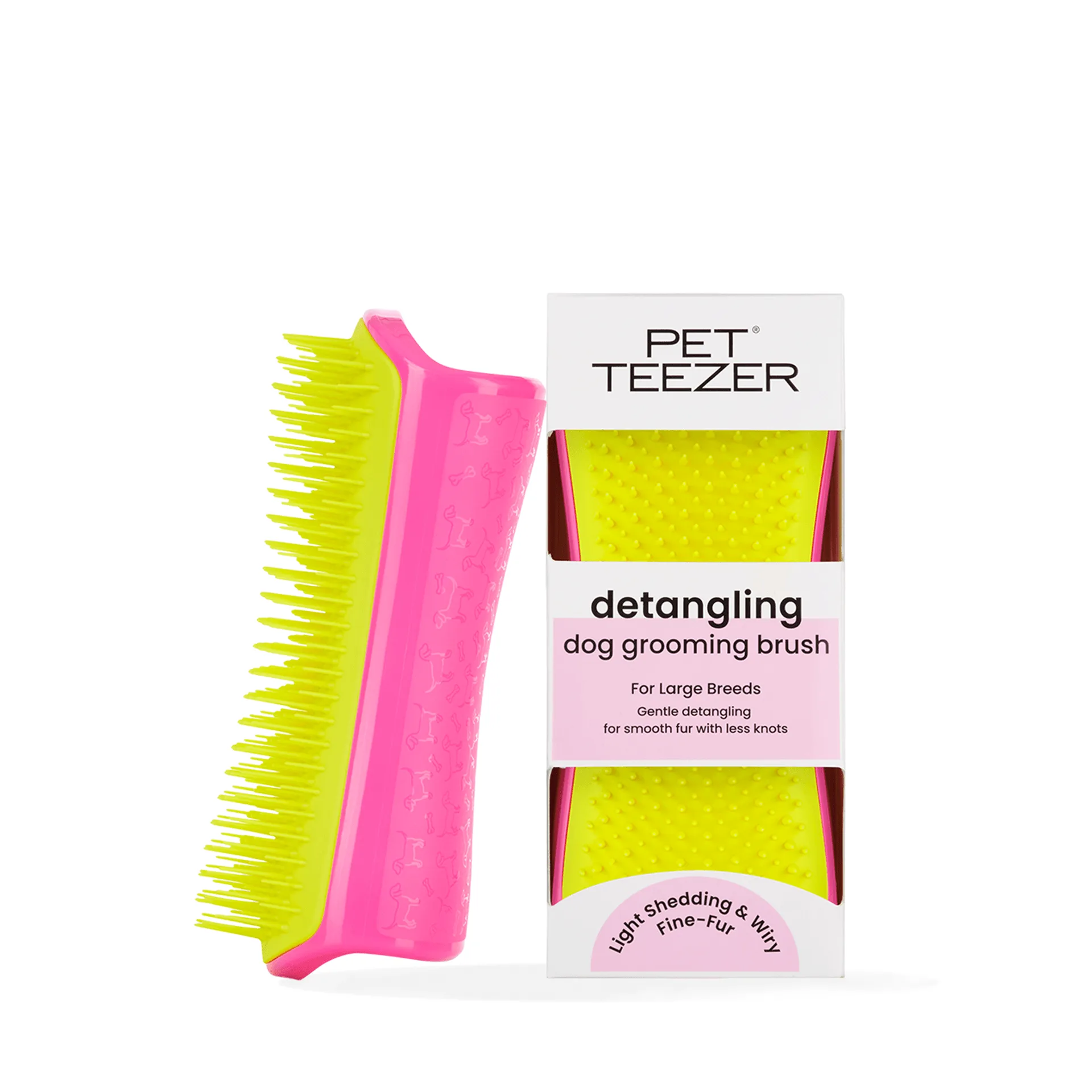
- Puppy Brush: The Puppy Brush features soft-flex teeth that glide through fur delivering the gentlest of brush strokes without any irritation. It can be used on wet or dry hair. The soft-flex teeth make it a great match for cats and puppies with sensitive skin, or for pets that are nervous about grooming. You can brush after a bath or during dry grooming sessions.
- De-shedding Dog Grooming Brush: The De-shedding Dog Grooming Brush uses patented two-tiered teeth technology: longer teeth gently remove dirt and reach down to the undercoat, while shorter teeth pick up loose hair. It can be used on wet or dry hair. The two-tiered design tackles shedding at the source by lifting the undercoat, making it the better choice for double-coated dogs that shed heavily. The ergonomic shape also reduces wrist strain during longer brushing sessions.
Which Pet Teezer Fits Your Pet?
Best for
- Cats and puppies with sensitive skin or a nervous temperament
- Pets that need gentle, everyday grooming without irritation
Not for
- Double-coated dogs with heavy undercoat shedding that need deeper de-shedding
- Owners looking for maximum shedding reduction on large, thick-coated breeds