Quick answer
Feed a commercial puppy milk replacer mixed exactly to its label, not goat milk. Goat milk is only a short-term emergency stopgap when no replacer is available, because it does not match the protein, fat, calcium, and phosphorus balance newborn puppies need. Weigh each puppy daily, feed on a schedule by age, and contact your veterinarian for a feeding plan tailored to your litter.
Why Goat Milk Is Not a Puppy Formula
Goat milk is often recommended online because it is easy to find and gentle on stomachs. That does not make it a substitute for bitch's milk. Puppy milk replacer is manufactured to approximate the nutrient profile of canine milk, while goat milk is formulated for goat kids. The gap shows up in calories per ounce, fat content, and the calcium-to-phosphorus ratio, all of which affect bone growth and weight gain in the first weeks of life.
The practical risk is not one bad feeding. It is slow, steady undernutrition that looks like a sleepy puppy. A litter fed goat milk for several days may gain less than expected, cry more between feedings, and develop loose stools. If you must use goat milk for a single feeding while you locate a replacer, dilute nothing and feed small amounts, then switch as soon as possible.
Reading a Puppy Milk Replacer Label
Powdered replacers are the common format because they store well and let you mix only what you need. Match the product to the puppy's age: some are labeled for newborns through weaning, others for puppies already eating solid food. Follow the mixing ratio on the container exactly. Adding extra powder to boost calories causes diarrhea and dehydration, and watering it down leaves puppies hungry and short on nutrients.
Mix with warm water, not hot, and stir until fully dissolved. Prepare only one feeding at a time when possible. If you mix a batch, refrigerate it and discard anything left after 24 hours. Never microwave a bottle to warm it; heat pockets can burn a puppy's mouth. Warm the bottle in a cup of warm water and test a drop on your wrist.
How Much to Feed and How Often
Feeding amounts are based on body weight, not on how much the puppy will take. A kitchen scale that reads in grams gives you a number you can track. Weigh each puppy before the first feed of the day and write it down. Steady daily gain is the single best sign that the feeding plan is working.
Newborn puppies typically need feeding every two to three hours around the clock for the first week, stretching to every four hours by week three and every six hours by week four. Your veterinarian can adjust this schedule for prematurity, low birth weight, or a puppy that is not gaining. Feed until the belly is softly rounded, not tight. Stop if milk bubbles from the nose, and hold the puppy upright rather than flat on its back.
Stimulating, Weighing, and Keeping Records
Orphaned puppies cannot urinate or defecate on their own for the first weeks. After every feeding, wipe the genital and anal area with a warm, damp cotton ball or soft cloth until the puppy goes. This mimics the mother's licking and prevents a full bladder from making the puppy refuse food.
Keep a simple chart: time, amount fed, weight, and whether the puppy eliminated. Two days of flat or falling weight, persistent crying, or stools that are watery or pale means call your vet rather than adjust the formula yourself. A puppy can decline quickly, so early calls are cheaper and safer than waiting.
When a Puppy Needs More Than Feeding
Feeding is only part of orphan care. Puppies need warmth, because they cannot regulate body temperature in the first weeks. A heating pad set on low under half the bedding lets the puppy move away if it gets too warm. They also need gentle handling and, later, supervised socialization with safe adult dogs once your veterinarian approves.
If the mother is present but rejecting one puppy, or if the litter is large, you may be supplementing rather than fully hand-raising. In that case, let puppies nurse when the mother allows and use a bottle only for the ones falling behind. Track weights separately so you know which puppy is getting what.
Flea Combs and Surface Deterrents Around a Nursery
A hand-raised litter means more time on the floor, so keep the area clean and check puppies for fleas during handling. A fine-tooth comb lets you part the coat and look at the skin without harsh chemicals on a newborn. If you keep cats in the same home, protect furniture surfaces where they scratch or eliminate, because a stressed cat near a puppy nursery creates a mess you do not need during night feedings.
These are support items, not feeding supplies. They help you keep the puppy clean and the household calm while you focus on the bottle schedule.
Trade-Offs: Replacer vs Goat Milk
- Nutritional fit: Puppy milk replacer is made to approximate canine milk; goat milk is made for goat kids and differs in fat, calories, and mineral balance. Choose replacer as the default and treat goat milk as a stopgap only.
- Cost and availability: Goat milk is often already in the refrigerator or at a nearby grocery, while replacer may require a trip to a pet shop or an online order. Keep one unopened container of replacer on hand during whelping season so you are not choosing between convenience and nutrition.
- Digestive risk: Changing between goat milk and replacer abruptly can cause loose stools, and over-concentrated replacer causes the same problem. Transition over a day or two if you must switch, and mix replacer exactly to the label.
- Monitoring burden: Either option requires weighing puppies daily, tracking intake, and stimulating elimination after feeds. The feeding choice matters less than the record-keeping; a puppy losing weight needs a vet call regardless of what is in the bottle.
Products That Help With Orphan Puppy Care
- Lil Pals Dog Flea Comb: A fine-tooth flea comb for small dogs and puppies that removes fleas, debris, and helps detect skin issues with gentle stainless steel pins. Hand-fed puppies are handled constantly, so a gentle comb lets you check skin and coat condition during those sessions without using flea products on a newborn.
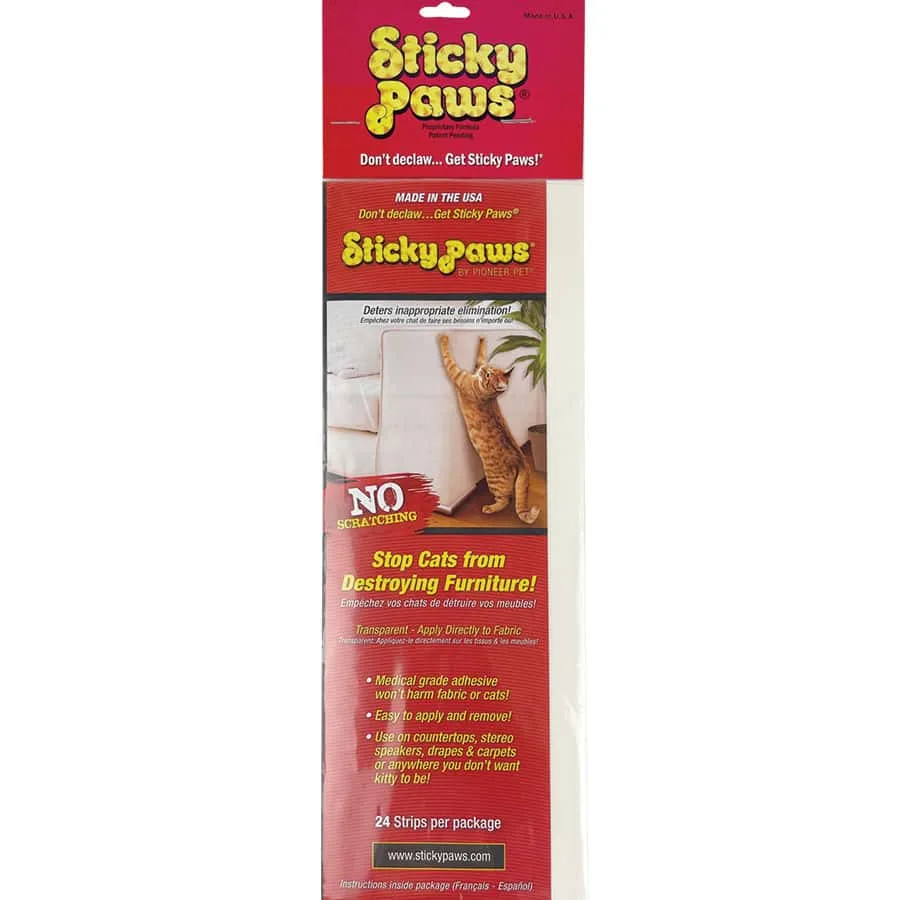
- Sticky Paws Strips Pet Furniture Protector 24 Ct: Transparent, medical-grade adhesive strips that apply directly to furnishings and deter inappropriate scratching and elimination; harmless to cats and furniture when used as directed, with 24 kiss-cut sheets included. If cats share the home, protecting furniture surfaces keeps the household calm and reduces cleanup while you are up every few hours with a bottle.
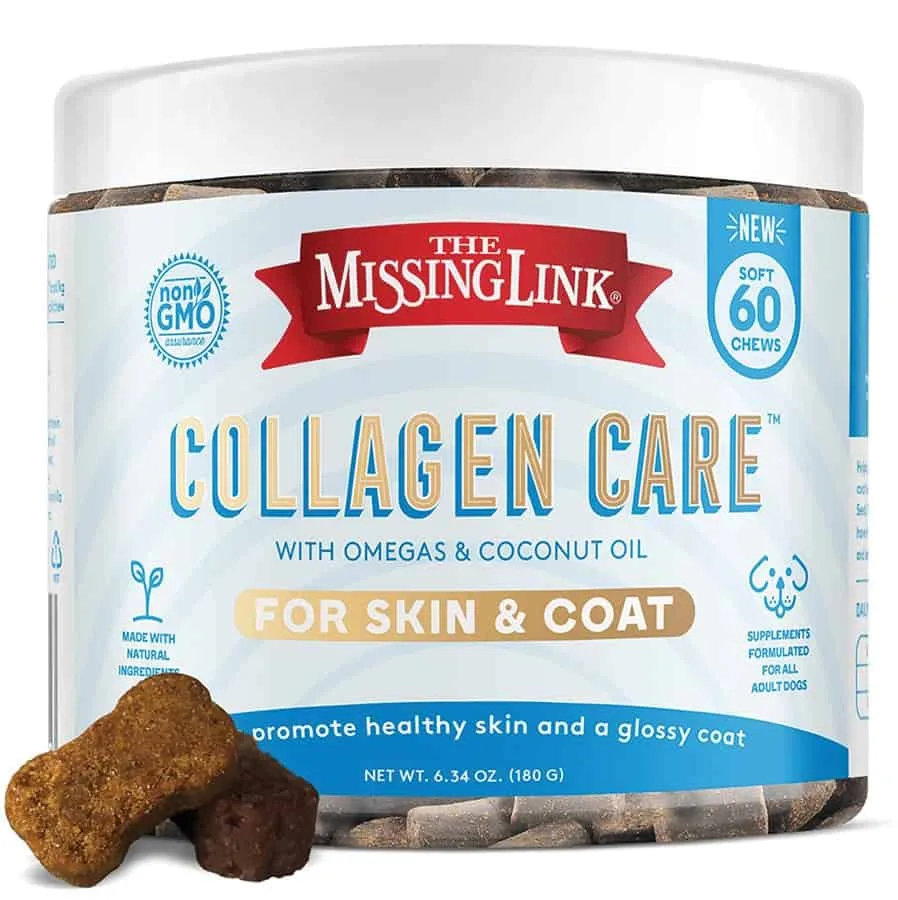
- Missing Link Collagen Care Skin & Coat 60 Ct: Soft chews crafted with omega vitamins to promote a glossy coat, coconut and fish oil to maintain moisture levels, and collagen to support hair and nail growth. This is for adult dogs, not puppies, so it is not part of a newborn feeding plan; it becomes relevant later for the mother dog or other adult dogs in the home.
Which Option Fits Your Situation
Best for
- Anyone hand-raising a litter from birth through weaning who can buy and mix a commercial puppy milk replacer
- Foster homes and shelters that feed multiple puppies and need a consistent, measurable formula
- Owners supplementing a large litter where some puppies are not gaining enough
Not for
- Puppies with vomiting, diarrhea, or no weight gain, which need veterinary care rather than a formula swap
- Long-term feeding of goat milk in place of a puppy milk replacer
- Owners who cannot weigh puppies daily or feed on a night schedule; these puppies need a surrogate mother or an experienced foster