Quick answer
Choose puzzles with high-contrast colors and distinct shapes for beginners, and save subtle gradients or repeating patterns for older kids. Piece count matters, but artwork does more to shape the real challenge. Match the image to your child's visual skills first, then adjust the number of pieces.
When you're standing in the puzzle aisle, it's tempting to grab the box with the biggest number. But piece count is only one part of the story. The colors and artwork on the box often decide whether your child sails through or gives up in frustration.
This guide breaks down how color contrast, image complexity, and piece size work together. You'll get concrete rules for picking a puzzle that stretches your child just enough, without turning playtime into a meltdown.
Why color contrast matters more than piece count
A 48-piece puzzle with bold, contrasting colors can be easier for a young child than a 24-piece puzzle with a washed-out, low-contrast image. That's because kids rely on visual cues to sort and place pieces. Strong differences between adjacent areas—like a bright red flower against deep green leaves—help them spot where a piece belongs.
When colors are similar across the whole image, every piece looks like it could fit anywhere. That's why a puzzle with high contrast feels more approachable, even if it has more pieces. As your child's skills grow, you can introduce puzzles with softer palettes and subtler transitions.
- Look for clear boundaries between objects in the artwork.
- Avoid images where the background blends into the subject.
- For beginners, choose puzzles with 3–5 distinct color zones.
How image complexity changes the challenge
Image complexity is about how much is going on in the picture. A scene with a single large animal and a plain background is simpler than a busy jungle with dozens of overlapping leaves. More detail means more pieces that look alike, which slows down sorting and matching.
Complexity also affects how kids strategize. Simple images let them work edge-to-edge or color-by-color. Busy images require them to notice small differences in pattern and texture—a skill that develops over time. If your child is new to puzzles, start with artwork that has large, recognizable objects and plenty of open space.
- Count the main objects: fewer than five is easier.
- Check for repeating patterns—they can be tricky for beginners.
- Busy scenes are great for older kids who enjoy a challenge.
Piece size and shape: the physical side of difficulty
Even the best artwork won't help if the pieces are too small for little hands. Giant floor puzzles with oversized pieces are easier to manipulate, which reduces frustration and builds confidence. Jumbo puzzles with 25 large pieces are a good bridge between toddler puzzles and standard 48-piece sets.
Piece shape also matters. Standard grid-cut puzzles have uniform knobs and holes, while shaped puzzles have unique outlines that can be easier to identify. For a first puzzle, look for chunky pieces and a simple image. As dexterity improves, you can move to standard pieces and more intricate artwork.
- Toddlers: choose pieces at least 2 inches wide.
- Preschoolers: standard pieces are fine if the image is simple.
- Shaped puzzles can be easier to sort because each piece is distinct.
Matching artwork to your child's age and stage
A two-year-old needs large pieces and a single, high-contrast subject. A four-year-old can handle 48 pieces if the image has clear color blocks. By age six or seven, many kids enjoy 100-piece puzzles with more detailed scenes. The key is to match the artwork to their visual skills, not just their age.
If your child gets stuck, try a puzzle with a different art style rather than dropping the piece count. Sometimes a change in color palette or subject matter is all it takes to make the puzzle click. And remember: repeating a favorite puzzle builds speed and confidence before you move on.
- Ages 2–3: 4 to 12 giant pieces, one main object.
- Ages 4–5: 24 to 48 pieces, clear color zones.
- Ages 6+: 100 pieces and up, detailed scenes with contrast.
Decision rules for choosing puzzle artwork
- If your child is new to puzzles: Choose artwork with one main subject and a plain background. Look for high-contrast colors and pieces that are easy to grip. Start with a jumbo or giant floor puzzle.
- If your child gets frustrated easily: Avoid images with large areas of similar color or repeating patterns. Pick a scene with distinct objects and clear boundaries. Try a puzzle with 24–48 pieces and bold colors.
- If your child wants a bigger challenge: Move to 100 pieces with more detailed artwork. Look for scenes with varied colors and textures to keep sorting interesting. A 100-piece puzzle with a busy but colorful scene works well.
- If you're buying for a mixed-age group: Choose a puzzle with large pieces and a simple image so younger kids can help, or a 1000-piece family puzzle for older kids and adults to work on together. Match the piece size to the youngest participant.
Examples from our catalog
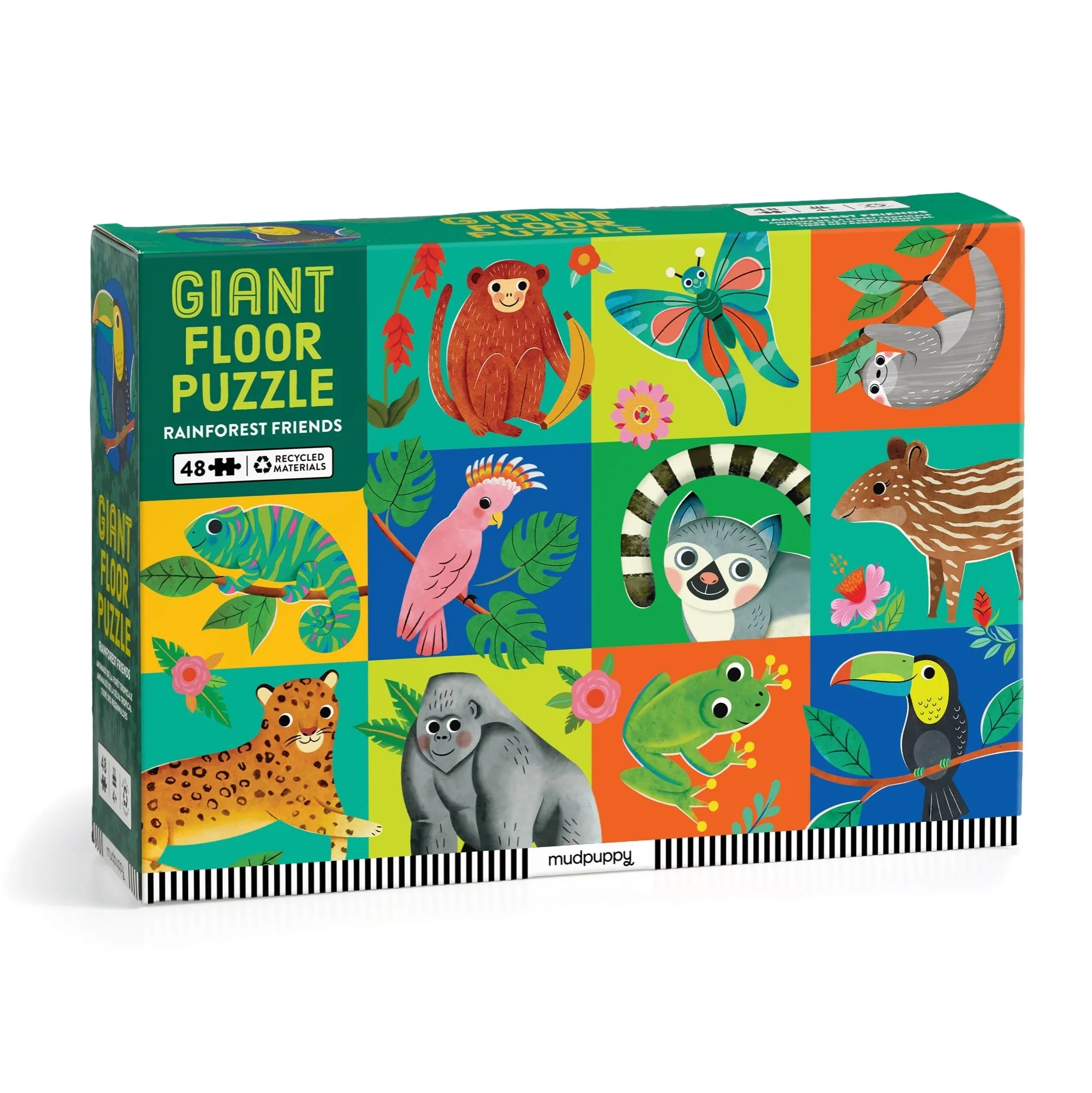
- Rainforest Friends 48 Piece Giant Floor Puzzle: Oversized 48-piece floor puzzle with vibrant rainforest scene by Stephanie Carter; giant pieces are easy for small hands to manipulate. The large pieces and bright, contrasting colors make this a good step up for kids who have mastered simple puzzles but still need physical ease.
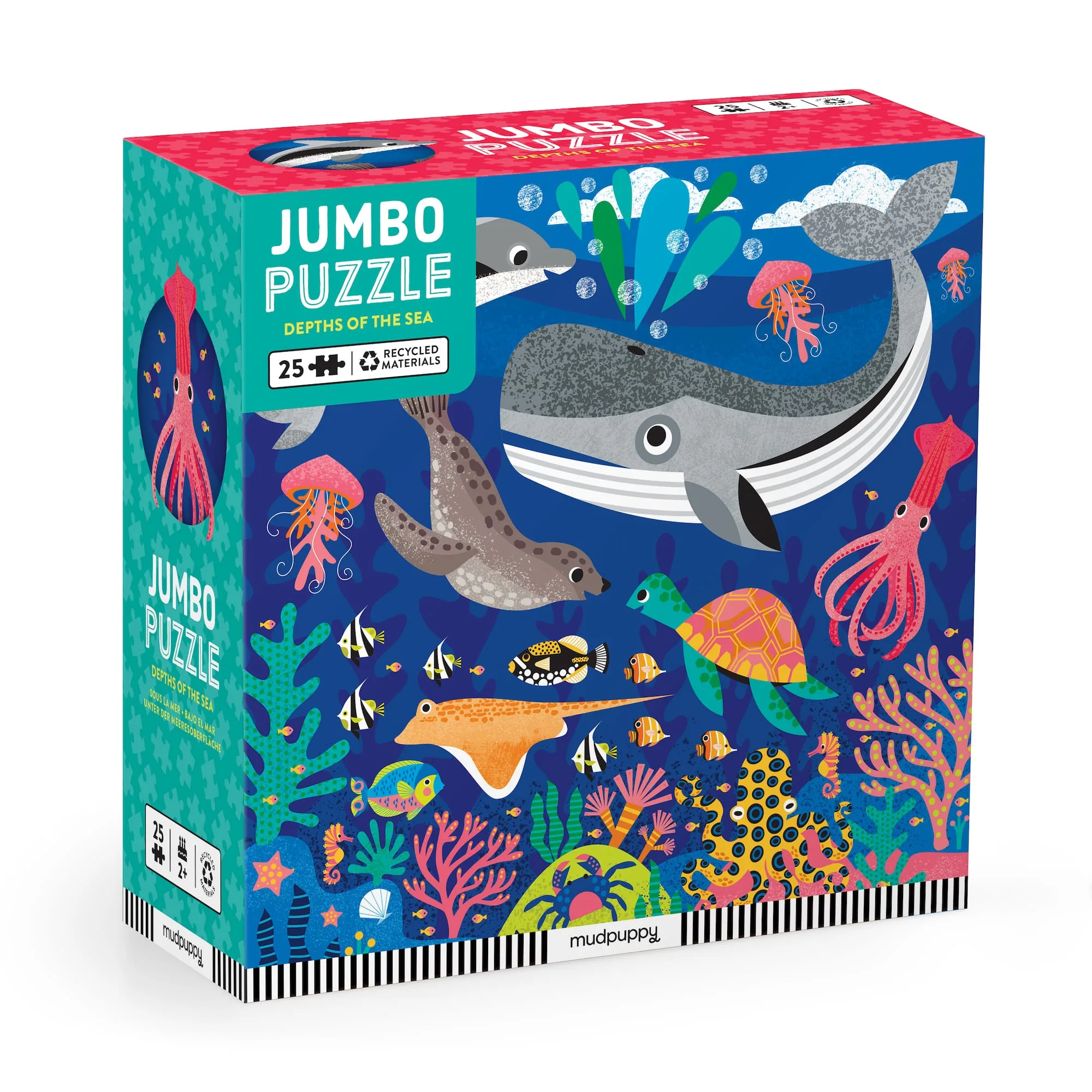
- Depths of the Sea Jumbo Puzzle: 25 oversized and durable puzzle pieces; finished puzzle measures 22 x 22 inches; jumbo puzzles help youngest puzzlers practice hand-eye coordination and problem-solving. With only 25 pieces and a colorful underwater scene, this is a strong choice for a first puzzle or for toddlers who need extra-large pieces.
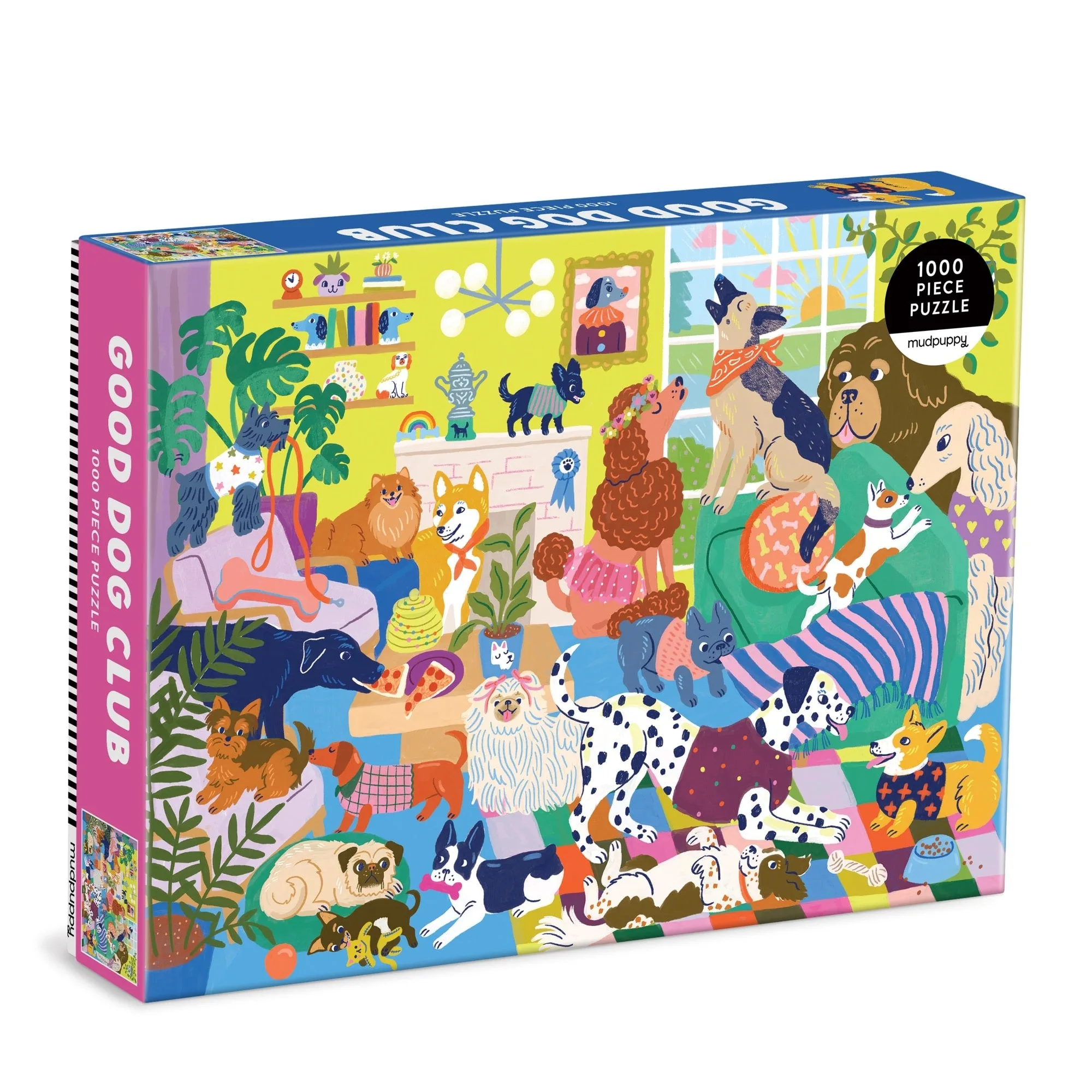
- Good Dog Club 1000 Piece Family Puzzle: 1000-piece family puzzle featuring Sarah Walsh's charming illustration of dogs; designed for puzzle night with family. This is for older kids and adults who want a long, detailed build. The busy dog scene offers plenty of color variety but requires patience and sorting skills.
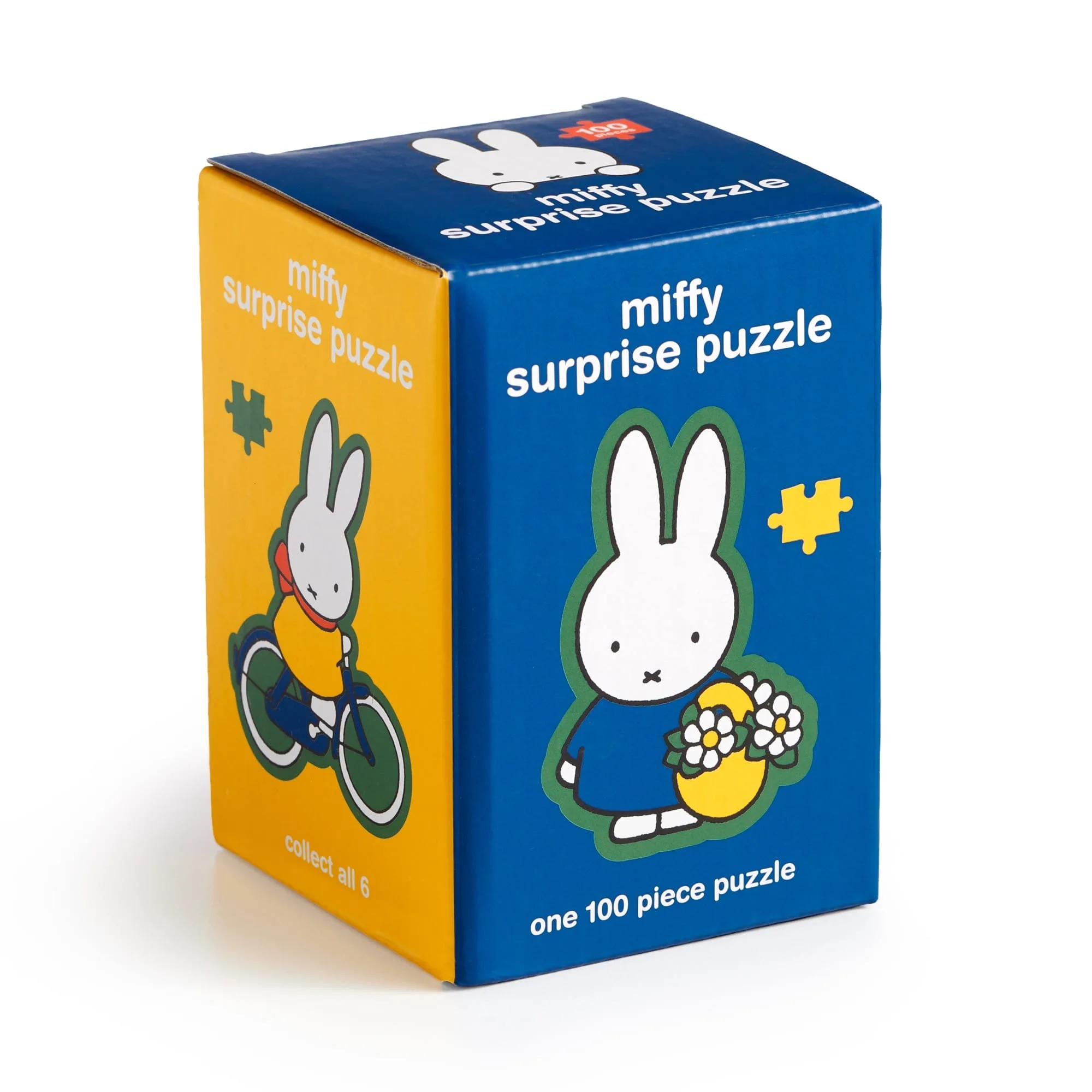
- Miffy 100 Piece Surprise Puzzle: Each box contains a mystery mini puzzle of Miffy; 100 pieces; surprise element adds excitement. The mystery twist adds fun, but the 100-piece count and potentially similar-colored Miffy image make it better for kids who already have some puzzle experience.
Is this puzzle right for your child?
Best for
- Parents who want to choose a puzzle that matches their child's visual skills, not just age.
- Kids who need high-contrast artwork to stay engaged.
- Families looking for a first puzzle with large, easy-to-handle pieces.
Not for
- Children who are ready for subtle, low-contrast images and want a serious challenge.
- Buyers who only care about piece count and ignore artwork.
- Kids who prefer 3D puzzles or brainteasers over flat jigsaw puzzles.
The next time you pick a puzzle, flip the box over and study the artwork. High contrast and simple scenes help beginners succeed, while detailed images offer a satisfying challenge for older kids. Match the art to your child's skills, and puzzle time stays fun for everyone.