Quick answer
Buy one shared centerpiece puzzle your whole group can reach, plus one fast game that finishes in 20 minutes or less. Match piece count and rules complexity to your youngest regular player, not your oldest, and choose formats by headcount: 2-4 players for turn-based games, 4-8 for party formats, and any size for a puzzle with a designated table.
Family night fails for two predictable reasons: the puzzle is too hard for the youngest player, or the game needs four people when only three showed up. Fix both before you buy anything. This family puzzle buying guide walks through age, group size, and format so your shelf holds things people actually finish.
The goal isn't a bigger collection. It's a rotation where everyone has one thing they can do well and one thing that stretches them a little. That balance is what keeps a weekly night going past January.
Match difficulty to your youngest regular player
When choosing puzzles by age, use your youngest consistent participant as the ceiling, then add one harder puzzle for the older kids or adults to work separately. A puzzle that's slightly easy for a 12-year-old is usually right for a 7-year-old, and the older player stays engaged by sorting, framing edges, or working a section alone.
For games, read the box's stated age as a floor, not a target. A game labeled 8+ often plays fine with a 6-year-old if an adult handles reading and scoring. The real question is whether the rules can be explained in under three minutes. If not, save it for a night when the younger kids are elsewhere.
- Keep one 'everyone wins together' cooperative option so no one ends the night sulking.
- Write the youngest comfortable age on the box lid with a marker; future-you will thank you.
Pick the format for your actual group size
Group size decides format more than taste does. Two or three people do best with turn-based games and a single 500-1000 piece puzzle. Four to six people need either a party game with simultaneous turns or a puzzle large enough that everyone has a section to own. Seven or more usually means splitting into two tables rather than forcing one activity.
A puzzle is the most flexible option because it scales: any number of people can work on it, and people can drift in and out. Games are less forgiving. Check the player count on the box before you buy, and treat the maximum as optimistic. Most games are best at their middle number, not their stated max.
- Two-player nights: prioritize games that work well head-to-head rather than ones that merely tolerate two.
- Big-group nights: one party game plus one puzzle beats three games nobody finishes.
Build a rotation instead of one perfect purchase
A workable shelf has four slots: a long puzzle for lingering, a short puzzle for a single evening, a quick game for 20-minute windows, and a longer game for unhurried weekends. Rotate them rather than replacing them. Most families get bored of a game because it's the only one, not because it's bad.
Storage matters more than people expect. A puzzle that lives on a dedicated table gets finished; one that has to be packed up nightly gets abandoned. If you don't have table space, choose a puzzle mat or a smaller piece count so cleanup isn't the reason the night ends.
- Keep a running note of which games actually got requested again; that's your real ranking.
- Retire anything that hasn't been opened in a year to make room for something that will be.
Where crafts and quiet activities fit in
Not every family night is competitive. Some of the best evenings are parallel quiet work: one person stitching, one person reading, one person sorting puzzle pieces. If your group skews toward that, buy accordingly. A counted cross stitch kit or a hand-painted needlepoint canvas gives a teen or adult a project that lives on the same table as the puzzle without competing for it.
The trade-off is time. Kits are slower than games by design, so they suit open-ended evenings rather than a scheduled 45-minute window. Mixing one slow project with one fast game covers both moods without buying twice as much.
- Set a shared table rule: no one clears another person's project without asking.
- Keep small prints or art near the table to make the space feel intentional, not like a staging area.
Decision rules for family night purchases
- If your youngest regular player is under 7: Cap puzzle difficulty at a level the child can contribute to, and choose games with no reading requirement and turns short enough to hold attention. Buy the easy one first; you can always add a harder puzzle later.
- If your group is 2-3 people: Favor turn-based games designed for small counts and a 500-1000 piece puzzle. Skip party games built around large groups. Check the minimum player count, not just the maximum.
- If your group is 6 or more: Choose one simultaneous-play game and one large puzzle, or plan to split into two tables with separate activities. Two tables that both work beat one table that half the room is watching.
- If your table can't stay set up: Choose smaller piece counts or a puzzle storage solution, and prefer games that pack away in a single box. Cleanup friction is the most common reason family night stops happening.
- If you're buying a gift for a specific night: Check made-to-order timelines first. Fine prints are created to order with up to one week for processing, and hand-painted needlepoint canvases can take up to six weeks. Order early or choose an in-stock format instead.
Catalog details worth knowing before you buy
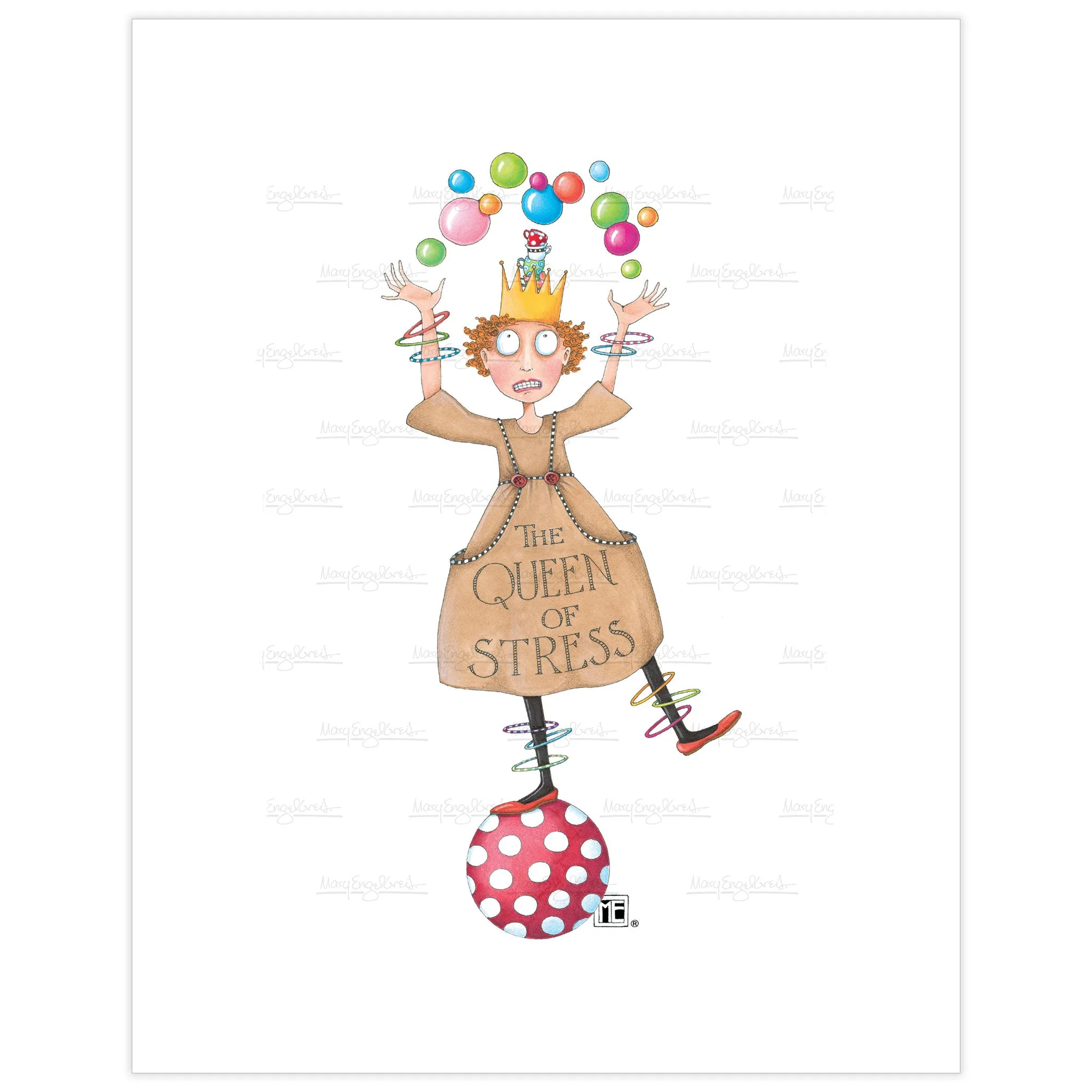
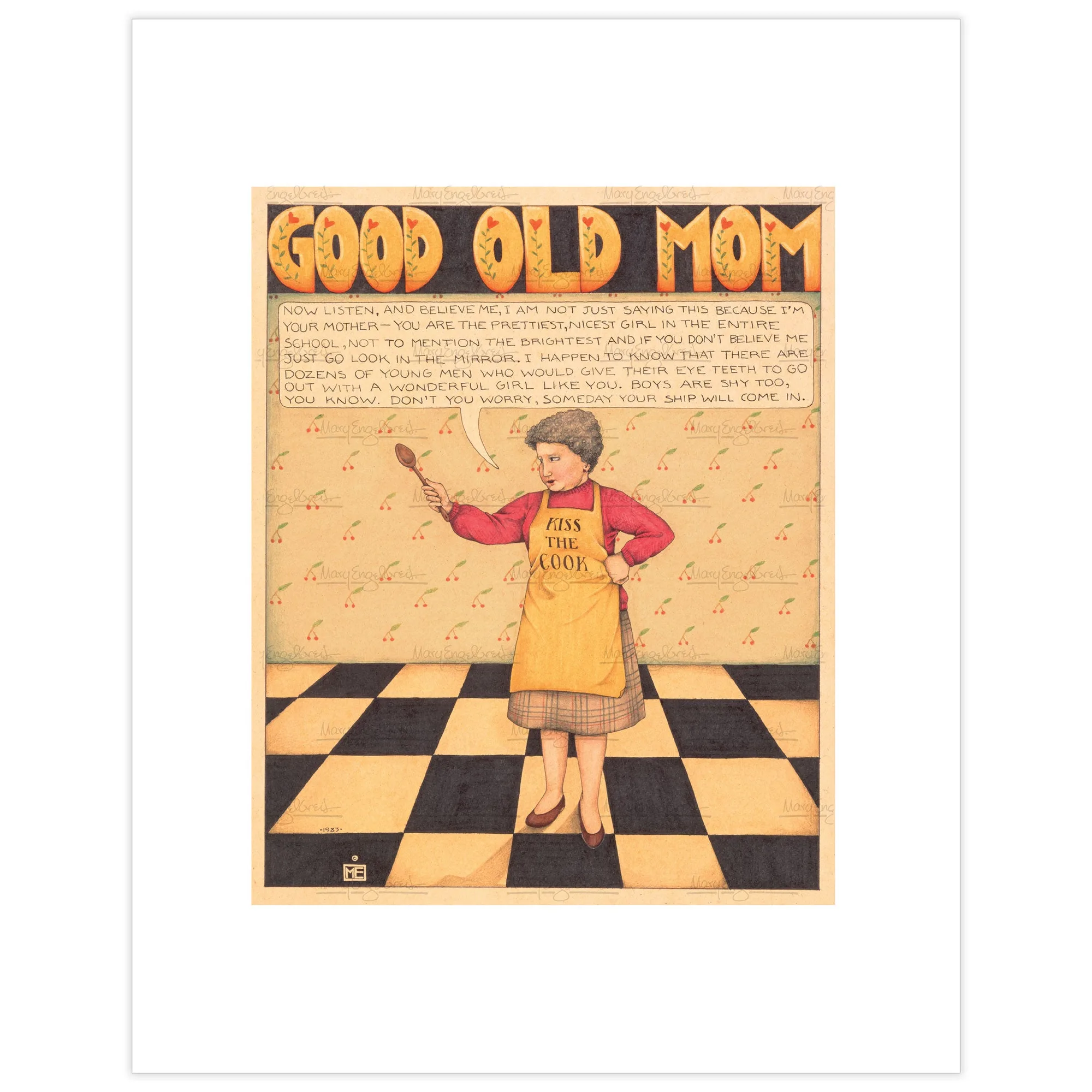
- Queen of Stress Fine Art Print: Printed on high-quality, textured paper in standard frame sizes, available with Mary's signature, and created to order with up to one week for processing. Standard sizing means you can frame it without a custom order, and the one-week lead time matters if you're buying it as a gift for a specific night.
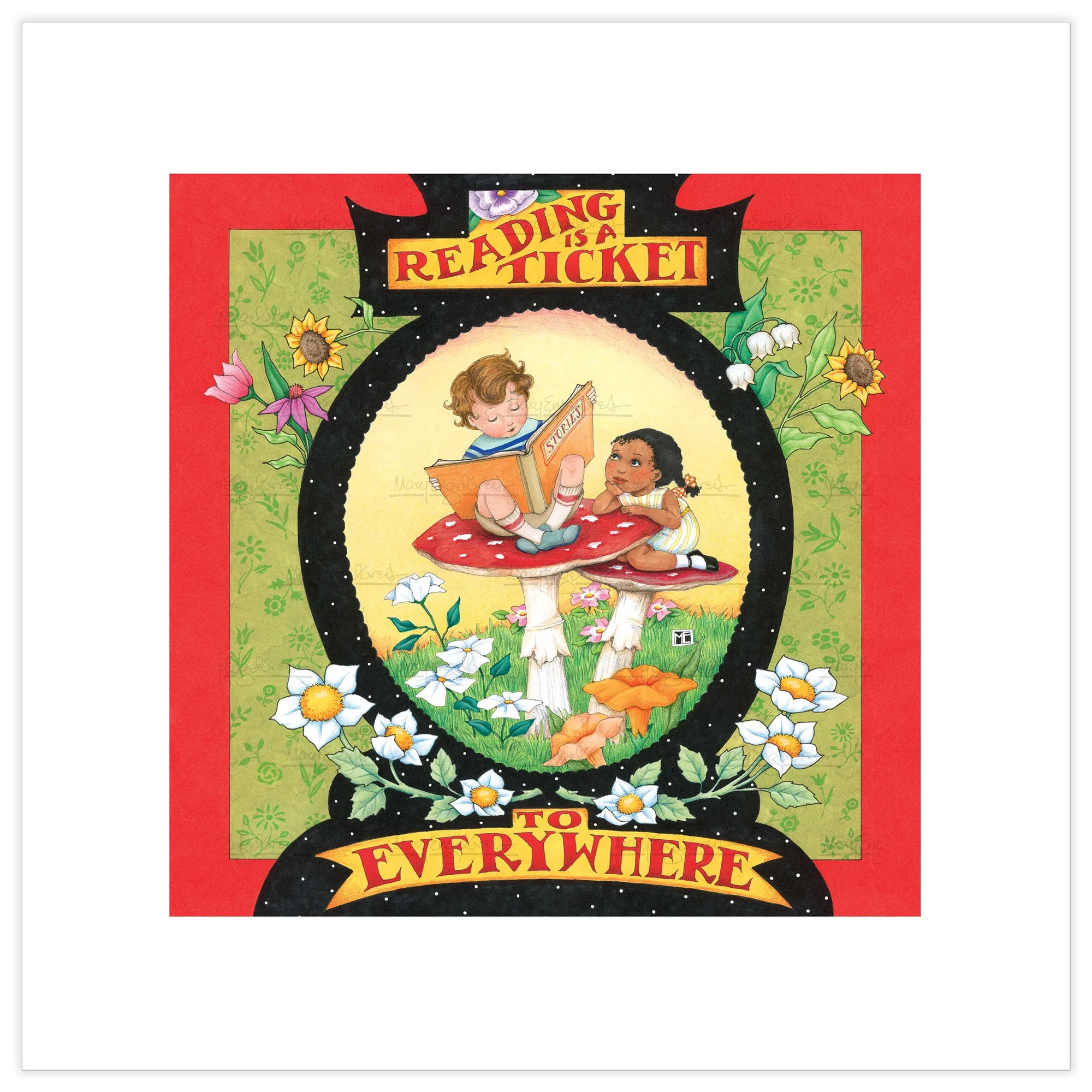
- Reading Is A Ticket Fine Print: Reads 'Reading Is A Ticket To Everywhere,' printed on high-quality, textured paper in standard frame sizes, available with Mary's signature, and created to order with up to one week for processing. A good fit for a reading corner or homework nook, and the made-to-order timeline means you should order ahead rather than the day before.
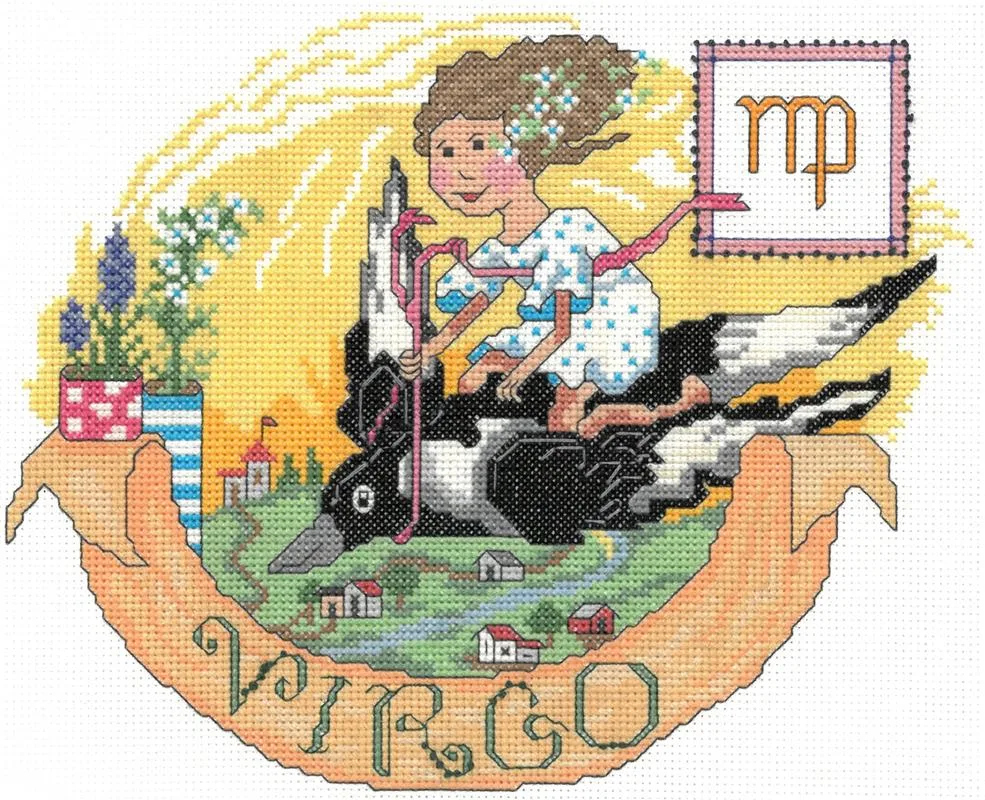
- Virgo Counted Cross Stitch Kit: A counted cross stitch design featuring a Virgo maiden riding a magpie over a countryside scene, positioned as a birthday or zodiac-themed project. A slower, solo-friendly option for the quiet end of family night, and a natural gift if someone in the group follows zodiac themes.
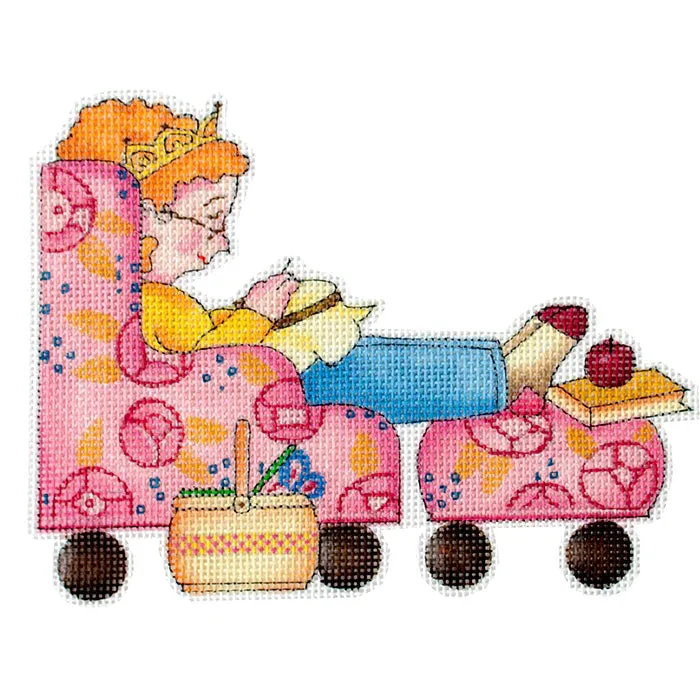
- Needlepoint Canvas: Comfy Chair Stitching: Hand-painted 18 count canvas with a design measuring 5.5" x 4.5"; threads and stitch guide are not included, and hand-painted canvases are painted to order and may take up to 6 weeks to fulfill. The small finished size suits an ornament or framed piece, but you must budget separately for threads and a stitch guide, and the 6-week lead time rules it out for a near-term occasion.
Who this approach fits
Best for
- Families with a wide age range who need one activity everyone can join
- Households that want a repeatable weekly rotation rather than a one-off purchase
- Gift buyers choosing a puzzle or game for a specific group size
Not for
- Buyers who want a single competitive game for adults only
- Shoppers needing a gift within days, since made-to-order prints and painted canvases have longer timelines
- Groups who prefer screen-based or video games over tabletop formats
Start with one puzzle sized to your youngest player and one game that finishes fast, then add a quiet project for the evenings when nobody wants to compete. Check player counts and processing times before you buy, and let the rotation do the rest.