Quick Answer
Choose puzzles when you want a child to practice a fixed solution: matching, sorting, and working toward one correct outcome. Choose building blocks when you want open-ended problem-solving where the child defines the goal. For most families, the better answer is both, used at different times, because they train different problem-solving muscles.
Two Different Kinds of Problem-Solving
A puzzle gives a child a closed problem. The picture or shape has one right answer, and the challenge is to find it. That builds persistence, visual matching, and the ability to hold a goal in mind while testing pieces.
Building blocks flip that structure. There is no correct result, so the child has to invent the problem first: what am I making, and what counts as finished? That builds planning, revision, and comfort with ambiguity. Neither is better; they are different practice.
What Each Type Asks of a Child
Puzzles tend to be quieter and more self-contained. A child can work alone, and the feedback is immediate: the piece fits or it does not. That makes puzzles useful for building focus and for children who like clear rules.
Blocks are social and messy in the best way. A tower that falls is information, not failure, so children learn to test and rebuild. The trade-off is that open-ended play can stall without a prompt, which is why a starting idea helps.
Age and Stage Matter More Than the Category
For toddlers, the useful question is not puzzles or blocks but how much support the toy provides. A first puzzle with chunky pieces and picture cues is easier than a blank pile of blocks, because the goal is visible.
As children get older, block play often becomes more complex than puzzle play, because the child can keep adding constraints: make it taller, make it hold a figure, make it balance. A puzzle's difficulty is fixed by the puzzle.
How to Use Both Without Buying Twice
You do not need a large collection. One puzzle at the right difficulty and one open-ended building material cover both problem types. Rotate them rather than leaving everything out at once, so each gets real attention.
If you want a low-commitment start, a small kit that integrates with household objects extends block-style play without a big set. A themed figure set can also turn a finished block build into a story, which keeps the problem-solving going after the building stops.
Trade-Offs at a Glance
- Puzzles: clear goal, fixed difficulty: The correct answer is built in, so feedback is instant and a child can work independently. The limitation is that once solved, the challenge is gone unless you size up. Best for focus, matching, and children who want a defined finish line.
- Blocks: open goal, variable difficulty: The child sets the target and can keep raising it, which stretches planning and revision. The limitation is that some children freeze without a prompt or a model. Best for creativity, persistence, and long-term replay value.
- Buying both: more range, more storage: Two categories cover closed and open problem-solving, but loose pieces need a home and puzzles lose pieces when mixed. Choose one starting point if space is tight. Start with the style your child already reaches for, then add the other.
Products That Support Each Style
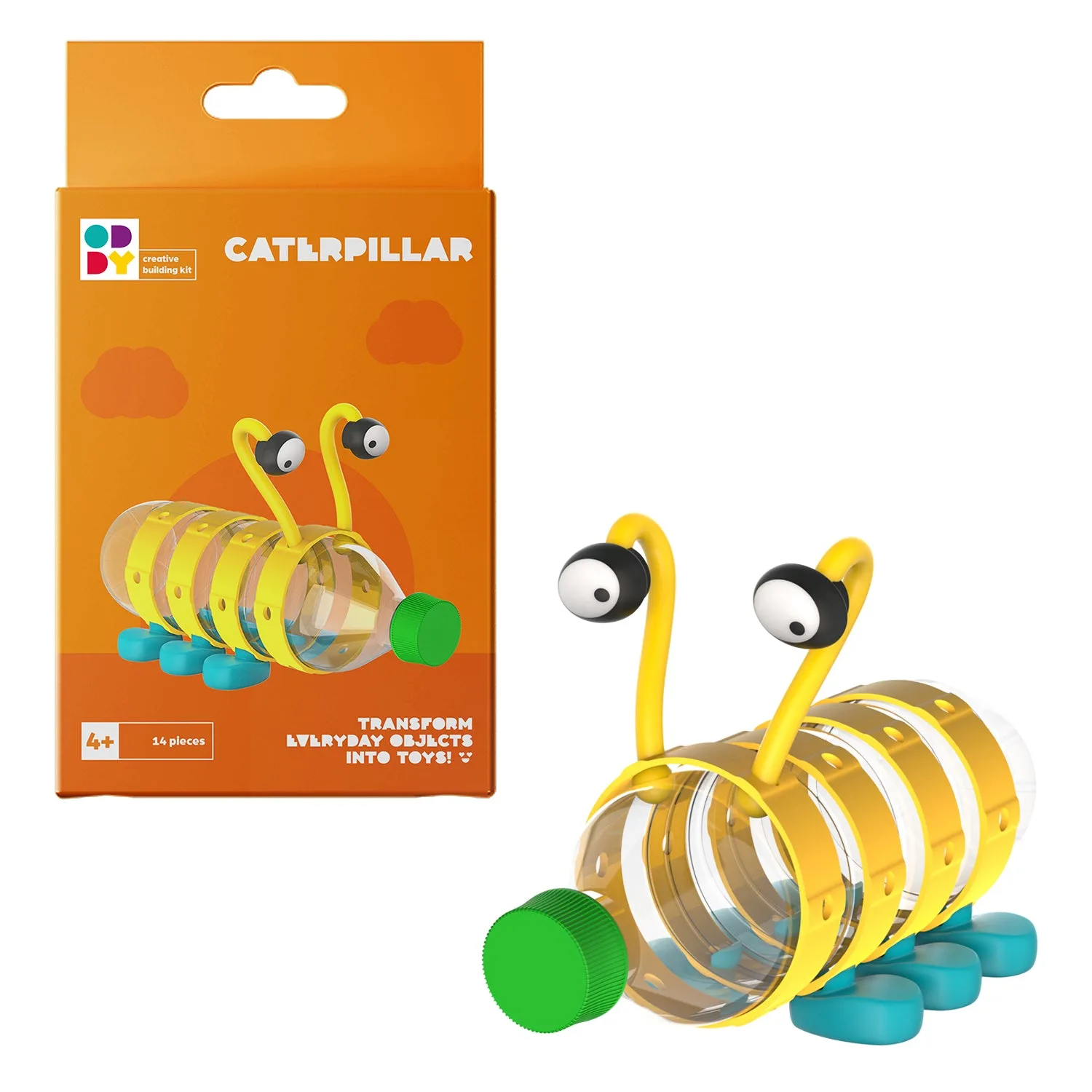
- Oddy Mini Caterpillar 14 Piece Building Kit: ODDY Creative Building Kits let kids transform everyday objects into toys, and this Caterpillar 14 piece Building Kit uses items such as water bottles to build a funky cartoony caterpillar. Household items are not included. A low-cost way to try open-ended building, because the child supplies part of the structure and has to solve how the pieces connect.
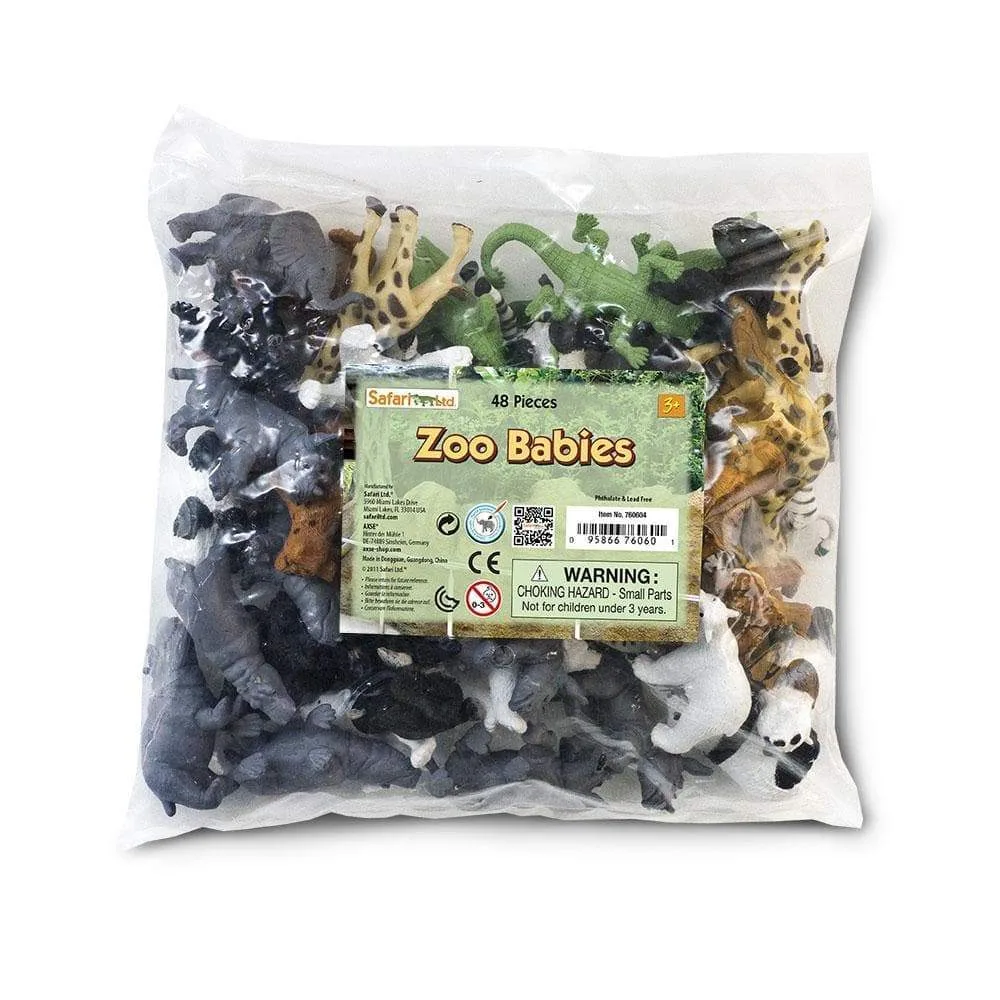
- Zoo Babies Bulk Bag: Zoo Babies Bulk Bag is a 48 piece set of baby animal figures for creating a mini petting zoo, with different characteristics across the animals. Useful as the story layer after a block build, giving a finished structure a purpose and keeping children engaged longer.
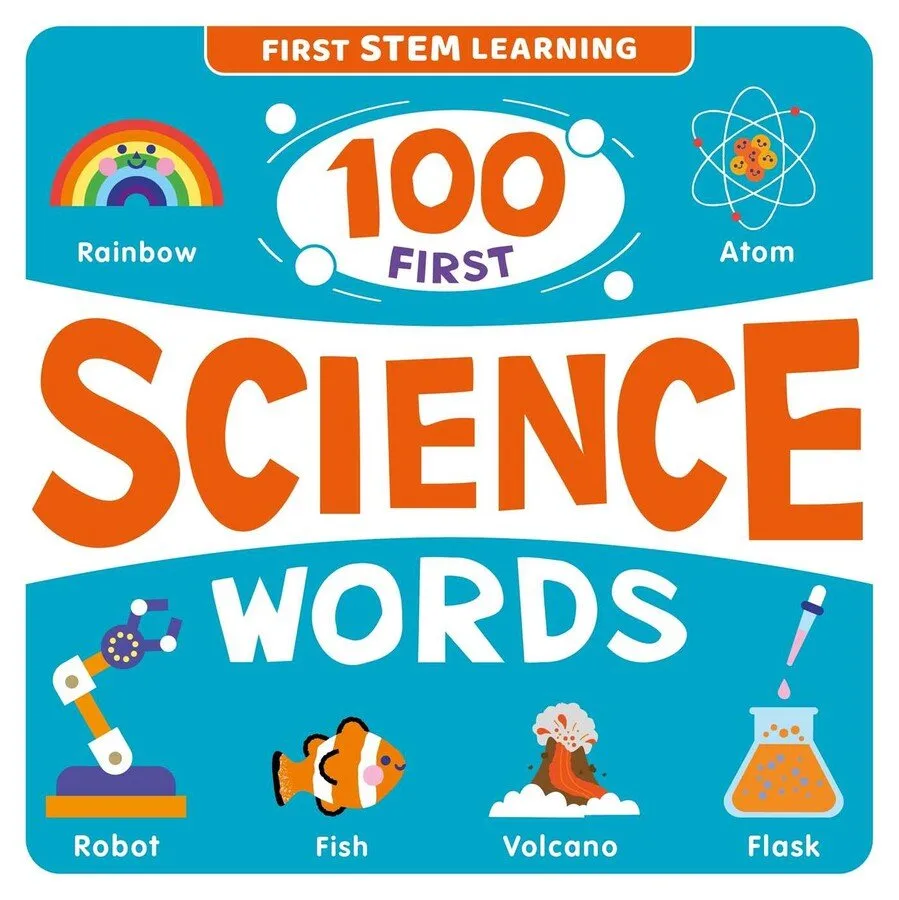
- 100 First Science Words: 100 First Science Words is a 12-page Igloo Books title for ages 3 to 6, grades P through K, with over 100 illustrated first STEM words. A quiet, screen-free option that supports the vocabulary children need to describe what they are building or solving.
Which Should You Choose?
Best for
- Children who like clear rules and a visible finish
- Quiet, independent play and travel
- Building focus and visual matching
Not for
- Children who want to invent their own goals
- Long-term replay without buying new puzzles
- Open-ended storytelling and pretend play