Quick Answer
Puzzles build fine motor skills through precise, repetitive grasping and placement, while constructor kits add open-ended design and storytelling that sustain focus for longer. For pure concentration practice, choose puzzles for ages 3–6; for kids 6 and up who like to plan and rebuild, constructor kits like the Alabama A&M College Builds kit keep attention engaged through multiple sessions. Many families use both: puzzles for quiet warm-ups, constructor kits for deeper project time.
How Puzzles and Constructor Kits Train Focus Differently
Puzzles train focus through a single, clear goal: every piece has one correct spot. That constraint is powerful for young children because it removes decision fatigue. A child picks up a piece, tries it, and gets immediate feedback. The repetition strengthens the pincer grasp and hand-eye coordination that later help with handwriting and buttoning clothes. The trade-off is that once a puzzle is solved, the cognitive challenge is done unless the child repeats it or moves to a harder puzzle.
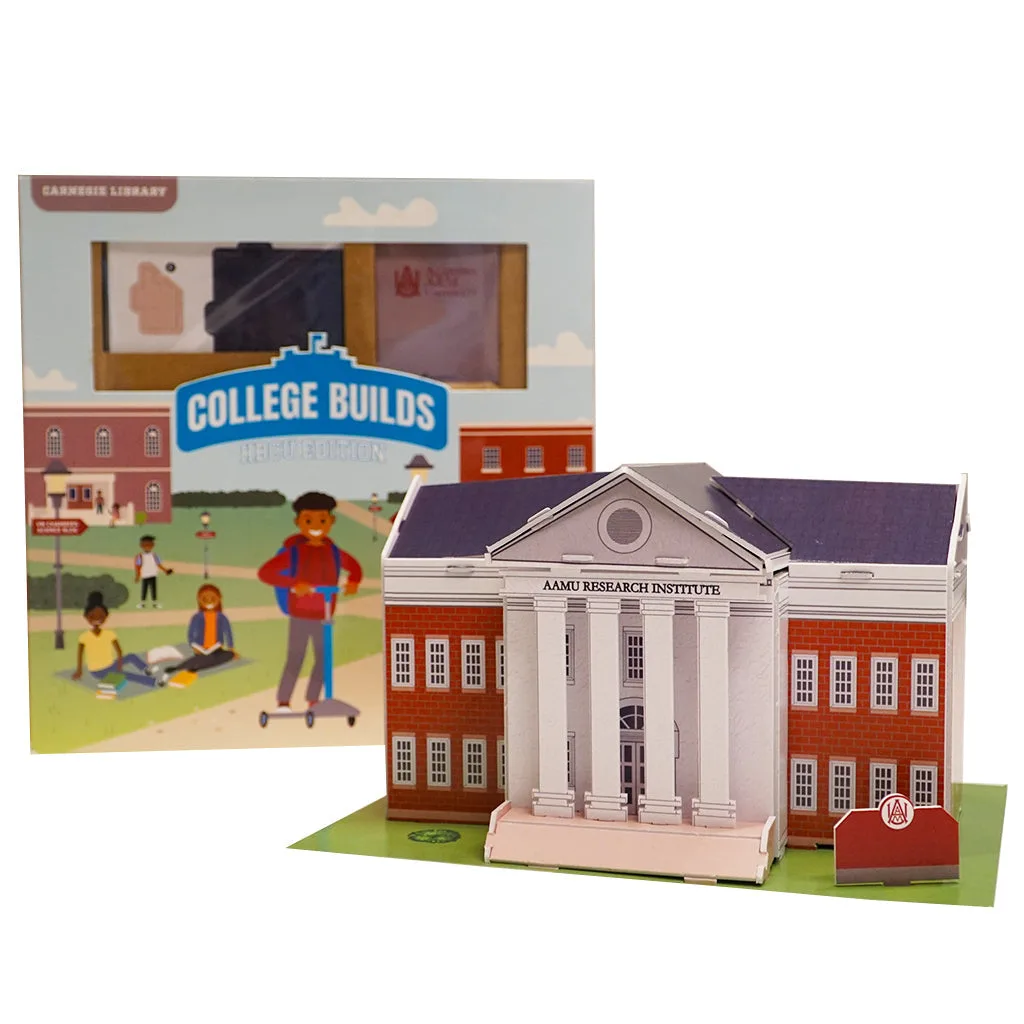
Constructor kits flip that model. There is no single right answer, so the child has to hold a plan in mind while physically assembling parts. That sustained mental effort is what stretches attention span. The Alabama A&M College Builds kit, for example, includes a blueprint and a foam 3D puzzle of the library, so kids follow a design but still make choices about order and placement. The open-ended nature means the kit can be rebuilt or displayed, but it also requires more adult scaffolding at first.
Fine Motor Skills: Precision vs. Construction
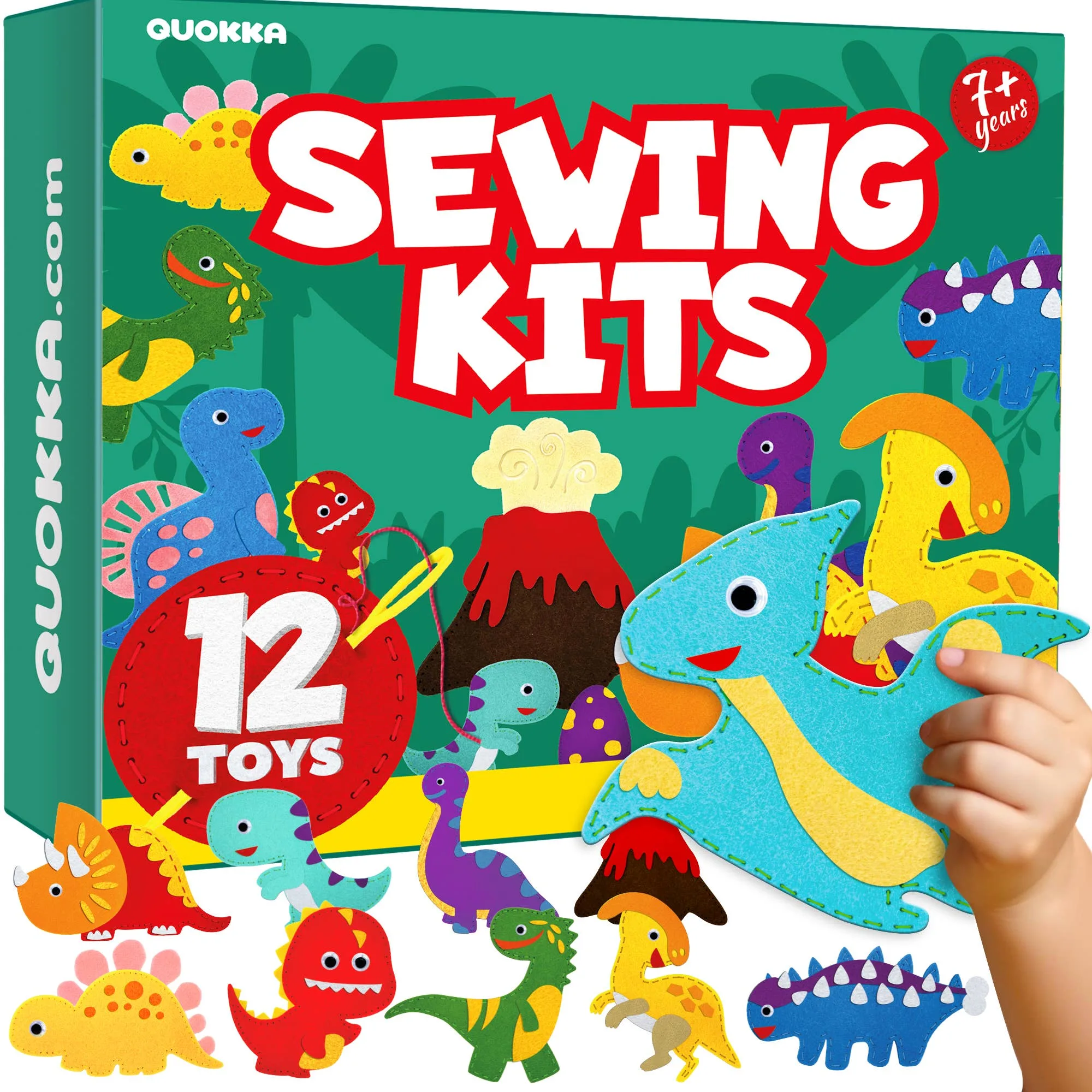
Puzzles develop fine motor precision: the thumb-and-index finger grasp, wrist rotation, and graded pressure needed to slide a piece into place without forcing it. These are the same movements used in drawing and cutting. Constructor kits develop a slightly different set: pushing, twisting, aligning, and sometimes threading or sewing. The 12 Dinos Sewing Kit, for instance, uses plastic needles and pre-punched felt holes, which builds the up-and-down stitching motion that puzzles do not practice.
The practical difference matters when you notice which skills your child avoids. A child who struggles with pencil grip may benefit more from puzzle play, while a child who avoids buttons and laces may get more from a sewing or building kit that repeats those hand actions. Neither toy is superior; they train complementary muscle groups.
Attention Span and Age Fit
For ages 3–5, a 12- to 24-piece puzzle is often the right challenge: it can be finished in one sitting, which gives a sense of closure and encourages repeat play. Constructor kits at this age work best when they have chunky pieces and a simple goal, like the foam puzzle in the Alabama A&M kit, which is part of a larger activity set rather than a free-build bucket.
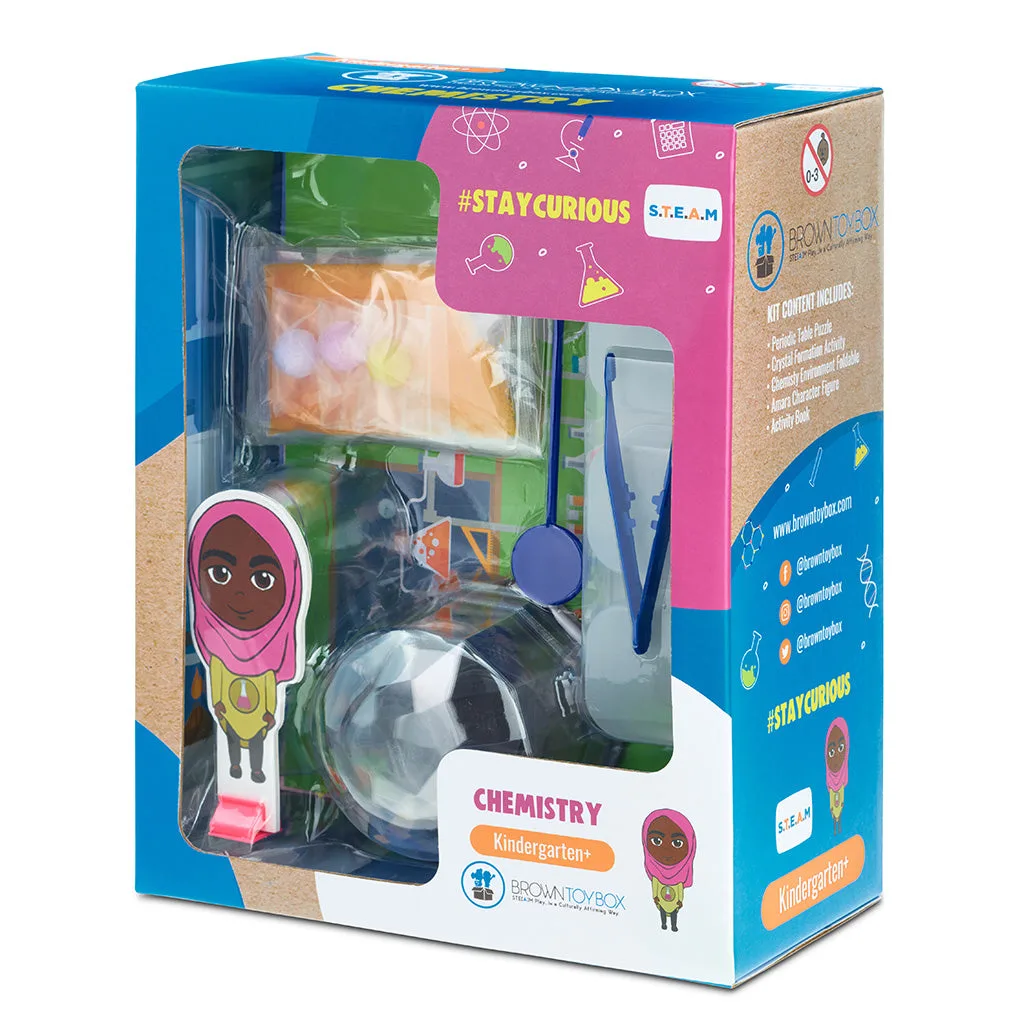
For ages 6–9, attention span is longer, and constructor kits start to pay off. The Chemistry STEAM Kit from Brown Toy Box combines a DIY crystal-making experiment with a periodic table puzzle and a foldable environment, so the child moves between different hands-on tasks. That variety can hold focus longer than a single puzzle, but it also means the kit may take multiple sessions to complete. If your child prefers to finish everything in one go, a puzzle may still be the better daily choice.
Trade-Offs at a Glance
- Goal clarity vs. open-ended thinking: Puzzles give one correct solution, which reduces decision fatigue and builds persistence through trial and error. Constructor kits have many possible outcomes, which builds planning and creativity but can overwhelm a child who needs a clear endpoint. Choose puzzles for kids who get frustrated by too many choices; choose constructor kits for kids who ask 'what else can I make?'
- Repeatability vs. novelty: A puzzle loses its challenge once solved, so you need a progression of puzzles to keep the focus benefit growing. A constructor kit like the Alabama A&M College Builds set can be rebuilt or displayed, and the Chemistry STEAM Kit has multiple activities, so it stays novel longer. If your budget is tight, a multi-activity constructor kit may deliver more hours of focused play than a single puzzle.
- Independent play vs. guided play: Simple puzzles are often self-correcting and can be done alone. Constructor kits with blueprints or experiments usually need an adult to read instructions, manage materials, or demonstrate a step, especially the first time. Match the toy to the supervision you can realistically provide today, not the ideal you hope for.
Product Facts
- Alabama A&M College Builds |STEM | Constructor Kit | Brown Toy Box: Replica of Alabama A&M University; constructor set complete with blueprint, foam 3D puzzle of library, and fact cards about Alabama A&M. The blueprint gives a clear plan to follow, which supports focus, while the foam puzzle adds a tactile building task that trains fine motor alignment. The fact cards extend the activity into reading and conversation.
- Brown Toy Box Dadisi Academy Amara/Chemistry STEAM Kit: Chemistry STEAM Kit includes a DIY crystal making experiment, scientific tools, periodic table puzzle, fun foldable environment, culturally representative book, and two-sided Amara cut out. Combining a puzzle with an experiment and a book gives multiple entry points for focus, so a child can rotate tasks instead of abandoning the whole kit when one part gets hard.
- Craft Kits for Kids - 12 Dinos Sewing Kit: 12-piece beginner sewing kit with jumbo felt toys, plastic needles, colorful thread, googly eyes, pre-punched felt, and safety scissors. Sewing is a fine motor workout that puzzles do not provide: it builds the up-and-down stitching motion and bilateral hand coordination. Pre-punched holes lower the frustration barrier for beginners.
Which Should You Choose?
Best for
- Families with children ages 3–6 who need quiet, independent focus activities
- Kids who are practicing pincer grasp and hand-eye coordination for handwriting
- Parents who want a self-correcting toy that does not require reading instructions
Not for
- Children who master puzzles quickly and need open-ended challenges
- Kids who prefer building, storytelling, or experimenting over solving a fixed problem
- Families looking for a single kit that spans multiple sessions and subjects