Quick answer
Choose a pyramid tent if you want fast, one-pole setup, standing-height comfort, and the flexibility to run it with or without an inner tent. Choose a dome tent if you want a freestanding, familiar structure with a protected sleeping inner and a separate front room. For most campers who move sites often and value simplicity, the DOD RX Pyramid Tent (L) is the easier long-term shelter; for campers who want a classic two-zone layout with a ground sheet included, THE Dome Tent is the more predictable pick.
How the two shapes actually differ on site
A pyramid tent relies on a central pole and a symmetrical footprint. That means one pole to thread, one peak to raise, and a shape that naturally sheds wind because there are fewer flat panels catching gusts. The trade-off is that the interior is widest at the base and narrows toward the top, so tall campers feel the slope near the walls even when the peak is high.
A dome tent uses crossed poles to create a self-supporting shell. The curve distributes load across multiple points, and because the structure holds its shape without tension from guy lines, it is easier to reposition once pitched. The cost is more poles, more clips, and a heavier packed bundle for the same floor area.
Setup effort and daily camp routine
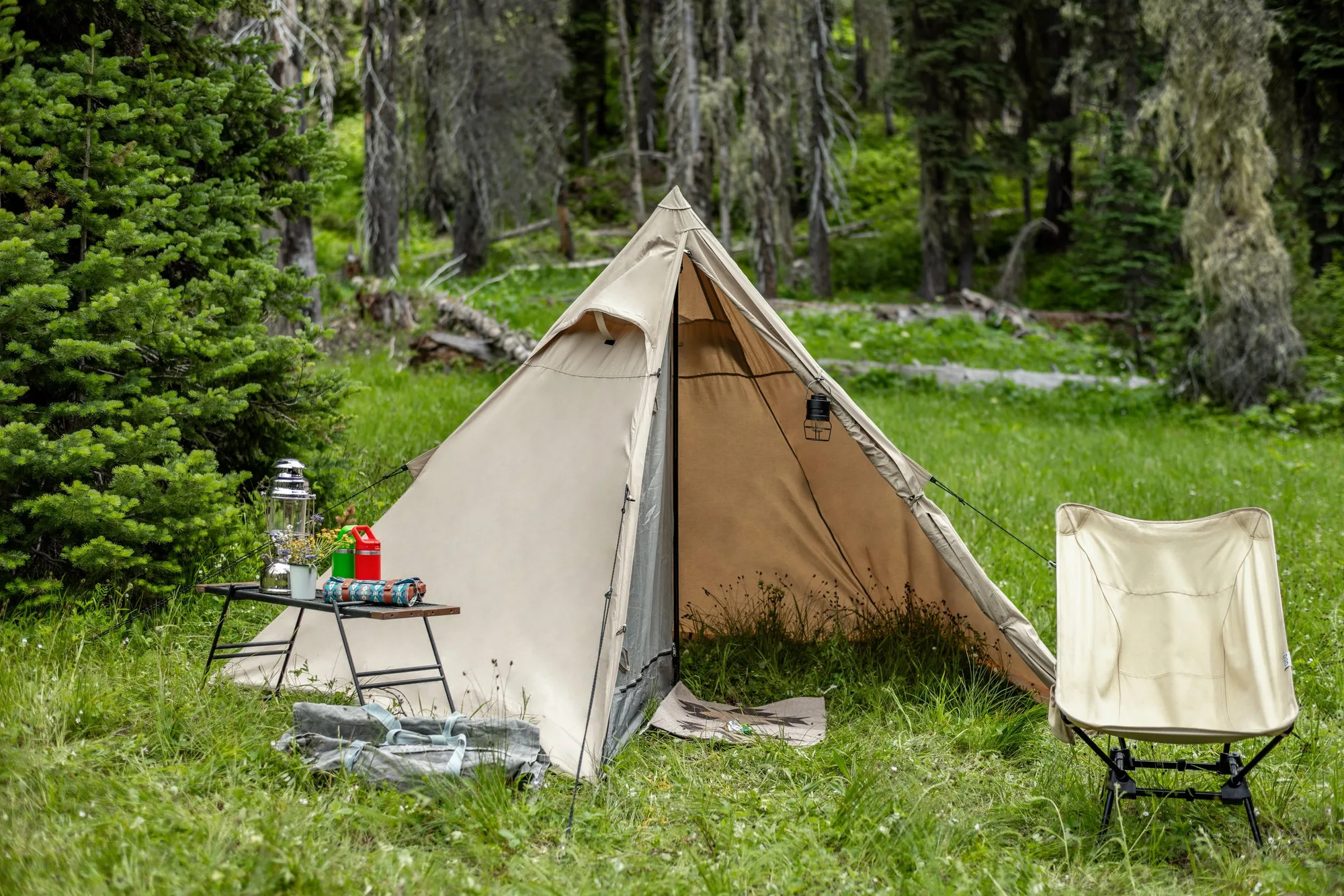
If you break camp every morning, pyramid tents win on repetition. The RX Pyramid Tent (L) is built around a balanced, symmetrical pyramid shape that simplifies setup for campers at any experience level, and the included inner tent can be left in place or removed when you want a floorless space. That single decision changes how you use the tent: with the inner, you get a defined sleeping area; without it, you get an open shelter for gear, cooking cover, or a windbreak.
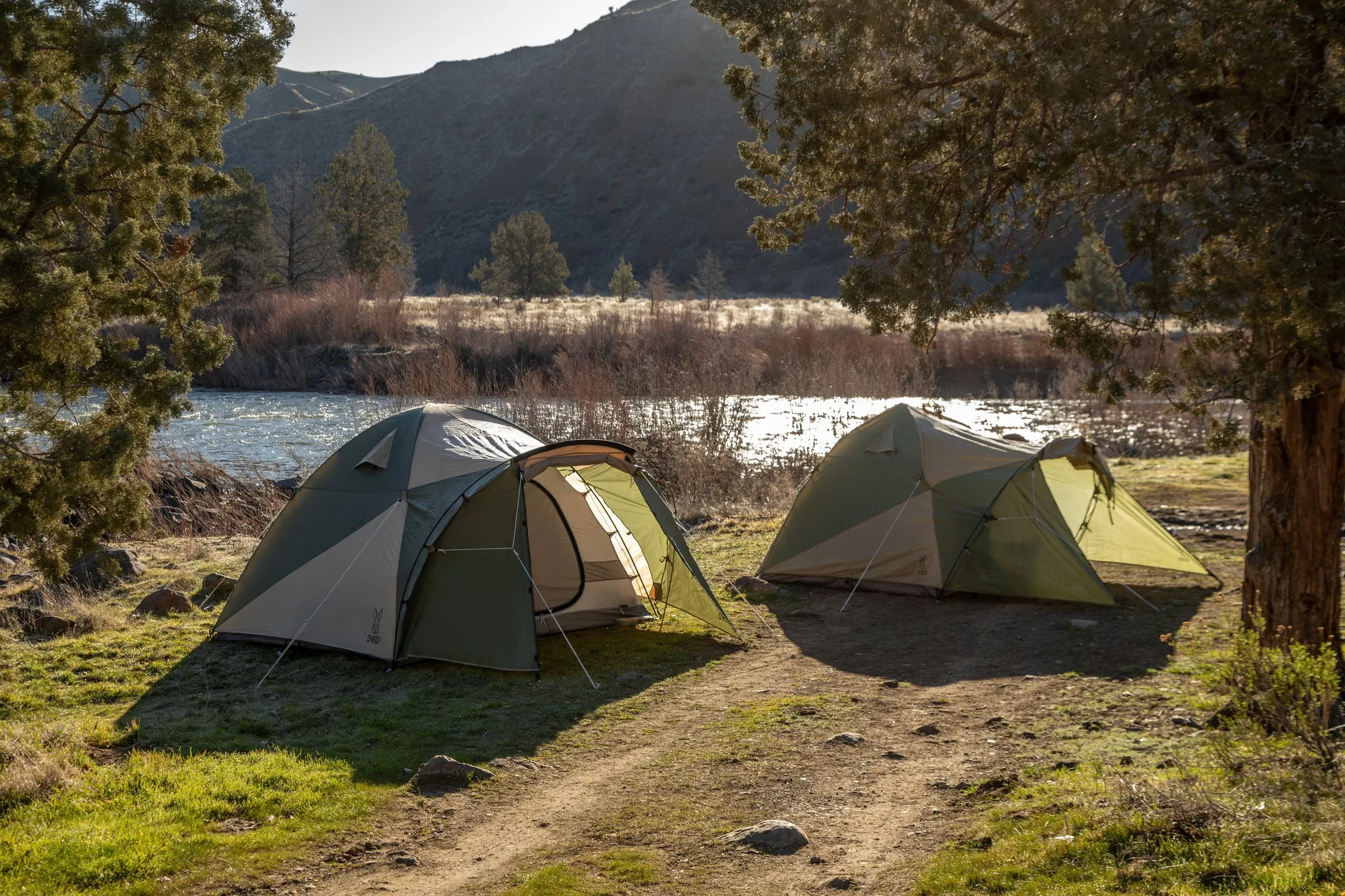
Dome tents ask for a little more patience on the first pitch but reward you with a layout that many campers already know. THE Dome Tent uses an orthodox dome shape with crossed poles, and its simplicity is the point: once the poles are seated, the shell stands on its own. The added front room gives you a place to sit, store boots, or wait out a shower without dragging mud into the sleeping area.
Space, headroom, and how the floor plan feels
Pyramid tents feel generous in the center and tight at the edges. The RX Pyramid Tent (L) is described as extra tall for comfort with wide entrances and a skirted outer shell, which matters most when you are standing to change clothes or moving a camp chair in and out. The skirt also helps block drafts along the base, though it is not a substitute for a full inner when bugs are heavy.
Dome tents divide space differently. THE Dome Tent pairs a high ceiling in the inner tent with a large front room that can be extended into a canopy area for additional living space. That two-zone arrangement suits campers who want a clear separation between sleeping and hanging out, and the included ground sheet protects the floor from grit and moisture.
Weather behavior: wind, rain, and ventilation
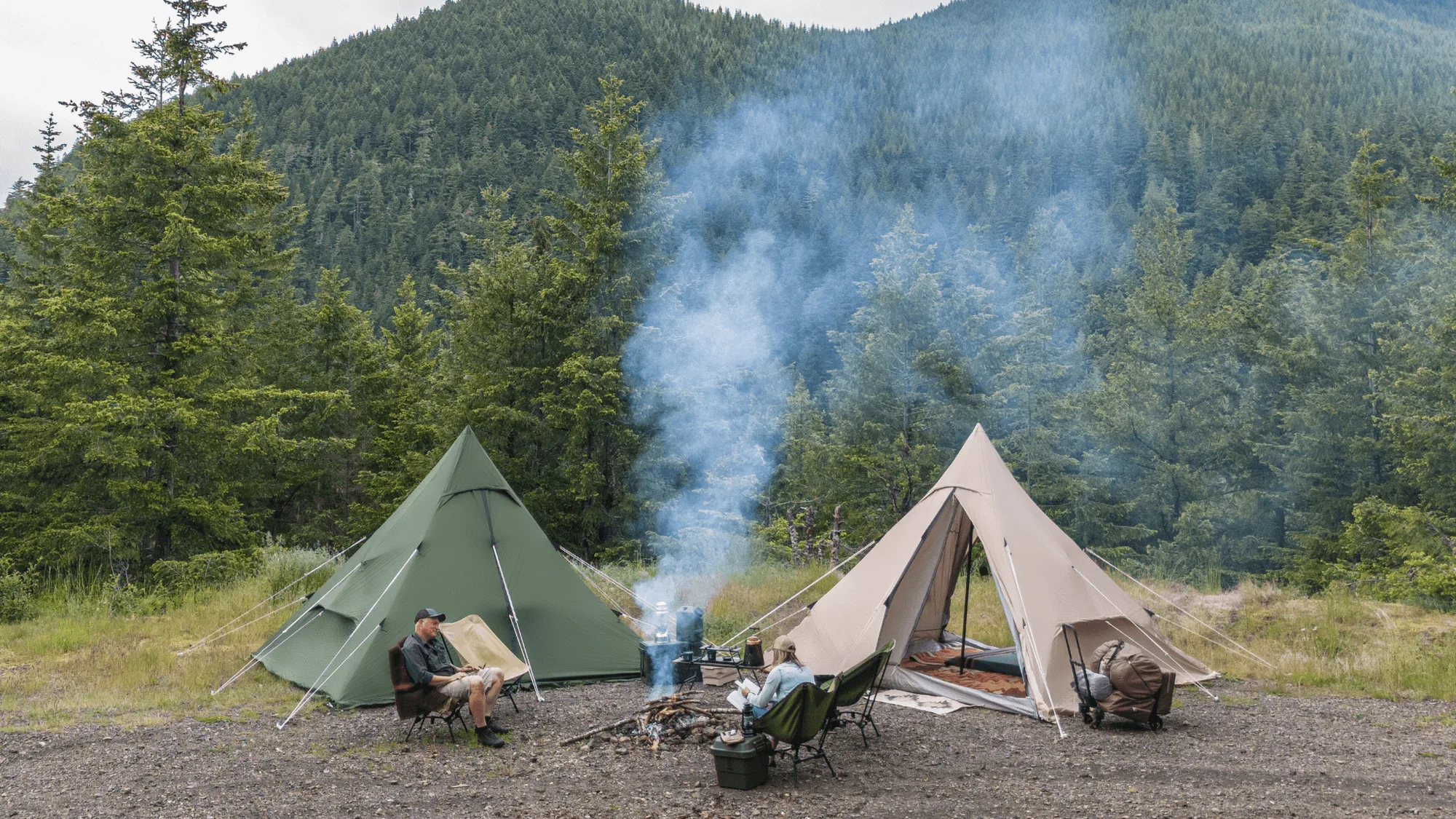
Wind resistance is where pyramid tents have a structural advantage. A symmetrical pyramid presents angled faces to the wind and a single peak that does not flex across multiple pole crossings. The RX Pyramid Tent (L) leans into this with its balanced shape and skirted shell, which reduces draft and lift at the hem. In exposed, gusty sites, that geometry is usually calmer than a dome of similar size.
Dome tents handle weather through curvature and guy-out points rather than pure shape. The crossed poles create a taut, self-supporting shell that sheds rain well when pitched correctly, and the lower profile can feel steadier in moderate conditions. The honest trade-off is that a dome has more seams and more surface area facing the wind, so staking and guying matter more than they do on a pyramid.
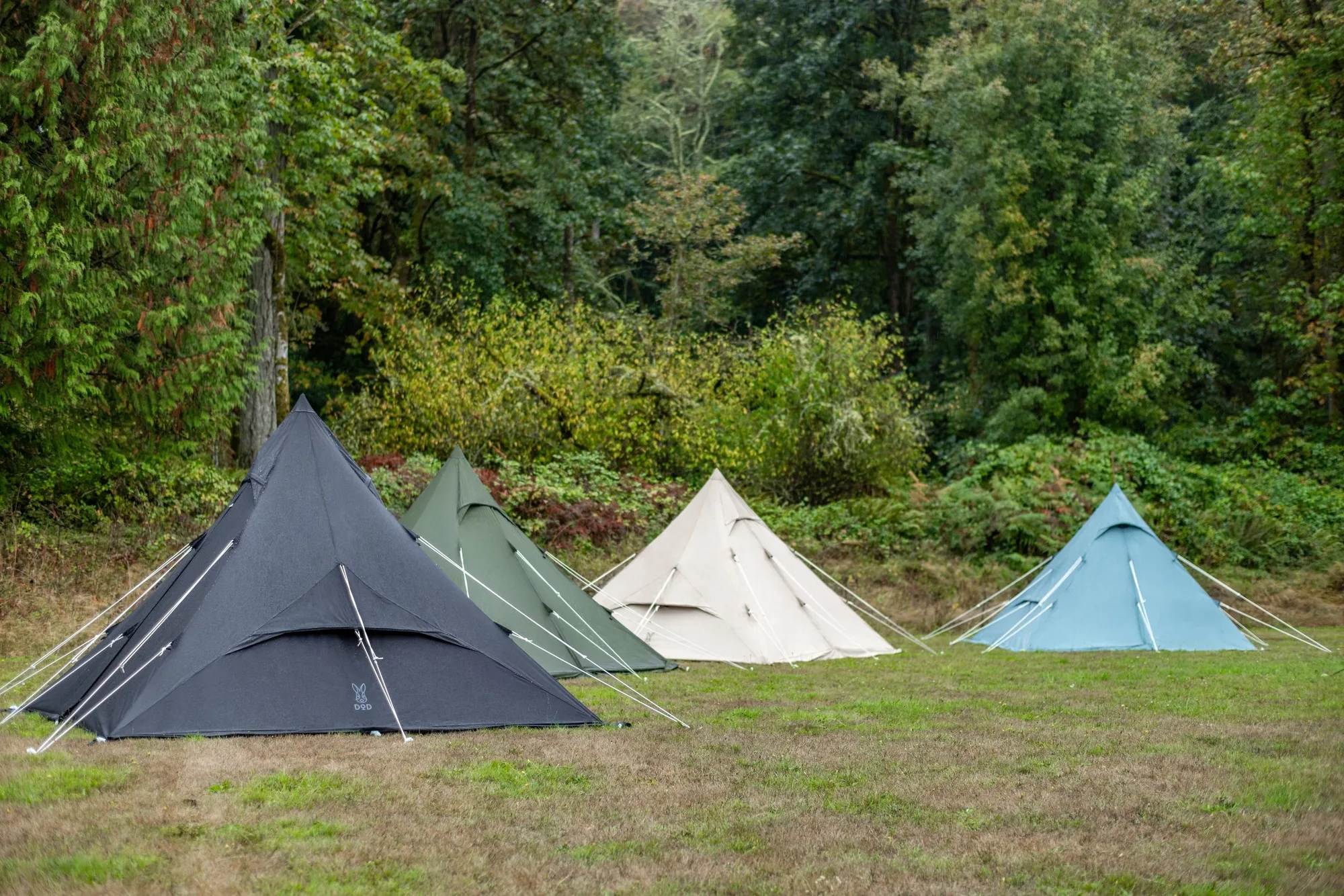
Ventilation is a separate question from weather protection. The Canvo RX Pyramid Tent (M) uses DOD's proprietary Canvo fabric for the outer shell, which is described as providing superior breathability and protection from the elements compared with standard polyester. If condensation has been your problem on cool, still nights, that fabric choice is worth more than an extra vent flap.
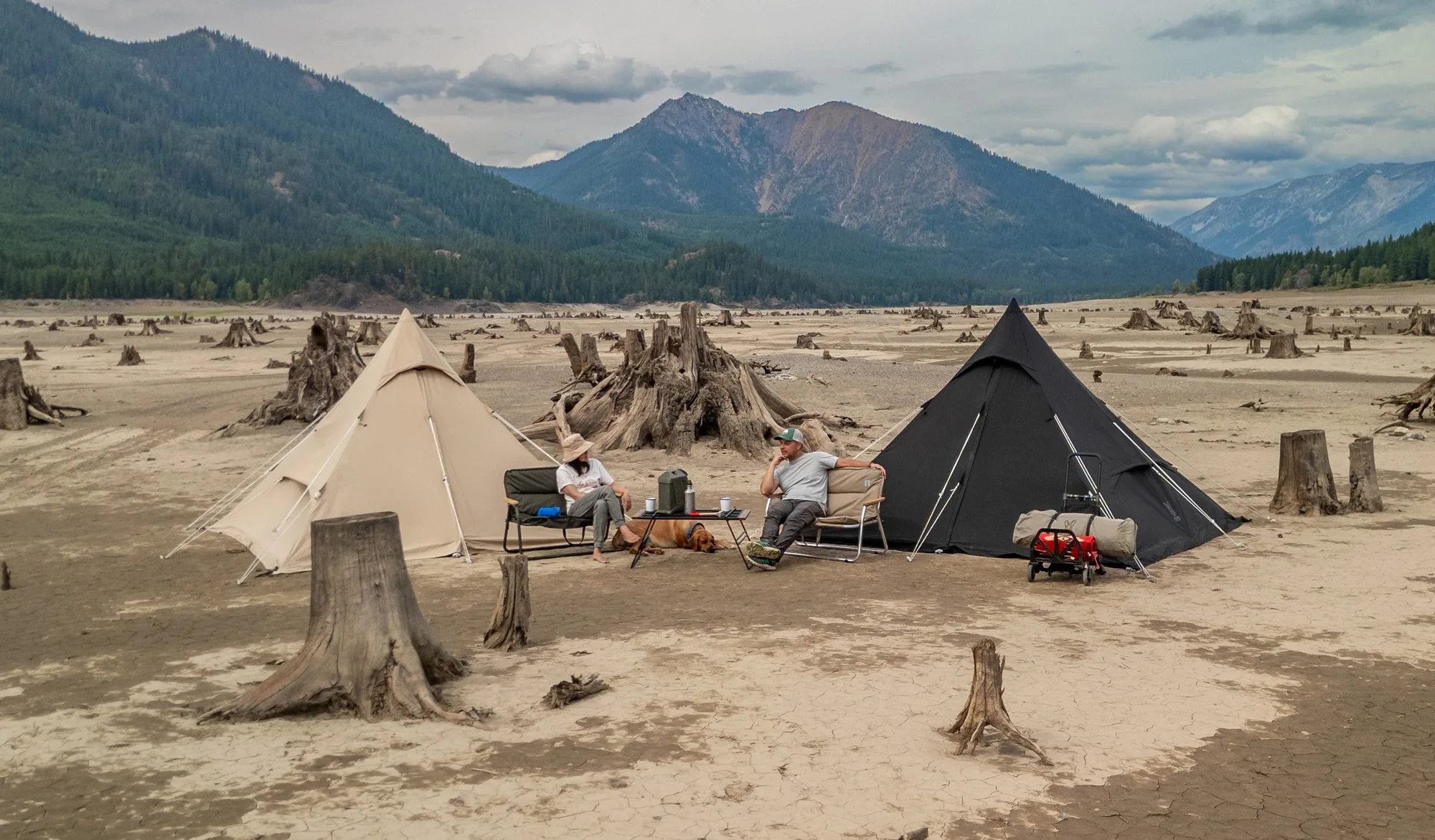
RX Pyramid Tent (M)
Where a one-pole tent fits in
Solo campers often land between the two main shapes and end up looking at a one-pole design. The Musha 1Pole Tent is a two-room, one-pole shelter with a separate sleeping chamber and vestibule for gear or covered lounging. Its canopy door works as a vertical awning, acting as a sunshade, blind, or windbreak depending on how you orient it. Because it is made from Canvo, it is described as more durable than polyester tents and breathable.
That layout gives you pyramid-style setup speed with a defined sleeping zone, which is the main thing a bare pyramid lacks. The limitation is scale: it is designed for solo campers, so it is not the answer for a family or a couple hauling two chairs, a table, and a cooler.
Trade-offs to weigh before you buy
- Setup speed vs. freestanding convenience: A pyramid like the RX Pyramid Tent (L) goes up around one pole and can be stripped to a floorless shell, which is faster to repeat daily. A dome like THE Dome Tent needs crossed poles but stands without tension, so it is easier to shift after pitching. Pick pyramid for fast daily pack-down; pick dome if you reposition your tent often.
- Central headroom vs. usable floor edges: Pyramid tents feel tall in the middle but slope inward, so gear and sleepers near the walls lose height. Dome tents spread headroom across the inner tent and add a front room, which keeps the sleeping zone clear. Tall campers and chair-users gain more from a pyramid; campers with lots of gear gain more from a dome's two zones.
- Wind shape vs. seam count: The pyramid's angled faces and skirted hem resist gusts with less flex. A dome sheds rain well but presents more surface and seams to the wind, so staking and guying decide how calm it feels. Exposed, windy sites favor a pyramid; sheltered sites let a dome's layout advantages show.
- Fabric choice vs. layout choice: Canvo on the Canvo RX Pyramid Tent (M) targets breathability and weather protection, which helps on still, damp nights. THE Dome Tent answers a different need with 150D fabric and an included ground sheet for floor durability. Choose fabric for climate, choose shape for how you live in the tent.
DOD models that show the difference
- RX Pyramid Tent (L): The RX Pyramid Tent (L) uses an easy-to-set-up pyramid shape with a balanced, symmetrical design, is extra tall for comfort, and has wide entrances and a skirted outer shell. It can be pitched with the included inner tent or without it for a floorless space. You get standing room and a fast pitch, plus the option to convert the shelter into an open floorless space for gear or social cover without buying a second tent.
- THE Dome Tent: THE Dome Tent uses a classic dome shape with crossed poles, comes with a ground sheet, and is made with durable 150D fabric. It has a high ceiling in the inner tent and a large front room that can be extended into a canopy area. The two-zone layout keeps sleeping and living space separate, and the included ground sheet plus 150D fabric suit campers who want a durable floor and a protected inner from the first trip.
- Canvo™ RX Pyramid Tent (M): The Canvo RX Pyramid Tent (M) is the Canvo version of the RX Pyramid Tent, with an outer shell made from DOD's proprietary Canvo fabric described as providing superior breathability and protection from the elements. It can be set up with the included inner tent or without it. If condensation and stuffiness are your main complaints, the Canvo shell addresses breathability directly while keeping the pyramid's one-pole setup and open-floor option.
- Musha 1Pole Tent: The Musha 1Pole Tent is a two-room, one-pole tent for solo campers, with a separate sleeping chamber and vestibule, and a canopy door that functions as a vertical awning for sunshade, blind, or windbreak. It is made from Canvo. Solo campers get pyramid-like setup speed with a dedicated sleeping chamber and a door that doubles as weather protection, without the footprint of a full dome.
Which shape fits your camping style
Best for
- Campers who pitch and strike daily and want one-pole simplicity, such as the RX Pyramid Tent (L)
- Tall campers who want standing height and wide entrances in the center of the shelter
- Exposed or gusty sites where a symmetrical pyramid and skirted hem reduce wind flex
- Solo campers who want a defined sleeping chamber plus an awning-style door, such as the Musha 1Pole Tent
Not for
- Campers who need maximum usable floor near the walls and a separate front room, who should compare a dome like THE Dome Tent
- Buyers who want a freestanding shelter they can pick up and reposition without re-staking
- Groups needing two distinct rooms at full family scale, where a two-zone dome layout is more practical