Quick answer
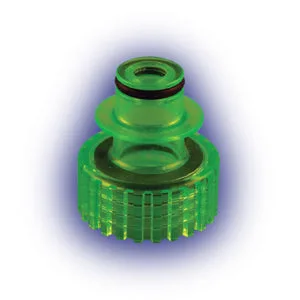
Most inconsistent launches come from a dirty, worn, or incorrectly seated Quest Q7321 nozzle. Clean it with warm water and a soft brush after every session, inspect the O-ring and sealing surfaces, and replace the nozzle if you see cracks, deep scratches, or a deformed exit cone. A fresh Q7321 restores the restricted flow that gives your rocket its thrust.
Why the Q7321 Nozzle Controls Launch Consistency
The Quest Q7321 nozzle is not just a plug. It restricts the exit flow of water and compressed air from the PET bottle, creating a longer, higher level of thrust. This molded nozzle combined with the Q7308 launch pad forms a high-performance water rocket system. Any change to the nozzle's internal shape or seal changes that thrust curve, so a dirty or damaged nozzle makes launches unpredictable.
Step-by-Step Nozzle Care After Every Launch
Rinse the nozzle in warm water immediately after use to remove grit and mineral deposits. Use a soft bottle brush or a cotton swab to clean the exit cone and the sealing lip. Do not use metal tools or abrasive cleaners. Dry it fully, then store it in a clean, dry bag away from direct sun. Before each launch, check that the nozzle seats squarely on the bottle and that the O-ring is not pinched.
When to Replace the Q7321 Nozzle
Replace the nozzle if you see cracks, deep scratches, a deformed exit cone, or a persistent leak that cleaning cannot fix. A worn nozzle may still fit, but it will not restrict flow correctly, so your rocket will launch lower or veer off. Keep a spare Q7321 on hand so a damaged nozzle does not end your launch day.
Other Quest Water Rocket Parts to Check
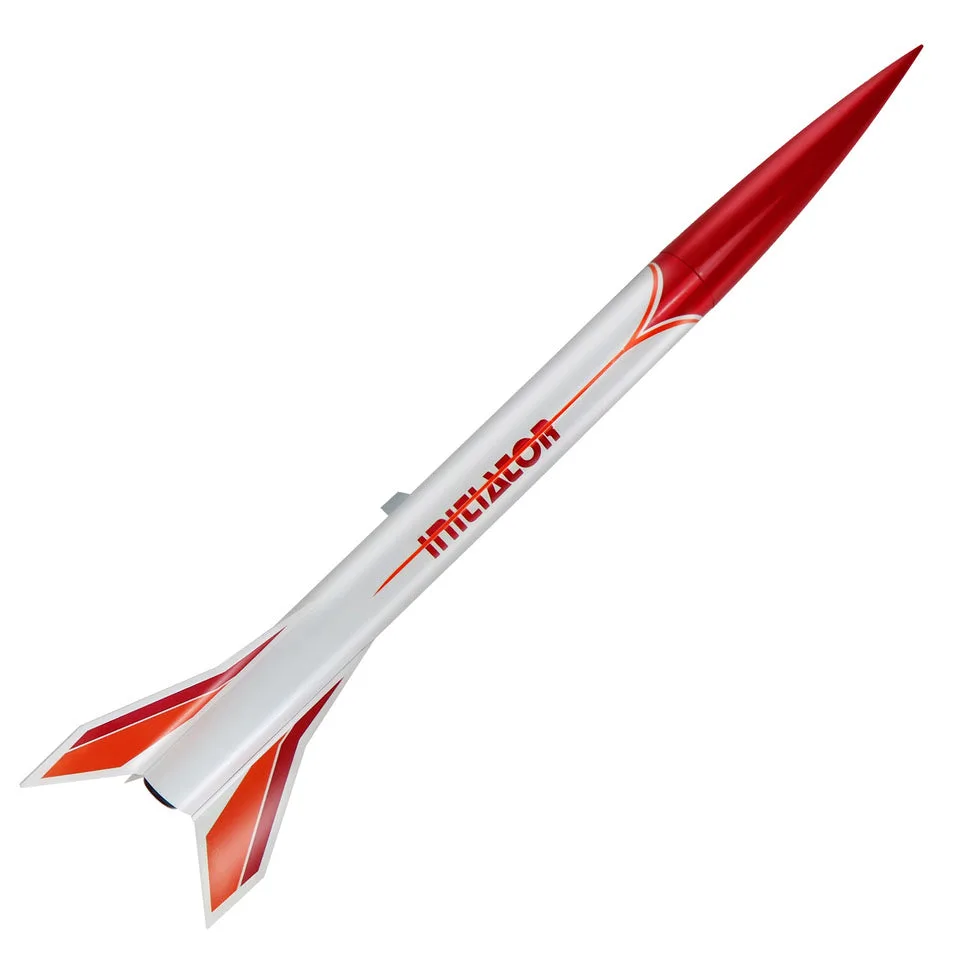
If the nozzle looks perfect but launches still disappoint, inspect the bottle threads, the launch pad seal, and the pump. A cracked bottle or a worn pad seal can mimic a nozzle problem. Also confirm you are using the correct water level and pressure for your bottle size. For larger rockets, the Enerjet by AeroTech Initiator uses composite motors, not water, so nozzle care does not apply.
Diagnosis: Water Rocket Not Launching or Flying Low
- Symptom: Rocket barely leaves the pad: The nozzle may be clogged with sand or mineral scale, restricting flow too much. Clean the nozzle thoroughly with warm water and a soft brush. If cleaning restores full thrust, you are done. If not, check for wear.
- Symptom: Water leaks from the nozzle before launch: A worn or misaligned O-ring, or a cracked nozzle body, prevents a proper seal. Inspect the O-ring and nozzle lip. Replace the O-ring if it is flattened; replace the nozzle if cracked. A new Q7321 nozzle and fresh O-ring usually solve persistent leaks.
- Symptom: Rocket veers off course or launches inconsistently: A deformed exit cone or deep scratches inside the nozzle can cause uneven thrust. Compare the nozzle to a new one. If the internal shape looks different, replace it. Replace the nozzle when internal damage is visible. Do not try to sand or reshape it.
- Symptom: Nozzle fits loosely on the bottle: The bottle threads may be worn, or the nozzle may be stretched from over-tightening. Try a different PET bottle first. If the nozzle still fits loosely, replace it. If a new nozzle fits snugly, the old one was stretched. If not, the bottle is the problem.
Product facts
- Quest Water Rocket Replacement Nozzle - Q7321: Quest Water Rocket Replacement Nozzle - Q7321 features a unique molded nozzle that restricts the exit flow of water and compressed air from the PET bottle, creating a longer and higher level of thrust, similar to a real liquid rocket engine. This restriction is what gives your rocket its performance. A worn or damaged nozzle loses that restriction, so replacing it is the fastest way to restore consistent launches.
- Enerjet by AeroTech Initiator™ Mid-Power Rocket Kit - 89011: Enerjet by AeroTech Initiator Mid-Power Rocket Kit is a 3-foot tall rocket that uses E, F, and G composite motors and features molded fins and a no-wadding ejection system. If you are moving up from water rockets to mid-power, this kit is a different category. It does not use a water nozzle, so the care steps in this article do not apply to it.