After a demanding workout, your horse's muscles are hot, inflamed, and in need of rapid cooling. For decades, the go-to methods were simple: hosing down with cold water, applying ice boots, or walking until the sweat dried. But modern equine therapy has introduced advanced cooling technologies like Quick Chill that promise faster and more consistent results. In this comparison, we'll break down how Quick Chill stacks up against traditional cooling methods, so you can make an informed choice for your horse's recovery.
Cooling isn't just about comfort—it's a critical part of injury prevention and performance. When muscles overheat, micro-damage can occur, leading to stiffness and increased recovery time. The right cooling method can reduce inflammation, minimize soreness, and help your horse bounce back quicker. But with so many options available, how do you know which one truly works? Let's dive into the science and practicalities of each approach.
Understanding Quick Chill Technology
Quick Chill is a modern cooling solution that uses advanced materials to draw heat away from the horse's body rapidly. Unlike traditional ice boots that rely on frozen gel packs, Quick Chill products often incorporate phase-change materials or evaporative cooling fabrics that maintain a consistent low temperature without the need for freezing. This means you can use them straight from the tack room, without the hassle of pre-freezing or the risk of ice burns.
The key advantage of Quick Chill is its ease of use. You simply wet the product, wring it out, and apply it to the horse's legs or back. The cooling effect starts immediately and can last for hours, making it ideal for competitions, clinics, or long trail rides. Additionally, because the temperature is regulated, it's safer for sensitive skin and can be left on longer than traditional ice packs.
- No freezing required – just add water
- Consistent cooling temperature without spikes
- Reusable and easy to clean
Traditional Cooling Methods: Hosing, Ice Boots, and More
Traditional cooling methods have been the backbone of equine recovery for generations. Hosing down with cold water is the most accessible and cost-effective method. It works by evaporative cooling and is excellent for reducing overall body temperature after intense exercise. However, it requires constant reapplication and can be messy, especially in cold weather.
Ice boots and ice packs are another staple. They provide targeted cold therapy to the lower legs, which is crucial for preventing conditions like tendonitis. The downside is that they need to be frozen in advance, and the intense cold can sometimes cause discomfort or even tissue damage if left on too long. Additionally, they don't cover larger muscle groups like the back or hindquarters effectively.
- Hosing is cheap but time-consuming
- Ice boots offer targeted relief but require prep time
- Walking to cool down is gentle but slow
Effectiveness Comparison: Speed, Coverage, and Safety
When it comes to speed, Quick Chill has a clear edge. Because it activates instantly and maintains a steady temperature, it starts cooling the moment it touches the skin. Traditional methods, especially ice boots, take time to lower the tissue temperature and can cause a shock reaction if applied too quickly. This makes Quick Chill particularly beneficial for immediate post-exercise application when muscles are hottest.
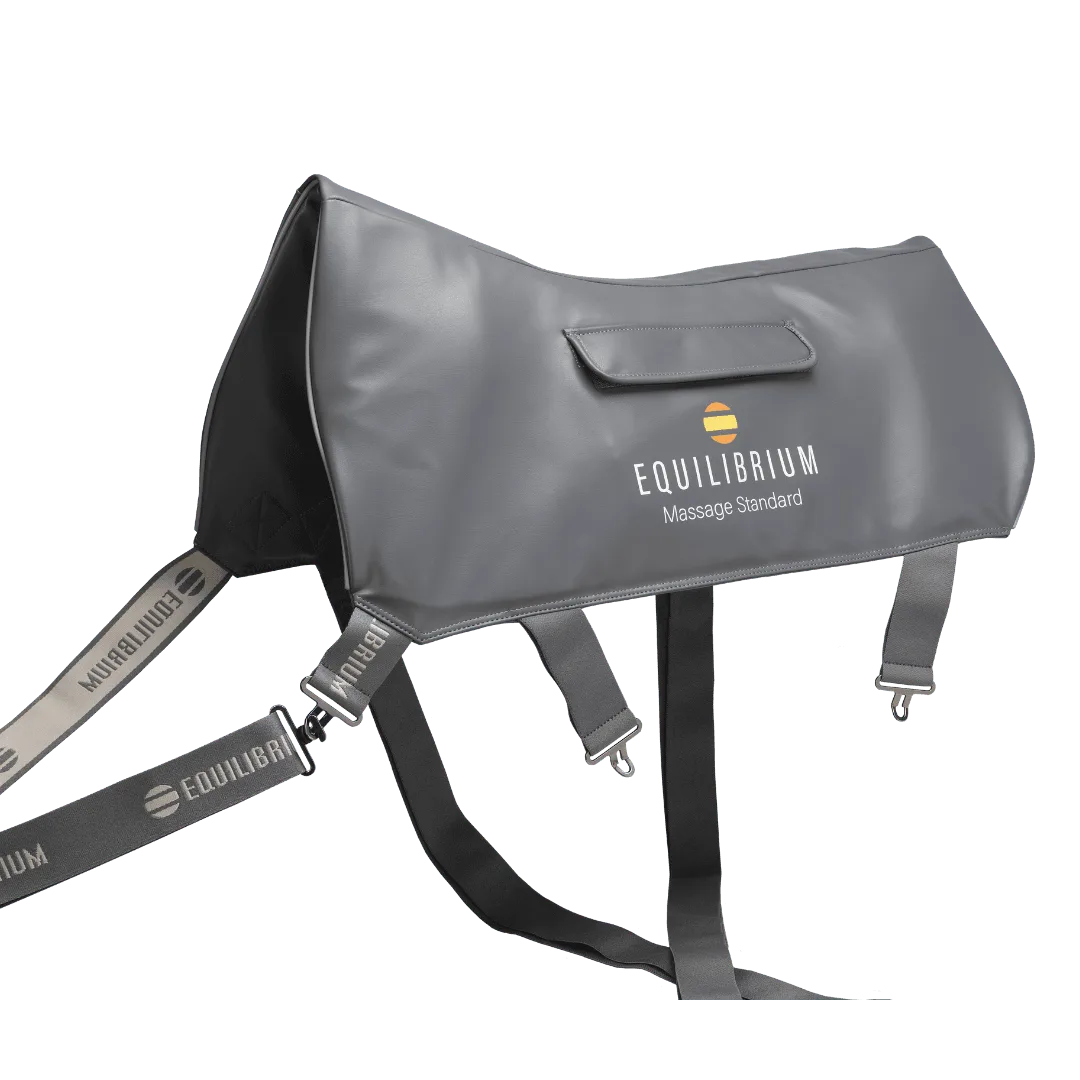
Coverage is another differentiator. Quick Chill products, such as cooling wraps and pads, are designed to contour to large muscle areas like the back, shoulders, and hindquarters. Traditional ice boots are limited to the lower legs, while hosing can cover the whole body but only temporarily. For comprehensive cooling, Quick Chill offers a more practical solution.
Safety-wise, Quick Chill is generally gentler on the skin. The regulated temperature reduces the risk of ice burns or frostbite, which can occur with prolonged exposure to frozen packs. Traditional methods require careful monitoring to avoid over-cooling. However, it's worth noting that some horses may prefer the intense cold of ice for specific injuries, so both have their place.
- Quick Chill cools faster and more evenly
- Traditional ice boots are better for localized tendon cooling
- Always monitor your horse for signs of discomfort
Practical Considerations: Cost, Maintenance, and Convenience
Cost is a significant factor for many horse owners. Traditional methods like hosing are nearly free, while ice boots can range from affordable to expensive depending on quality. Quick Chill products are generally a mid-range investment, but they offer long-term savings because they're reusable and don't require constant replacement of ice or gel packs.
Maintenance is straightforward for Quick Chill – most can be machine washed or simply rinsed and air-dried. Ice boots need to be cleaned and dried thoroughly to prevent mold. Hosing requires no equipment but does require access to water and a suitable drainage area. In terms of convenience, Quick Chill wins hands down, especially for travel or competition where freezer access may be limited.
Another practical point is the horse's acceptance. Some horses dislike the shock of cold water or ice, making the cooling process stressful. Quick Chill's gradual cooling is often better tolerated, reducing anxiety and making recovery a more positive experience.
- Quick Chill is travel-friendly – no freezer needed
- Ice boots may require a dedicated freezer space
- Hosing is weather-dependent and can chill the horse too much in winter
Real-World Application: When to Use Each Method
For everyday post-ride cooling, Quick Chill is an excellent all-rounder. It's perfect for cooling the back and hindquarters after a long hack or schooling session. For acute injuries or after intense jumping or racing, traditional ice boots remain the gold standard for targeting the lower legs and preventing tendon strain. Many professionals use a combination: ice boots on the legs and Quick Chill wraps on the body.
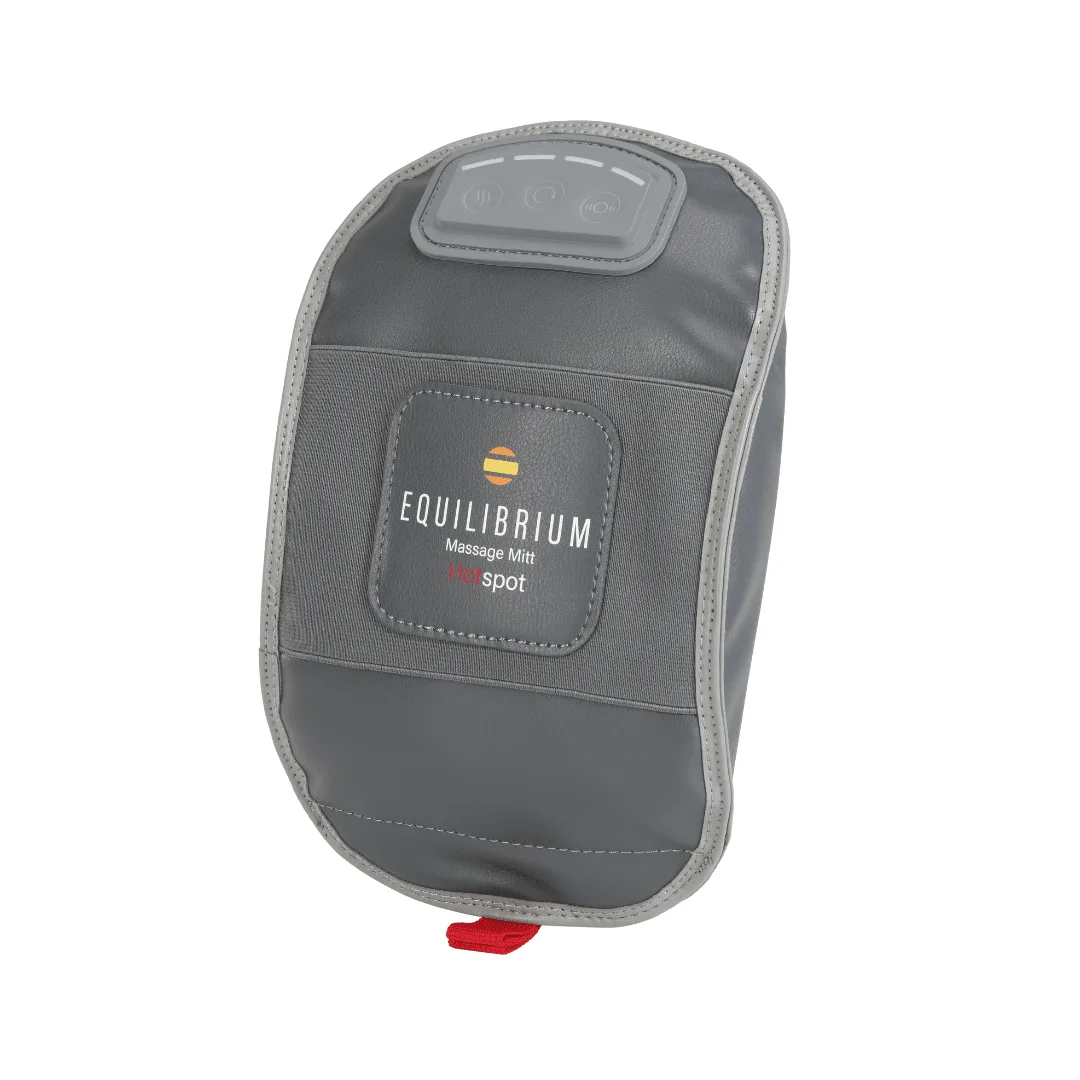
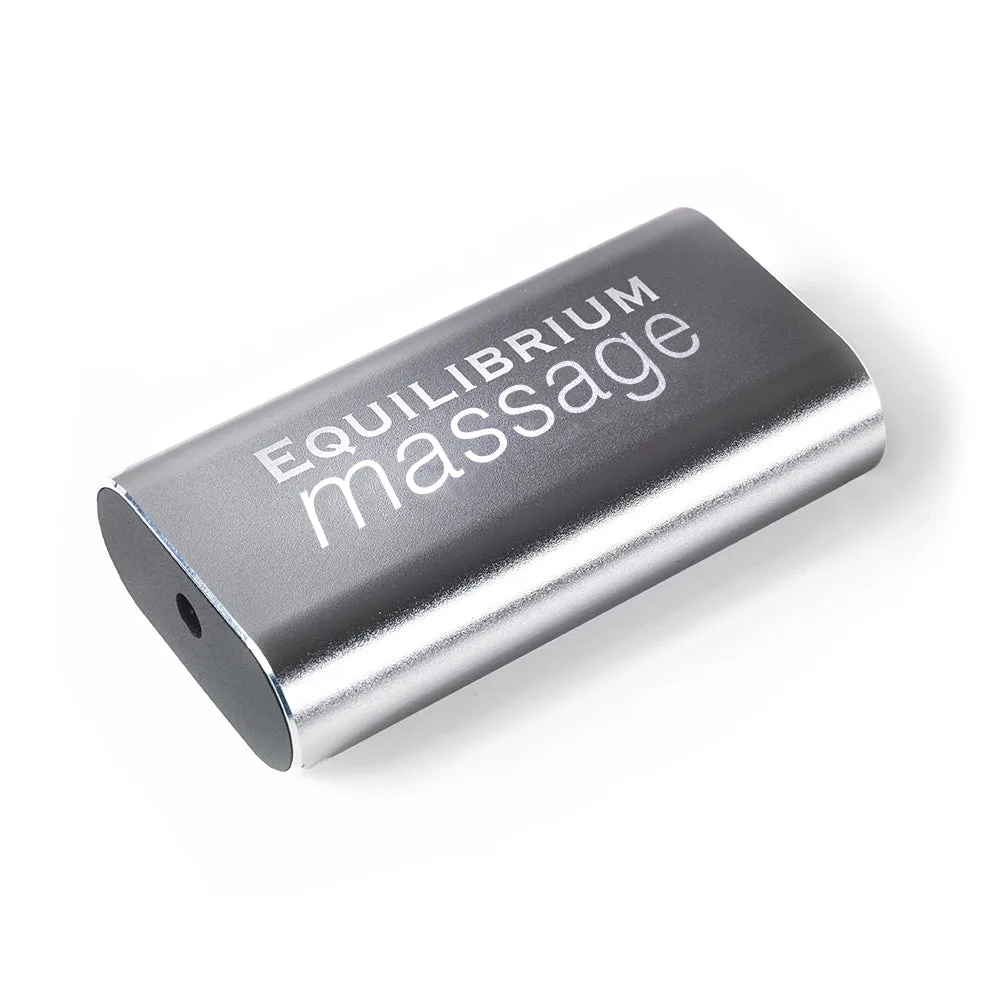
If you're considering adding Quick Chill to your routine, products like the Reconditioned Clearance https://equilibriumproductstzo.com/products/equilibrium-massage-pad-heatsense-d9af1182f0edd2d41e406398-555689Massage Pad Heatsense offer a versatile option that combines cooling with massage therapy. Alternatively, the Spare Magnets - 2 x Long can be used with magnetic therapy to enhance circulation during the cooling phase. These products can be integrated into a comprehensive recovery plan.
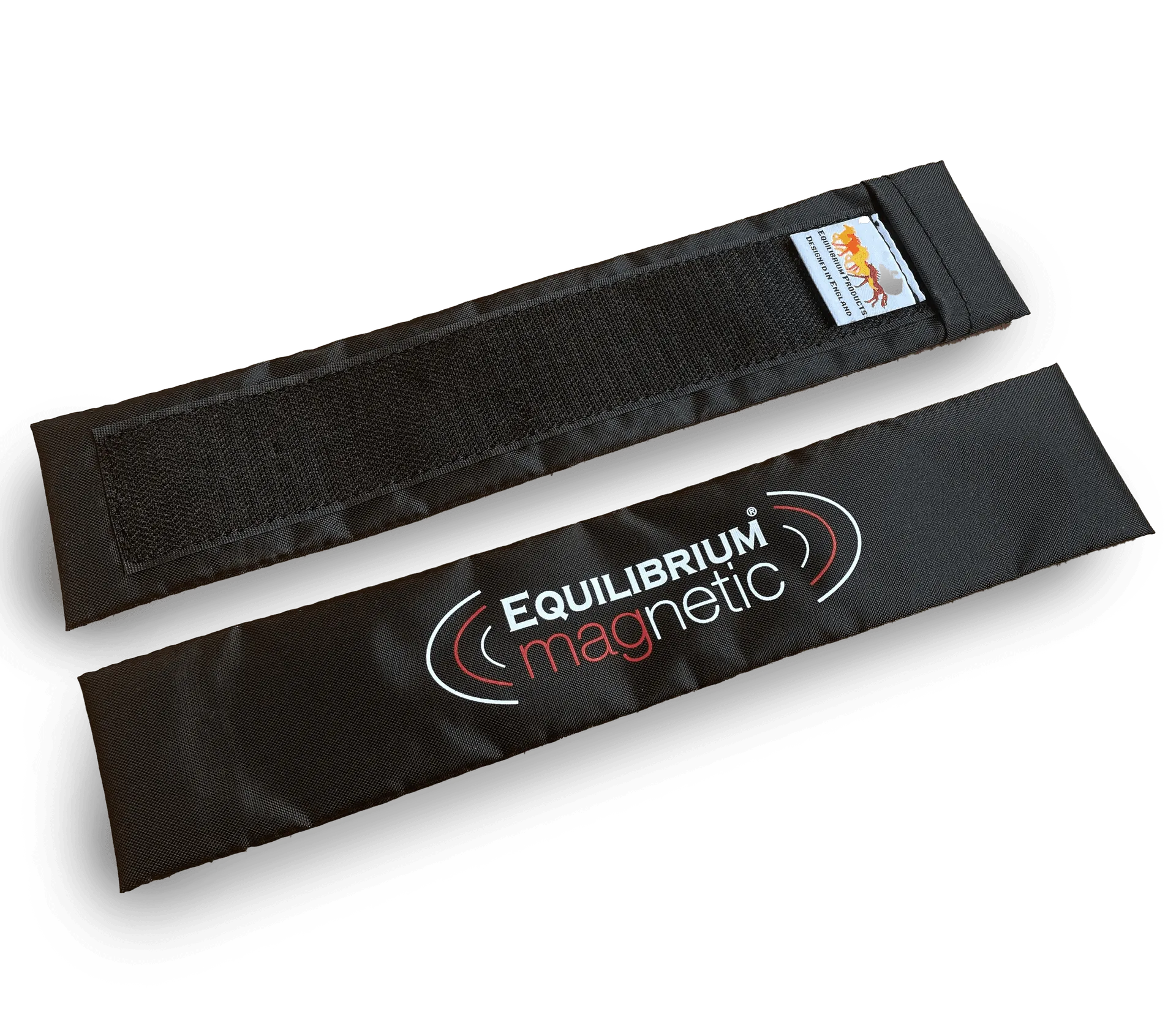
Spare Magnets - 2 x Long
For fly protection during warm-weather cooling, the Field Relief Midi Fly Mask With Ears and Field Relief Fly Rug are excellent additions to keep your horse comfortable while they cool down in the pasture.
- Use ice boots for legs, Quick Chill for body
- Incorporate massage pads for deeper recovery
- Combine with fly protection for summer cooling
In the debate of Quick Chill vs traditional cooling methods, there's no one-size-fits-all answer. Traditional methods like hosing and ice boots are proven, reliable, and cost-effective, but they come with limitations in convenience and coverage. Quick Chill offers modern, efficient cooling that's easier on both horse and handler. For the best results, consider a hybrid approach: use ice boots for targeted leg therapy and Quick Chill for overall body cooling. Explore our range of cooling and recovery products, including the Reconditioned Clearance Massage Pad Heatsense, to find the perfect solution for your horse's needs.