Quick Answer
A quilt certification course trains you to teach quilting, not to quilt better. You'll practice breaking techniques into teachable steps, managing a classroom, and giving feedback that helps students finish. It's worth it if you want to teach or lead workshops; it's optional if you only want to improve your own piecing.
What a certification course actually covers
Most programs blend three strands: technique demonstrations, teaching methods, and business basics. Technique sessions focus on how to show a skill so a beginner can copy it, not on adding new skills to your own repertoire. Teaching methods cover pacing, class setup, and how to rescue a student who is stuck without taking over their project. Business basics usually touch on pricing a workshop, communicating with shops, and what to bring to a trunk show.
Expect to be observed and critiqued. The feedback is about clarity and safety, not about whether your seams are perfect. If a program never puts you in front of other learners, it is probably a technique course with a certificate attached.
Who benefits most from certification
The strongest fit is a confident quilter who already enjoys explaining things and wants a structured reason to teach. Shop owners sometimes seek certification to standardize how their staff teach a house technique. Guild program chairs may look for certified teachers when booking workshop presenters. If none of those describe you, a project-based class will likely serve you better for less money.
How to judge a program before you enroll
Ask what the certificate actually entitles you to. Some programs are brand-specific: you learn to teach one company's patterns and rulers, and that is the credential. Others are general teaching certificates with no brand tie. Both can be legitimate, but they lead to different work.
Ask for the observation format. Live video, in-person weekends, and recorded submissions all produce different feedback quality. Then ask what happens after: alumni groups, refresher access, and whether you can use the program's name in your own marketing. If the answers are vague, treat that as a signal.
What certification does not do
It does not make you a master quilter, and it rarely replaces a portfolio. Venues book teachers based on samples, references, and how well a workshop description matches their members' interests. Certification can open a door, but your quilts and your teaching demo keep it open.
It also does not cover every specialty. Longarm quilting, appliqué, and ruler work often have their own tracks or separate endorsements. Check whether the program you are considering matches the technique you actually want to teach.
Quilt Certification FAQ
Do I need certification to teach quilting?
No. Many shops and guilds book teachers based on samples, references, and a clear class description. Certification is a structured way to build those skills, not a legal requirement. Check what your target venues actually ask for before paying for a program.
Is a quilting certification worth it?
It is worth it if you plan to teach regularly and want feedback on your instruction. It is hard to justify if your goal is personal skill growth, because technique classes cost less and focus on your own sewing. Decide whether you are buying teaching skill or quilting skill.
Are online quilting classes certification the same as in-person programs?
Not always. Online programs can be just as rigorous if they include live observation and critique. The difference is usually in the feedback loop, so ask how your teaching will be watched and evaluated. Ask for the observation format in writing before enrolling.
What does quilt certification cover that a regular class does not?
Regular classes teach a project. Certification programs teach you to teach that project: how to sequence steps, correct common mistakes, and manage a room of mixed abilities. Look for a syllabus that includes teaching methods, not just techniques.
Can I teach a specific brand's patterns after certification?
Only if the program is tied to that brand and grants that permission. General teaching certificates do not give you rights to another company's patterns or trademarks. Confirm usage rights in writing before you advertise a class.
How long does a quilt certification course take?
Timelines vary widely by program, from a single intensive weekend to a multi-month schedule. The length usually reflects how much supervised teaching practice is included. Compare hours of observed teaching, not just total weeks.
What should I bring to a certification program?
Expect to supply your own sewing machine, basic tools, and sample quilts. Some programs require specific rulers or patterns, so read the supply list before you buy anything new. Wait for the supply list rather than pre-buying tools.
Patterns That Work Well for Teaching Samples
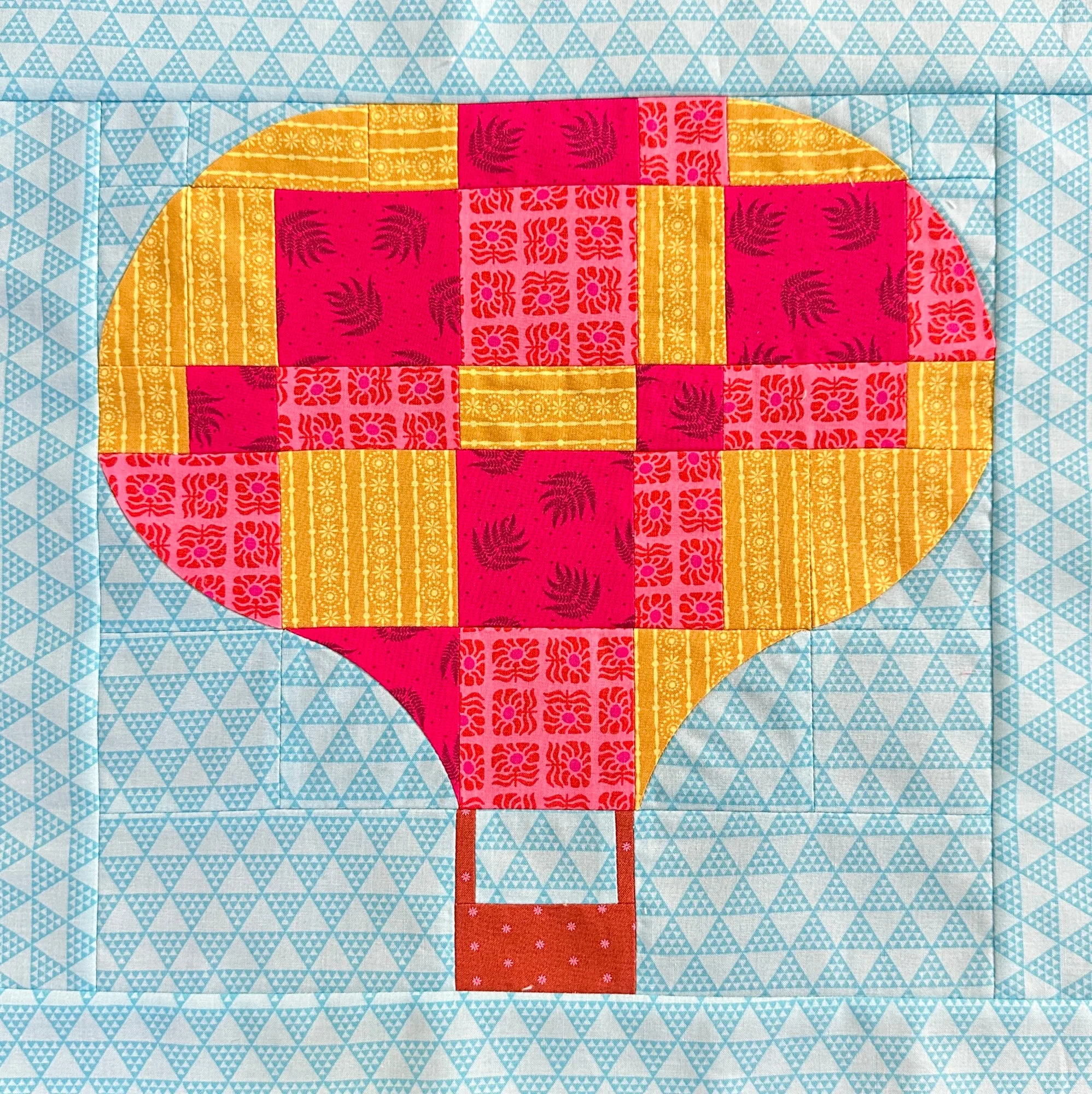
- Up and Away - Quilt Circle BOTM May 2026: Up and Away - Quilt Circle BOTM May 2026 is part of a twelve-block Block of the Month program where each block is inspired by a different month of the calendar year. A monthly block format gives you twelve ready-made teaching demos across a year, which is useful when you need to show range in a certification portfolio.
Quilt Circle
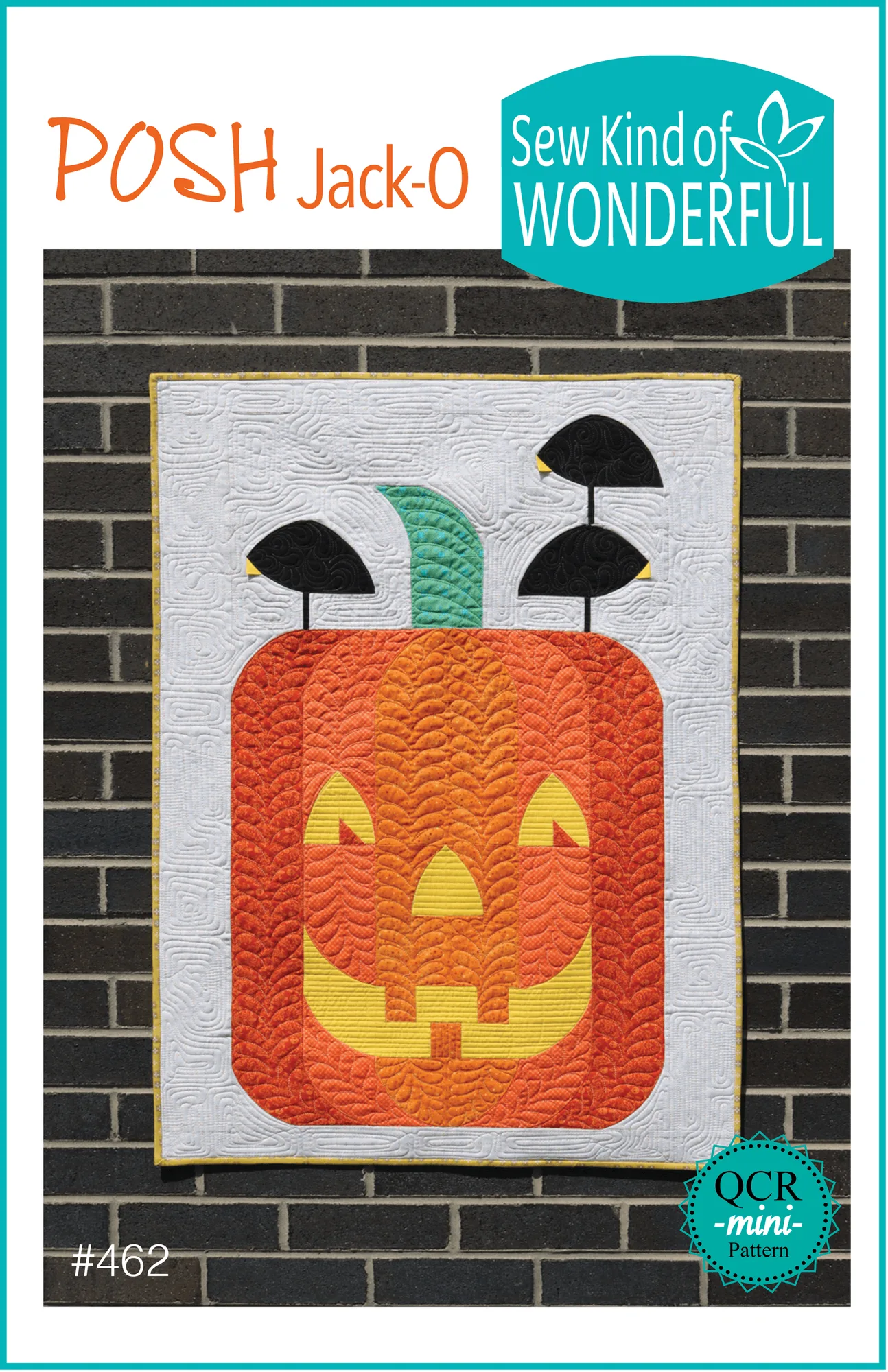
- Posh Jack-O (Paper): Posh Jack-O (Paper) finishes at 28" x 38" and uses fat quarters for the pumpkin, eyes, nose, mouth, crows, and stem, plus background, backing, and binding yardage. A small seasonal wall hanging is a low-risk first teaching project: it uses fat-quarter cuts, finishes quickly, and gives students a visible result in one session.