Quick Answer
A quilt kit usually saves money when it bundles a full collection at a set price, because you skip the cost of buying each print separately and avoid leftover yardage. Buying fabric on its own wins when you already own background, backing, or binding fabric, or when you want to swap prints. Compare the kit price against the sum of its parts, then factor in what you already have.
Quilt kits look convenient, but the price tag only makes sense once you compare it to buying the same fabric by the half yard. The real question is whether the kit's bundled prints replace fabric you would have bought anyway, or whether you are paying for pieces you already own.
This comparison uses real half-yard pricing from the shop to show where kits save money, where they quietly cost more, and how to run the math before you click buy.
What a Quilt Kit Actually Bundles
A quilt kit typically includes the pattern plus enough fabric for the top, sometimes binding and backing too. That bundling is the whole value proposition: one price, one shipment, no guesswork about how many half yards to order. The catch is that you rarely get to choose which prints are inside, and you pay for the full bundle even if you only need part of it.
Buying fabric separately flips that control. You pick each print, decide the cut size, and skip anything you already have. The trade-off is time and shipping: more decisions, more chances to misjudge yardage, and often more orders. Neither route is automatically cheaper; the winner depends on what is already in your stash.
- Count the fabric pieces in the kit before comparing prices; a kit with backing included is not the same deal as a top-only kit.
Quilt Kit Cost Comparison: Run the Numbers
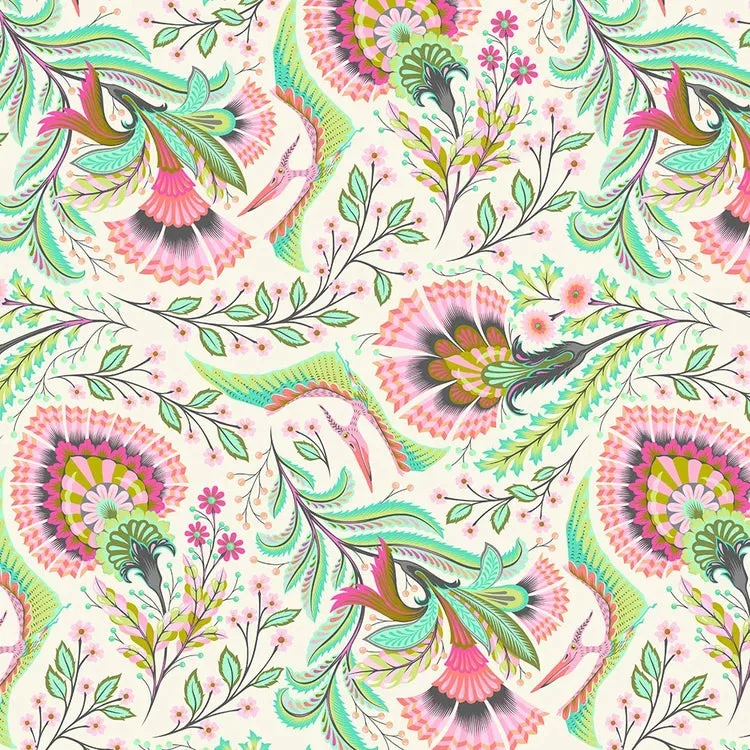
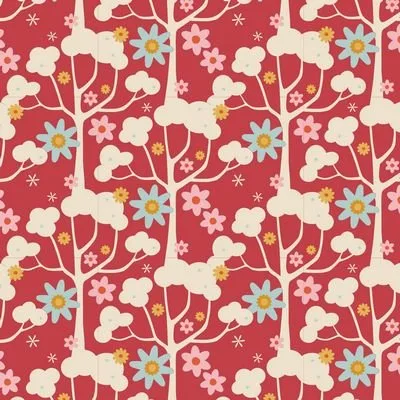
Start by adding up the half-yard price of every print in the kit. At Colibrisewing, a half yard of Tilda Jubilee – Wildgarden Red 1/2 Yard is listed at USD 3.74, while Tula Pink Neon True Colors Pom Pom - Lunar 1/2 yd is USD 3.24. Those small differences add up fast across a ten-print quilt, so the kit price only wins if it undercuts that total.
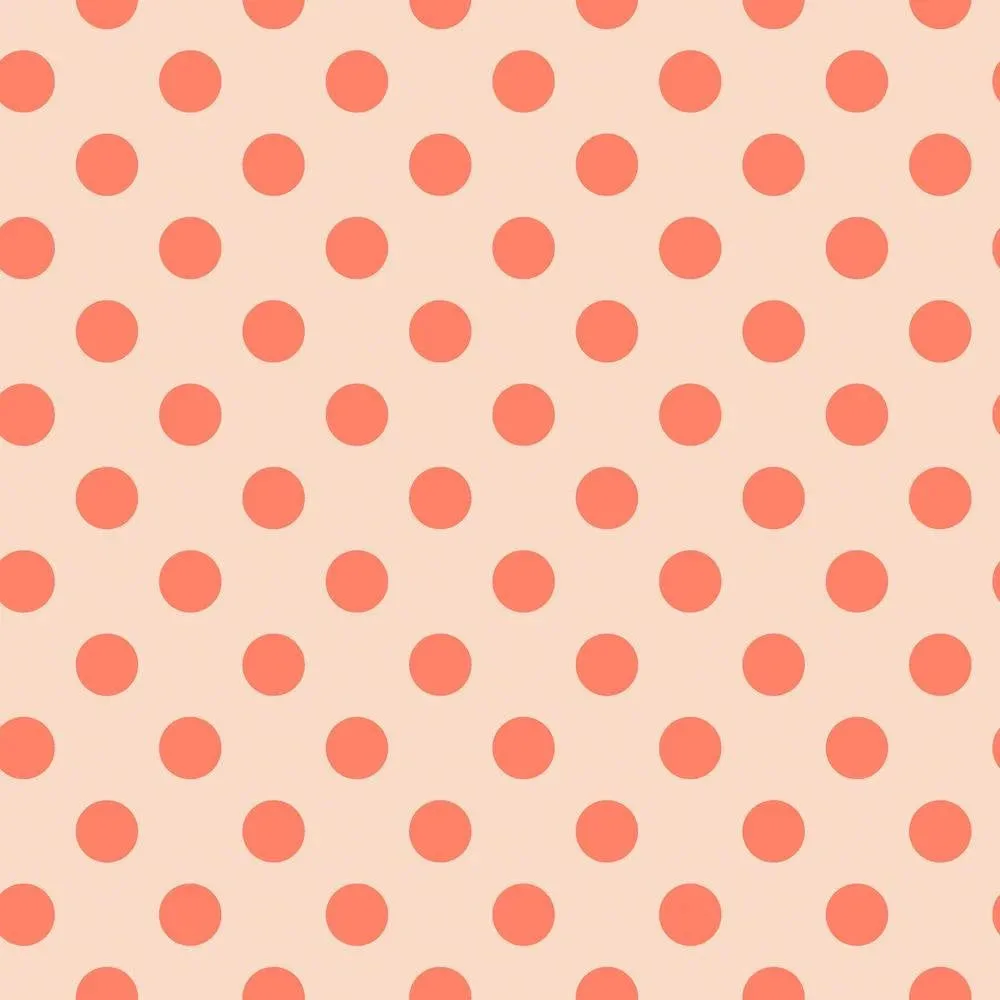
Tula Pink Neon True Colors Pom Pom - Lunar 1/2 yd
Then subtract fabric you already own. If you have a neutral background and binding at home, a kit that includes them is partly redundant. The same math applies to backing: if the kit does not include it, add that cost to both sides before you declare a winner.
- Write the kit price at the top of a page, then list each included fabric at its half-yard price and total it.
Where Kits Save Money and Where They Do Not
Kits save the most when the design uses many different prints in small amounts. Buying a half yard of six or eight prints separately can cost more than a kit that was priced as a bundle, and you avoid paying for extra yardage you will never use. Kits also protect you from color mistakes, because the designer already balanced the palette.
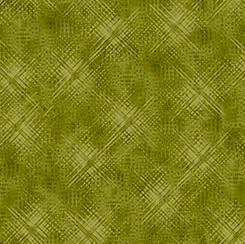
Kits cost more when the design relies on a few fabrics you can buy in larger cuts. A two-color quilt made from Vertex – Olive (29513-GA) 1/2 Yard at USD 3.00 per half yard, for example, is often cheaper to assemble yourself, especially if you buy a full yard instead of multiple half yards. The more your quilt repeats a single fabric, the less a kit helps.
- If more than half the quilt top is one fabric, price that fabric by the yard before buying a kit.
Fabric Choice, Waste, and Leftovers
Buying fabric separately almost always leaves leftovers. That is not automatically waste; scraps feed future projects, but they tie up money now. Kits cut down on leftovers by pre-measuring, which is a real advantage if you dislike storing partial half yards. If you enjoy scrap quilts, leftovers are a feature, not a flaw.
Kits also limit substitution. If a print in the bundle is not your style, you cannot swap it without buying a replacement, which adds cost the kit price did not show. Buying fabric separately lets you choose exactly the prints you want, including bold options like Tula Pink ROAR! Wing It - Blush 1/2 yd, without paying for anything you will not use.
- Estimate leftover yardage from a kit as roughly 10 to 20 percent of the top fabric, depending on the pattern.
Trade-Offs at a Glance
- Convenience vs. control: Kits remove the guesswork of choosing and measuring fabric; buying separately gives you final say over every print. Choose a kit if decision fatigue costs you more than the price difference.
- Bundled price vs. per-cut price: A kit is only a deal if its total is lower than the half-yard prices of the fabrics inside, minus what you already own. Add up the half-yard prices before you assume the kit is cheaper.
- Less waste vs. leftover stash: Kits pre-measure fabric and reduce leftovers; buying separately often leaves usable scraps you paid for now. If you never use scraps, a kit's tighter cuts may be worth a small premium.
Fabric Pricing Facts That Affect the Decision
- Tilda Jubilee – Wildgarden Red 1/2 Yard: Listed at USD 3.74 per half yard, 100% quilting-weight cotton, 44/45 inches wide. At this price, a kit that includes several Tilda prints needs to beat the sum of those half yards to be worth it.
- Tula Pink Neon True Colors Pom Pom - Lunar 1/2 yd: Listed at USD 3.24 per half yard, 100% quilting-weight cotton, 44/45 inches wide. Lower per-half-yard pricing means buying separately can stay competitive even across several prints.
- Vertex – Olive (29513-GA) 1/2 Yard: Listed at USD 3.00 per half yard, a weave blender in olive, 100% cotton. For quilts that repeat one blender fabric, buying it by the yard separately is often cheaper than a kit.
- Tula Pink ROAR! Wing It - Blush 1/2 yd: Listed at USD 3.74 per half yard, a dinosaur-inspired print in the Blush colorway, 44/45 inches wide. If this print is the reason you want the quilt, buying it directly avoids paying for kit fabrics you may not love.
Which Route Fits Your Quilt?
A quilt kit is best for
- Quilters who want a coordinated palette without picking every print
- Patterns that use many prints in small amounts
- Shoppers who dislike storing leftover half yards
Buying fabric separately is better for
- Quilters who already own background, binding, or backing fabric
- Two-color or blender-heavy quilts that repeat one fabric
- Anyone who wants to swap prints or adjust the palette
Neither option wins every time. Price the kit against the half yards it contains, subtract what is already in your stash, and let the total decide. If the kit still comes out ahead and you like every print inside, buy it; if not, build the quilt fabric by fabric.