Quick answer
Store paper quilt patterns flat in a cool, dry place, away from direct sunlight and damp basements. Use an acid-free sleeve or a rigid folder for each pattern, and keep pieces together with the original envelope. This prevents curling, fading, and musty odors so the pattern stays readable for years.
Why paper patterns curl, fade, or smell musty
Paper reacts to its environment. Humidity makes fibers swell and then contract unevenly as they dry, which curls the sheet. Sunlight breaks down lignin in paper, yellowing it and fading printed lines. Damp basements and attics add mold spores that cause musty odors and weak spots. Even a hot car or a garage shelf can warp a pattern within a season.
Paper pattern storage ideas that actually work
The best storage method depends on how often you use the pattern. For patterns you sew regularly, a three-ring binder with acid-free page protectors keeps them flat and visible. For long-term storage, place each pattern in an acid-free envelope or sleeve, then stand it vertically in a sturdy box. Avoid folding the pattern along its printed lines; if a pattern arrives folded, lay it flat under a heavy book for a few days before storing. Label the outside with the pattern name and size so you do not have to open every sleeve to find one.
How to organize quilt patterns so you can find them
Group patterns by project type or size, not by when you bought them. For example, keep all lap-size patterns together and all baby quilt patterns together. If you store patterns in a filing cabinet, use hanging folders with tabs that name the pattern and its finished size. Digital patterns can be printed and stored the same way; keep the original file backed up separately. A simple index card or spreadsheet listing pattern name, location, and required rulers saves time when you are ready to sew.
Diagnose your pattern storage problem
- Pattern is curled or wavy: Likely cause: moisture or being stored rolled too tightly. Corrective action: lay the pattern flat between two clean boards under a heavy book for several days. Then store it flat in an acid-free sleeve. If the curl does not relax after a week, the paper fibers may be permanently distorted; consider printing a fresh copy or buying a new pattern.
- Pattern smells musty or shows dark spots: Likely cause: damp storage. Corrective action: isolate the pattern, air it in a dry room away from sun, and wipe the storage area with a mild vinegar solution. Replace any cardboard or paper that shows mold. If the musty smell remains after airing, the pattern may not be safe to use with fabric; replace it.
- Pattern is torn or missing pieces: Likely cause: repeated handling without protection. Corrective action: place remaining pieces in an acid-free sleeve and store flat. For missing pieces, check if the pattern includes a full-size template you can trace, or contact the designer for a replacement. If critical pieces are missing and no replacement is available, choose a different pattern rather than guessing at dimensions.
Patterns built to survive storage
- Country Revival (Paper): Country Revival (Paper) is a paper pattern that includes instructions for a 44" x 44" quilt using fat quarters, background, setting, backing, and binding fabrics, plus a Quick Curve Ruler video tutorial. Because the pattern is paper, it benefits from flat, dry storage. The included fabric requirements and video link mean you can store the pattern without needing to keep separate notes.
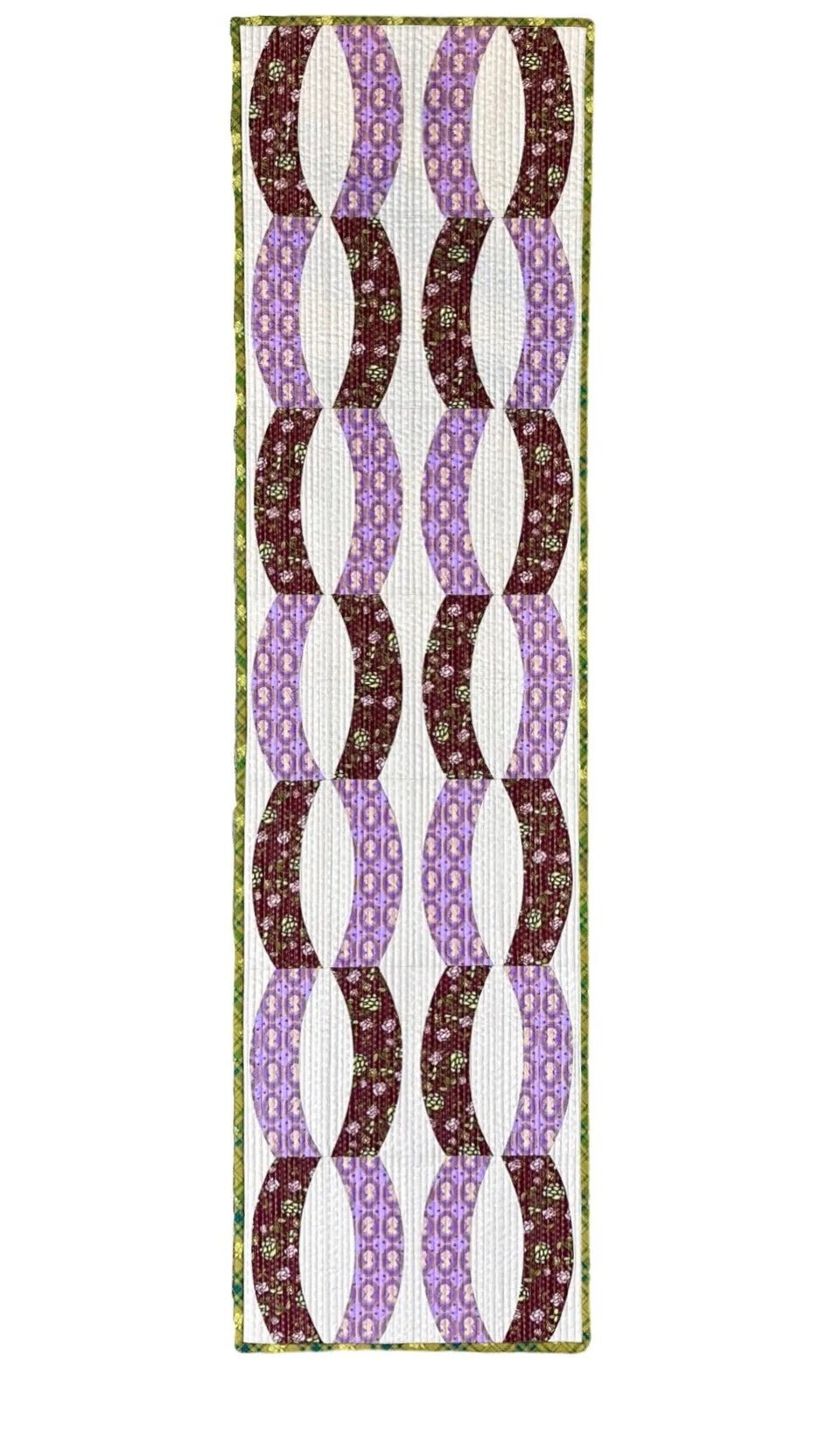
Quick Curve Ruler video tutorial
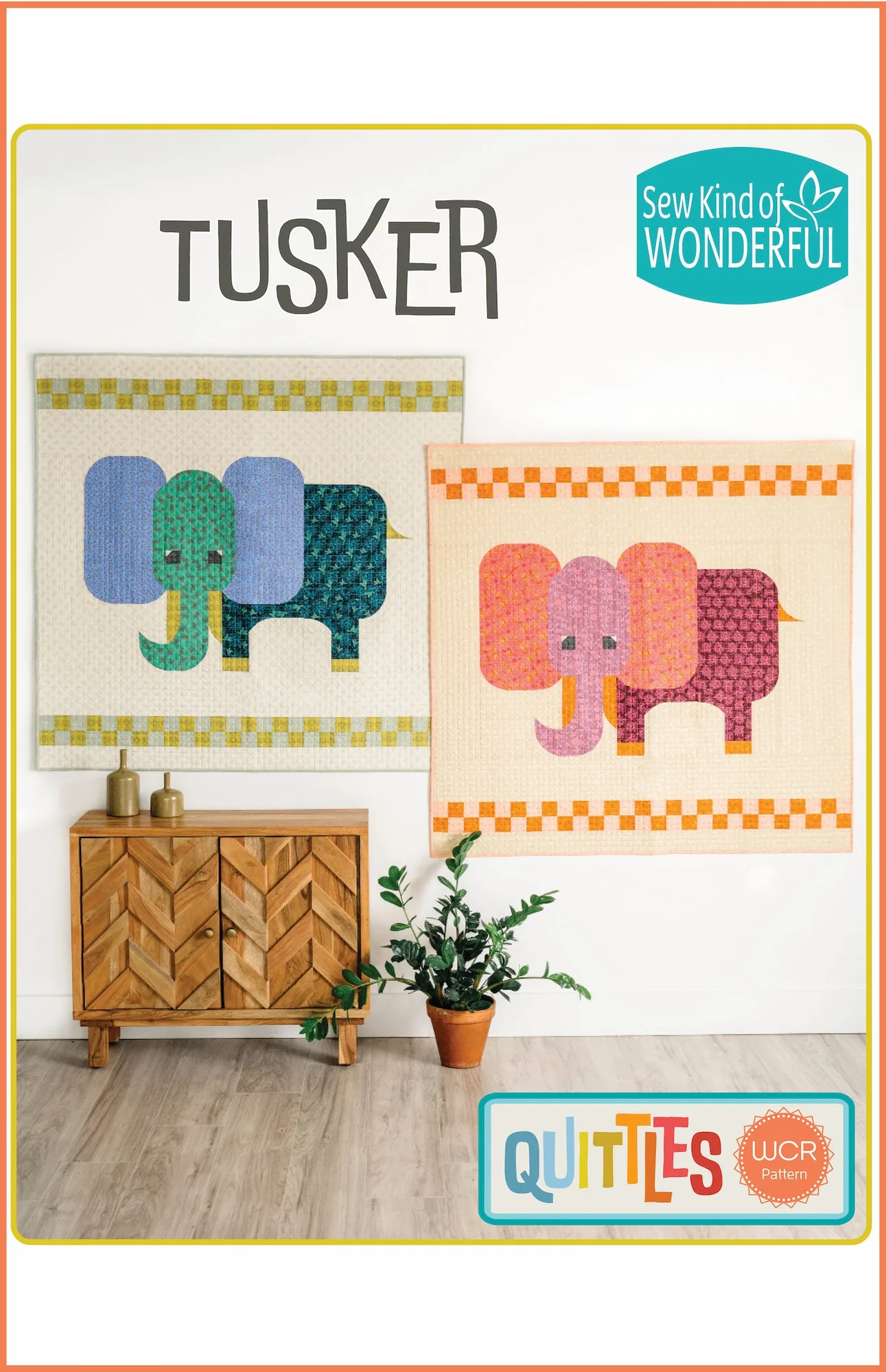
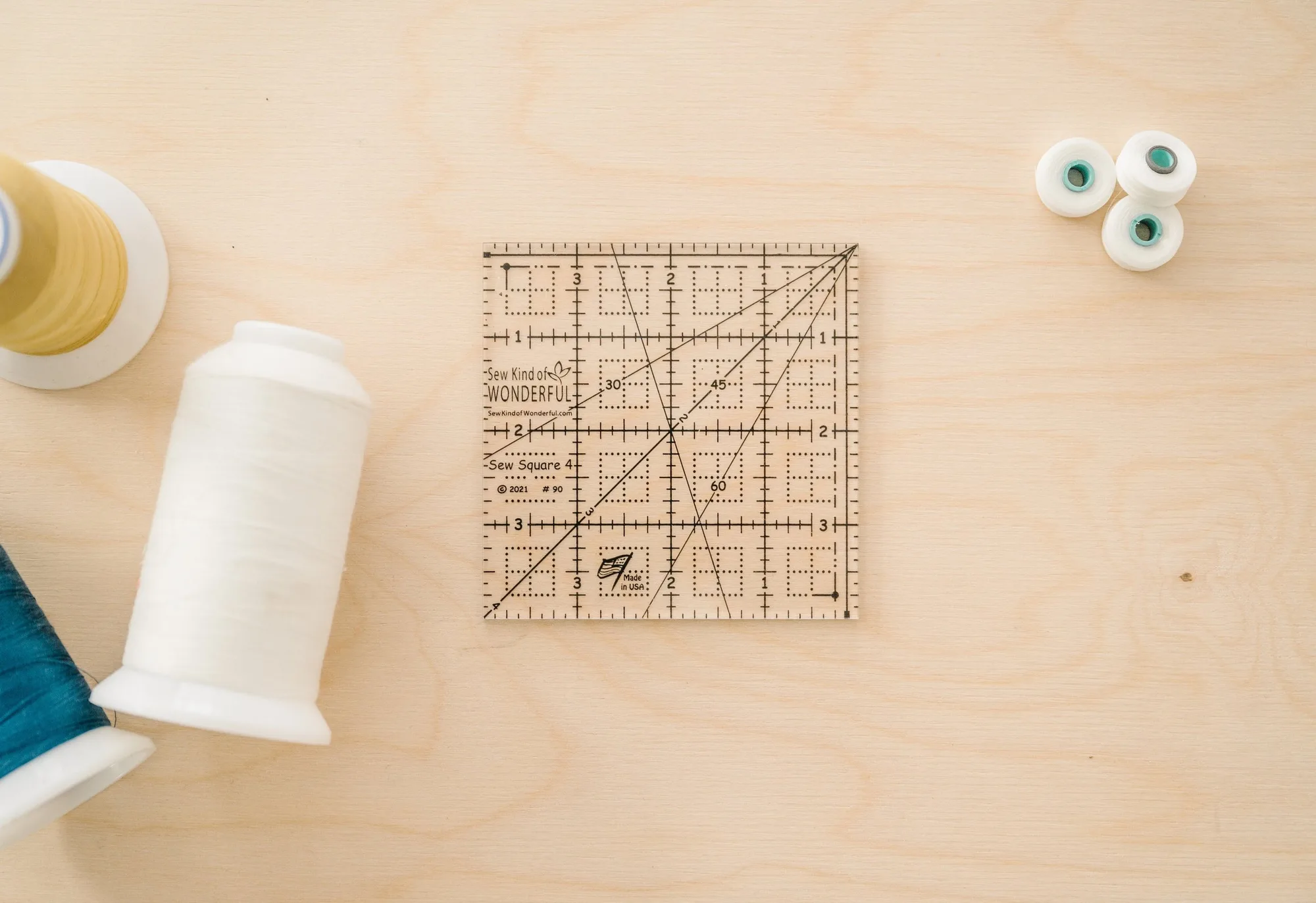
- Quittles - Tusker: Quittles - Tusker is a paper pattern for a 54" x 54" lap quilt that uses the Wonder Curve Ruler and Sew Square 4, with easy curved piecing and no pinning. Its lap-size format and specific ruler requirements make it a good candidate for a labeled sleeve so you can quickly find both the pattern and the right ruler.