Quick Answer
To match fabric collections to quilt patterns, start by identifying the pattern's scale and style, then choose a fabric collection that offers a range of contrasts and a cohesive color story. For most patterns, a mix of large-scale, medium-scale, and small-scale prints ensures visual interest without overwhelming the design.
Choosing the right fabric collection for a quilt pattern can be daunting. With so many options, it's easy to feel overwhelmed. But the secret to a beautiful quilt is not just picking pretty fabrics—it's about matching the fabric scale, color, and style to the pattern's structure and intended use.
Whether you're working with a panel, a fat quarter bundle, or a mix of precuts, understanding how fabric collections interact with quilt patterns will save you time and fabric. In this guide, we'll share practical decision rules to help you confidently pair fabrics with patterns, ensuring your next project is a success.
Consider the Pattern's Scale and Complexity
Before you choose fabric, study the quilt pattern. Does it feature large blocks or small pieces? Is it a medallion style with a central focus, or a repeating block pattern? Large-scale prints can get lost in small pieces, while small-scale prints may look too busy in large open areas.
For patterns with large pieces, like a simple tote bag or a quilt with big blocks, you can safely use larger prints. For intricate patterns with many small pieces, opt for smaller-scale prints or solids to let the piecing shine.
- Match print scale to piece size: large pieces can handle large prints, small pieces need smaller prints.
- Consider the visual weight: bold prints can overwhelm delicate patterns.
Use the Color Story to Create Cohesion
Fabric collections are designed to work together, but not every collection suits every pattern. Look at the pattern's suggested colors or the mood you want to create. A collection with a range of values—light, medium, and dark—will add depth and contrast to your quilt.
For a calm, monochromatic look, choose a collection with similar hues. For a more dynamic quilt, pick a collection with complementary colors. Always check the pattern's line art to see where dark and light fabrics will go; you want enough contrast to make the design readable.
- Use a fabric collection with a clear range of light, medium, and dark values.
- Test contrast by taking a black-and-white photo of your fabric choices.
Think About the Quilt's Purpose
Is the quilt for a baby, a holiday gift, or a wall hanging? The purpose can guide your fabric selection. For a child's quilt, you might choose whimsical prints with bright colors. For a holiday wall hanging, seasonal fabrics with traditional motifs work well.
Also consider the recipient's taste. A modern quilt might call for geometric prints, while a traditional quilt might benefit from florals or reproduction fabrics. The pattern's style—modern, traditional, or art—should align with the fabric's aesthetic.
- Match fabric style to the quilt's use and recipient.
- Consider the quilt's longevity: will the fabric style still appeal in years to come?
Decision Rules for Matching Fabric to Pattern
- Rule 1: Assess the Pattern's Piece Size: Look at the smallest pieces in the pattern. If they are under 2 inches, choose fabrics with small-scale prints or solids to avoid visual muddiness. Check the pattern's finished block size to guide print scale.
- Rule 2: Evaluate the Fabric Collection's Value Range: Ensure the collection has light, medium, and dark fabrics. If not, add a solid or a tone-on-tone to create contrast. Contrast is key for pattern definition.
- Rule 3: Match Fabric Style to Pattern Mood: If the pattern is modern, use geometric or abstract prints. For traditional patterns, opt for florals or reproduction fabrics. The fabric should enhance the pattern's intended look.
- Rule 4: Consider the Quilt's End Use: For baby quilts, choose washable, soft fabrics with playful prints. For wall hangings, you can use more delicate or seasonal fabrics. Function influences fabric choice.
Product Facts to Consider
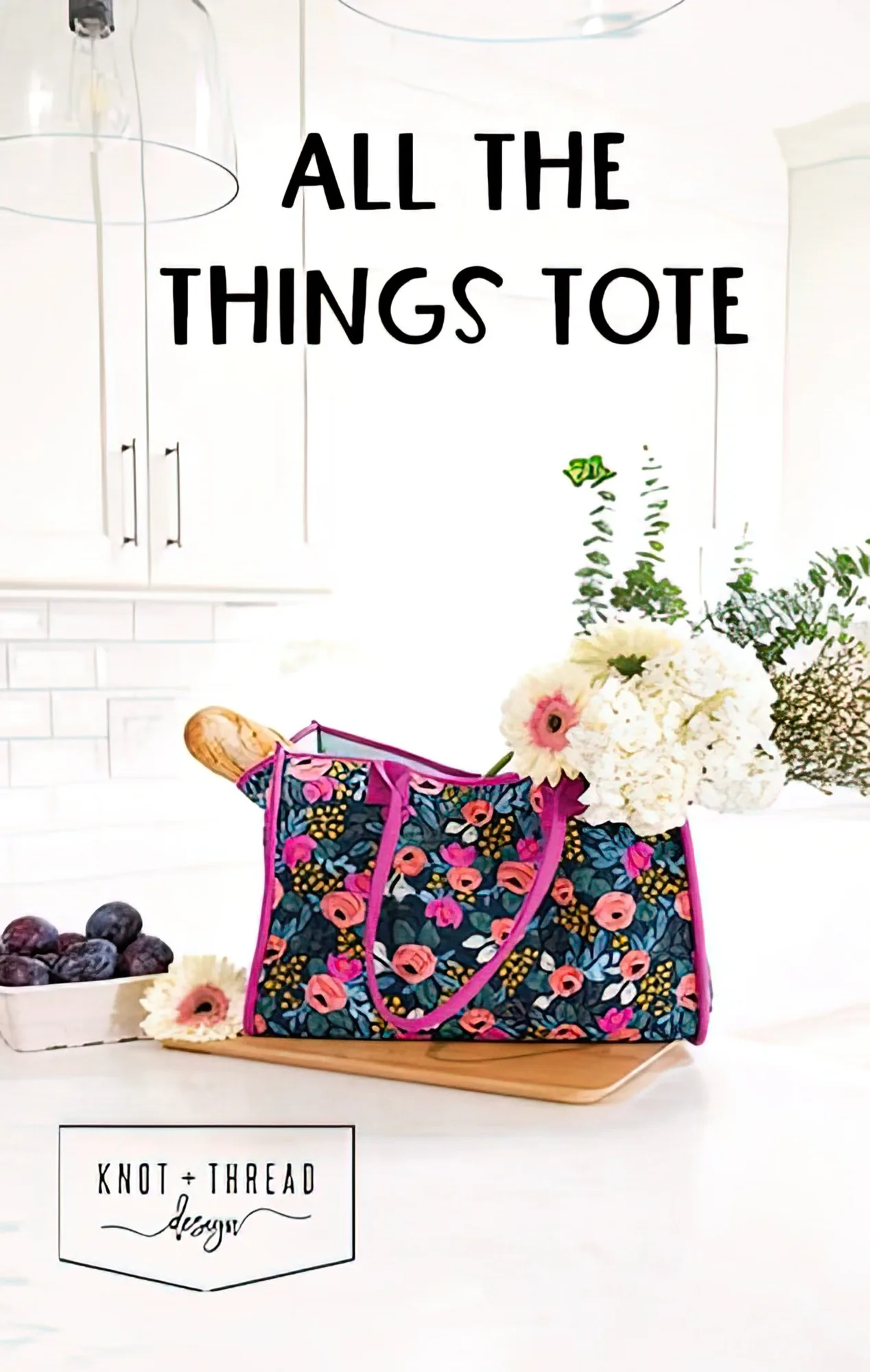
- All The Things Tote Pattern by Knot and Thread Designs: Features a large opening with two end panel pockets. Use decorative webbing or make your own handles with your favorite fabric. Pattern includes three sizes. Small 11" H x 14" W x 8" D Medium 11" H x 16" W x 8" D Large 11" H x 18" W x 8" D. This tote pattern is great for using larger-scale prints or a mix of fabrics because the large panels allow the design to show. You can also use a fabric collection to create a coordinated look.
- Autumn Blaze Pattern by Patti's Patchwork: Frame a panel or large scenic print using one of 3 different options. All options take advantage of a full-width ombre fabric for borders/inserts, and Option #3 is sized for Quilts of Valor. Size: Option #1: 38”x 531⁄2” Option #2: 49” x 61” Option #3: 56” x 731⁄2” Skill level: Confident beginner (option #1)/ Intermediate (option #2 & 3). When working with a panel, choose a fabric collection that complements the panel's colors and scale. The ombre fabric suggested in the pattern adds a gradient effect that can tie the whole quilt together.
Who Should Use These Rules?
Best for
- Quilters who are starting to choose fabrics for a specific pattern and want a systematic approach.
- Those working with fabric collections and needing to ensure a cohesive look.
Not for
- Experienced quilters who prefer intuitive fabric selection without rules.
- Projects where fabric is already chosen and the pattern must adapt to it.
Matching fabric collections to quilt patterns doesn't have to be guesswork. By considering the pattern's scale, the fabric's value range, and the quilt's purpose, you can make confident choices that result in a beautiful, cohesive quilt. Remember, the goal is to enhance the pattern, not overpower it. Happy quilting!