Quick answer
Choose quilting cotton for pieced quilts, structured garments, and projects that need a lightweight, shape-holding fabric. Choose canvas for bags, upholstery, window coverings, and apparel that needs medium-weight structure. If you are unsure, start with quilting cotton for piecing and canvas for anything that must stand up on its own.
Quilting cotton and canvas are both cotton, but they behave differently on the cutting table and in the finished project. The choice comes down to weight, structure, and how much drape or rigidity you need. This comparison uses real fabric facts to show where each one shines.
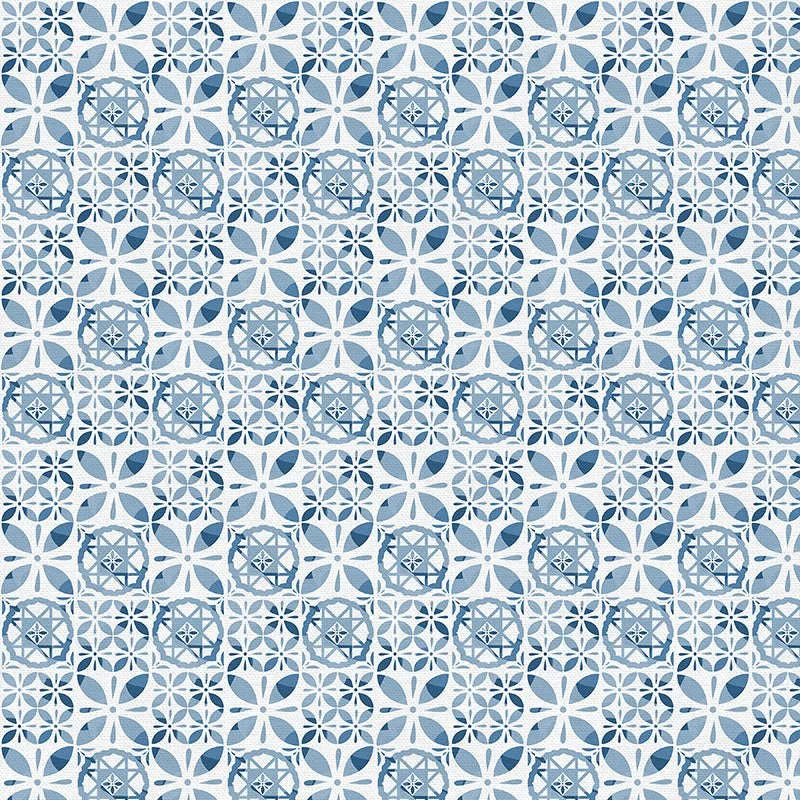
You will see how a lightweight quilting cotton like Tiles from Italian Citrus by Paintbrush Studio Fabric compares with a medium-weight organic canvas like Line Up Black Organic Canvas from Line Up by Paintbrush Studio Fabric, and which projects suit each.
Line Up Black Organic Canvas from Line Up by Paintbrush Studio Fabric
What the weight numbers actually mean
Fabric weight is usually given in ounces per square yard or grams per square meter. Quilting cotton is typically lightweight; for example, Tiles from Italian Citrus by Paintbrush Studio Fabric is 143 GSM, a quilting cotton that holds its shape after washing. Canvas is medium-weight; Line Up Black Organic Canvas from Line Up by Paintbrush Studio Fabric is described as a medium-weight canvas that is versatile and lightweight enough for apparel and accessories but structured enough for home decor.
That difference matters because weight affects drape, bulk, and how the fabric supports a project. A 143 GSM cotton drapes softly and presses flat, which is ideal for piecing. A medium-weight canvas has more body, so it resists collapsing in a tote bag or cushion cover.
- If a pattern specifies a weight range, stay within it; substituting a much heavier canvas for quilting cotton will change the fit and feel.
Quilting cotton uses: where lightweight wins
Quilting cotton is the standard for pieced quilt tops, backing, and binding because it is easy to cut, sew, and press. It also works well for structured garments like skirts, dresses, and shirts where you want a crisp finish without heavy bulk. Red Natural Charm Solids II from Springs Creative Cotton Fabric SC-65410-Red-FB is a 100% cotton, 44-inch wide solid that fits this role, and Kona Cotton Navy - Dark Blue Solid Fabric is a 100% cotton, 44-inch wide, 4.35 oz. per square yard solid that is a reliable blender for quilts and garments.
The trade-off is durability under heavy abrasion. Quilting cotton will wear faster than canvas in a bag that rubs against surfaces or a chair cushion that gets daily use. It also lacks the stiffness needed for projects that must hold a three-dimensional shape.
- Pre-wash quilting cotton if the finished project will be washed, especially for garments and quilts.
Canvas fabric uses: where structure wins
Canvas is a medium-weight fabric that can handle apparel, accessories, and home decor. Line Up Black Organic Canvas from Line Up by Paintbrush Studio Fabric is a stripe blender canvas that is GOTS 5.0 and OEKO-TEX certified, so it suits projects where ethical sourcing matters. Yucatan Pink/Red Organic Canvas from Belize by Lauren Poole for Paintbrush Studio Fabric is another organic canvas option with a vibrant print for statement bags or pillows.
The trade-off is that canvas can be bulky in seams and may require a heavier needle and a longer stitch length. It also does not press as flat as quilting cotton, so it is less ideal for precise piecing. For upholstery, window coverings, and tote bags, that structure is exactly what you want.
- Use a denim or heavy-duty needle and a 3.0 mm stitch length when sewing canvas to avoid skipped stitches.
How to choose by project type
For quilts, choose quilting cotton. The lightweight, shape-holding quality of fabrics like Tiles from Italian Citrus by Paintbrush Studio Fabric makes piecing accurate and pressing crisp. For bags and home decor, choose canvas. The medium weight of Line Up Black Organic Canvas from Line Up by Paintbrush Studio Fabric gives totes and cushions the body they need to keep their shape.
For garments, it depends on the silhouette. A gathered skirt or a lined bodice often works better in quilting cotton, while a structured jacket or a simple apron can use canvas. If a pattern calls for canvas but you only have quilting cotton, interface it to add structure. If a pattern calls for quilting cotton but you have canvas, expect a stiffer result and adjust seam allowances or choose a simpler design.
- Make a small test seam with your chosen fabric and needle before starting the full project.
Trade-offs at a glance
- Weight and drape: Quilting cotton is lightweight and drapes softly; canvas is medium-weight and holds its shape. Choose quilting cotton for drape, canvas for structure.
- Durability and abrasion: Canvas resists wear better in high-rub projects like bags and upholstery; quilting cotton can pill or wear faster under daily friction. For heavy-use items, canvas is the more durable choice.
- Sewing and pressing: Quilting cotton presses flat and is easy to piece; canvas can be bulky in seams and needs a heavier needle and longer stitch. If precision piecing is the goal, stay with quilting cotton.
Fabric facts that guide the choice
- Tiles from Italian Citrus by Paintbrush Studio Fabric: Quilting Cotton is a lightweight fabric which tends to hold its shape even after being washed; 100% Cotton; Fabric Weight: 143GSM; Width: 44/45". Lightweight and stable after washing, so it is a strong pick for pieced quilts and structured garments that need to keep their shape.
- Line Up Black Organic Canvas from Line Up by Paintbrush Studio Fabric: A medium-weight canvas that's versatile and lightweight enough to be used for sewing apparel and accessories, but also has enough structure to be used in home decor projects too, such as window coverings, upholstery, etc. GOTS 5.0 and OKEO-TEX certified. The medium weight and certifications make it a practical choice for bags, home decor, and apparel where you want durability and ethical sourcing.
- Kona Cotton Navy - Dark Blue Solid Fabric: 100% COTTON; Width: 44'' wide; Weight: 4.35 oz. per square yard. A solid quilting cotton at a known weight, useful as a baseline for comparing against canvas when a pattern specifies a lightweight woven.
Which fabric fits your project?
Best for
- Quilts, pieced tops, and bindings where lightweight fabric and crisp pressing matter
- Structured garments and accessories that need a clean, non-bulky finish
- Projects where you want a wide range of solid and print options
Not for
- Heavy-duty bags, upholstery, or window coverings that need abrasion resistance and body
- Projects that must stand up on their own without interfacing
- Anyone who needs a medium-weight canvas with certified organic content
Pick quilting cotton when you need lightweight, pressable fabric for piecing and garments. Pick canvas when the project needs structure and durability, like bags, upholstery, and home decor. Match the fabric weight to the job, and your finished project will behave the way you expect.