Quick answer
For longarm ruler work and repeated use against a hopping foot, acrylic is the better long-term choice because it holds a crisp edge and resists chipping. Template plastic rulers cost less and are fine for light domestic marking or one-off shapes, but they scratch, flex, and wear faster. Buy acrylic for your main ruler set, and keep template plastic for specialty or temporary templates.
Quilting ruler material matters more than most quilters expect. The same design cut from acrylic or template plastic can feel completely different against a rotary cutter or a longarm hopping foot, and that difference shows up in your stitch accuracy after a few projects.
This comparison looks at how acrylic and template plastic actually behave at the machine, based on the properties quilters can observe: hardness, edge wear, marking visibility, and cost. Neither material is universally better — the right pick depends on your machine, your budget, and how often you use a given ruler.
What each material is and how it behaves
Acrylic quilting rulers are the standard for rotary cutting and longarm ruler work. The material is harder and more dimensionally stable, so a 1/4 inch seam allowance or a 45 degree angle stays accurate after repeated passes. Acrylic also takes a polished edge that lets a rotary cutter glide without catching, and it resists the small chips that eventually ruin a ruler's accuracy.
Template plastic is a softer, more flexible sheet material. It cuts easily with scissors, which makes it useful for tracing shapes or building a custom template for a single quilt. The trade-off is that the edge dulls and scratches faster, and the flexibility that helps you cut a curve can also let the ruler flex under pressure at the machine.
- Check the thickness before buying: thicker stock resists flexing, but too thick can interfere with a low-shank foot.
- Store rulers flat and separated; both materials scratch when they slide against each other in a drawer.
Durability and edge wear
Durability is where the two materials separate most clearly. Acrylic holds a sharp edge through hundreds of rotary cuts, and it tolerates the sideways pressure of a longarm ruler foot without bowing. That stability is why acrylic is the default for ruler work on a frame, where a flexing ruler can shift your quilting line mid-pass.
Template plastic is a consumable in practice. It works well for a handful of projects, then the edge rounds off and the surface clouds with scratches. If you mark on it with a pen or pencil, those marks can also become permanent. For a one-time shape or a test template, that short life is acceptable; for a ruler you reach for weekly, it is not.
- Retire any ruler, acrylic or plastic, once you can feel a nick with your fingernail — that nick will catch thread.
- Keep a dedicated acrylic ruler for longarm work and reserve template plastic for tracing and marking tasks.
Visibility, marking, and grip
Clear acrylic gives you the best view of fabric underneath, and most acrylic rulers include printed or etched lines that stay legible because the surface resists scratching. Template plastic is often frosted or semi-clear, which can make fine alignment harder, and its softer surface accepts pencil and marker lines that may not wipe off cleanly.
Grip is a related factor. Acrylic rulers are heavy enough to sit still on fabric, and many accept grip products or handle attachments. Template plastic is light and can slide, so it usually needs a weight, a grip strip, or a hand held firmly in place. If you already use a grip product on your rulers, check that it adheres to the material you choose.
- Test a new ruler on scrap fabric before using it on a project top; light plastic can shift on batting.
- If you mark on template plastic, test your marking tool on a corner first to confirm it removes cleanly.
Cost and when the cheaper option wins
Template plastic wins on upfront cost and on flexibility of shape. You can cut a custom curve or an unusual angle in minutes without ordering a specialty acrylic ruler, which is genuinely useful when a pattern calls for a one-off template. For a quilt with a unique shape, that is often the fastest path.
Acrylic costs more per ruler, but the cost per project drops as the ruler stays accurate. If you quilt regularly, a small set of acrylic rulers in the sizes you actually use will outperform a drawer full of cheap plastic templates. The honest trade-off is simple: pay less now for a short-lived tool, or pay more once for a tool that keeps its edge.
- Buy acrylic in the two or three sizes you use most, and use template plastic for the shapes you only need once.
- Compare price per use, not sticker price, when deciding between a plastic template and an acrylic ruler.
Trade-offs to weigh before you buy
- Acrylic: accuracy vs. price: Acrylic holds a crisp edge and resists flexing, which keeps longarm ruler work accurate, but it costs more per ruler than template plastic. Choose acrylic for the rulers you use every week; the accuracy is worth the price.
- Template plastic: low cost vs. short life: Template plastic is inexpensive and easy to cut into custom shapes, but it scratches, flexes, and loses its edge faster than acrylic. Choose template plastic for one-off shapes and tracing, not for repeat ruler work.
- Visibility and marking: Clear acrylic keeps fabric visible and its printed lines legible, while frosted or semi-clear template plastic can obscure fine alignment and hold pencil marks. If you rely on seeing exact seam lines, clear acrylic is the safer pick.
- Grip and stability: Acrylic rulers are heavier and sit still on fabric; light template plastic may need a weight or grip strip to stay in place. Budget for a grip product if you choose lighter template plastic.
Product facts that show the material difference
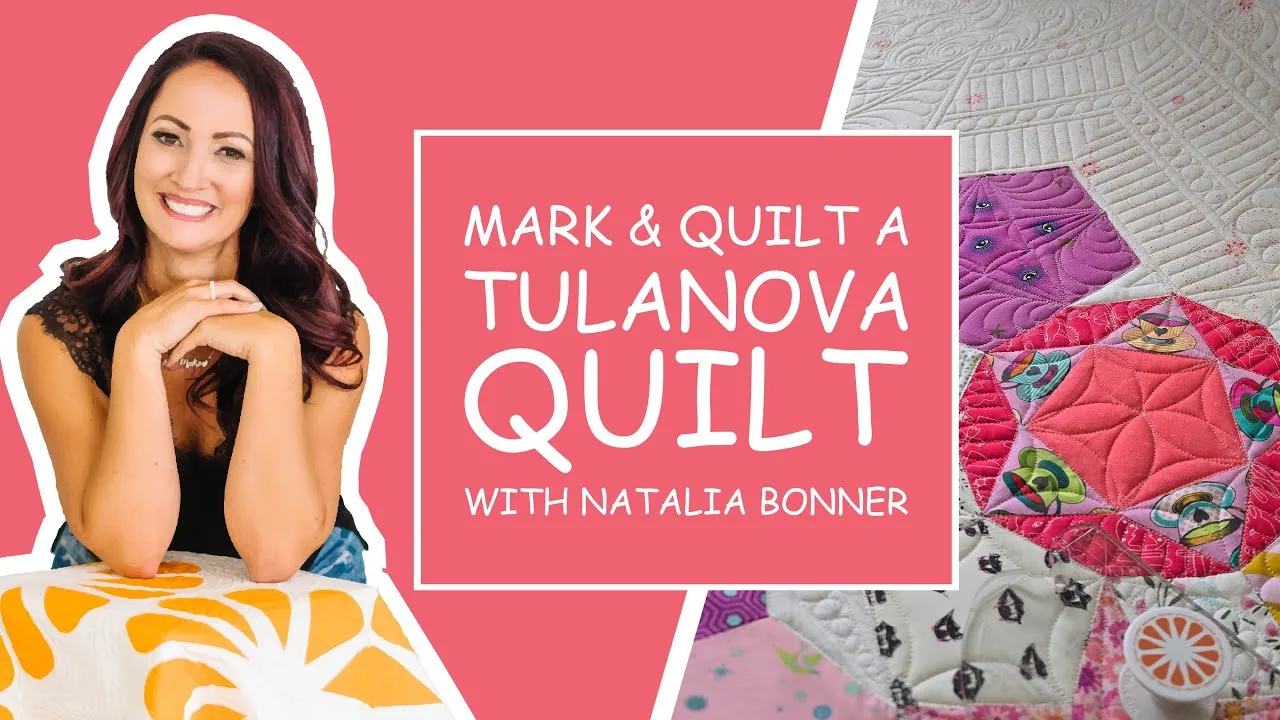
- Custom Machine Quilting A Tulanova Quilt with Natalia Bonner: In this exclusive PNQ Academy video, Natalia takes you behind the scenes of quilting her own hand-pieced TulaNova by Tula Pink, from carefully marking and creating backgrounds and borders to adding quilting directly onto the quilt, combining ruler work with other techniques. Seeing ruler work combined with marking and free-motion quilting shows why a stable, clear ruler matters when you are aligning lines on a real quilt rather than a practice sandwich.
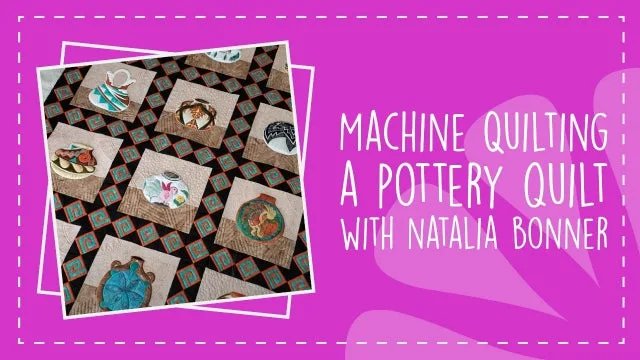
- Machine Quilting a Pottery Quilt: This PNQ Academy video shows Natalia machine quilting with rulers for straight lines, curved ruler work, free-motion pebbles, and thread color changes. Straight and curved ruler work in the same project is a good test of material: a flexing or scratched ruler makes both the straight lines and the curves harder to keep consistent.
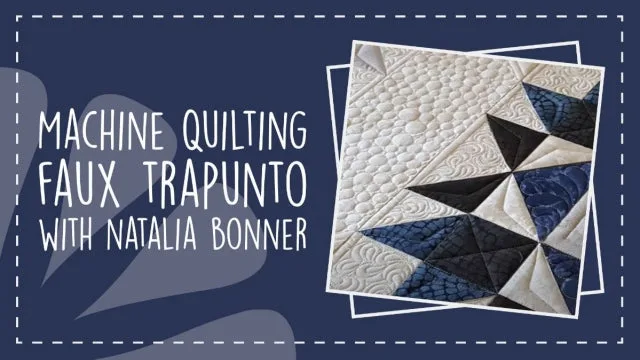
- Machine Quilting Faux Trapunto: In this video, Natalia shows how to use faux trapunto to create stars in the sashing on a traditional quilt, including ruler work and free-motion quilting. Ruler work inside sashing means working in narrow, repetitive spaces, where a ruler that holds its edge and stays put saves time and re-stitching.
Which material fits your quilting
Best for
- Longarm quilters doing repeat ruler work who need a stable, chip-resistant edge
- Quilters who want clear visibility of fabric and legible printed lines on the ruler
- Anyone building a core ruler set in the sizes they use most often
Not for
- Quilters who only need a single custom shape for one project and want to spend as little as possible
- Sewists who trace patterns onto template material rather than cut against a ruler edge
- Anyone who prefers a flexible sheet they can cut with household scissors instead of buying a specialty ruler
Acrylic and template plastic solve different problems: acrylic gives you durability and accuracy for repeated ruler work, while template plastic gives you low-cost flexibility for one-off shapes. Match the material to how often you will use the ruler, and you will get better stitches with less frustration.