Quick answer
Buy a 6" x 24" strip cutting ruler, an 8" or 9" square ruler for squaring blocks, and a cutting mat for quilting at least 24" x 36". Add a 12.5" square ruler if you make large blocks. Skip oversized specialty rulers until a pattern actually calls for one.
A quilting ruler set is not about owning every size. It is about owning the three or four rulers that match the cuts you make most often, plus a mat large enough to hold the fabric while you make them. Most quilters overspend on rulers and underspend on mat size, which is backwards.
This guide gives you concrete decision rules for building a ruler and mat setup that covers strip cutting, squaring up, and trimming without duplicates. It also explains where a single-purpose tool like the Wood Frame Ruler 10" RLR earns its place and where it does not.
Start with the three rulers that do 90% of the work
A 6" x 24" ruler handles strip cutting, cross-cutting, and trimming yardage. It is the first ruler to buy and the one you will reach for constantly. A square ruler in the 8" to 9" range squares up blocks and trims half-square triangles. A smaller 4" to 6" square or a 6" x 12" ruler covers sub-cutting and small pieces. Those three cover most quilt patterns.
If you make large blocks or medallion quilts, add a 12.5" square ruler. It squares up bigger blocks without repositioning, which reduces measuring errors. Do not buy a 12.5" square before you own a 6" x 24" strip cutting ruler; the long ruler earns its cost first.
- Write down the three ruler sizes your current pattern actually names before you shop.
- Mark your most-used ruler with a small piece of tape so you can find it fast.
Match mat size to your cutting table, not to your ambition
Quilting mat sizes range from small rotating mats to large 24" x 36" and bigger. The mat must fit your table with a little overhang so you can rotate fabric without lifting it. A 24" x 36" mat is the practical minimum for cutting strips from folded yardage. If your table is smaller, a 18" x 24" mat works for blocks but forces you to refold fabric more often.
Thicker mats last longer but cost more. Self-healing mats with a grid printed on both sides give you more usable surface. Check that the grid lines match your ruler markings; mixed measurement systems cause more cutting errors than dull blades.
- Measure your table before buying; a mat that overhangs too far tips when you press down.
- Store mats flat. Leaving one leaning against a wall can warp it over time.
Rotary cutting tools: spend on the cutter, not the extras
A 45mm rotary cutter is the standard for quilting. It handles multiple layers and curves without bogging down. A 60mm cutter is better for thick stacks and long straight cuts. A 28mm cutter is for tight curves and small templates. Most quilters need only the 45mm. Buy a cutter with a safety lock and replace blades as soon as they skip instead of cut.
Blade sharpness matters more than cutter brand. A dull blade pushes fabric and creates wavy edges that no ruler can fix. Keep spare blades on hand and change them when you feel resistance. This is one place where a small ongoing cost prevents large fabric waste.
- Use a dedicated blade disposal container; loose rotary blades are a serious hazard.
- A 45mm cutter plus a 6" x 24" ruler is the highest-value starting pair.
Specialty rulers: buy only when a pattern demands one
Specialty rulers solve one shape or one technique. A 10" frame ruler, for example, is used to glue four pieces into a frame for mini quilts or small art pieces. It is not a general cutting ruler. That is fine if you make framed minis. It is clutter if you do not. The same logic applies to triangle, curve, and template rulers.
A good test: if you cannot name two projects you will use a specialty ruler for in the next six months, wait. Buy the fabric or the thread instead. Rulers do not expire, and patterns that need them will still be available later.
- Read the pattern's cutting instructions before buying a specialty ruler.
- Borrow or take a class before investing in a full specialty set.
Ruler and mat combo: what to look for in a set
A ruler and mat combo can save money and guarantee that markings match. Look for a mat with clear 1" grid lines and 1/8" increments, plus rulers with the same measurement system. Sets often include a 6" x 24" ruler and a 24" x 36" mat, which is a sensible core. Check whether the mat is double-sided and whether the rulers have a lip or non-slip backing.
If you already own one piece, buy the missing piece separately rather than duplicating. A combo is only a deal if you needed both items. If you already have a 6" x 24" ruler, put the money toward a larger mat or a square ruler instead.
- Confirm the mat grid and ruler markings use the same units before buying a combo.
- A non-slip ruler backing reduces slipping on fabric and on the mat.
Decision rules for building your set
- Rule 1: Buy the long ruler first: If you own no rulers, buy a 6" x 24" strip cutting ruler before anything else. It handles the most common cuts in quilting patterns. Checkpoint: you can cut a 2.5" strip from folded yardage without repositioning.
- Rule 2: Size the mat to the table: If your table is at least 30" deep, choose a 24" x 36" cutting mat for quilting. If it is smaller, choose an 18" x 24" mat and accept more refolding. Checkpoint: the mat sits flat with no more than 2" of overhang.
- Rule 3: Add a square ruler when you start squaring blocks: If your patterns include half-square triangles or block trimming, add an 8" or 9" square ruler. Add 12.5" only when blocks are larger than 9". Checkpoint: you can trim a block to size in two passes or fewer.
- Rule 4: Skip specialty rulers until a pattern names one: If a pattern does not call for a specialty ruler, do not buy one. The Wood Frame Ruler 10" RLR is a good example: useful for framed minis, unnecessary for general cutting. Checkpoint: you can name two projects for the ruler before you buy.
Product facts that affect your setup
- Wood Frame Ruler 10" - RLR: Make a 10" frame by gluing the four pieces together. Use it to frame your mini quilts, favorite piece of fabric or art work. Frame measures: inside - 10", outside - 11.25". This is a specialty ruler for framing mini quilts, not a general cutting ruler. Buy it only if you make framed minis; otherwise it adds no cutting capability to your set.
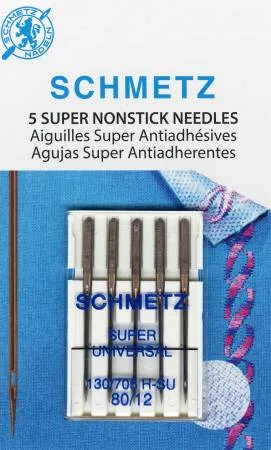
- Schmetz Non Stick Sewing machine needles size 80/12 4502: The NEW SCHMETZ Super Nonstick Needle has a slippery surface that ensures less adhesive residue sticks to the needle. Features A Super Universal Needle with a non-stick coating of NIT (Nickel-Phosphor-PTFE). Extra-large eye is suitable for embroidery work. The eye corresponds to a needle two sizes larger (i.e., the 70/10 Non Stick eye is similar to a size 90/14 regular Universal eye). If you use fusible web or adhesive-backed materials while assembling your cut pieces, a non-stick needle reduces residue buildup. It is a sewing-machine accessory, not a cutting tool, so it belongs in your setup only if you fuse.
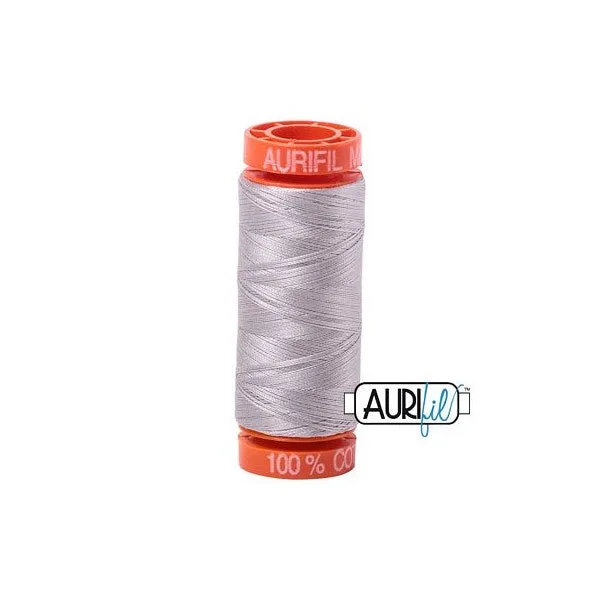
- 50wt Aurifil Xanadu 100% Cotton Mako Thread #BMK50SP200-6727: Aurifil's 50wt/2ply thread is our most versatile and most popular Cotton thread and is wound on our iconic orange spool. The 50wt is strong and thin, and results in remarkably flat and crisp seams. While it is wonderful for piecing, subtle quilting & topstitching, and English Paper Piecing it also works incredibly well for Needle Turn Applique, Bobbin and Machine Lace, Machine Applique (Straight Stitch, ZigZag). Accurate cutting only pays off if your seams hold. A 50wt cotton thread is a sensible default for piecing the pieces you cut, so budget for thread alongside your rulers and mat.
Who this setup fits
Best for
- New quilters building a first ruler and mat set who want to avoid duplicate purchases.
- Intermediate quilters who cut strips and square blocks regularly and need a mat large enough to stop refolding fabric.
- Quilters who prefer a small, focused tool set over a drawer full of single-use rulers.
Not for
- Quilters who already own a 6" x 24" ruler and a 24" x 36" mat; buy only the missing square ruler instead.
- Shoppers looking for a full specialty ruler collection; this guide deliberately limits specialty purchases.
- Quilters who only applique by hand and rarely rotary cut; a smaller mat and fewer rulers will serve you better.
Build your quilting ruler set around the cuts you actually make: a 6" x 24" strip cutting ruler, a square ruler for trimming, and a cutting mat for quilting that fits your table. Add specialty rulers like the Wood Frame Ruler 10" RLR only when a project names one. That approach keeps your setup small, accurate, and ready for the next quilt.