Quick answer
Use a rotary cutter for long straight cuts, multiple layers, and strip piecing; use quilting scissors for curves, appliqué, clipping rag quilt seams, and any cut where a blade guard or mat will not fit. Most quilters need both, but if you only buy one tool first, choose a rotary cutter for patchwork and add a pair of fabric shears for trimming and curved work.
Where a rotary cutter earns its keep
A rotary cutter shines when you need repeatable straight cuts. Because it rolls through fabric rather than slicing with two blades, it can cut several layers at once and produce identical strips for strip piecing or binding. That consistency is hard to match with scissors, especially on long widths of fabric. The trade-off is setup: you need a self-healing mat and a quilting ruler, and you must keep the blade sharp and the guard engaged. Curves are possible with a rotary cutter, but only with practice and a template; tight inside curves usually end up cleaner with scissors.
- Best for: straight strips, squares, binding, multiple layers.
- Requires: cutting mat, ruler, fresh blade, and a flat surface.
- Watch out: dull blades skip and fray fabric instead of cutting it.
Where quilting scissors and shears take over
Quilting scissors and fabric shears give you control a rotary cutter cannot. They let you lift the fabric slightly, pivot around a curve, and stop exactly at a marked point. That makes them the better choice for appliqué shapes, fussy cutting a motif, trimming seam allowances, and clipping into seam allowances on rag quilts. The trade-off is speed and consistency: cutting many identical strips with scissors takes longer and introduces variation. Keep a separate pair of fabric shears for cloth only, because cutting paper dulls the edge quickly.
- Best for: curves, appliqué, fussy cutting, trimming, clipping rag quilt seams.
- Requires: sharp blades and a comfortable grip for long sessions.
- Watch out: paper, cardboard, and wire will ruin the edge.
How to decide in the middle of a project
Start by asking what shape you are cutting and how many layers. If the answer is straight and more than one layer, reach for the rotary cutter. If the answer is curved, small, or you need to stop at a specific point, reach for scissors. Many quilters keep both within arm's reach and switch without thinking: rotary cutter for the strip set, scissors for the final trim. If you are working with a print that has a directional or large motif, scissors let you position the cut around the design, while a rotary cutter is faster once the placement is decided.
- Straight + multiple layers = rotary cutter.
- Curved + controlled stop = scissors.
- Directional print + fussy cut = scissors first, then rotary for straight edges.
Fabric choices that affect the tool decision
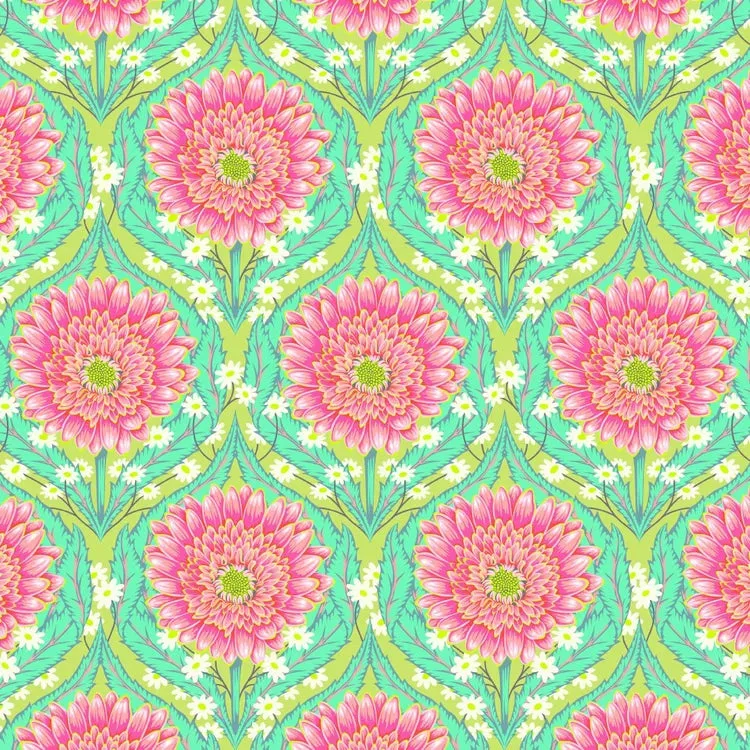
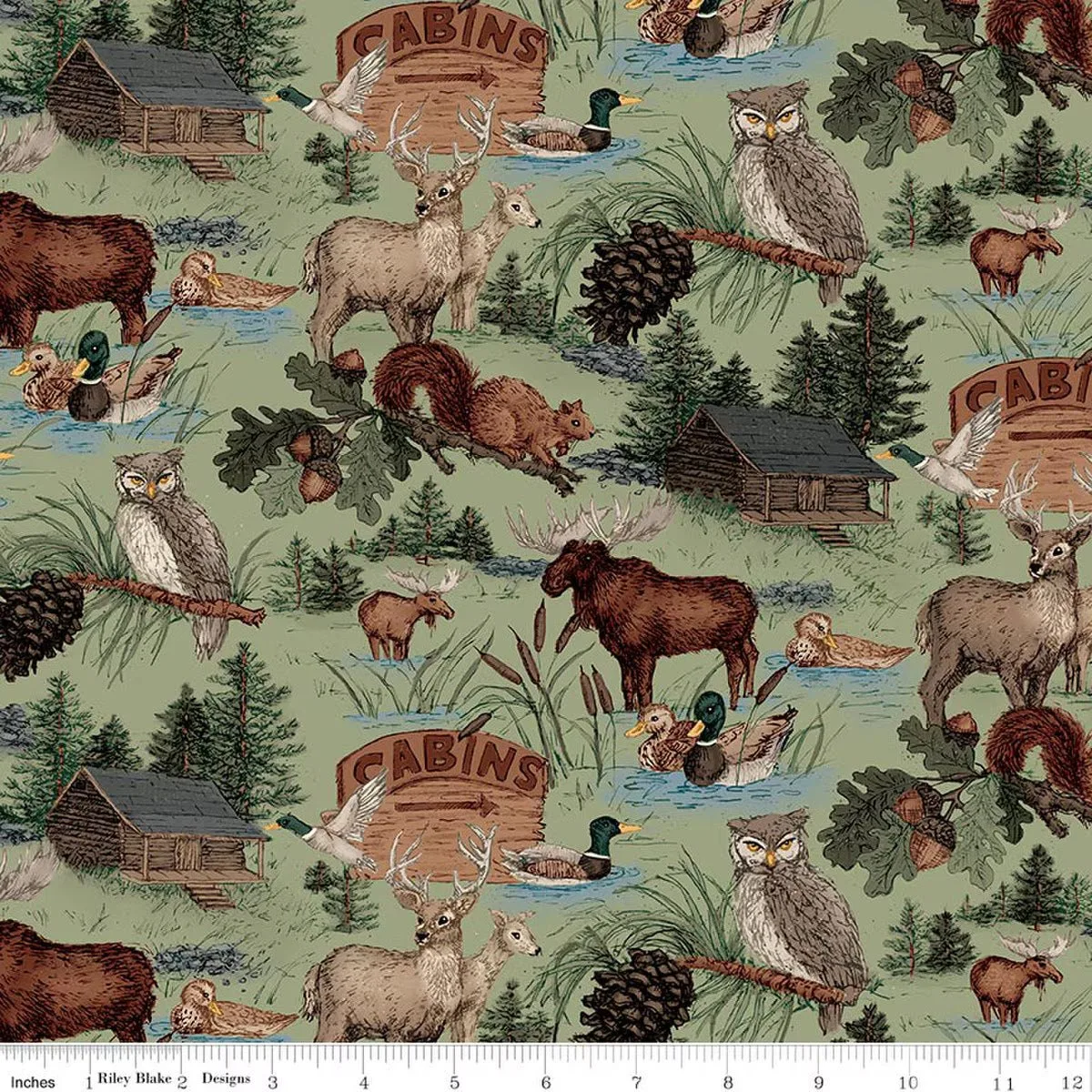
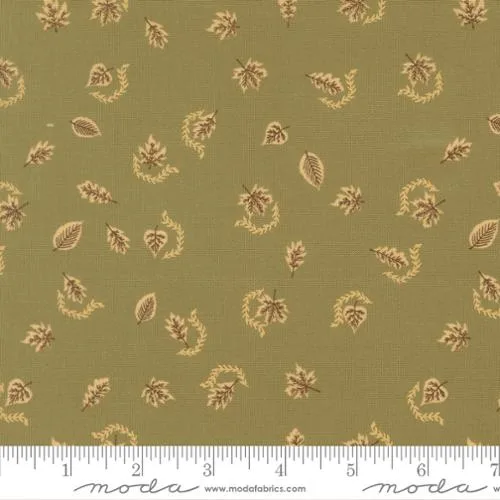
Quilting-weight cotton is the most forgiving for either tool, but the print and colorway can influence how you cut. A busy, daisy-filled print like Tula Pink Untamed Daisy and Confused in Moonbeam may be easier to fussy cut with scissors so you can center a flower. A bold graphic stripe like Tula Pink Neon True Colors Tented Stripes in Spirit rewards a rotary cutter because straight, even strips keep the stripe pattern aligned. Kitchen-inspired prints such as Baked with Love in Tradition Schoolhouse and nature-inspired prints like Whispering Pines in Main Green are often used in blocks that mix straight and curved elements, so you may switch tools within the same project.
Trade-offs: rotary cutter vs quilting scissors
- Speed and repeatability: A rotary cutter cuts multiple layers and long strips quickly, but you must set up a mat and ruler and replace blades when they dull. Scissors are slower for long cuts and introduce variation, but they need no mat and start instantly. Choose the rotary cutter for production cutting; choose scissors for one-off trims.
- Curves and control: Scissors let you pivot around appliqué shapes and stop exactly at a marked point. A rotary cutter can cut curves only with a template and practice, and tight inside curves are difficult. If the shape is curved or small, reach for scissors first.
- Fabric and print handling: A rotary cutter keeps a bold stripe like Tented Stripes in Spirit straight and even. Scissors let you center a motif on a daisy print like Daisy and Confused in Moonbeam or cut around organic shapes in a nature print. Match the tool to the print: stripes favor rotary, motifs favor scissors.
Fabric facts that affect your cutting tool choice
- Tula Pink Untamed Daisy and Confused - Moonbeam 1/2 yd: Tula Pink Untamed Daisy and Confused in Moonbeam is a daisy-filled print in the Moonbeam colorway from the Untamed collection, 100% quilting-weight cotton, 44/45 inch wide, sold by the 1/2 yard. The allover daisy motif is a good candidate for fussy cutting with scissors if you want to center a flower, while the quilting-weight cotton handles well with a rotary cutter for straight borders.
- Tula Pink Neon True Colors Tented Stripes - Spirit 1/2 yd: Tula Pink Neon True Colors Tented Stripes in Spirit is a bold graphic stripe print in the Spirit colorway, 100% quilting-weight cotton, 44/45 inch wide, sold by the 1/2 yard. A graphic stripe shows every wobble, so a rotary cutter and ruler help you cut straight strips that keep the stripe pattern even; scissors are better for trimming the final piece.
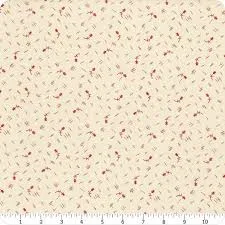
- Baked with Love 1/2 Yard – Tradition Schoolhouse: Baked with Love in Tradition Schoolhouse is a kitchen-inspired print by Lori Holt for Riley Blake Designs, sold by the 1/2 yard, cut 18 x 44 inches. The half-yard cut is enough for small appliqué shapes or a few straight strips, so you can decide whether to use scissors for curved motifs or a rotary cutter for straight sashing.
- Whispering Pines 1/2 Yard – Main Green: Whispering Pines in Main Green is a nature-inspired print from Riley Blake Designs, sold by the 1/2 yard, cut 18 x 44 inches. Nature-inspired prints often include organic shapes that are easier to cut around with scissors, but the half-yard size still works for rotary-cut strips if you plan your layout.
Which tool fits your next project?
Best for
- Quilters cutting long strips, squares, and binding from multiple layers.
- Sewists who need consistent straight edges and already own a mat and ruler.
- Projects using bold graphic prints where straight cuts keep the pattern aligned.
Not for
- Appliqué, curved piecing, or fussy cutting a specific motif.
- Clipping rag quilt seams or trimming tight corners where a mat will not fit.
- Quilters who cannot keep a blade guard engaged or who work without a cutting mat.