Quick answer
Buy the cutting, marking, and pressing basics first: a rotary cutter, acrylic ruler, cutting mat, marking tool, iron, and thread. Add specialty notions only when a specific quilt pattern calls for them. If you are learning machine quilting, a short project class can be more useful than another gadget.
Most beginner quilting supply lists are too long. You do not need every ruler, pin, and pressing tool before you finish your first quilt. You need a small set of tools that work together, plus a plan for adding the rest as your skills grow.
This guide separates true essentials from nice-to-haves. It also explains when a class or a project-specific tool is the better buy, so your first quilting tools support real progress instead of sitting in a drawer.
Start with the cutting and measuring basics
A rotary cutter, a clear acrylic ruler, and a self-healing cutting mat form the core of almost every quilt project. Choose a 45mm rotary cutter for general cutting; it handles multiple fabric layers without the hand fatigue of a smaller blade. For rulers, a 6 x 24 inch rectangle covers strip cutting and most beginner shapes. Add a smaller square ruler later for trimming half-square triangles.
Marking tools matter more than beginners expect. A fine marking pen or chalk pencil that disappears with heat, water, or time keeps piecing accurate without permanent lines. Test any marking tool on a scrap of your actual fabric before using it on a project, because some fabrics hold marks longer than others.
- Buy a cutting mat at least 18 x 24 inches so you can cut standard strips without repositioning constantly.
- Replace your rotary blade when it starts skipping instead of pressing harder.
Pressing and thread: the quiet essentials
Pressing is not optional in quilting. A basic steam iron and a pressing mat or wool pressing surface help seams lie flat, which improves accuracy at every later step. You do not need a dedicated quilting iron to start, but a small iron with a pointed tip makes piecing seams easier to open.
For thread, a 50wt cotton or cotton-poly blend works for most piecing and machine quilting on home machines. Match thread weight to the job rather than buying a large assortment. One neutral piecing thread and one thread that blends with your quilt top will carry you through several projects.
- Press seams flat before pressing them open; this sets the stitch and reduces distortion.
- Keep one spare bobbin wound with your main piecing thread.
When a class beats another tool
Some skills are easier to learn by watching than by reading. Machine quilting is the clearest example. If you are unsure how to quilt a finished top, a short video class can show the order of operations, how to manage bulk, and how to choose designs for different block styles. That knowledge often saves more fabric and time than a new ruler.
Piece N Quilt offers project-based machine quilting courses that walk through specific quilts. These are not required for piecing, but they are useful when you want to move from piecing to finishing your own quilts with confidence.
- Take a class when you are stuck on technique, not when you are missing a tool.
- Watch a full lesson before buying a specialty ruler that appears in it.
What to skip until later
Specialty rulers, decorative stitches, and large thread collections are easy to buy too early. Add a specialty ruler only when a pattern you are actually making requires it. If a quilt pattern calls for a specific ruler, buy that ruler for that project rather than guessing which shapes you might need someday.
The same rule applies to notions like pincushions, enamel pins, and small organizers. These are enjoyable and useful, but they do not improve stitch quality. Treat them as rewards or gifts after you have completed a project, not as prerequisites.
- Skip the 20-piece thread set until you know which weights your machine likes.
- Buy one good seam ripper instead of three cheap ones.
Decision rules for buying your first quilting tools
- Buy the cutting trio first: A 45mm rotary cutter, a 6 x 24 inch acrylic ruler, and an 18 x 24 inch cutting mat cover strip cutting, squaring, and most beginner shapes. These three tools are used in nearly every project. If your budget is tight, spend here before anywhere else.
- Add marking and pressing before specialty notions: A marking tool you have tested on scrap fabric and a basic steam iron improve accuracy more than decorative pins or organizers. Pressing flat is a skill, not a gadget. Upgrade your ironing surface before you buy a second ruler.
- Let the pattern choose your specialty ruler: Do not buy a specialty ruler because it looks useful. Buy it when a specific pattern you are making requires that shape. Otherwise you are guessing at future projects. One pattern, one ruler, one project at a time.
- Use a class when technique is the blocker: If you can cut and piece but freeze at the quilting stage, a short project-based course can teach order of operations and design choices. That is often more valuable than another tool. Choose a course that finishes a real quilt, not just a technique demo.
Product facts that help beginners decide
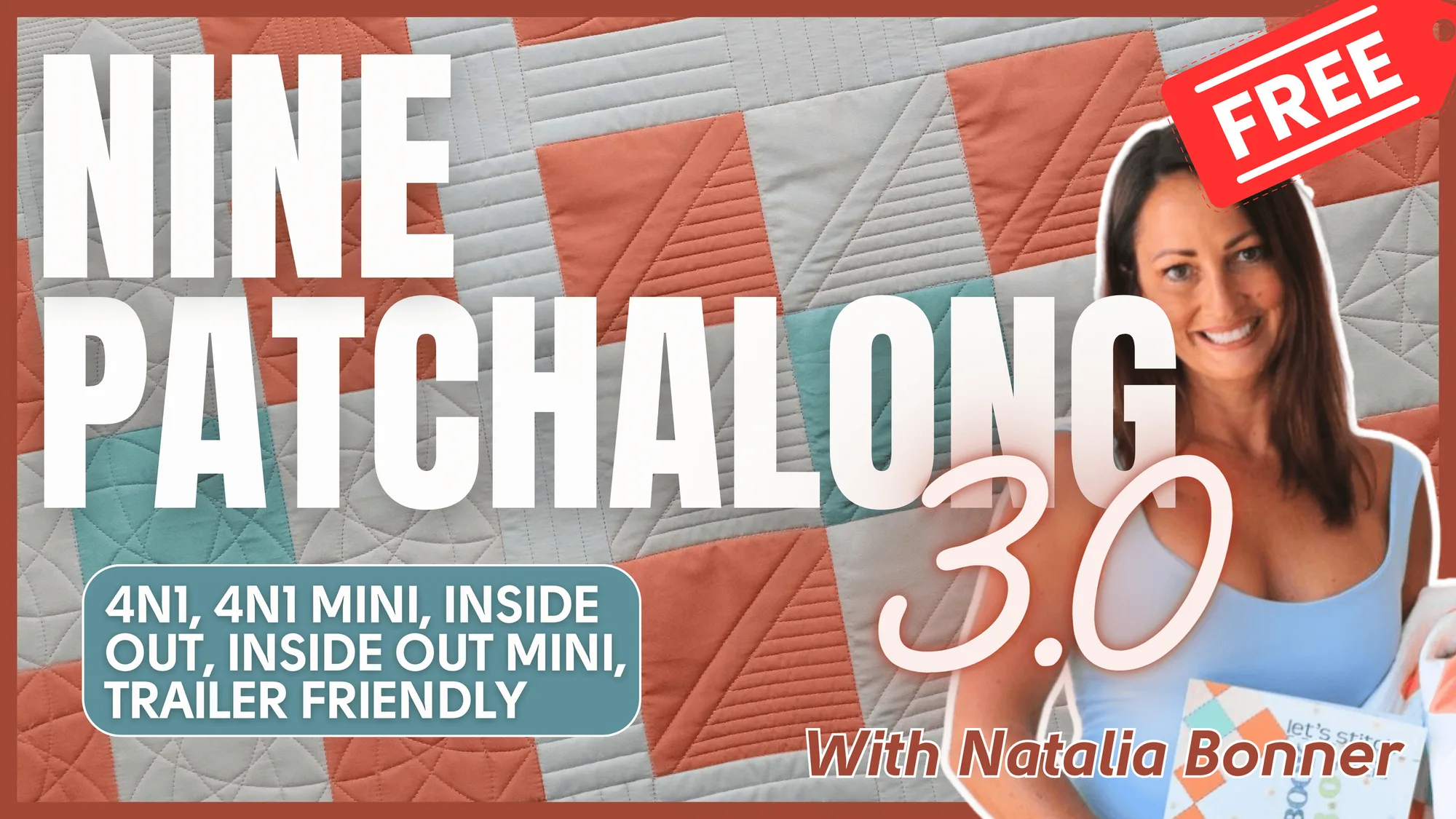
- 9 Patchalong 3.0: With Natalia Bonner: This online stitch-along offers twelve step-by-step lessons on machine quilting 9 Patch Quilt blocks using rulers and free-motion quilting, with bonus videos covering background fillers and more. Lessons and workbooks are available to start anytime. If you learn best with a structured, self-paced plan, this gives you twelve lessons focused on one block style instead of a random collection of tips. It is a low-risk way to build machine quilting skills before buying specialty rulers.
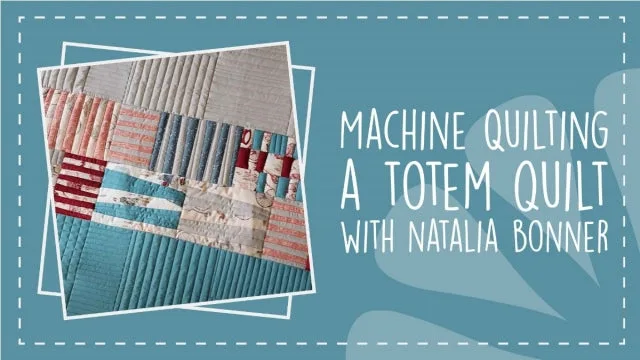
- Machine Quilting a Totem Quilt: In this course, Natalia machine quilts a Totem quilt by taking inspiration from modern piecing and using that inspiration in negative space. The course is a PNQ Academy video priced at USD 3.50. This is a practical example of how to quilt a modern top with straight lines. If your first quilt top has large negative space, watching this before you buy a ruler or template can help you decide whether straight-line quilting is enough.
Who this beginner tool list fits
Best for
- New quilters who have never cut fabric with a rotary cutter and want a short, practical list
- Quilters who can piece but want to learn machine quilting without buying every ruler first
Not for
- Experienced quilters who already own a full set of rulers and want advanced longarm techniques
- Shoppers looking for a complete gift set of every notion at once rather than a staged buying plan
Start with the cutting, marking, and pressing basics, then add tools only when a pattern or a class calls for them. That approach keeps your first quilting tools useful and your budget focused on skills, not clutter.