Quick Answer
Start self-feeding when your toddler shows interest in the spoon, use a child-sized silicone spoon with a safe tip, and practice with thick foods before moving to thinner textures.
Why Silicone Spoons Help Toddlers Learn
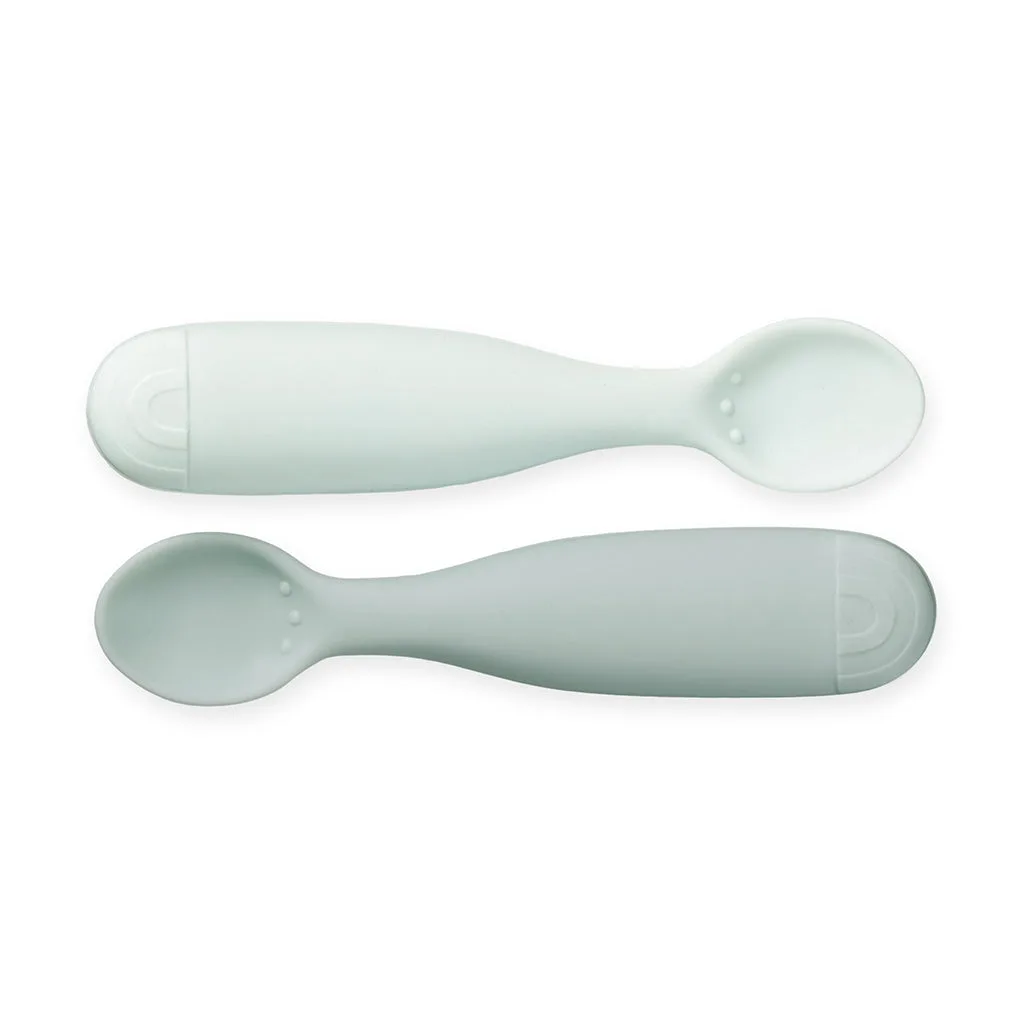
Silicone spoons are gentle on tender gums and provide a non-slip grip, which builds confidence during early attempts. The Rainbow Spoons set from Cam Cam Copenhagen is designed with an ergonomic handle that fits a child's hand, making it easier for little ones to hold and maneuver.
The three dots on the tip of the spoon help the child understand where the spoon ends, reducing the risk of gagging. This simple design cue supports safer exploration as your toddler learns to guide the spoon to their mouth.
Choosing the Right Food Texture
Thick, scoopable foods like yogurt, mashed avocado, or oatmeal are easier for beginners to load onto a spoon and keep there during the journey to the mouth. Runny foods like soup or thin purees frustrate early self-feeders because they drip off before they take a bite.
Start with one or two thick options and gradually introduce slightly thinner textures as your child's scooping skills improve.
Step-by-Step Self-Feeding Guide
- Watch for Readiness Signs: Look for your toddler reaching for the spoon, grabbing it from you, or showing interest in your own eating. These cues mean they are ready to try self-feeding. Common mistake: forcing the spoon into their hand before they are interested, which can create resistance. Start only when your child shows active interest, not just when they reach a certain age.
- Choose the Right Spoon: Use a toddler-sized spoon with a soft, non-slip handle. The Rainbow Spoons set features an ergonomic handle and silicone tip, which are ideal for small hands and sensitive gums. Common mistake: using a regular adult spoon, which is too large and heavy, making it hard for your toddler to control. Check that the spoon is lightweight and the handle fits comfortably in your child's palm.
- Model the Motion: Show your toddler how to scoop and bring the spoon to their mouth by doing it yourself with your own spoon. Use exaggerated movements and narrate what you are doing. Common mistake: doing it for them every time instead of letting them practice, which delays skill development. Let your child practice at least a few scoops on their own during each meal.
- Start with Thick Foods: Offer foods like mashed potatoes, thick yogurt, or oatmeal that stick to the spoon easily. This reduces frustration and helps your toddler succeed in getting food to their mouth. Common mistake: starting with thin soups or purees that drip, discouraging your child. Gradually introduce thinner textures as scooping improves.
- Use the Hand-Over-Hand Technique: Place your hand gently over your toddler's hand while they hold the spoon, guiding the scooping and lifting motion. Then release and let them try on their own. Common mistake: gripping too tightly or taking over completely, which makes the child feel they are not in control. Keep guidance light and brief, then step back to allow independent practice.
- Praise Every Attempt: Celebrate any successful scoop, even if the food falls off before reaching the mouth. Positive reinforcement builds confidence and motivation. Common mistake: showing frustration or correcting too often, which can make mealtime stressful. Focus on effort, not accuracy, during the early weeks.
Product Spotlight
-
Rainbow Spoons, 2-pack - Blue Mix: Set of two silicone spoons with a rainbow embellishment and an ergonomic handle designed to fit a child's hand. The child-sized handle and soft silicone material make it easier for toddlers to grip and maneuver, supporting independent eating.
Rainbow Spoons, 2-pack - Blue Mix
-
Rainbow Spoons, 2-pack - Blue Mix: Features three dots on the tip to help the child understand where the spoon ends, reducing the risk of gagging. This built-in safety cue gives parents peace of mind while toddlers explore self-feeding.