Quick answer
Choose the Rainmaker Rattle Stick when you want one simple, graspable toy that turns over to make a rain-like rattle and supports hand-grasp practice for babies 6 to 18 months. Choose baby musical toys instead when your priority is melody, rhythm games, or a wider variety of songs. Many families use both, but they serve different play goals.
How the Rainmaker Rattle Stick actually works
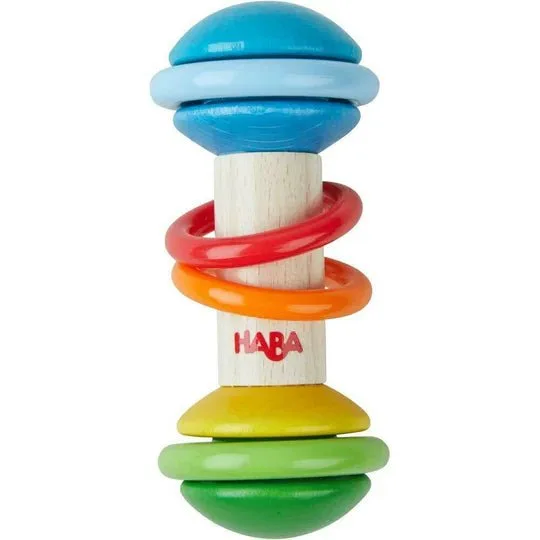
The Rainmaker Rattle Stick is a single toy made of beech and plastic, crafted in Germany. When a child turns the stick over, brightly colored rings inside create a rattling sound similar to raindrops falling. It is designed for babies 6 to 18 months, and the size is meant to be easy for small hands to hold. That makes it a sensory rattle for babies who are still learning to close their fingers around an object and keep it steady.
What baby musical toys offer that a rainmaker does not
Baby musical toys usually focus on melody, rhythm, or cause-and-effect buttons. They can introduce songs, tempo changes, or instrument sounds, which is a different kind of listening than the rainmaker's continuous rattle. If you want your baby to hear a tune or practice clapping along to a beat, a musical toy is the more direct fit. The rainmaker is better understood as a sound-and-motion toy: the sound changes when the toy is turned, not when a button is pressed.
Grip, rhythm, and the trade-off between simplicity and variety
The rainmaker's main developmental job is helping wee ones learn to grasp with their hands and foster a sense of rhythm. That is a narrow but useful goal. Musical toys often trade that simplicity for variety: more sounds, more modes, and sometimes more buttons to press. The trade-off is real. A single-purpose rattle is easier for a 6-month-old to succeed with, while a musical toy may hold attention longer for an older toddler who wants to choose songs or mimic beats.
Age fit and supervision
The Rainmaker Rattle Stick is listed for ages 6 to 18 months, so it fits the stage when babies are actively reaching, gripping, and mouthing toys. Baby musical toys vary widely by brand and model, and the supplied catalog does not list a single age range for them as a group. Check each toy's own age recommendation before buying. For either type, plan for supervised play and inspect the toy regularly for loose parts or damage.
Trade-offs to weigh before you buy
- One sound vs. many sounds: The Rainmaker Rattle Stick makes a rain-like rattle when turned over. Baby musical toys typically offer melodies, buttons, or multiple sound modes. Pick the rainmaker for calm, repetitive sensory input; pick a musical toy for song variety.
- Grasp practice vs. cause-and-effect play: The rainmaker is built to help wee ones learn to grasp with their hands and foster rhythm. Musical toys often teach pressing or switching to start a sound. If your baby is still learning to hold an object, the rainmaker is the more direct match.
- Single-purpose durability vs. feature variety: A beech-and-plastic rattle has no batteries and no modes. Musical toys may need batteries and can have more parts to maintain. Choose based on whether you want fewer features or more variety in one toy.
Product facts that affect the choice
- Rainmaker Rattle Stick: Turning the rattle stick over makes brightly colored rings create a rattling sound similar to raindrops falling. The sound is produced by motion rather than buttons, so babies can activate it with a simple wrist turn.
- Rainmaker Rattle Stick: It is made of beech and plastic, crafted in Germany, and listed for ages 6 to 18 months. The stated age range and materials give you a concrete fit check before buying for a baby in that window.
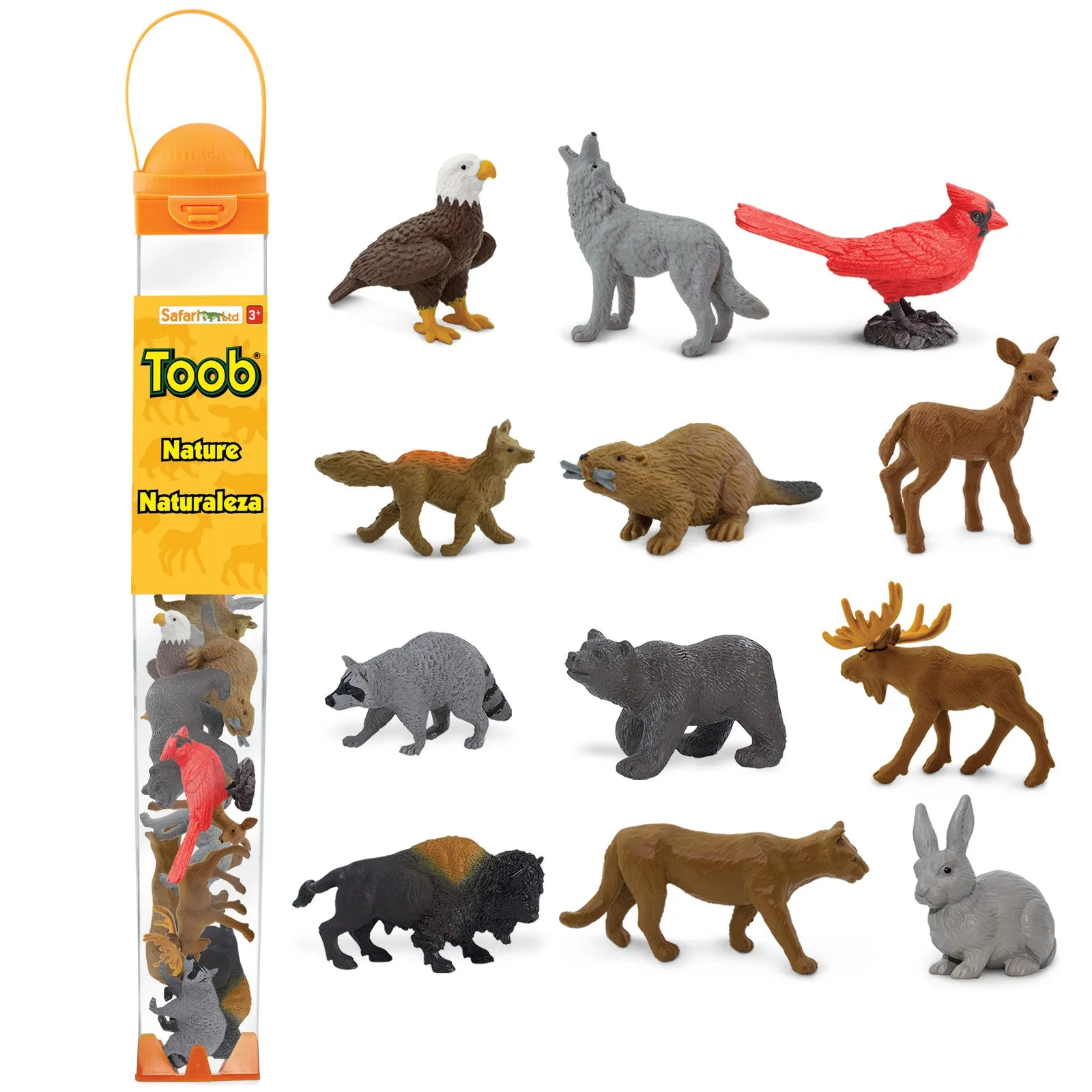
- Nature TOOB®: The Nature TOOB includes a rabbit, beaver, doe, cardinal, gray wolf, fox, raccoon, black bear, moose, mountain lion, bald eagle, and bison. If you want quiet, non-electronic sound play, small animal figures can support naming and storytelling without adding another noisy toy.
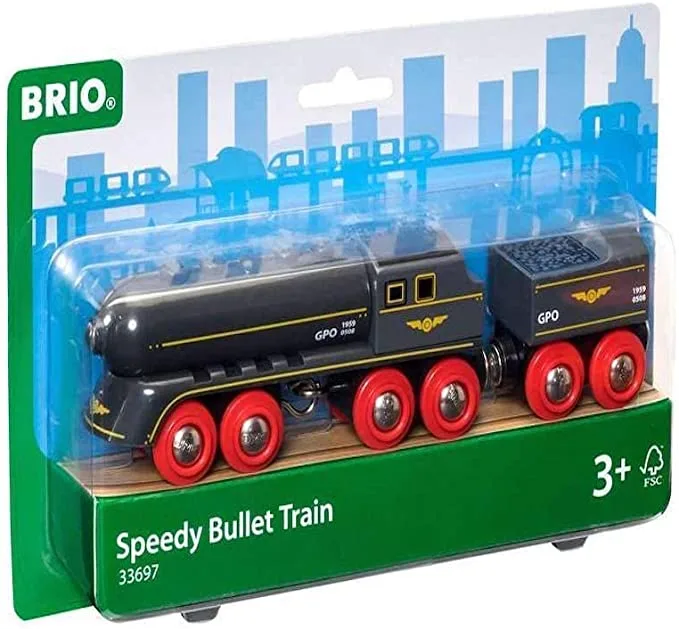
- Speedy Bullet Train: The Speedy Bullet Train comes with 2 pieces and is compatible with all other BRIO railway toys, for ages 3 years and up. It is a pretend-play option for older siblings, so it can keep a 3-year-old busy while the baby uses the rainmaker.
Which one fits your baby
Best for
- Babies 6 to 18 months who are practicing grasping and turning objects
- Families who want a quiet, battery-free sensory rattle for supervised play
- Parents who want to encourage rhythm and listening without songs
Not for
- Toddlers who want to choose songs, press buttons, or dance to melodies
- Older children past the listed 6 to 18 month range
- Families looking for a toy that teaches specific instrument sounds or tunes