Quick Answer
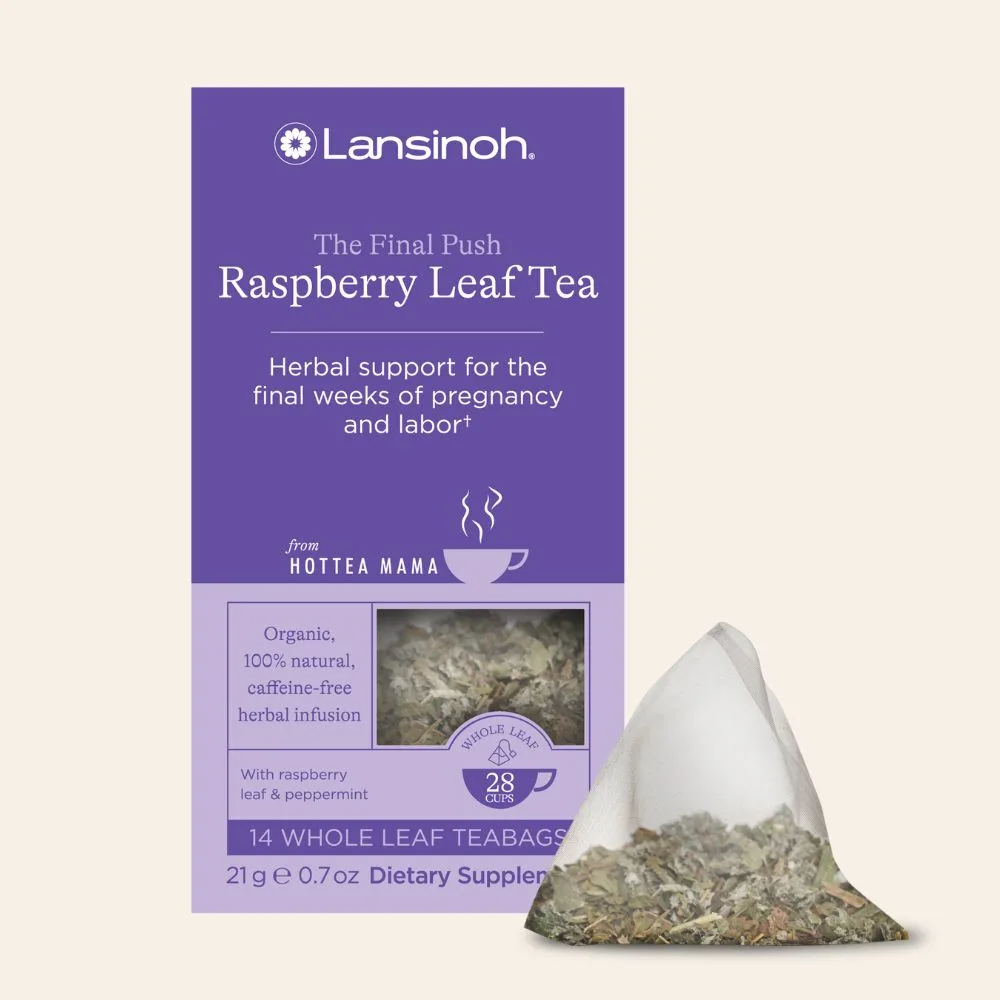
Raspberry leaf tea is a traditional herbal tea made from the leaves of the red raspberry plant. It is most commonly used to support women's health, especially during pregnancy, and may help tone the uterus, ease menstrual cramps, and shorten labor. While many people drink it throughout pregnancy, it's important to consult your healthcare provider before starting, especially in the first trimester.
Raspberry leaf tea has been a staple in herbal medicine for centuries, particularly for women's health. The leaves of the red raspberry plant contain nutrients and compounds that are believed to support the uterus and pelvic muscles. But what exactly can this tea do, and how should you use it?
In this FAQ, we'll answer common questions about raspberry leaf tea benefits, its uses during pregnancy, how to brew it, and important safety considerations. We'll also highlight a few Love Tea products that complement a wellness routine.
What Are the Main Benefits of Raspberry Leaf Tea?
Raspberry leaf tea is traditionally used to support female reproductive health. It is rich in vitamins and minerals, including iron, calcium, and magnesium, which are important during pregnancy. The leaves contain fragarine, a compound believed to tone the uterine muscles, which may help prepare the body for labor and potentially shorten labor duration.
Beyond pregnancy, many women drink raspberry leaf tea to ease menstrual cramps and reduce heavy bleeding. Its astringent properties may also help with digestive issues like diarrhea. However, scientific evidence is limited, and most benefits are based on traditional use rather than modern clinical studies.
- May tone the uterus and support labor preparation
- Rich in essential nutrients like iron and calcium
- Traditionally used to ease menstrual discomfort
How Do You Brew Raspberry Leaf Tea?
To get the most benefits, raspberry leaf tea should be steeped longer than regular black or green tea. Use one teaspoon of dried raspberry leaf per cup of boiling water. Cover and steep for 10-15 minutes, then strain. The tea has a mild, earthy flavor that can be enhanced with honey or lemon.
You can also blend raspberry leaf with other herbs like peppermint or rooibos for a pleasant taste. At Love Tea, you can explore caffeine-free herbal blends like Coconut Orange Loose Leaf Tea, which combines organic rooibos with orange and coconut for a smooth, fruity option.
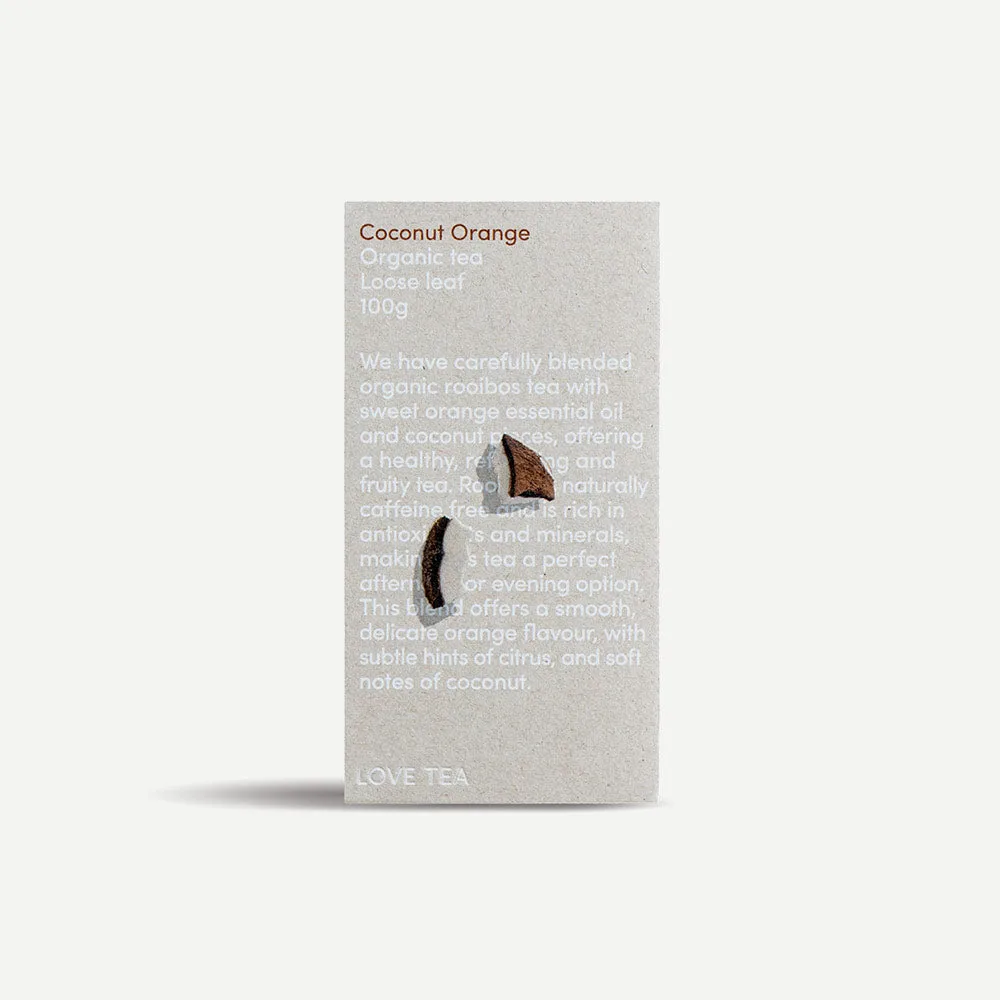
Coconut Orange Loose Leaf Tea
- Steep 10-15 minutes for optimal extraction
- Add honey or lemon to improve flavor
- Blend with rooibos or peppermint for variety
Is Raspberry Leaf Tea Safe During Pregnancy?
Raspberry leaf tea is generally considered safe in moderate amounts during pregnancy, but it is not recommended in the first trimester. Many midwives suggest starting with one cup per day in the second trimester and increasing to two or three cups in the third trimester. Always consult your healthcare provider before adding it to your routine.
The tea is not recommended for those with a history of preterm labor, multiple pregnancies, or certain medical conditions. It's also important to avoid high doses, as it may cause uterine contractions. Listen to your body and stop if you experience any unusual symptoms.
- Start in the second trimester, not the first
- Limit to 1-3 cups per day
- Always get medical advice first
Can Raspberry Leaf Tea Help with Menstrual Cramps?
Many women use raspberry leaf tea to relieve menstrual cramps and reduce heavy bleeding. The tea's antispasmodic properties may help relax the uterine muscles, easing pain. Some herbalists recommend drinking it regularly throughout the month, not just during your period, to see the best results.
While evidence is mostly anecdotal, the tea is a popular natural remedy. If you're looking for a caffeine-free herbal tea to support your wellness routine, consider Love Tea's Digestive Canister, which contains a blend of organic herbs selected by a naturopath to support digestion and overall comfort.
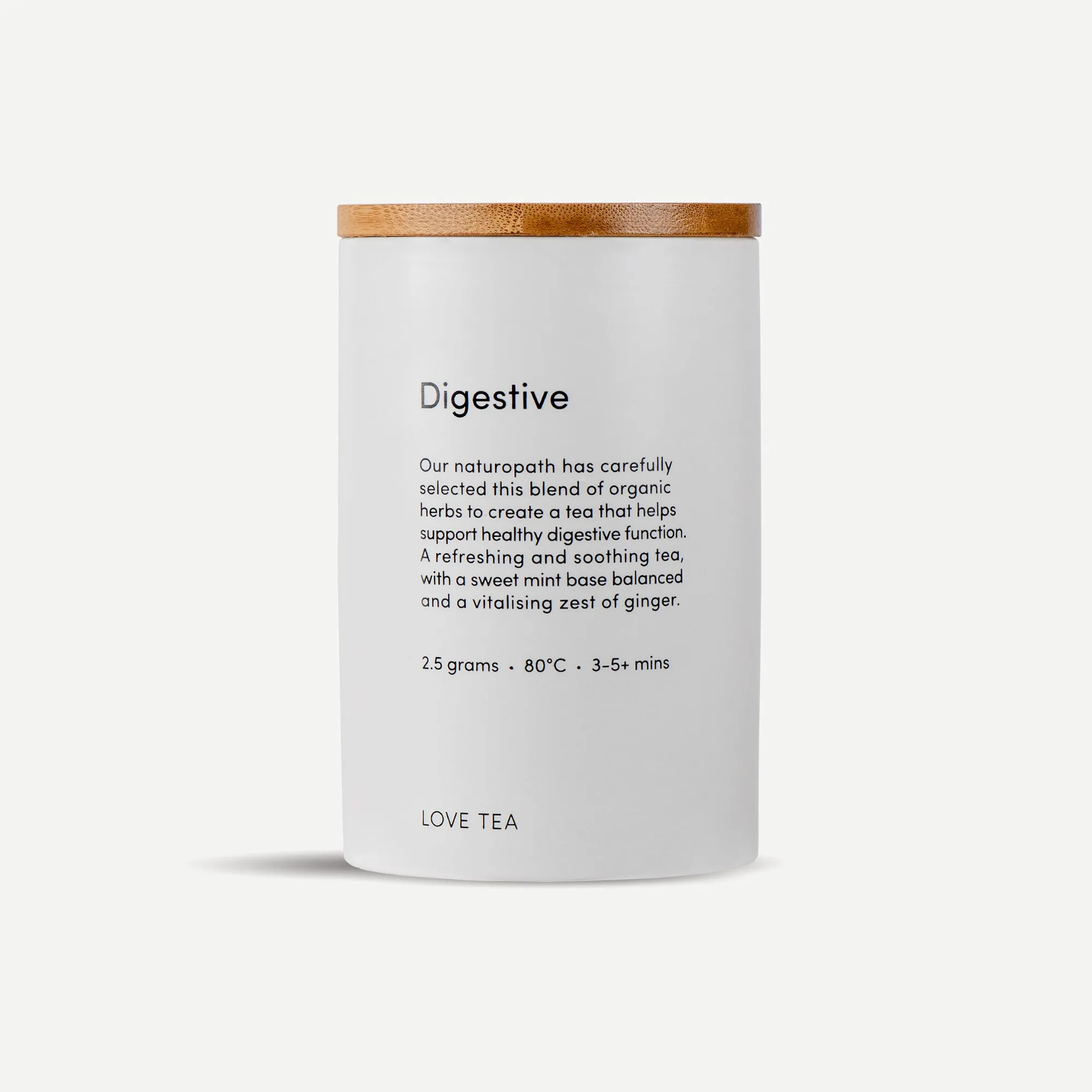
Digestive Canister
- Drink daily for best results
- Combine with a healthy diet and hydration
- Consult a herbalist for personalized advice
Raspberry Leaf Tea: Your Quick-Reference FAQ
What is raspberry leaf tea?
A caffeine-free herbal tea made from the leaves of the red raspberry plant, traditionally used for women's health. It's a gentle, naturally caffeine-free option.
How much should I drink?
Start with one cup daily in the second trimester and gradually increase to two or three cups, if advised by your provider. Moderation is key.
When should I avoid it?
Avoid in the first trimester and if you have a history of preterm labor or certain medical conditions. Always check with your healthcare provider first.
Love Tea Products That Complement Your Herbal Routine
- Coconut Orange Loose Leaf Tea: We have carefully blended organic rooibos tea with sweet orange essential oil and coconut pieces, offering a healthy, refreshing and fruity tea. Rooibos is naturally caffeine free and is rich in antioxidants and minerals, making this tea a perfect afternoon or evening option. This blend offers a smooth, delicate orange flavour, with subtle hints of citrus, and soft notes of coconut. This blend is caffeine free. If you're looking for a caffeine-free herbal tea to enjoy alongside raspberry leaf, this blend offers a flavorful alternative that's gentle for any time of day.
- Digestive Canister: Love Tea ceramic tea canisters provide an elegant and practical storage solution for your chosen blend. They are designed to prolong the life of your tea, by providing an airtight seal and protection from light, and are also a perfect gifting option. This canister is supplied with your choice of 60g loose leaf tea or 20 pyramid tea bags. Our naturopath has carefully selected this blend of organic herbs, to... Proper storage keeps your raspberry leaf tea fresh and potent. This canister also comes with a digestive herbal blend, which can be a helpful addition to your wellness routine.
Raspberry leaf tea is a time-honored herbal remedy with potential benefits for pregnancy and menstrual comfort. While it's not a substitute for medical care, many women find it a soothing addition to their wellness routine. Remember to consult your healthcare provider before using it, and pair it with quality, organic teas from Love Tea for a complete experience.