Quick Answer
Raspberry leaf tea is a caffeine-free herbal infusion traditionally used to tone the uterus, ease menstrual discomfort, and support pregnancy preparation. For most people, drinking 1-3 cups daily is safe, but if you are pregnant, consult your midwife or doctor before starting, especially before 32 weeks.
Raspberry leaf tea has been a staple in herbal medicine for centuries, especially for women's health. Its mild, slightly fruity flavor and high nutrient content make it a popular choice for those looking to support their reproductive system naturally. But what exactly does the science say, and how should you choose and drink it? This guide breaks down the key benefits, uses, and practical tips.
Whether you are preparing for pregnancy, managing period cramps, or simply curious about herbal wellness, understanding what raspberry leaf tea can and cannot do is essential. We'll also look at organic options and how to incorporate this tea into your daily routine.
What Is Raspberry Leaf Tea?
Raspberry leaf tea comes from the leaves of the red raspberry plant (Rubus idaeus), not the berries. The leaves contain fragarine, a compound believed to tone the pelvic muscles, along with vitamins and minerals like iron, calcium, and magnesium. Unlike many herbal teas, raspberry leaf is naturally caffeine-free, making it a gentle choice for any time of day.
The taste is often described as earthy and slightly fruity, similar to a mild black tea but without the bitterness. It can be enjoyed on its own or blended with other herbs like spearmint or lemon balm to improve flavor. Because it is an herbal tea, it does not contain caffeine, so it won't interfere with sleep.
- Raspberry leaf is not the same as raspberry fruit tea—make sure you are buying the leaf.
- It is often blended with other herbs; check the label for pure raspberry leaf if you want the traditional benefits.
Key Benefits of Raspberry Leaf Tea
The most well-known benefit of raspberry leaf tea is its use during pregnancy, particularly in the third trimester. Some midwives recommend it to help tone the uterus, potentially leading to shorter labor and fewer interventions. However, research is mixed, and it is not recommended before 32 weeks unless advised by a healthcare provider.
Outside of pregnancy, raspberry leaf tea is often used to ease menstrual cramps, reduce heavy bleeding, and balance hormones. Its astringent properties may also help with digestive issues like diarrhea. While these uses are traditional, more scientific studies are needed to confirm all effects, so it is best to treat it as a supportive remedy rather than a cure.
- For menstrual support, start drinking the tea a few days before your period and continue through it.
- If you have a medical condition or take medication, consult your doctor before using herbal teas regularly.
How to Drink Raspberry Leaf Tea
To make raspberry leaf tea, use 1 teaspoon of dried leaves per 8-12 oz of boiling water (212°F) and steep for 3-5 minutes. You can adjust the strength to taste. Some people prefer a longer steep for a stronger brew, but be aware that over-steeping can make it bitter.
For pregnancy support, many practitioners suggest starting with one cup a day in the third trimester and gradually increasing to three cups daily. For general wellness or menstrual relief, one to three cups a day is typical. You can drink it hot or iced, and adding a bit of honey or lemon can enhance the flavor.
- Start with a small amount to see how your body reacts.
- If you are pregnant, always get professional advice before increasing your intake.
Choosing an Organic Raspberry Leaf Tea
When buying raspberry leaf tea, organic is often preferred because it ensures the leaves are grown without synthetic pesticides or fertilizers. This is especially important for a tea you might drink daily. Look for products that list organic raspberry leaf as the only ingredient or as the primary ingredient.
Some blends combine raspberry leaf with other beneficial herbs like nettle or red clover for pregnancy support. While these can be convenient, they may not be suitable for everyone, so read the ingredient list carefully. If you have allergies or sensitivities, a single-ingredient tea is the safest choice.
- Check for a USDA Organic seal or similar certification.
- Store loose leaf tea in an airtight container away from light and moisture to preserve freshness.
Decision Rules for Choosing Raspberry Leaf Tea
- Purpose: Identify your primary goal: pregnancy preparation, menstrual relief, or general wellness. This determines the right blend and brewing frequency. Choose a pure raspberry leaf tea for pregnancy prep; a blend for stress relief may be better if you also need calming effects.
- Ingredient list: Read the label to ensure raspberry leaf is present and that other herbs are safe for your situation. Avoid added sugars or artificial flavors. Opt for organic, single-ingredient tea if you have allergies or want maximum control.
- Organic certification: Look for organic certification to minimize pesticide exposure, especially for daily consumption. Choose certified organic products when possible.
- Flavor profile: Raspberry leaf tea has an earthy taste. If you prefer sweeter or fruitier flavors, consider a blend with spearmint or orange peel. Sample a small amount first to see if you like the taste.
Organic Raspberry Leaf Tea Options
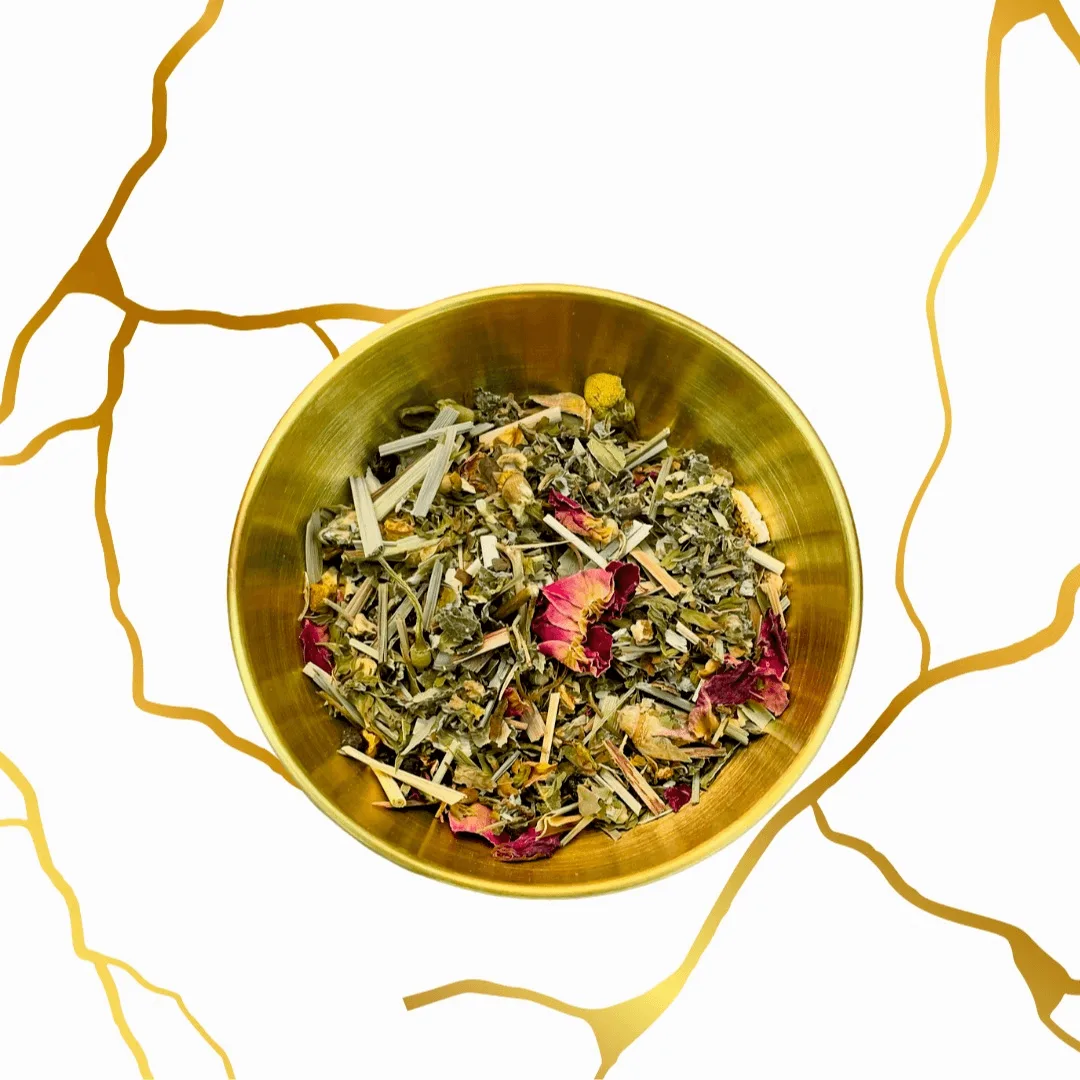
- Stress Relief Lazy Daze Tea (Organic): Contains organic raspberry leaf along with organic spearmint, lemongrass, elderberry, red rose buds, linden flower, chamomile, and orange peel. Designed to regulate stress-related hormones and boost mood. If you're looking for a raspberry leaf tea that also helps with stress and hormone balance, this blend offers a convenient way to combine benefits. The raspberry leaf adds its traditional uterine toning properties while other herbs promote relaxation.
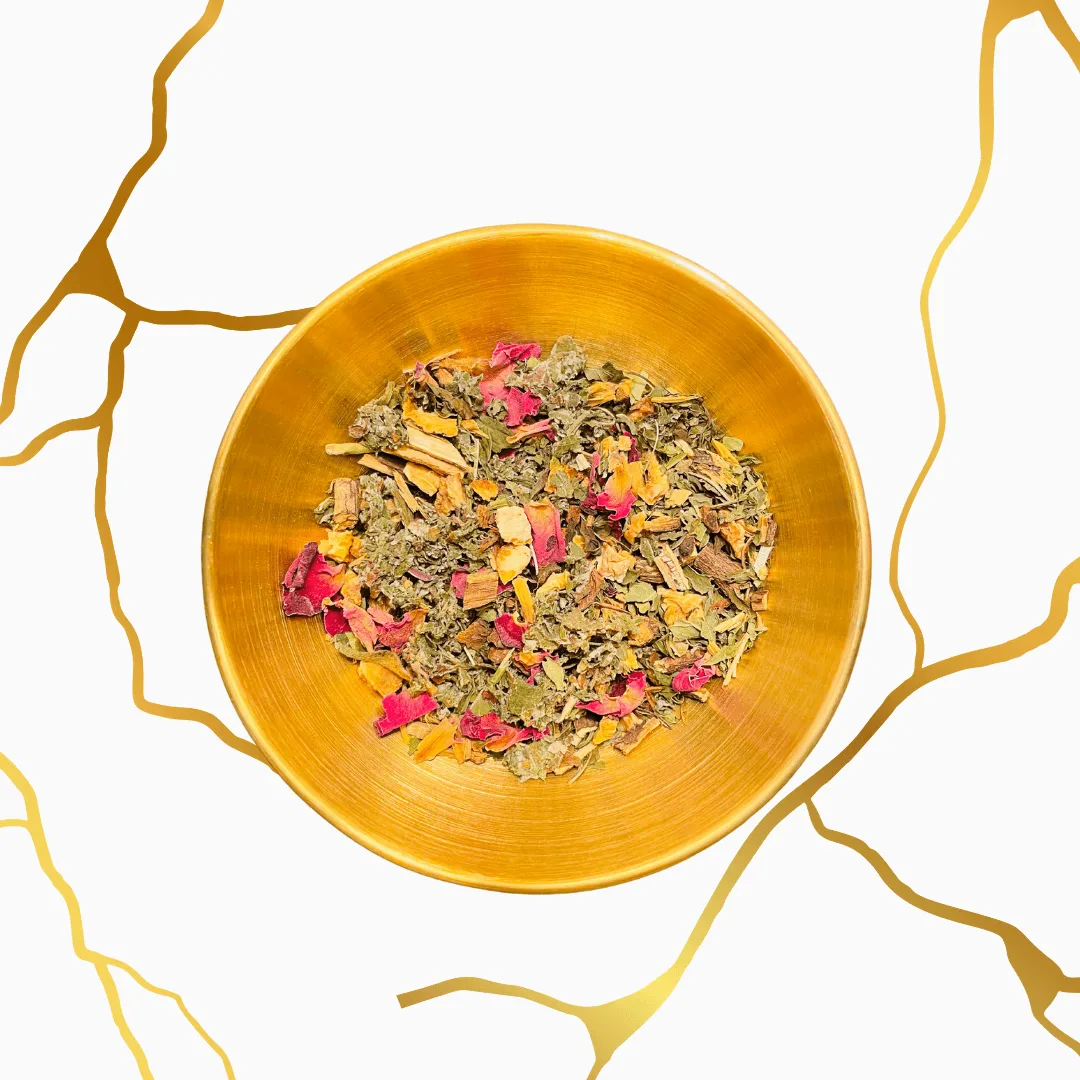
- MEDITATION TEA (Organic): Ingredients include organic licorice, spearmint, orange peel, cinnamon, red rose buds, raspberry leaf, and lemon verbena. Brews 20-25 cups per container. This tea is a good choice if you want a calming cup that still includes raspberry leaf. The blend is designed for meditation and relaxation, making it a nice addition to a self-care routine. It also offers a longer-lasting supply.
Who Should Choose Raspberry Leaf Tea?
Best for
- Pregnant individuals in their third trimester seeking natural labor preparation (with healthcare provider approval).
- People looking for a caffeine-free herbal tea to support menstrual comfort and hormone balance.
Not for
- Pregnant individuals before 32 weeks without medical advice.
- Those with a history of preterm labor or certain high-risk pregnancies—always consult a doctor first.
Raspberry leaf tea offers a range of traditional benefits, especially for women's health. By choosing an organic product and following safe drinking guidelines, you can incorporate this herbal tea into your routine with confidence. Remember to consult your healthcare provider if you are pregnant or have health concerns.